Hair Loss Science
Hair Loss Myths Debunked: What Really Causes It
From hats to shampoo to your mother's father, hair loss is surrounded by myths. Here's what science actually says about the causes of baldness.
Updated February 5, 2026
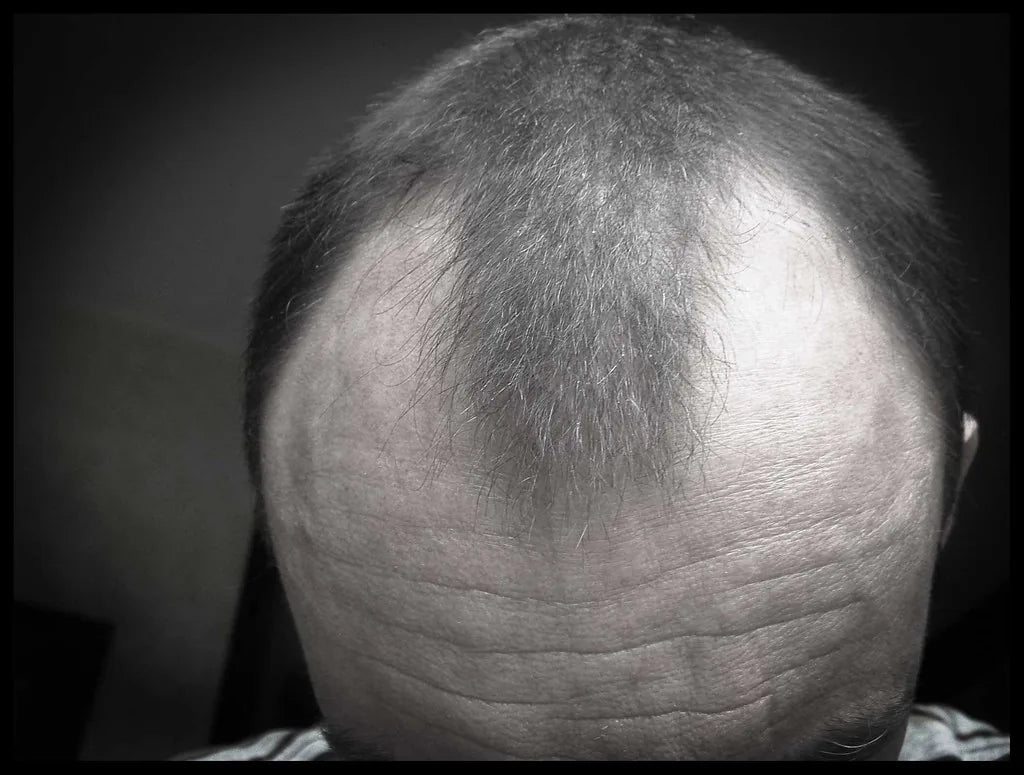
Hair loss is one of the most myth-saturated topics in men's health. From "wearing hats causes baldness" to "only products with finasteride can regrow hair," misinformation keeps men confused, anxious, and - worst of all - taking no action when evidence-based treatments exist. Let's separate fact from fiction with actual science.
We'll debunk the most persistent hair loss myths and replace them with evidence-based facts. If you've been holding off on treatment because of something you heard that isn't true, this article is for you.
Why Hair Loss Myths Persist
Hair loss myths persist because pattern baldness is so common, visible, and emotionally charged. When something affects the majority of men, everyone develops theories. These theories get passed from fathers to sons, amplified on social media, and reinforced by confirmation bias. The result is a fog of misinformation that prevents men from understanding the real causes and pursuing effective treatment.
❌ Myth: Wearing Hats Causes Hair Loss
The Truth: Wearing hats does not cause hair loss. There is zero scientific evidence linking normal hat wearing to baldness. This myth likely persists because men who are self-conscious about thinning hair wear hats more often to cover it - creating a correlation (hats + thinning) that people mistake for causation.
The only theoretical scenario where a hat could affect hair is if it were so tight it restricted blood flow for extended periods. Normal hat wearing - even daily - has no impact on follicle health. For a deep dive, read our full article on hats and hair loss.
❌ Myth: Shampooing Too Often Causes Hair Loss
The Truth: Regular shampooing does not cause hair loss. The hairs you see in the shower drain are telogen (resting phase) hairs that were already detached and would have fallen out regardless. Shampooing simply dislodges them sooner.
In fact, not washing your hair enough can be worse for hair health. Sebum buildup traps DHT at the scalp surface, increasing follicle exposure to the hormone that drives pattern baldness. Regular cleansing with a Laser Cap actually supports hair health by removing this harmful buildup. For more, see our article on shampooing and hair loss.
❌ Myth: Hair Loss Only Comes from Your Mother's Side
The Truth: While the primary androgen receptor gene is on the X chromosome (inherited from your mother), hair loss is influenced by over 200 genetic markers across multiple chromosomes from both parents. A 2017 study in PLOS Genetics analyzing 52,000+ men confirmed that baldness is a polygenic trait with significant contributions from paternal genes as well.
Your father's hair is equally predictive. If both sides of your family show hair loss, proactive treatment becomes even more important. Read our detailed genetics guide for more.
❌ Myth: High Testosterone Causes Baldness
The Truth: Baldness is not caused by having too much testosterone. Many bald men have normal testosterone levels, and many men with high testosterone have full heads of hair. What matters is how your follicles respond to DHT (a testosterone derivative), which is genetically determined.
The confusion arises because DHT is made from testosterone. But the issue isn't testosterone levels - it's follicle sensitivity to DHT. This is why systemic testosterone-lowering approaches are not used for hair loss, and why topical DHT blockers that target the scalp directly are the science-backed approach. See our full breakdown on testosterone and hair loss.
❌ Myth: Only Prescription Drugs Can Regrow Hair
The Truth: This is perhaps the most harmful myth because it stops men from trying effective non-prescription treatments. While finasteride and minoxidil were the gold standard for decades, modern non-prescription approaches - including LED therapy, laser therapy, and topical growth factors - now have substantial clinical evidence supporting their effectiveness.
A 2013 study showed laser therapy combined with topical treatment outperformed topical treatment alone by 4:1 in hair count improvements. Multiple meta-analyses confirm red light therapy at 660nm significantly increases hair density. Topical caffeine has been shown to counteract DHT's effects on hair follicles at the cellular level.
The future of hair restoration is combination therapy - using multiple non-prescription treatments that work through different mechanisms. No prescription needed, no doctor visits required, no systemic side effects. The science-backed approach without pharmaceutical risks is now a viable reality. The Regrowthy Laser Therapy Cap brings these modalities together in one protocol.
✅ What Actually Causes Hair Loss (and What Works)
Here's what science actually tells us:
- Primary cause: DHT acting on genetically susceptible follicles (androgenic alopecia)
- Contributing factors: Stress, nutritional deficiencies, poor scalp health, inflammation, poor sleep
- What works: DHT blocking (topical), red light therapy (LED caps), laser therapy (stamps), laser caps (caffeine + biotin), proper nutrition
- Key principle: Multi-modal combination therapy outperforms any single treatment
Don't let myths keep you from taking action. The evidence for non-prescription, multi-modal hair restoration is stronger than ever. Take our quiz to get a personalized recommendation based on your specific situation.
From the routine
Mentioned in this article


Common questions
Frequently asked questions
Does creatine cause hair loss?+
Does masturbation cause hair loss?+
Can cold showers help hair growth?+
Is hair loss getting more common?+
The Regrowthy System
Ready to start regrowing at home?
Hands-free. Non-prescription. 660nm clinical wavelength, backed by a 30-day guarantee.
Continue Reading
Hair Loss Science
Understanding Male Pattern Baldness: The Complete Guide
12 min read
Hair Loss Science
How DHT Causes Hair Loss (And How to Block It)
11 min read
Myths & Facts
Does Wearing Hats Cause Hair Loss? The Science Behind the Myth
6 min read
Myths & Facts