Lifestyle & Wellness
How Sleep Affects Hair Growth: The Overnight Recovery Window
Your follicles do their heavy lifting while you sleep. Growth hormone peaks, cortisol drops, and cellular repair accelerates. Here's how to optimize your overnight hair growth window.
Updated January 20, 2026
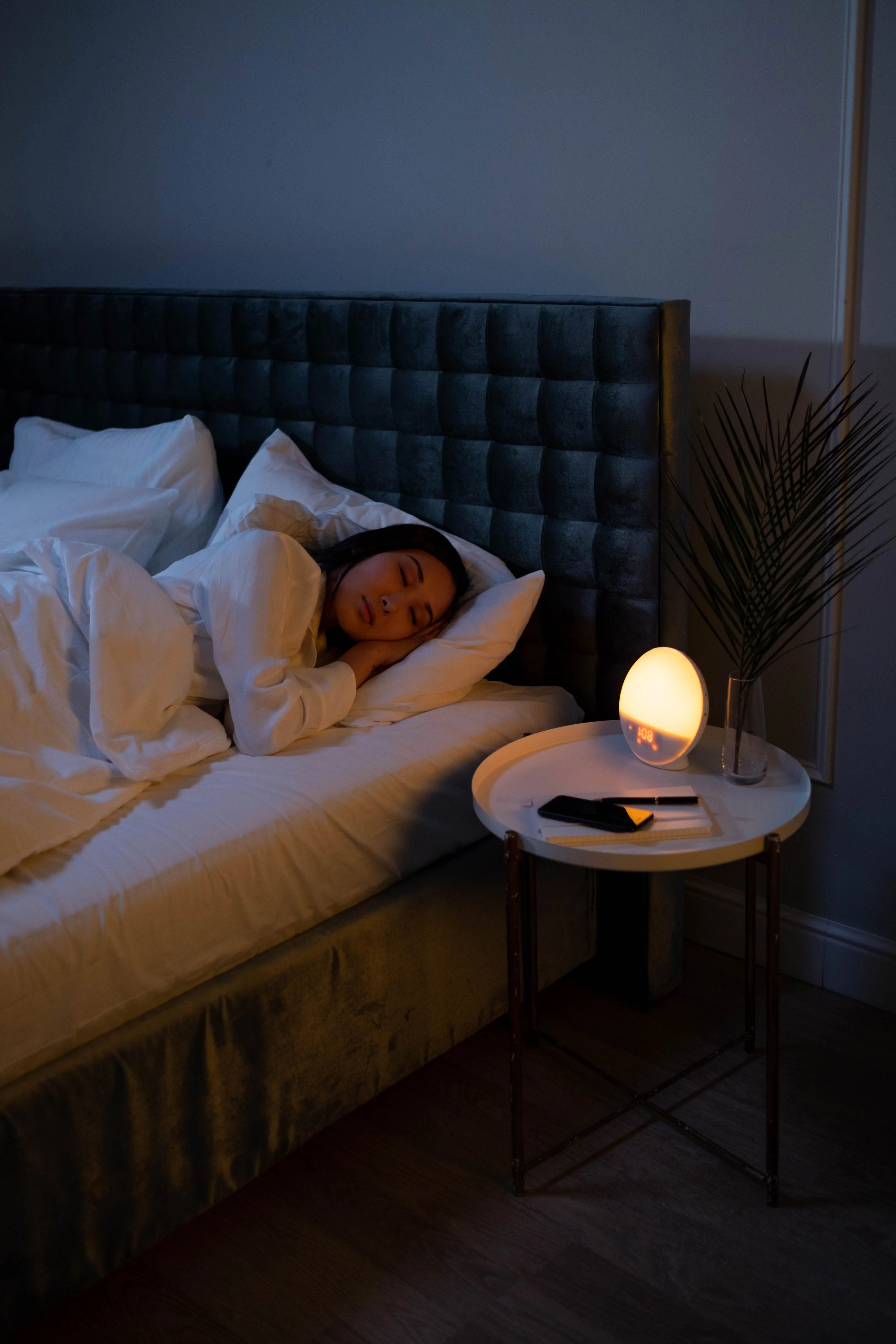
Sleep isn't passive - it's when your body shifts into repair and growth mode. For hair follicles, the overnight hours are critical: growth hormone secretion peaks, cortisol drops to its lowest levels, blood flow to the scalp increases, and cellular division in the hair matrix accelerates. Poor sleep doesn't just make you tired - it directly impairs hair growth.
Growth Hormone: The Overnight Hair Builder
Human growth hormone (HGH) is released in pulses during deep sleep (stages 3-4 NREM), with the largest pulse occurring within the first 90 minutes of falling asleep. HGH stimulates:
- Cell proliferation in the hair matrix (where new hair cells are produced)
- Protein synthesis, including keratin production
- IGF-1 release, which directly promotes hair follicle growth
- Tissue repair and regeneration throughout the scalp
Sleep less than 6 hours and you lose a significant portion of this growth hormone release. The follicle cells that should be rapidly dividing overnight slow down.
The Cortisol Reset
Cortisol follows a circadian rhythm: it peaks in early morning (waking you up) and drops to its lowest point around midnight during deep sleep. This nightly cortisol trough gives follicles a recovery window from stress-induced inflammation. Poor sleep disrupts this rhythm, keeping cortisol elevated overnight and denying follicles their recovery period.
The Cellular Repair Window
During sleep, your body increases blood flow to the skin and scalp (this is why your face looks more flushed in the morning). This increased blood flow delivers nutrients and oxygen to follicles exactly when cellular repair is most active.
This is also why an evening laser therapy cap session works well - follicles receive stimulation right before peak cellular activity and blood flow, maximizing its effectiveness.
What Sleep Deprivation Does to Hair
- Reduces growth hormone by up to 70% (just one night of short sleep)
- Elevates cortisol, promoting telogen effluvium
- Increases inflammatory markers that damage follicle microenvironment
- Impairs nutrient absorption and metabolism
- Disrupts thyroid function (thyroid disorders cause hair loss)
- Weakens immune regulation (relevant for autoimmune hair loss)
Sleep Optimization for Hair Growth
- Target 7-9 hours. Consistently. Weekend catch-up doesn't fully compensate for weekday deficits.
- Consistent schedule. Go to bed and wake at the same times daily. This regulates circadian cortisol rhythm.
- Cool bedroom. 65-68°F (18-20°C) optimizes deep sleep duration.
- Dark environment. Use blackout curtains. Even small amounts of light reduce melatonin and growth hormone release.
- No screens 1 hour before bed. Blue light suppresses melatonin by up to 50%.
- Evening hair care routine. Use your laser therapy cap after your last screen check - it becomes a sleep-promoting ritual.
- Avoid caffeine after 2pm. Caffeine has a 6-hour half-life. Afternoon coffee disrupts sleep architecture even if you fall asleep fine.
From the routine
Mentioned in this article


Common questions
Frequently asked questions
Can sleeping on a silk pillowcase help hair?+
Does sleeping position affect hair growth?+
Is napping as good as nighttime sleep for hair?+
Should I apply hair products before bed?+
The Regrowthy System
Ready to start regrowing at home?
Hands-free. Non-prescription. 660nm clinical wavelength, backed by a 30-day guarantee.
Continue Reading

Lifestyle & Wellness
Stress and Hair Loss: The Science Behind Telogen Effluvium
9 min read
Hair Loss Science
The Hair Growth Cycle: Anagen, Catagen, Telogen
9 min read
Advanced Science
Circadian Rhythms and Hair Growth: Why Timing Matters
7 min read
Lifestyle & Wellness