Hair Loss Science
Understanding Male Pattern Baldness: The Complete Guide
A comprehensive guide to male pattern baldness covering genetics, DHT, the Norwood scale, and scientifically proven treatments that work.
Updated February 10, 2026

Male pattern baldness - clinically known as androgenic alopecia - affects roughly two-thirds of men by age 35 and up to 80% by age 50. If you've noticed your hairline creeping back or a thinning crown staring back at you in photos, you're far from alone. Understanding what's actually happening beneath the surface is the first step toward doing something about it.
This guide breaks down the science of male pattern baldness in plain language: what causes it, how to identify your stage, and - most importantly - what evidence-based treatments can slow, stop, or even reverse the process. No hype, no miracle claims. Just the facts.
Whether you're just starting to notice thinning or you've been dealing with hair loss for years, this article will give you a clear understanding of the condition and a roadmap for taking action.
What Is Male Pattern Baldness?
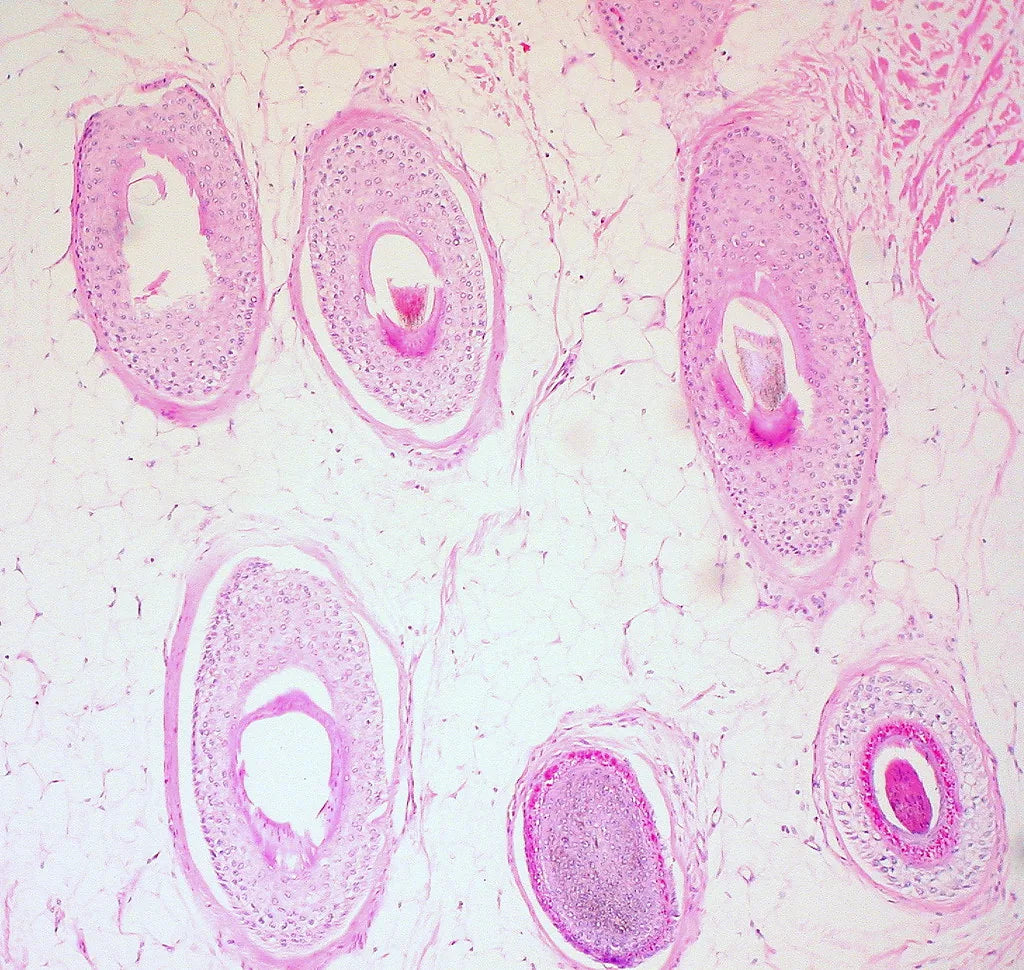
Male pattern baldness is a hereditary condition where hair follicles on the scalp gradually shrink - a process called follicle miniaturization. Over time, the affected follicles produce thinner, shorter, less pigmented hairs until they eventually stop producing visible hair altogether.
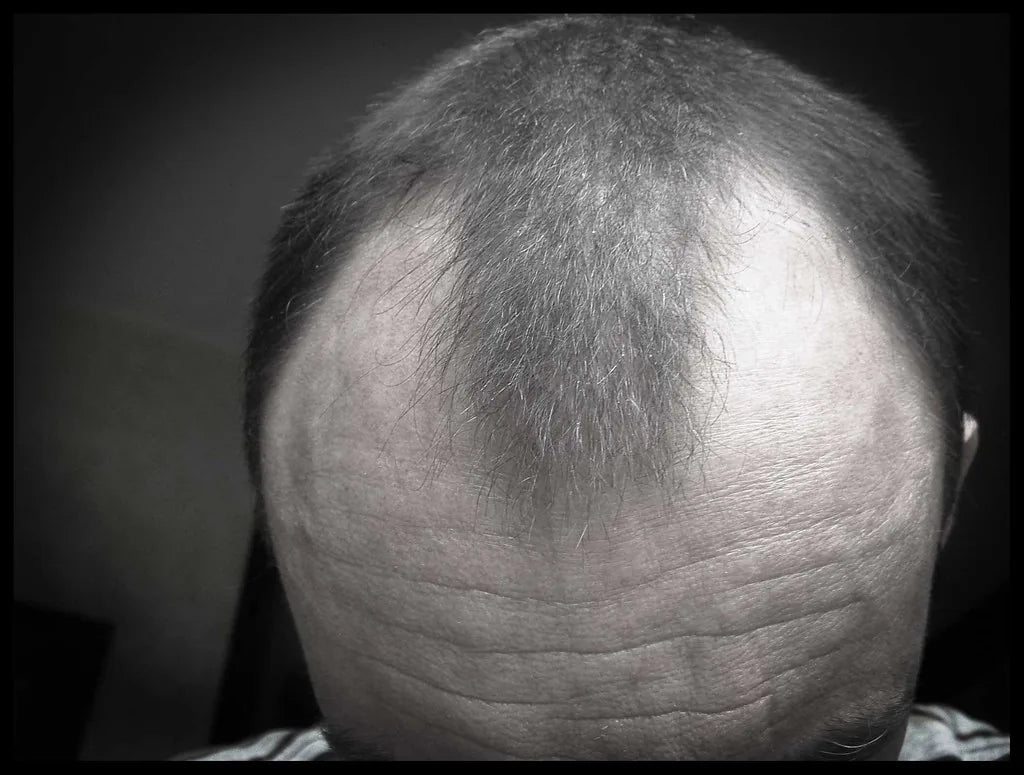
Unlike other forms of hair loss (such as telogen effluvium, which causes temporary diffuse shedding), male pattern baldness follows a predictable pattern. It typically starts at the temples and crown, gradually progressing to create the characteristic "M" shape or horseshoe pattern.
The condition is driven by a hormone called dihydrotestosterone (DHT) acting on genetically susceptible hair follicles. It's important to understand that this isn't about having "too much testosterone" - it's about how your follicles respond to normal hormone levels. We'll explore the DHT mechanism in detail below.
How Common Is It?
Androgenic alopecia is the most common form of hair loss in men. According to the American Hair Loss Association, approximately 25% of men begin experiencing thinning hair before age 21. By age 35, about 66% show some degree of hair loss, and by age 50, roughly 85% of men have significantly thinner hair than they did in their youth.
These numbers tell an important story: if you're losing hair, you're in the vast majority. The stigma around hair loss doesn't match how universal the experience actually is.
📊Key Statistic
By age 50, approximately 85% of men experience significant hair thinning. Early intervention with a multi-modal approach gives the best results.
The Role of DHT in Hair Loss
Dihydrotestosterone (DHT) is the primary hormonal driver of male pattern baldness. DHT is created when the enzyme 5-alpha reductase converts testosterone into DHT. This conversion happens in various tissues throughout the body, including the scalp.
When DHT binds to androgen receptors in genetically susceptible hair follicles, it triggers a gradual shrinking process. The growth phase (anagen) of affected follicles becomes progressively shorter, while the resting phase (telogen) becomes longer. Each new hair cycle produces a thinner, weaker hair until the follicle can no longer produce visible hair.
The crucial point is that DHT doesn't affect all follicles equally. The follicles on the top and front of the scalp have more androgen receptors and are therefore more vulnerable. This is why hair at the sides and back of the head - which has fewer androgen receptors - typically remains even in advanced baldness.
Blocking DHT Without Prescription Drugs
While prescription drugs like finasteride block DHT systemically (throughout the entire body), this approach carries significant risks including sexual side effects that affect up to 15-20% of users. Modern topical DHT-blocking approaches target DHT at the scalp level, reducing follicle exposure without systemic hormonal disruption.
Natural DHT blockers like saw palmetto, caffeine, and ketoconazole applied topically through Laser Caps and laser caps can provide meaningful DHT reduction at the follicle level. A 2012 study in the International Journal of Immunopathology and Pharmacology found that topical saw palmetto extract reduced DHT levels in scalp tissue by up to 32%.
Genetics and Hair Loss
The genetics of male pattern baldness are more complex than the popular myth that "it comes from your mother's side." While the androgen receptor gene is located on the X chromosome (which you inherit from your mother), research has identified over 200 genetic loci associated with hair loss across multiple chromosomes.
A landmark 2017 study published in PLOS Genetics analyzed over 52,000 male participants and confirmed that baldness is a polygenic trait - meaning it's influenced by many genes from both parents. Your father's hair loss pattern is just as relevant as your maternal grandfather's.
The good news is that having a genetic predisposition doesn't mean hair loss is inevitable or untreatable. Genetics load the gun, but environment and proactive treatment pull the trigger. Men who begin treatment early - particularly with combination approaches that address multiple pathways - consistently achieve better outcomes than those who wait. For a deeper dive, read our article on hair loss genetics.
The Norwood Scale Explained
The Norwood-Hamilton scale is the standard classification system for male pattern baldness. It categorizes hair loss into seven stages, from minimal recession (Stage 1) to complete baldness on top (Stage 7). Understanding where you fall on this scale helps determine the most effective treatment approach.
- Stage 1: No significant hairline recession. Full head of hair.
- Stage 2: Slight recession at the temples, creating a mild "M" shape. Often the first noticeable sign.
- Stage 3: Deeper temple recession. This is typically when men first seek treatment. Best time to start a prevention protocol.
- Stage 3 Vertex: Stage 3 recession plus thinning at the crown (vertex).
- Stage 4: More significant hairline recession and crown thinning. A band of hair still separates the two areas.
- Stage 5: The bridge of hair between hairline and crown narrows significantly.
- Stage 6: The bridge is lost; hairline and crown areas merge into one large bald region.
- Stage 7: Only a band of hair around the sides and back remains.
💡Pro Tip
Treatment is most effective at Norwood stages 2-5. At these stages, follicles are miniaturized but still alive and can potentially be reactivated with consistent treatment. Take our quiz to identify your stage and get a personalized recommendation.
Early Signs to Watch For
Catching male pattern baldness early dramatically improves treatment outcomes. Here are the signs to watch for:
- Receding hairline: Your temples begin to move backward, especially noticeable when hair is wet or pulled back.
- Thinning crown: A widening part line or visible scalp through hair at the vertex.
- Increased shedding: Finding more hair on your pillow, in the shower drain, or on your hands after running them through your hair. Note: losing 50-100 hairs daily is normal.
- Finer hair texture: Hair in affected areas becomes progressively thinner and more wispy - a sign of follicle miniaturization in progress.
- Slower growth: Hair in affected areas takes longer to grow back after cutting.
If you notice multiple signs, don't panic - but do take action. The earlier you begin a comprehensive treatment protocol, the more hair you'll be able to preserve and regrow. Starting treatment at Norwood 2-3 consistently delivers the best results.
Treatment Options That Actually Work
Not all hair loss treatments are created equal. Here's an evidence-based overview of what the science supports:
Red Light Therapy (Photobiomodulation)
Red light therapy at the 660nm wavelength stimulates mitochondrial function in hair follicle cells, increasing ATP production and promoting cell proliferation. A 2014 meta-analysis in the American Journal of Clinical Dermatology confirmed significant increases in hair density with consistent use. Full-coverage LED caps provide the best scalp coverage compared to handheld laser combs, ensuring consistent treatment across all affected areas. The Regrowthy Laser Therapy Cap uses 200+ medical-grade 660nm diodes for complete scalp coverage.
Laser Therapy
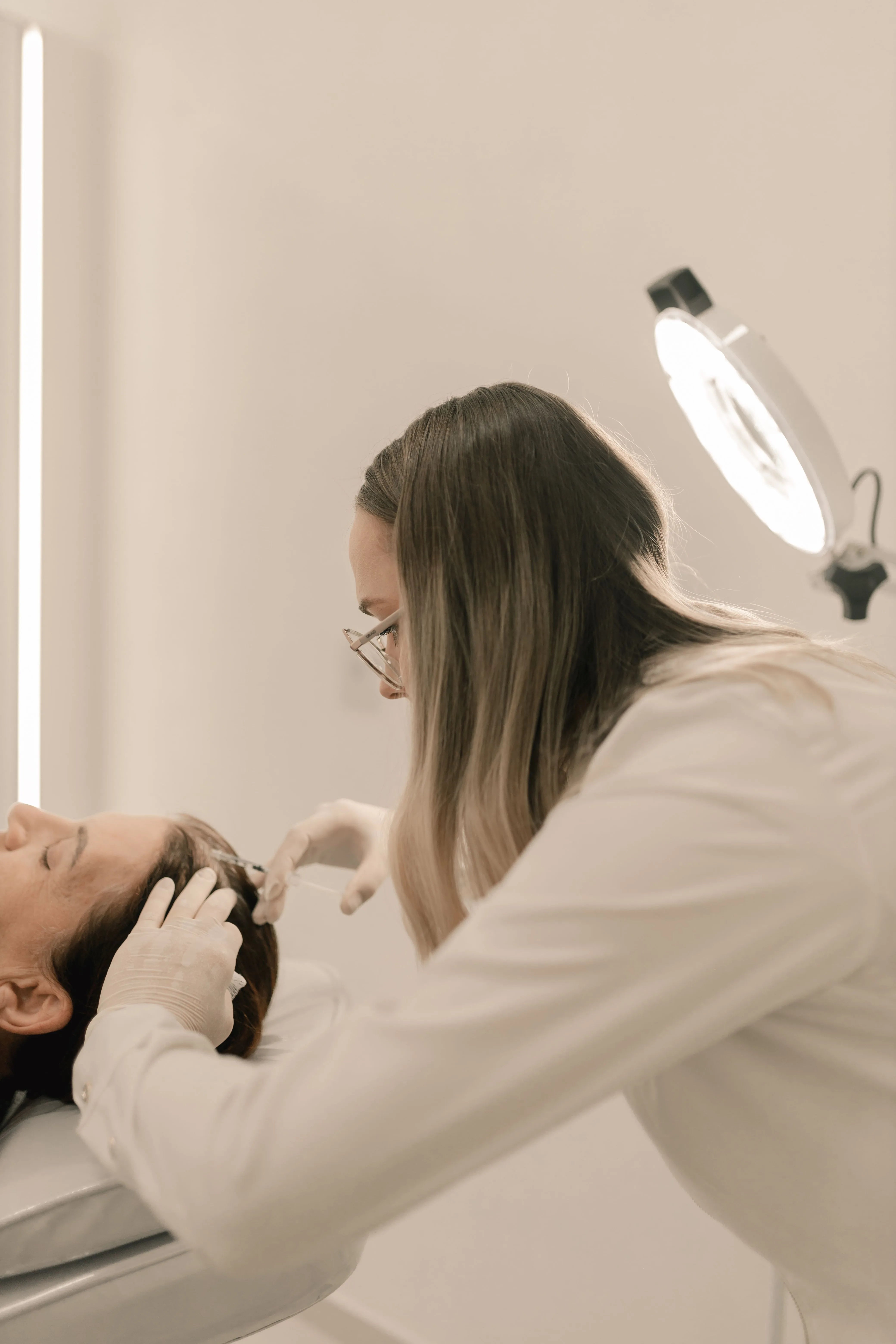
Laser therapy triggers the wound-healing response, releasing growth factors (VEGF, PDGF) that stimulate dormant follicles. A landmark 2013 study by Dhurat et al. showed that laser therapy combined with topical treatment resulted in significantly greater hair regrowth than topical treatment alone. Laser therapy stamps create vertical needle entry, reducing trauma compared to the dragging motion of rollers - which is why professional dermatologists prefer stamps over rollers for scalp treatments.
Topical DHT Blockers & laser caps
Caffeine-based laser caps block DHT at the follicle level while stimulating hair shaft elongation. A 2007 study in the International Journal of Dermatology demonstrated that caffeine counteracted testosterone-driven hair follicle suppression. Combined with biotin peptides, these serums provide nutrients directly to follicle cells without the systemic side effects associated with prescription drugs like finasteride.
The Multi-Modal Advantage
Single-ingredient solutions rarely work alone. The most effective approach combines multiple evidence-based treatments that work through different mechanisms. LED therapy enhances blood flow and cellular energy, laser therapy releases growth factors and increases serum absorption by up to 200%, and topical treatments block DHT while nourishing follicles. This is why professional protocols use multiple modalities - and why combination therapy consistently outperforms single-product approaches in clinical studies. The Regrowthy Laser Therapy Cap was designed around this multi-modal principle.
Can You Prevent Male Pattern Baldness?
While you can't change your genes, you can change how aggressively those genes express themselves. Proactive prevention is significantly more effective than trying to regrow hair that's already been lost for years.
The best prevention strategy combines: consistent scalp care with Laser Caps, regular red light therapy to keep follicles energized, periodic laser therapy to maintain growth factor production, and daily application of laser caps with caffeine and biotin to block DHT and nourish follicles at the topical level.
Men who begin a preventive protocol in their 20s at the first signs of thinning have the highest success rates. The key is consistency - these treatments work cumulatively over time, and the earlier you start, the more hair you preserve.
From the routine
Mentioned in this article


Common questions
Frequently asked questions
At what age does male pattern baldness typically start?+
Can male pattern baldness be reversed?+
Is male pattern baldness inherited from the mother or father?+
Do I need finasteride to treat male pattern baldness?+
How long does it take to see results from hair loss treatment?+
The Regrowthy System
Ready to start regrowing at home?
Hands-free. Non-prescription. 660nm clinical wavelength, backed by a 30-day guarantee.
Continue Reading