Hair Loss Science
Red Light Therapy for Hair Growth: The 660nm Science
The science behind red light therapy at 660nm wavelength: how photobiomodulation stimulates hair follicles and what clinical studies show.
Updated February 1, 2026
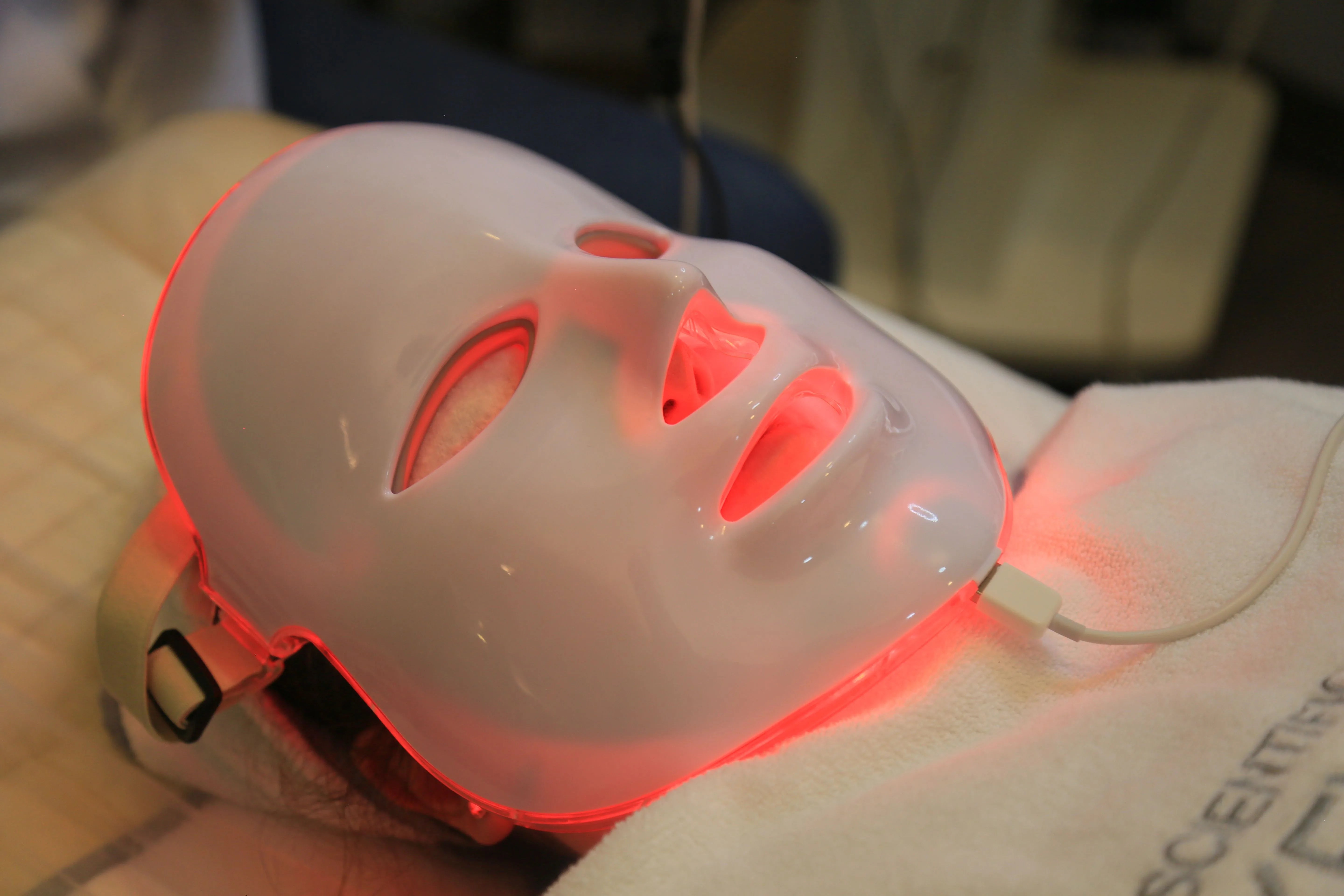
Red light therapy - scientifically known as photobiomodulation (PBM) - has become one of the most well-researched non-invasive treatments for hair loss. By delivering specific wavelengths of red light to the scalp, this technology stimulates cellular energy production in hair follicles, promoting growth without drugs, side effects, or surgery. Here's the complete science behind why it works and how to use it effectively.
Of all the wavelengths studied for hair growth, 660nm has consistently demonstrated the strongest results. Understanding why requires a look at what happens at the cellular level when red light penetrates the scalp.
What Is Red Light Therapy?
Red light therapy uses specific wavelengths of visible red and near-infrared light (typically 620-850nm) to stimulate biological processes at the cellular level. The therapy has been used clinically for wound healing, pain reduction, and skin rejuvenation for decades, and its application for hair growth is backed by a growing body of clinical evidence.
For hair growth specifically, the 660nm wavelength has emerged as optimal. This wavelength penetrates the scalp to a depth of approximately 3-5mm - precisely the depth where hair follicle stem cells reside in the bulge region. At this depth, the light energy is absorbed by a specific enzyme in the mitochondria called cytochrome c oxidase, triggering a cascade of beneficial cellular responses.
Unlike UV light (which damages cells), red light at therapeutic doses energizes cells without causing thermal damage or oxidative stress. It's completely non-invasive, painless, and has no known significant side effects - making it one of the safest treatment options available for hair loss.
How 660nm Light Stimulates Hair Growth
The mechanism of photobiomodulation for hair growth involves several interconnected pathways:
Mitochondrial Activation and ATP Production
When 660nm photons reach the mitochondria of follicle cells, they are absorbed by cytochrome c oxidase (Complex IV in the electron transport chain). This absorption dissociates inhibitory nitric oxide from the enzyme, reactivating it and accelerating the electron transport chain. The result is a significant increase in ATP (adenosine triphosphate) - the cell's primary energy currency.
More ATP means more energy for cell division, protein synthesis, and all the metabolic processes required for active hair growth. Research shows ATP production can increase by up to 200% with optimal red light dosing. For a deep dive, read our article on how mitochondrial function drives hair follicle energy.
Increased Blood Flow
Red light therapy releases nitric oxide from cells, which acts as a powerful vasodilator. This increases blood flow to the scalp, improving delivery of oxygen and nutrients to hair follicles. Enhanced circulation also aids in removing waste products and inflammatory mediators that can damage follicles.
Growth Factor Stimulation
Studies show that red light therapy upregulates production of growth factors critical for hair cycling, including vascular endothelial growth factor (VEGF), hepatocyte growth factor (HGF), and insulin-like growth factor (IGF-1). These signals help extend the anagen phase and can nudge dormant follicles back into active growth.
Anti-Inflammatory Effects
Chronic perifollicular inflammation is a significant contributor to hair loss. Red light therapy reduces inflammatory markers including TNF-α and IL-6, creating a healthier scalp environment for hair growth. This anti-inflammatory effect complements DHT blocking, which also reduces follicular inflammation.
Clinical Evidence and Studies
The evidence for red light therapy in hair growth is substantial and continues to grow:
"A 2014 meta-analysis published in Lasers in Surgery and Medicine analyzed 11 randomized controlled trials including 680 patients and concluded that LLLT is an effective treatment for both men and women with androgenetic alopecia, demonstrating significant increases in hair density." - Jimenez et al., Lasers Surg Med, 2014 (PMID: 24474647)
Additional key studies include:
- Avci et al. (2013): Subjects using a 655nm device showed a 39% increase in hair growth over 16 weeks versus sham control. Published in Photomedicine and Laser Surgery. (PMID: 24385228)
- Kim et al. (2013): 660nm LED treatment resulted in significantly increased hair density and thickness in both men and women with androgenetic alopecia after 24 weeks.
- Lanzafame et al. (2013): A 655nm LED device increased hair count by an average of 35% in 41 male subjects over 16 weeks in a double-blind, sham-controlled trial.
💡Key Finding
Clinical studies consistently show 25-40% improvement in hair count with consistent red light therapy at 655-660nm over 16-24 weeks. Results improve further when combined with laser therapy and topical treatments.
LED Caps vs. Laser Combs: Why Caps Win
Not all red light therapy devices are created equal. The two main categories are LED caps (full-coverage devices worn on the head) and laser combs (handheld devices manually moved across the scalp). The differences are significant:
| Feature | LED Caps | Laser Combs |
|---|---|---|
| Scalp Coverage | 100% (full scalp) | 20-30% per session |
| Hands-Free | Yes - wear while working | No - requires manual combing |
| Consistency | Even light distribution | Uneven - depends on technique |
| LED/Diode Count | 200-300+ | 7-15 |
| Session Time | 15-20 minutes | 20-30 minutes |
| Compliance Rate | High (set and forget) | Low (tedious manual process) |
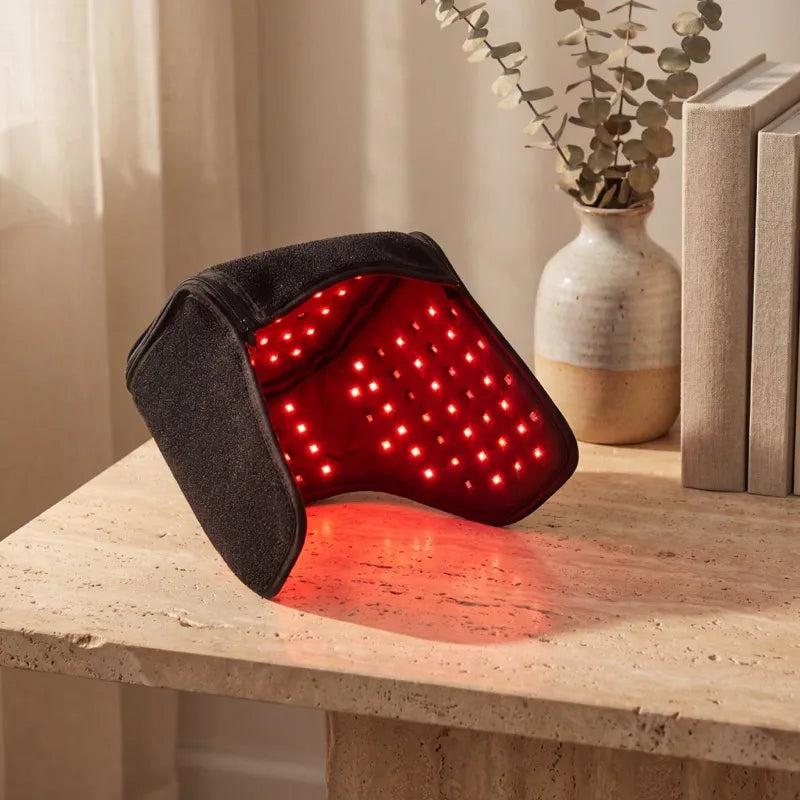
Full-coverage LED caps provide significantly better scalp coverage than handheld laser combs. With 200+ diodes delivering consistent 660nm light across the entire scalp, caps ensure every area receives therapeutic doses without relying on your ability to manually comb evenly. The hands-free design also makes it easy to maintain consistency - arguably the most important factor for results. The Regrowthy Laser Therapy Cap features 200+ medical-grade 660nm diodes with full scalp coverage and a built-in timer.
Optimal Protocol for Results
Based on clinical research and our experience with thousands of customers, here's the optimal red light therapy protocol:
- Frequency: 3-4 sessions per week (every other day is ideal)
- Duration: 15-20 minutes per session
- Wavelength: 660nm (visible red) - clinically proven optimal for follicle stimulation
- Minimum commitment: 12 weeks for initial visible results; 6+ months for maximum benefit
- Best time: Consistent timing helps build habit; many users prefer evening while relaxing
For a detailed week-by-week protocol, see our month-by-month regrowth timeline.
Combining with Other Treatments
Red light therapy is powerful on its own, but its effectiveness multiplies when combined with complementary treatments. Clinical research shows that multi-modal approaches consistently outperform single treatments:
- LED + laser cap: Red light increases blood flow and skin permeability, enhancing serum absorption by up to 200%. Apply laser cap immediately after your LED session.
- LED + laser therapy: Laser therapy creates targeted energy that allows deeper light penetration, while red light enhances the wound-healing response. Use laser therapy 1-2 times per week, with LED sessions on alternate days.
- LED + Laser Cap: Clean, DHT-free scalp optimizes the treatment environment for LED therapy.
This is why professional hair restoration protocols use multiple modalities. The Regrowthy Laser Therapy Cap was designed to provide exactly this synergistic combination: LED therapy, laser therapy, laser cap, and Laser Cap working together for maximum results.
From the routine
Mentioned in this article
Common questions
Frequently asked questions
Is red light therapy safe for daily use?+
How long before I see results from red light therapy?+
Does the number of LEDs matter in a cap?+
Can red light therapy regrow hair on completely bald areas?+
The Regrowthy System
Ready to start regrowing at home?
Hands-free. Non-prescription. 660nm clinical wavelength, backed by a 30-day guarantee.
Continue Reading
Advanced Science
Nitric Oxide and Scalp Blood Flow: Vascular Keys to Hair Growth
7 min read
Advanced Science
Mitochondrial Function and Hair Follicle Health: The Energy Connection
7 min read
Treatment Guides
Multi-Modal Hair Loss Treatment: Why Combining Works Best
11 min read
Results & Progress