Lifestyle & Wellness
The Best Diet for Hair Growth: Foods That Feed Your Follicles
Your follicles are built from what you eat. Here are the specific nutrients, foods, and dietary patterns that science shows support stronger, faster-growing hair.
Updated January 15, 2026
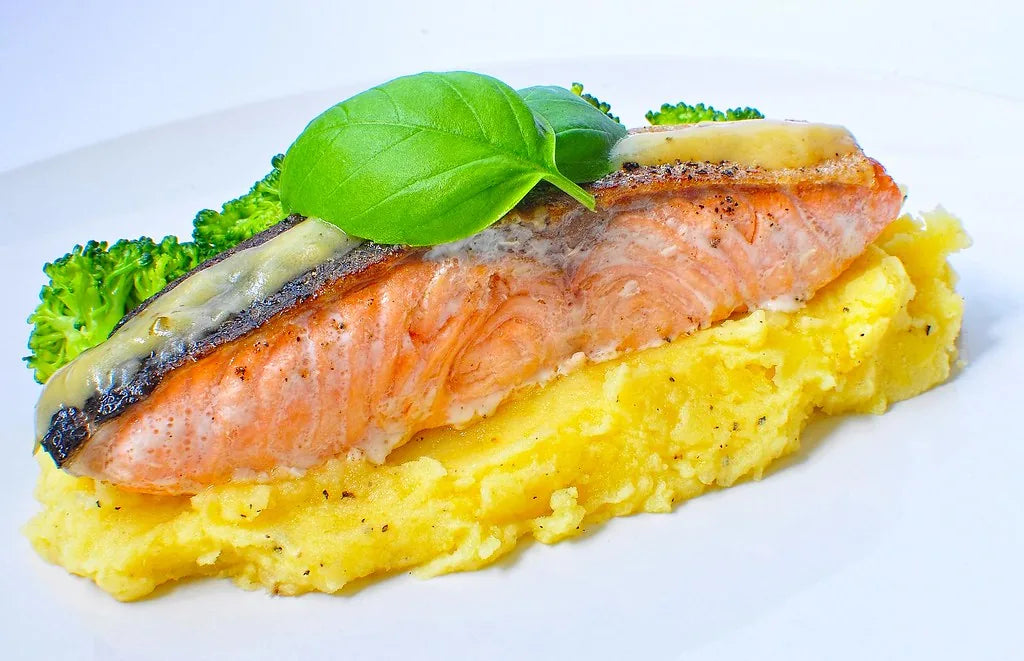
Hair is 95% keratin protein, synthesized by some of the fastest-dividing cells in your body. These cells have enormous nutritional demands. When diet falls short - even subtly - hair is the first thing your body de-prioritizes. Your body will always choose vital organs over vanity.
This guide covers the specific nutrients your follicles need, the best food sources for each, and a practical eating pattern that supports optimal hair growth.
Protein: The Foundation of Every Hair Strand
Hair is literally made of protein. Without adequate protein intake, your body reduces hair production to conserve amino acids for more critical functions. Research shows that protein deficiency is one of the most common dietary causes of hair thinning.
- How much: 0.8-1.2g per kg of body weight daily. For a 170lb (77kg) person, that's 62-92g per day.
- Best sources: Eggs (also provide biotin), salmon (protein + omega-3), chicken breast, Greek yogurt, lentils, and quinoa.
- Key amino acids: Cysteine (forms disulfide bonds in keratin), methionine (essential for keratin synthesis), lysine (aids iron and zinc absorption).
🥚The Perfect Hair Food
Eggs are arguably the single best food for hair growth. One egg provides: 6g complete protein, 10mcg biotin (33% DV), iron, zinc, selenium, vitamin D, and B12 - nearly every nutrient your follicles need, in a single package.
Iron and Ferritin
Iron is essential for oxygen transport to follicles. Low ferritin (stored iron) is one of the most common findings in women with unexplained hair shedding. Even without clinical anemia, suboptimal ferritin levels (below 40 ng/mL) can impair hair growth.
- Heme iron (best absorbed): Red meat, liver, dark poultry meat, oysters.
- Non-heme iron: Spinach, lentils, fortified cereals, pumpkin seeds.
- Absorption tip: Pair iron-rich foods with vitamin C (bell peppers, citrus, tomatoes) to increase absorption by 2-3x. Avoid drinking tea or coffee within 30 minutes of iron-rich meals.
Omega-3 Fatty Acids
Omega-3s nourish hair from the inside by reducing scalp inflammation, improving blood circulation, and enhancing the lipid layer around hair follicles.
- Best sources: Fatty fish (salmon, mackerel, sardines) 2-3 times weekly, walnuts, flaxseeds, chia seeds.
- Study highlight: A 2015 study in the Journal of Cosmetic Dermatology found that omega-3 supplementation significantly improved hair density and reduced telogen percentage after 6 months.
Zinc and Selenium
Zinc is critical for DNA replication in rapidly dividing follicle cells and for keratin protein synthesis. Zinc deficiency causes telogen effluvium.
- Best sources: Oysters (highest zinc content of any food), beef, pumpkin seeds, chickpeas, cashews.
- Target: 15-30mg daily from food and supplements combined.
Selenium supports thyroid function (thyroid issues are a major cause of hair loss) and acts as an antioxidant protecting follicles from oxidative stress.
- Best source: Brazil nuts - just 2-3 per day provides your entire daily selenium requirement.
- Caution: Don't over-supplement - excess selenium can actually cause hair loss.
Key Vitamins for Hair
- Vitamin D: Deficiency is linked to alopecia areata and telogen effluvium. Get 15-20 min of sun exposure daily, or supplement with 2,000-5,000 IU. Food sources: fortified dairy, egg yolks, fatty fish.
- Biotin (B7): Supports keratin infrastructure. Deficiency causes brittle hair. Food sources: eggs, almonds, sweet potatoes, avocado.
- Vitamin C: Essential for collagen production (supports follicle structure) and iron absorption. Sources: bell peppers, citrus, strawberries, broccoli.
- Vitamin A: Supports sebum production for scalp moisture. Sources: sweet potatoes, carrots, spinach. Caution: excess vitamin A can cause hair loss.
Foods That Hurt Hair Growth
- High-sugar foods: Spike insulin, which can increase androgens and worsen DHT-driven hair loss.
- Alcohol: Depletes zinc, dehydrates, disrupts hormone balance, and impairs nutrient absorption.
- Crash diets: Severe caloric restriction triggers telogen effluvium. Your body treats starvation as a stressor.
- Trans fats and highly processed foods: Promote inflammation, which damages the follicle environment.
Sample Day of Hair-Healthy Eating
| Meal | Example |
|---|---|
| Breakfast | 3-egg omelet with spinach + hair supplements |
| Snack | Greek yogurt with walnuts and berries |
| Lunch | Grilled salmon with quinoa, bell peppers, and avocado |
| Snack | Handful of pumpkin seeds + 2 Brazil nuts |
| Dinner | Chicken stir-fry with broccoli, sweet potato, lentils |
This sample day provides approximately 90g protein, adequate iron, zinc, omega-3s, biotin, and all key vitamins for hair growth - all from whole foods. Pair this dietary foundation with targeted supplementation to fill any gaps and ensure consistent therapeutic doses of critical nutrients.
From the routine
Mentioned in this article

Common questions
Frequently asked questions
Can diet alone reverse hair loss?+
How long does it take for dietary changes to affect hair?+
Do I still need supplements if I eat well?+
Are there vegetarian/vegan options for hair nutrition?+
The Regrowthy System
Ready to start regrowing at home?
Hands-free. Non-prescription. 660nm clinical wavelength, backed by a 30-day guarantee.
Continue Reading

Lifestyle & Wellness
Water and Hair Growth: Does Hydration Actually Matter?
6 min read
Product Comparisons
Nutrafol vs Regrowthy: Premium Hair Supplements Compared
9 min read
Lifestyle & Wellness
Stress and Hair Loss: The Science Behind Telogen Effluvium
9 min read
Treatment Guides