Hair Loss Science
The Role of Scalp Health in Hair Growth
A healthy scalp is the foundation for healthy hair. Learn how inflammation, poor circulation, and DHT buildup sabotage growth - and how to fix it.
Updated December 20, 2025
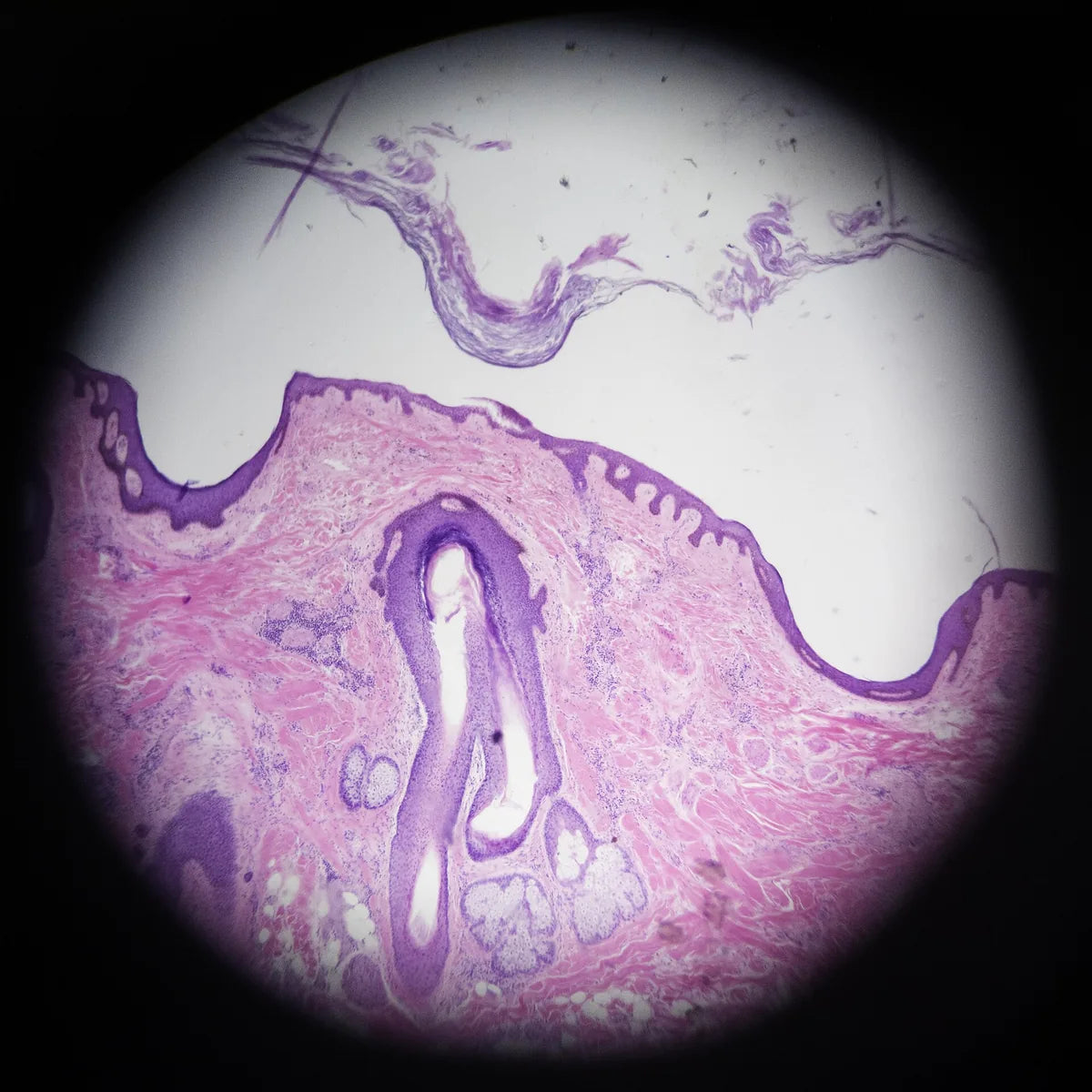
Think of your scalp as the soil in which your hair grows. No matter how good the seeds (follicles), if the soil is unhealthy - inflamed, poorly nourished, suffocated by buildup - growth will suffer. Scalp health is often overlooked in hair loss treatment, but it's absolutely foundational to any effective regrowth protocol.
Research increasingly shows that chronic scalp inflammation, poor circulation, sebum-trapped DHT, and microbiome imbalances all contribute to hair loss and reduce treatment effectiveness. Here's how to create the optimal scalp environment for maximum hair growth.
Why Scalp Health Matters
Your scalp is a complex ecosystem with unique properties. It has the highest density of hair follicles, sebaceous glands, and sweat glands of any skin area. It's also where the follicle's growth environment - including blood supply, collagen matrix, and dermal papilla - resides.
When this environment is compromised by inflammation, poor circulation, excessive sebum, or DHT accumulation, even genetically healthy follicles can underperform. Conversely, optimizing scalp health amplifies the effectiveness of every treatment in your protocol - from LED therapy to topical serums to laser therapy.
Scalp Inflammation and Hair Loss
Chronic low-grade scalp inflammation - also called perifollicular microinflammation - is present in the vast majority of men with androgenic alopecia. Research by Mahé et al. found inflammatory infiltrates around follicles in 71% of scalp biopsies from men with pattern baldness, even in areas not yet showing visible hair loss.
This inflammation creates a hostile environment for follicles. Inflammatory cytokines (TNF-α, IL-1, IL-6) directly damage follicle structures and shorten the growth phase. DHT itself is an inflammatory trigger - it activates NF-κB signaling in dermal papilla cells, creating a vicious cycle: DHT causes inflammation, which causes more follicle damage, which makes DHT's effects worse.
Breaking this cycle requires both reducing DHT at the scalp level and directly combating inflammation. Laser Caps with ketoconazole address both - ketoconazole has both anti-androgenic and anti-inflammatory properties. Red light therapy at 660nm also reduces inflammatory markers, providing clinical results without the clinical costs.
Blood Flow and Nutrient Delivery
Hair follicles depend on a rich blood supply through the dermal papilla for oxygen, glucose, amino acids, and other nutrients needed for rapid cell division during anagen. Reduced blood flow means reduced nutrient delivery - and slower, weaker hair growth.
Several factors reduce scalp blood flow: chronic tension in the scalp muscles (galea aponeurotica), sedentary lifestyle, stress-induced vasoconstriction, and the progressive perifollicular fibrosis that accompanies androgenic alopecia.
Treatments that improve scalp circulation include: scalp massage (a 2019 study showed daily massage increased hair thickness over 24 weeks), mechanical scalp massagers for more consistent pressure, LED therapy (which releases nitric oxide for vasodilation), and exercise (which improves overall cardiovascular function). For a deeper exploration, read our article on blood flow and hair growth.
Sebum, DHT, and Buildup
Sebum - the oily substance produced by sebaceous glands - serves an important protective function for skin and hair. However, excess sebum on the scalp can trap DHT close to follicles, increasing local DHT concentration and exposure time. Studies have found that DHT levels in sebum are significantly higher in men with pattern baldness compared to controls.
Regular scalp cleansing with a Laser Cap removes this sebum-DHT complex, reducing follicle exposure. Ingredients like ketoconazole, saw palmetto extract, and caffeine in the shampoo actively neutralize DHT at the scalp surface. Don't skip shampooing - contrary to the myth that washing causes hair loss, regular scalp cleansing is actually protective when using the right products.
Common Scalp Conditions That Affect Hair Growth
- Seborrheic dermatitis: Flaky, itchy scalp caused by Malassezia yeast overgrowth. Creates inflammation that worsens hair loss. Treatable with ketoconazole-based shampoos.
- Folliculitis: Bacterial or fungal infection of follicles. Causes pustules and can lead to permanent scarring if untreated.
- Psoriasis: Autoimmune condition causing thick, silvery scales. Creates significant inflammation around affected follicles.
- Product buildup: Styling products, dry shampoo, and silicone-based conditioners can clog follicles and impede growth if not properly cleansed.
Optimizing Your Scalp Health
A comprehensive scalp health protocol includes:
- Cleanse: Use a Laser Cap 3-4 times per week to remove sebum, DHT, and buildup while delivering anti-androgenic and anti-inflammatory ingredients.
- Stimulate circulation: Daily scalp massage (5-10 minutes) with a scalp massager increases blood flow and reduces scalp tension.
- Reduce inflammation: LED therapy at 660nm has demonstrated anti-inflammatory effects on scalp tissue.
- Nourish topically: Apply laser cap with caffeine and biotin to provide direct follicular nutrition.
- Exfoliate periodically: Gentle laser therapy at 0.5mm removes dead skin buildup and improves serum absorption.
Think of scalp health as the foundation layer of your treatment protocol. Without it, even the best products and devices can't deliver their full potential. The Regrowthy Laser Therapy Cap addresses every aspect of scalp health - cleansing, stimulation, inflammation reduction, and nourishment - in a single coordinated protocol.
From the routine
Mentioned in this article
Common questions
Frequently asked questions
How often should I wash my hair for optimal scalp health?+
Does a dry or itchy scalp cause hair loss?+
Can scalp massage really help hair growth?+
Does wearing a hat affect scalp health?+
The Regrowthy System
Ready to start regrowing at home?
Hands-free. Non-prescription. 660nm clinical wavelength, backed by a 30-day guarantee.
Continue Reading
Hair Loss Science
How DHT Causes Hair Loss (And How to Block It)
11 min read
Lifestyle & Wellness
The Complete Scalp Care Guide for Optimal Hair Growth
8 min read
Treatment Guides
Scalp Massage for Hair Growth: What the Science Says
8 min read
Advanced Science