Hair Loss Science
Does Stress Cause Hair Loss? The Connection
Stress doesn't just feel bad - it can literally push your hair follicles into a resting phase. Here's the science and what you can do about it.
Updated January 10, 2026
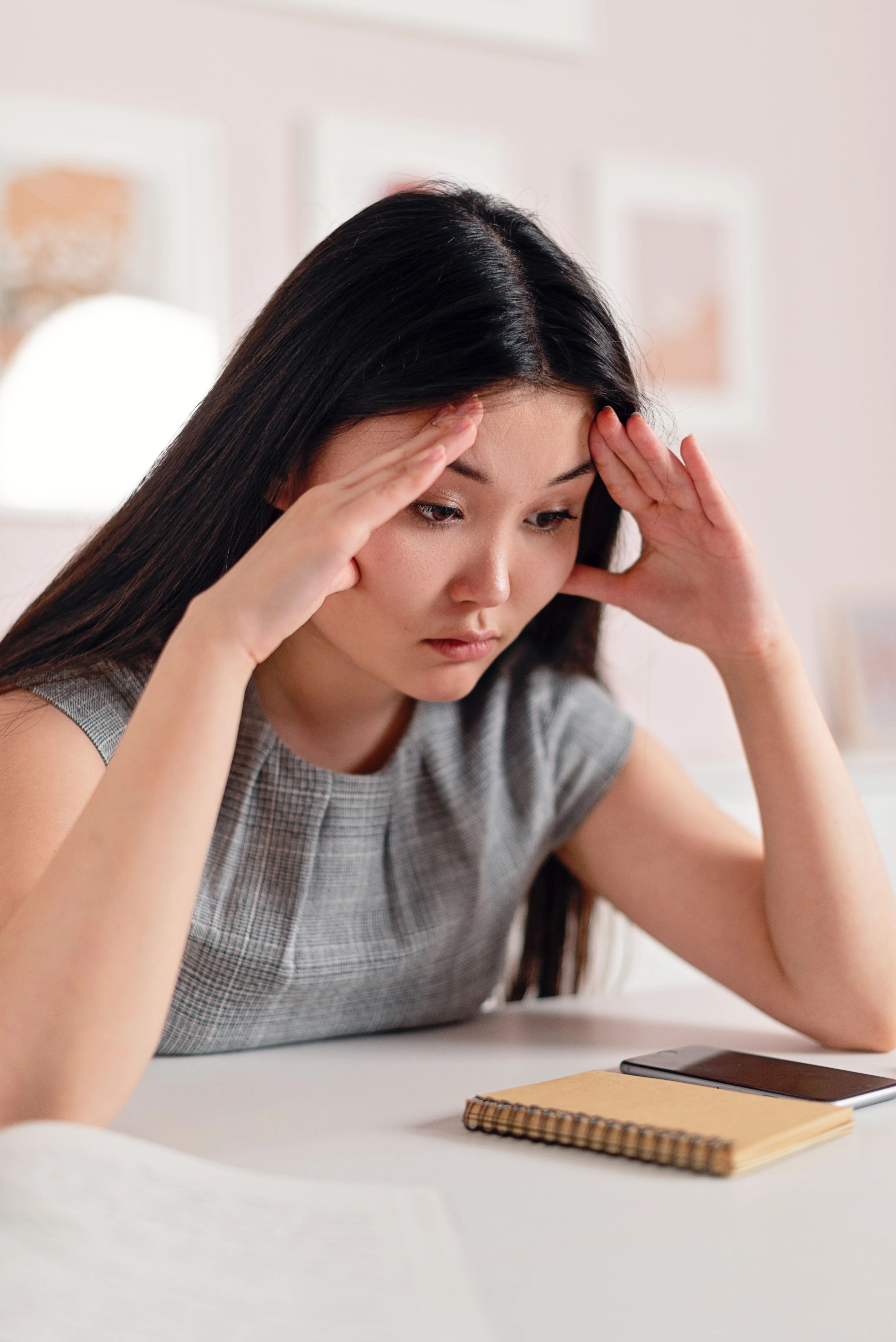
The connection between stress and hair loss isn't just anecdotal - it's backed by robust scientific research. A groundbreaking 2021 study published in Nature identified the precise mechanism by which stress hormones halt hair follicle growth, confirming what millions of men have experienced firsthand: severe stress can literally push your hair out.
Understanding this connection is important whether your primary concern is stress-related shedding, male pattern baldness, or both. Stress can trigger its own form of hair loss and also accelerate genetic hair loss. Here's the complete picture.
The Stress-Hair Loss Connection
When your body experiences significant stress - whether physical (illness, surgery, extreme dieting) or psychological (job loss, relationship issues, financial pressure) - it enters a survival mode that redirects resources away from non-essential functions. Hair growth falls squarely into the "non-essential" category.
The body's stress response, mediated primarily through the hypothalamic-pituitary-adrenal (HPA) axis, releases cortisol and other stress hormones that directly impact hair follicle cycling. A study by Choi et al. (Nature, 2021) discovered that the stress hormone corticosterone (cortisol in humans) prolongs the resting phase of hair follicles by suppressing a molecule called GAS6, which is crucial for activating follicle stem cells.
How Cortisol Damages Hair Follicles
Cortisol - your body's primary stress hormone - affects hair growth through several mechanisms:
- Prolate telogen phase: Elevated cortisol keeps follicles in the resting phase longer than normal, preventing them from re-entering the growth phase.
- Reduced nutrient delivery: Stress triggers vasoconstriction (blood vessel narrowing), reducing blood flow to the scalp and limiting oxygen and nutrient delivery to follicles.
- Increased inflammation: Chronic stress promotes systemic inflammation, including at the scalp. Perifollicular inflammation damages the growth environment around follicles.
- Impaired sleep: Stress disrupts sleep quality, reducing the growth hormone release that occurs during deep sleep - critical for tissue repair including hair follicle regeneration.
- Nutrient depletion: The stress response burns through B vitamins, zinc, and magnesium at accelerated rates - nutrients essential for healthy hair growth.
Types of Stress-Related Hair Loss
Telogen Effluvium (TE)
The most common stress-related hair loss. A major stressor pushes a large percentage of follicles into telogen simultaneously. Shedding typically begins 2-4 months after the triggering event and manifests as diffuse thinning across the entire scalp. Read our full TE vs. AGA comparison for details.
Stress-Accelerated Androgenic Alopecia
For men with genetic predisposition to pattern baldness, chronic stress can accelerate the process. Cortisol doesn't directly cause miniaturization, but it weakens follicles' resilience to DHT damage, essentially speeding up the progression of genetic hair loss.
Is Stress Hair Loss Reversible?
The encouraging answer is: in most cases, yes. Pure telogen effluvium typically resolves within 6-12 months once the stressor is removed or managed. During recovery, follicles gradually return to their normal cycling pattern and shed hairs are replaced with new growth.
For stress-accelerated AGA, recovery is also possible but requires addressing both the stress component and the underlying DHT sensitivity. Reducing stress helps slow the damage, while a multi-modal treatment protocol - LED therapy, laser therapy, and topical DHT blockers - actively works to stimulate regrowth and protect remaining follicles.
Stress Management for Hair Health
Managing stress isn't just good for your mental health - it's a meaningful part of any hair loss treatment plan. Evidence-based stress management strategies include:
- Regular exercise: 30-45 minutes of moderate exercise 4-5 times per week reduces cortisol and improves circulation. See our guide on exercise and hair loss.
- Sleep optimization: 7-9 hours of quality sleep allows growth hormone to support follicle repair. Maintain consistent sleep/wake times.
- Scalp massage: 5-10 minutes daily with a scalp massager reduces tension, improves circulation, and directly reduces cortisol levels at the scalp.
- Mindfulness and meditation: Even 10 minutes of daily meditation has been shown to significantly reduce cortisol levels.
- Limiting stimulants: Excessive caffeine (oral) and alcohol can amplify the stress response and disrupt sleep.
- Social connection: Isolation amplifies stress. Regular social interaction and talking about concerns - including hair loss anxiety - can be genuinely therapeutic.
Supporting Recovery with Active Treatment
While managing stress is essential, you can also actively support follicle recovery:
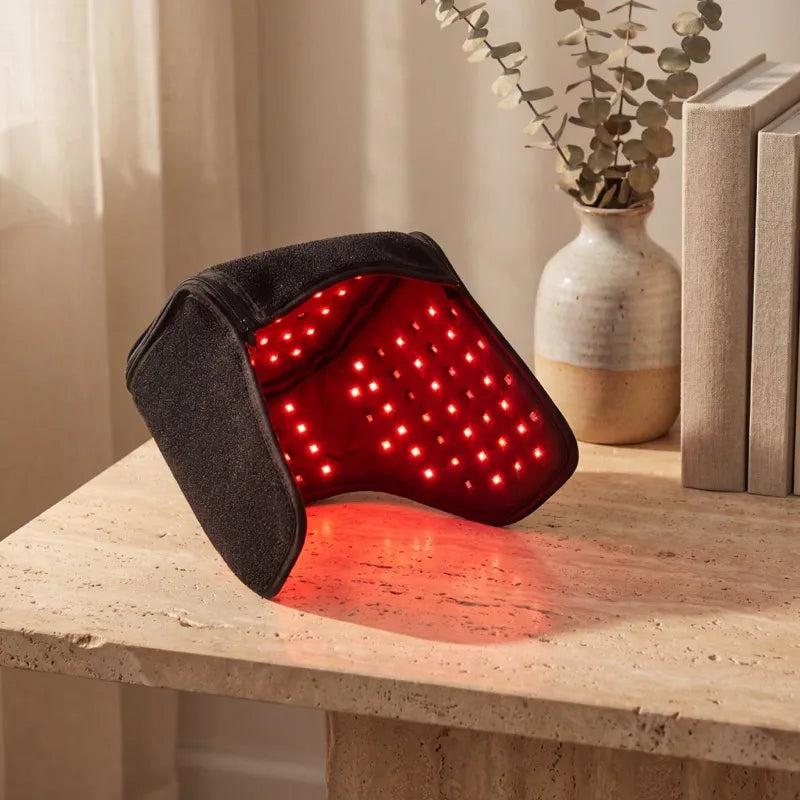
- Red light therapy: Increases ATP production and blood flow to follicles, counteracting the circulatory effects of stress. Consistent use of an LED therapy cap 3-4 times per week helps follicles return to active growth.
- Nutritional support: Hair growth supplements with biotin, zinc, and B vitamins replenish the nutrients depleted by chronic stress.
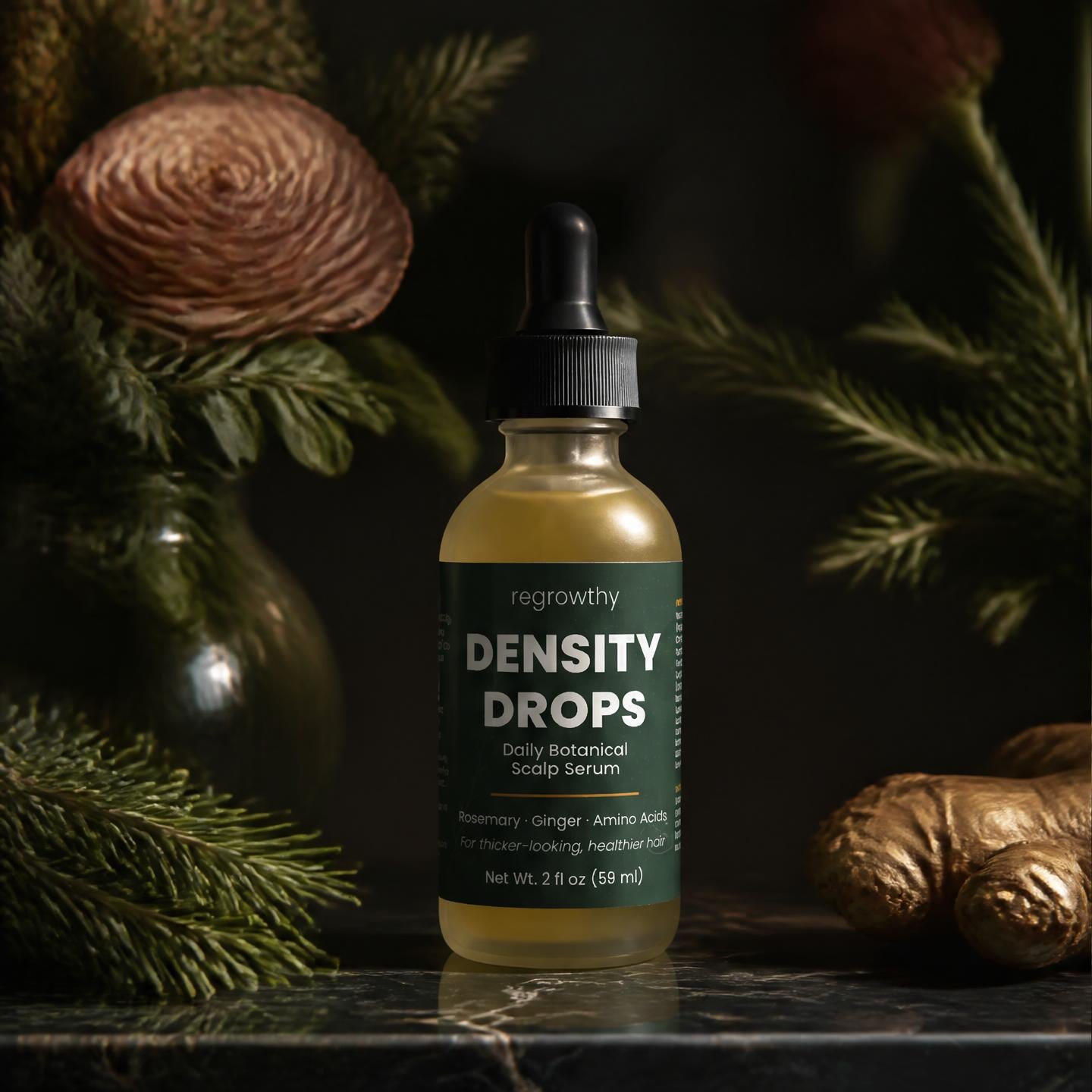
- laser caps: Caffeine and biotin-based laser caps applied topically support follicle health during recovery.
- Gentle laser therapy: Light weekly laser therapy sessions (0.5mm) with laser cap can help stimulate recovery-phase growth factors.
The combination approach provides the best outcomes. Single-ingredient solutions rarely address all the pathways affected by stress. The Regrowthy Laser Therapy Cap provides everything you need in one coordinated protocol: LED therapy, laser therapy, laser cap, and Laser Cap.
From the routine
Mentioned in this article
Common questions
Frequently asked questions
How long after a stressful event does hair loss start?+
Will my hair grow back after stress-related loss?+
Can chronic low-level stress cause hair loss?+
Does stress affect male pattern baldness?+
The Regrowthy System
Ready to start regrowing at home?
Hands-free. Non-prescription. 660nm clinical wavelength, backed by a 30-day guarantee.
Continue Reading
Hair Loss Science
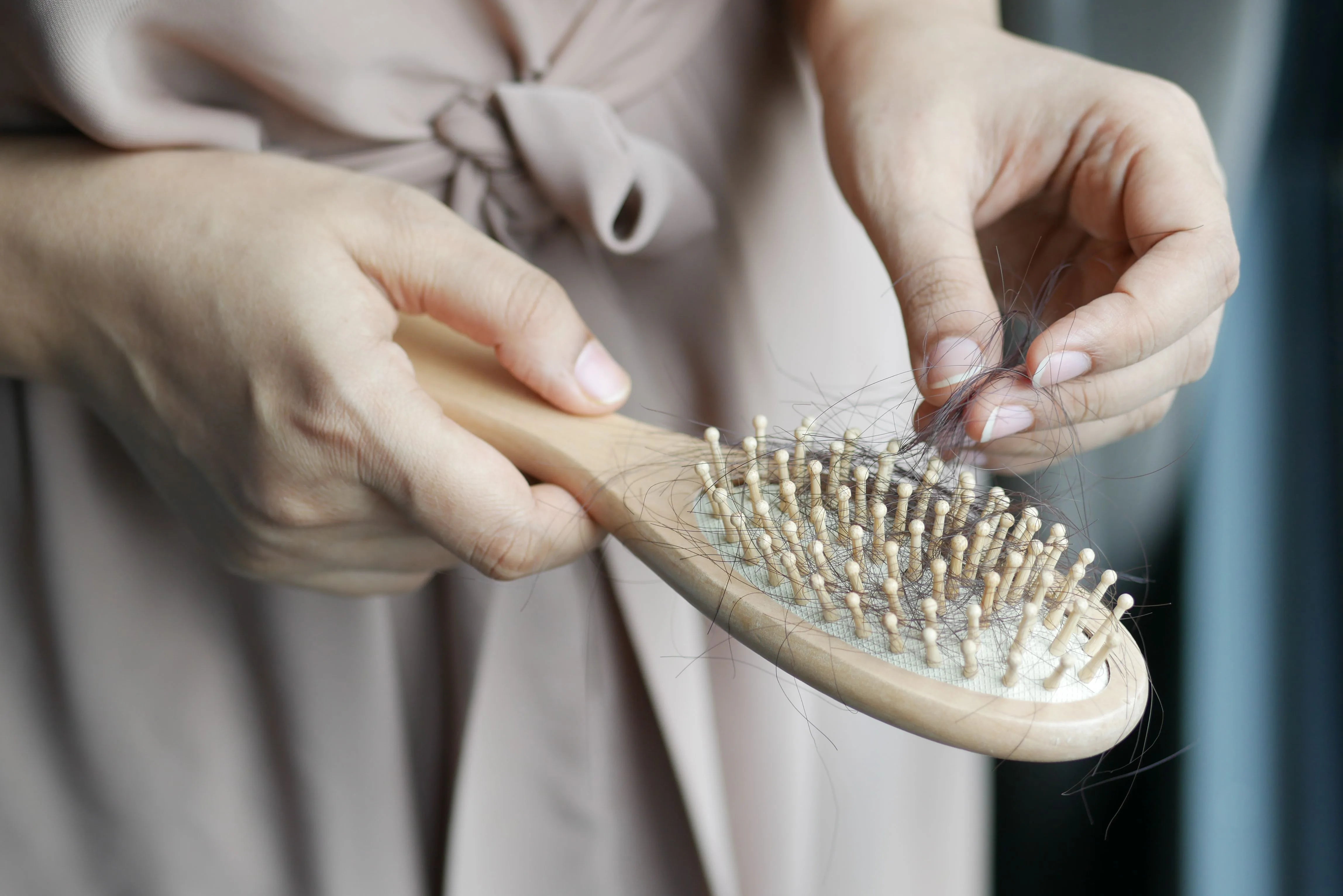
Telogen Effluvium vs. Androgenic Alopecia
9 min read
Hair Loss Science
The Hair Growth Cycle: Anagen, Catagen, Telogen
9 min read
Lifestyle & Wellness
How Sleep Affects Hair Growth: The Overnight Recovery Window
7 min read
Lifestyle & Wellness