Ingredient Science
Zinc and Hair Loss: The Mineral Connection Explained
Zinc is one of the most overlooked minerals in hair loss, quietly involved in everything from keratin production to DHT regulation. Here is what the research actually shows about zinc deficiency, dosage, and where it fits into a real hair loss plan.
Updated July 1, 2026
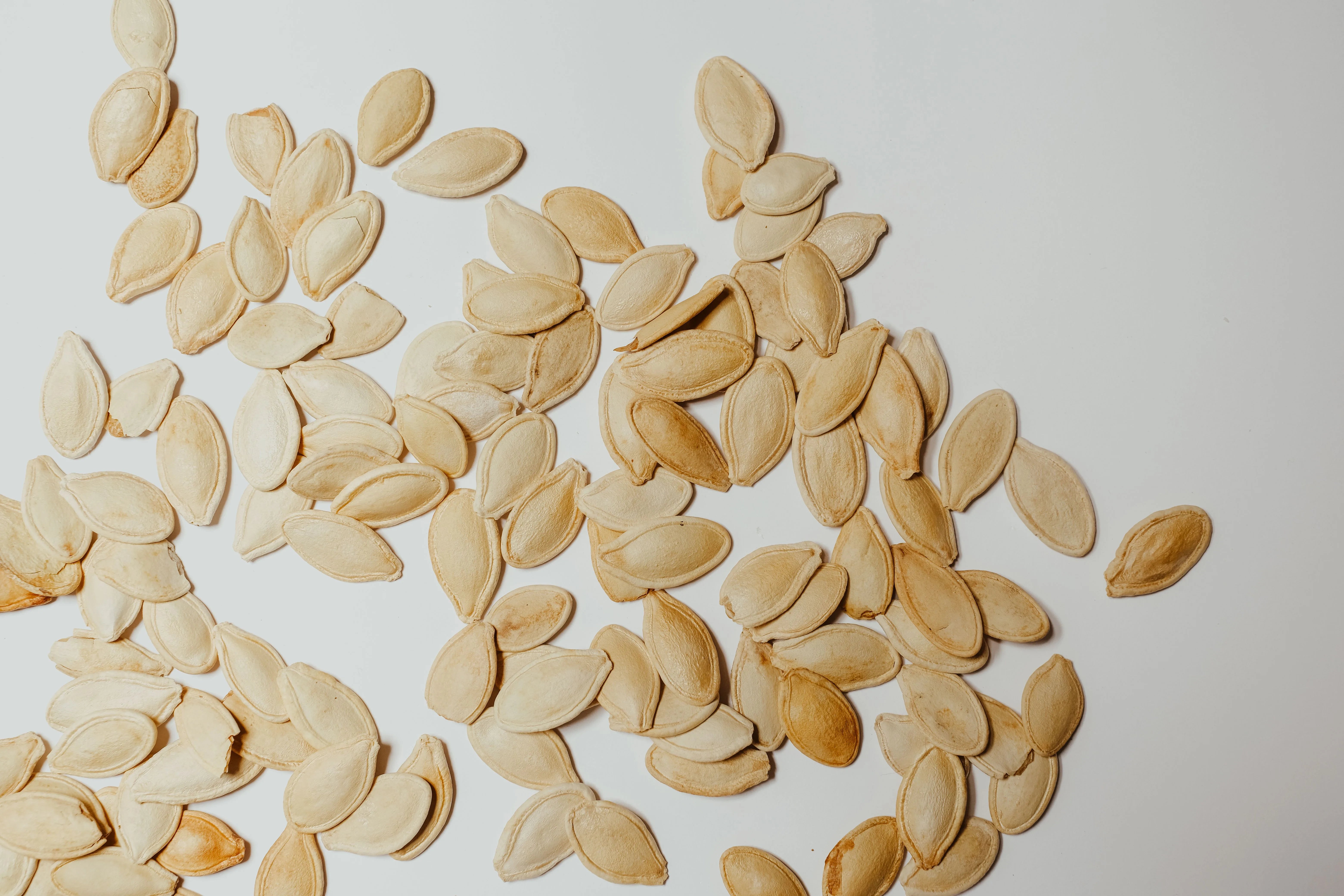
Zinc rarely gets top billing in hair loss conversations. Most people have heard of DHT, minoxidil, and finasteride, but far fewer have heard that a simple mineral deficiency can trigger diffuse shedding that looks a lot like a hormonal hair loss condition. If you are researching zinc for hair loss, you are asking a more precise question than most people ask, and it deserves a precise answer.
Zinc is involved in over 300 enzymatic reactions in the body, several of which directly affect how your hair follicles grow, repair, and cycle. Too little zinc can stall hair growth. Too much can also cause problems. This article walks through the actual biology: what zinc does for follicles, how zinc deficiency hair loss presents, where zinc intersects with DHT, and what a sensible zinc dosage for hair growth looks like based on the current evidence.
Why Zinc Matters for Hair
Hair follicles are among the most metabolically active structures in the human body. The cells in the hair matrix divide fast enough to rival bone marrow and gut lining, and that kind of rapid cell division requires a steady supply of specific nutrients. Zinc is one of the non-negotiable ones.
Zinc supports hair health in a few concrete ways:
- DNA and protein synthesis: Zinc is a cofactor for the enzymes that copy DNA and build new proteins, including keratin, the structural protein that makes up the hair shaft.
- Follicle cycling: Zinc helps regulate the transition between the growth (anagen), transition (catagen), and resting (telogen) phases of the hair growth cycle.
- Oil gland regulation: Zinc helps modulate sebaceous gland activity on the scalp, which affects scalp environment and follicle health over time.
- Tissue repair and immune function: Zinc supports wound healing and immune regulation, both relevant to a healthy scalp environment that is not chronically inflamed.
None of this means zinc is a growth accelerant on its own. Zinc's role is closer to that of a maintenance mineral: your follicles cannot do their job properly without it, but piling on more than your body needs does not make hair grow faster. That distinction matters, and it is the single most misunderstood part of the zinc and hair loss conversation.
How Zinc Deficiency Causes Hair Loss
Zinc deficiency hair loss is well documented in dermatology literature, and it tends to show up as diffuse, all-over thinning rather than a receding hairline or a widening part. This pattern is called telogen effluvium: a stress on the body (in this case, a nutritional one) pushes an unusually large number of follicles out of the growth phase and into the resting phase at once. A few months later, those resting hairs shed, and the result is noticeably more hair in the shower drain and on the pillow.
Clinical research has repeatedly found lower serum zinc levels in people experiencing several types of hair loss, including telogen effluvium, alopecia areata, and, to a lesser degree, androgenetic alopecia (the common genetic pattern of hair thinning). This does not prove zinc deficiency causes every case of hair loss, and researchers are careful to note that correlation is not the same as causation. But the association shows up often enough, and the biological mechanism is plausible enough, that checking zinc status is a reasonable step for anyone dealing with unexplained shedding.
The encouraging part of this research is that when a genuine deficiency is corrected, hair often recovers on its own over the following months as follicles cycle back into growth phase. That recovery window is a big part of why dermatologists screen zinc alongside iron, vitamin D, and thyroid markers when a patient reports diffuse thinning with no obvious cause.
Zinc and DHT: The Hormone Connection
The zinc DHT relationship is where things get more interesting, and more nuanced. DHT (dihydrotestosterone) is the hormone most responsible for genetic hair thinning. It is produced when the enzyme 5-alpha reductase converts testosterone into DHT, and DHT then binds to receptors in genetically sensitive follicles, gradually shrinking them in a process called miniaturization. This is well-established biology, not a marketing claim, and it is the same mechanism that prescription DHT blockers and natural compounds like saw palmetto both target.
Laboratory research has found that zinc can inhibit 5-alpha reductase activity in vitro, meaning in a test tube or cell culture setting rather than in a full clinical trial on humans. This has led to zinc being described as a mild, natural DHT-modulating mineral in some formulations. It is a real and biologically plausible mechanism, but it is important to be honest about the limits of that evidence: laboratory inhibition of an enzyme is not the same as proven, clinically significant DHT reduction in living people at typical dietary or supplemental doses. Zinc is best understood as a supporting player in the DHT picture, not a primary lever the way a targeted botanical or a prescription compound can be.
Key Point
Zinc's DHT effect is real at the enzyme level but modest in practice. Think of zinc as filling a nutritional gap that supports healthy follicle function, while ingredients like saw palmetto and finasteride-type actives are the more direct tools for meaningfully lowering DHT activity at the follicle.
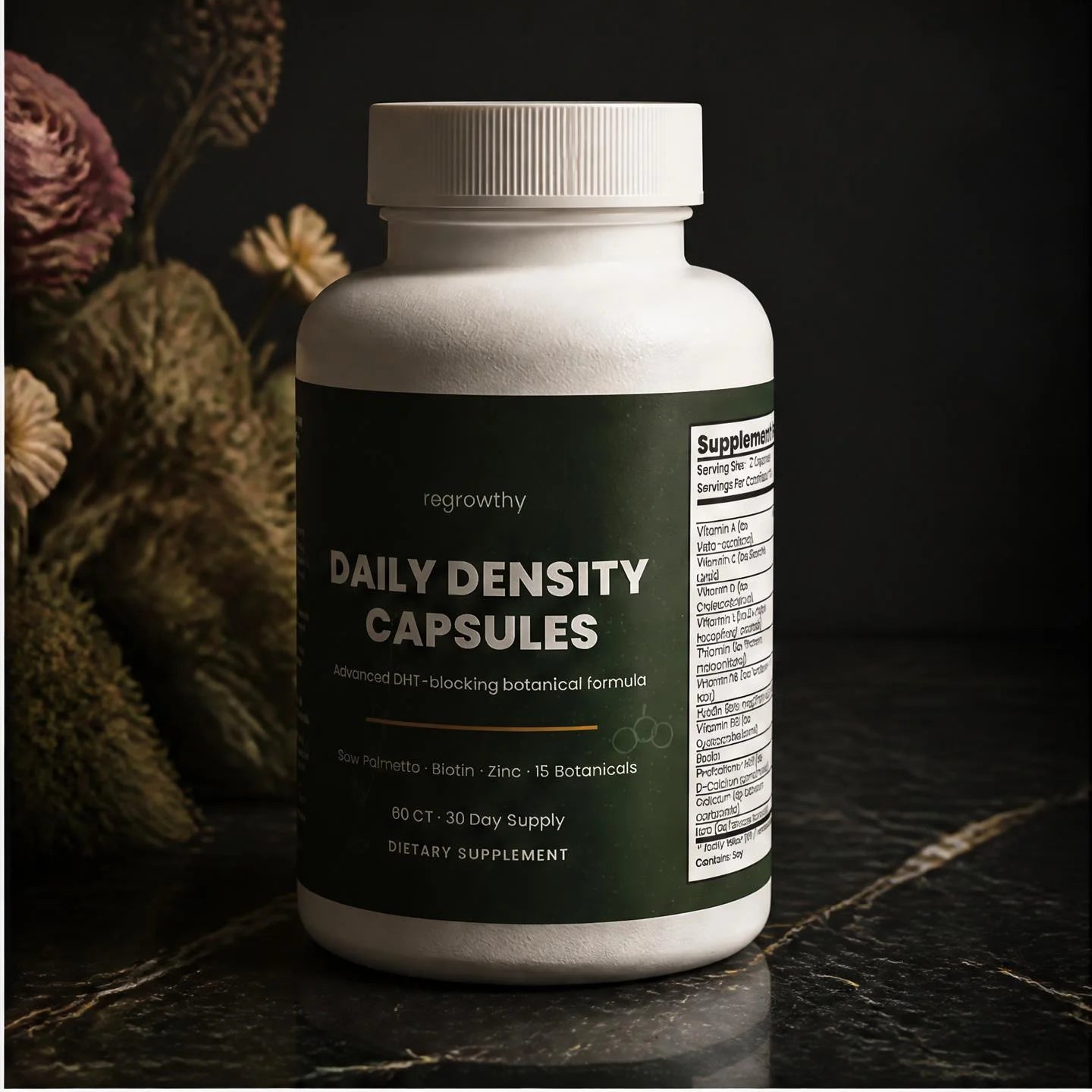
This is why most well-formulated hair supplements pair zinc with other DHT-relevant ingredients rather than relying on zinc alone. Daily Density Pro Capsules, for example, combines zinc with saw palmetto and a broader set of botanicals rather than treating zinc as a standalone DHT blocker, because the honest read of the research supports a supporting role, not a starring one.
Signs of Low Zinc
Zinc deficiency rarely shows up as a single, obvious symptom. It tends to present as a cluster of subtle signs that are easy to write off individually. Worth paying attention to if you are also noticing hair shedding:
- Diffuse hair thinning rather than a defined pattern, often noticed as more hair in the shower or brush
- Slow wound healing or skin that takes longer than expected to recover from cuts and irritation
- Frequent colds or infections, since zinc is important for normal immune function
- Changes in taste or smell, a classically cited early sign of low zinc status
- Brittle nails or white spots on the nail bed
- Persistent low mood or fatigue that does not have another clear explanation
None of these signs are diagnostic on their own. The only reliable way to confirm a zinc deficiency is a blood test ordered by a doctor, ideally alongside the other panels commonly checked for hair loss (ferritin, thyroid function, and vitamin D). If you are already dealing with thinning and some of these symptoms sound familiar, it is worth bringing zinc up at your next physical rather than guessing.
How Much Zinc Do You Actually Need
The zinc dosage for hair growth question comes up constantly, and the honest answer is that more is not automatically better. The standard Recommended Dietary Allowance (RDA) for zinc is around 8 to 11 milligrams per day for most adults, varying by sex and life stage. That is the amount needed to prevent deficiency in a healthy person eating a typical diet.
Clinical and supplement research on hair-specific outcomes tends to use doses somewhat higher than the baseline RDA, often in a range still considered safe for regular use, but this varies by formulation and should not be treated as a one-size-fits-all number. A few practical guardrails:
- Start with food and a baseline multivitamin-level dose if you have no confirmed deficiency. Most people are not meaningfully zinc deficient, and supplementing far above what your body needs does not translate into faster hair growth.
- Get tested before megadosing. If you suspect a real deficiency, a blood test gives you an actual target instead of a guess.
- Respect the upper limit. Established nutrition guidelines set an upper tolerable intake limit for zinc well above the RDA, and staying under that ceiling matters because zinc toxicity is a real and well-documented risk of long-term high-dose supplementation.
- Favor formulas that pair zinc with supporting nutrients rather than an isolated high-dose zinc pill, since hair growth depends on more than one mineral working correctly at the same time.
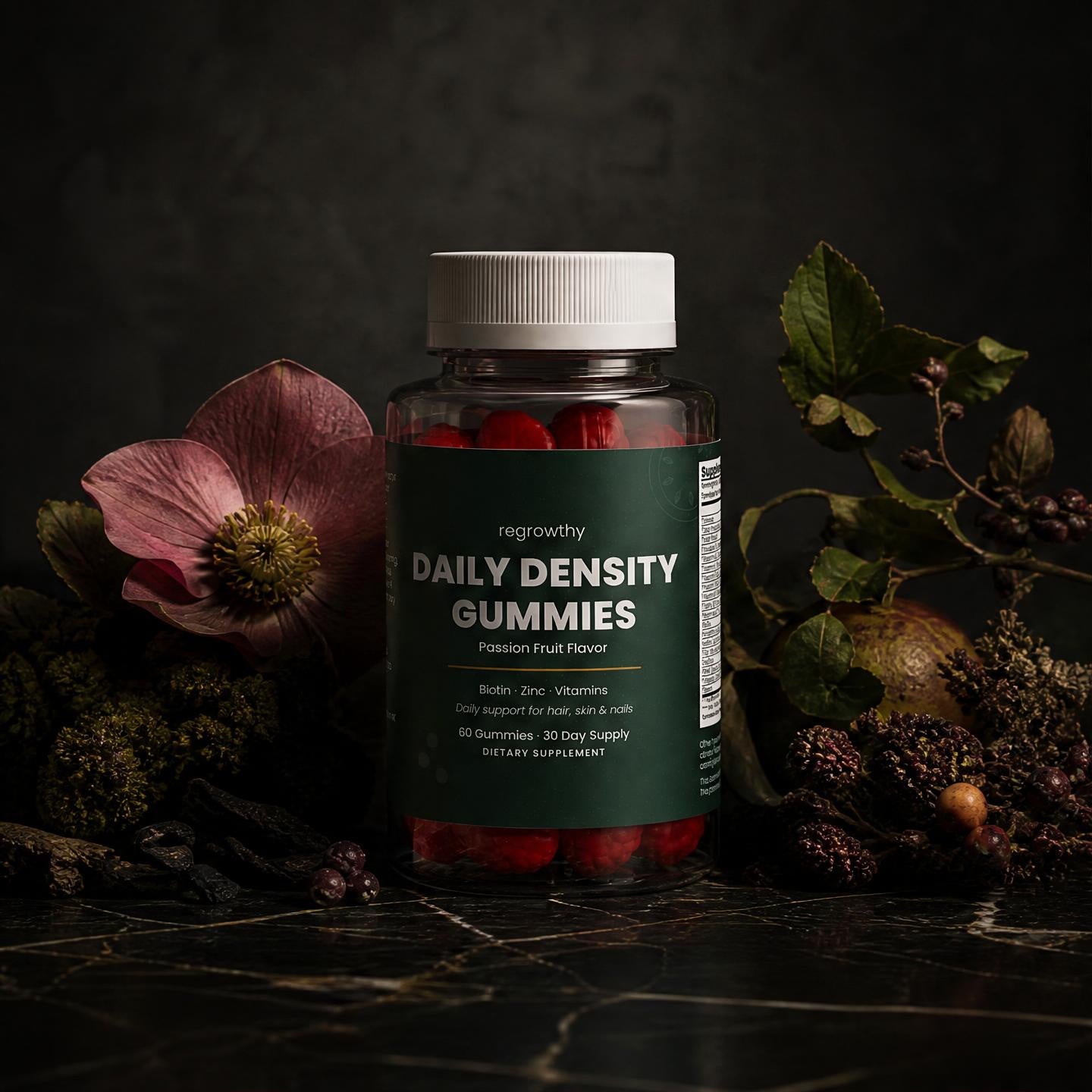
This is the reasoning behind formulating zinc into a broader daily supplement instead of selling it alone. Daily Density Pro and the Daily Density Gummies both include zinc at levels designed to close a plausible dietary gap without pushing anywhere near the doses associated with toxicity risk, alongside biotin and other cofactors that support the same follicle biology.
Food Sources vs. Supplements
Before reaching for a supplement, it is worth taking an honest inventory of your diet, since zinc is reasonably abundant in a number of common foods. Oysters are famously the richest source, but red meat, poultry, pumpkin seeds, cashews, chickpeas, and fortified cereals all contribute meaningful amounts.
A few dietary patterns are worth flagging because they raise the odds of a real zinc shortfall:
- Plant-heavy or vegan diets: Plant sources of zinc are less bioavailable than animal sources, and phytates in grains and legumes can further block absorption.
- High-stress periods or illness recovery: The body burns through zinc faster during physical stress, which is one reason post-illness shedding and stress-related shedding often overlap with low zinc status.
- Restrictive dieting or disordered eating patterns: Chronic calorie restriction usually means chronic micronutrient restriction too.
- Certain gut conditions: Conditions that impair nutrient absorption, such as inflammatory bowel disease, can lead to zinc deficiency even with adequate dietary intake.
If any of that describes your situation, a supplement is a reasonable insurance policy on top of dietary effort, not a replacement for it. Whole food sources also bring along other nutrients, like iron and B12, that work alongside zinc rather than in isolation.
Zinc Risks and the Copper Balance
It is worth being direct about this because it gets glossed over in a lot of supplement marketing: zinc is not harmless in unlimited amounts. Chronic high-dose zinc supplementation, especially well above the tolerable upper intake level, has been associated with copper deficiency, because zinc and copper compete for absorption in the gut. Copper deficiency has its own downstream effects, including anemia and, notably, hair changes of its own. There are also case reports linking excessive zinc intake to nausea, digestive upset, and impaired immune function over time, which is somewhat ironic given zinc's normal role in supporting immunity at appropriate doses.
The practical takeaway is simple: zinc deficiency and zinc excess can both cause problems, and the goal is sufficiency, not maximization. This is exactly why the smarter formulations balance zinc with copper or keep zinc doses in a moderate, well-tolerated range rather than chasing a headline number on a label. If you already take a multivitamin or another supplement containing zinc, check your total daily intake across all products before adding a new one, since it is easy to stack doses without realizing it.
Putting Zinc Into a Real Hair Loss Plan
Zinc is genuinely useful, but it works best as one piece of a layered approach rather than a standalone fix. If your hair loss has a nutritional component, correcting a real zinc gap can meaningfully help. If your hair loss is primarily genetic and DHT-driven, zinc alone is unlikely to move the needle much, and it makes more sense as a supporting nutrient alongside a more direct DHT-focused strategy and a mechanism that works through an entirely different pathway.
A reasonable, layered plan often looks like this: a daily supplement that covers zinc, biotin, and other follicle-relevant nutrients to close dietary gaps; a targeted DHT-modulating ingredient such as saw palmetto for the hormonal side of the equation; and a device-based approach like the Laser Therapy Cap for the mechanical, cellular-energy side of stimulating follicles directly through low-level light therapy. None of these replace the others. They address different parts of the same underlying problem from different angles, which is generally how the most consistent results happen in hair restoration.
If you are unsure whether zinc deficiency is actually part of your picture, the most useful next step is a simple blood panel rather than guessing your way into a supplement routine. Bring your dermatologist or primary care doctor your specific concerns, ask for zinc alongside the other standard hair loss labs, and let the results guide your dosing rather than a product label alone.
Zinc will not single-handedly reverse genetic pattern hair loss, and it was never designed to. But as a foundational nutrient that keeps your follicles capable of doing their job, correcting a true deficiency and maintaining adequate zinc status is one of the more evidence-grounded, low-risk steps available to anyone serious about protecting the hair they have.
From the routine
Mentioned in this article
Common questions
Frequently asked questions
Can zinc deficiency alone cause significant hair loss?+
How do I know if my hair loss is from zinc deficiency or genetics?+
What is the best zinc dosage for hair growth?+
Does zinc actually lower DHT?+
Is it safe to take zinc supplements long term?+
Can I get enough zinc from food instead of supplements?+
The Regrowthy System
Ready to start regrowing at home?
Hands-free. Non-prescription. 660nm clinical wavelength, backed by a 30-day guarantee.
Continue Reading

Ingredient Science
Saw Palmetto for Hair Loss: How This DHT Blocker Actually Works
9 min read
Ingredient Science
Caffeine for Hair Growth: Topical Science Explained
9 min read
Ingredient Science
Rosemary Oil for Hair Growth: What the Research Actually Shows
9 min read
Ingredient Science