Ingredient Science
Biotin for Hair Growth: How It Works and Who Actually Needs It
Biotin shows up in nearly every hair supplement on the shelf, but the science behind it is more nuanced than the marketing suggests. Here is who actually benefits, who is wasting their money, and what a smart dose looks like.
Updated July 1, 2026
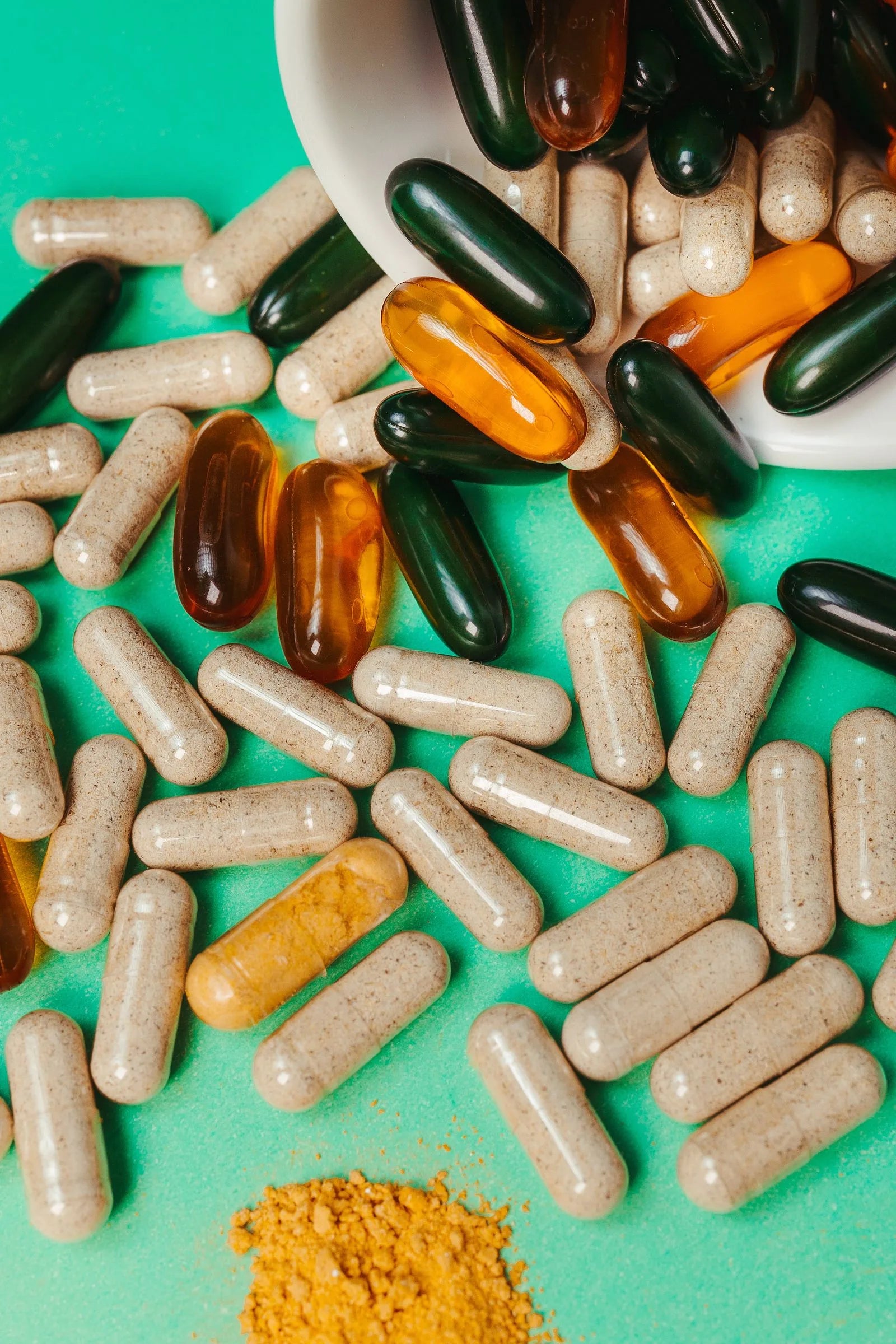
If you have spent any time looking at hair growth supplements, you have seen biotin listed on nearly every label, usually in bold letters and often in absurdly large doses. It is the single most recognized ingredient in the hair supplement world, and also one of the most misunderstood. The honest answer to whether biotin for hair growth actually works is: it depends entirely on whether your body needs more of it in the first place.
This article breaks down what biotin actually does inside a hair follicle, who is realistically at risk of biotin deficiency hair loss, what a sensible biotin dosage for hair looks like, and where biotin fits (or does not fit) into a real treatment plan. No hype, no miracle claims, just what the research actually supports.
What Is Biotin and Why Hair Brands Love It
Biotin, also known as vitamin B7 or vitamin H, is a water-soluble B vitamin your body uses to metabolize fats, carbohydrates, and amino acids. It is not exotic or hard to come by. Biotin is present in eggs, nuts, seeds, sweet potatoes, salmon, and organ meats, and your gut bacteria also produce a meaningful amount of it on their own.
Hair supplement brands gravitate toward biotin for a simple reason: it has a genuinely clear, well-documented connection to hair structure, it is cheap to manufacture in large quantities, and it is easy to market. A bottle that says "10,000 mcg of biotin" looks impressive on a shelf, even if that number has more to do with marketing psychology than physiology. That gap between marketing and mechanism is exactly what this article is here to sort out.
How Biotin Actually Supports Hair Growth
Hair is made almost entirely of keratin, a structural protein built from long chains of amino acids. Biotin acts as a cofactor for several carboxylase enzymes involved in amino acid metabolism and fatty acid synthesis, both of which are part of the biochemical machinery your follicles rely on to build new keratin. In plain terms, biotin helps supply some of the raw materials and enzymatic support your hair-producing cells need to do their job.
This is different from how something like saw palmetto works. Saw palmetto and other DHT blockers interrupt a hormonal pathway that causes follicle miniaturization. Biotin does not touch DHT at all. It is a nutritional cofactor, not a hormonal one, which means its job is to support the structural side of hair growth rather than address the androgenic (pattern baldness) side of hair loss. That distinction matters more than most supplement labels let on.
When biotin levels are genuinely low, keratin production suffers, and hair can become brittle, thin, and slow to grow. When biotin levels are already adequate, which is the case for most people eating a reasonably varied diet, adding more biotin does not give your follicles extra building blocks to work with, because the metabolic pathways it supports are already running at capacity.
Signs of Biotin Deficiency Hair Loss
True biotin deficiency has a recognizable pattern, and hair changes are usually just one part of a broader picture. It rarely shows up as an isolated symptom.
- Diffuse hair thinning or shedding: Rather than a receding hairline or a bald spot, biotin-related hair loss tends to be spread evenly across the scalp.
- Brittle, easily broken hair: Strands may snap rather than shed from the root, and hair can lose its normal elasticity.
- Skin changes: A red, scaly rash, often around the eyes, nose, and mouth, is one of the more classic signs of biotin deficiency.
- Brittle nails: Weak, splitting nails frequently accompany biotin-related hair changes.
- Fatigue or numbness in the extremities: Because biotin is involved in broader metabolic function, deficiency can also cause tingling or low energy in more advanced cases.
If your hair thinning is showing up in a specific pattern (a widening part, a receding hairline, thinning at the crown), that is a strong signal you are dealing with androgenic hair loss rather than a nutritional gap, and biotin alone is unlikely to move the needle much.
Who Is Actually Biotin Deficient
Here is the part the supplement industry tends to skip over: outright biotin deficiency is uncommon in people eating a varied diet. Your gut microbiome produces biotin on its own, and the vitamin is present in enough everyday foods that most adults are not walking around with a meaningful shortfall.
That said, certain groups are at meaningfully higher risk and are the people most likely to see a real benefit from supplementing:
- Pregnant and breastfeeding women: Biotin needs increase during pregnancy, and mild deficiency is more common than in the general population.
- People with certain gastrointestinal or malabsorption conditions: Conditions that affect nutrient absorption in the gut can lower biotin levels over time.
- Long-term antibiotic or anticonvulsant users: Some medications disrupt the gut bacteria that help produce biotin, or interfere with its metabolism.
- Heavy raw egg white eaters: Raw egg whites contain a protein called avidin that binds biotin and blocks its absorption. This is rare in practice but well documented.
- People with a rare genetic biotinidase deficiency: This inherited condition prevents the body from recycling biotin properly and requires medical management, not just supplementation.
If you fall into one of these categories, biotin supplementation is genuinely worth discussing with a doctor, ideally alongside a blood test rather than a guess. If none of these apply to you, the odds that biotin deficiency is driving your hair thinning are fairly low.
Does Biotin Work for Hair If You Are Not Deficient
This is the question most people actually want answered, and the honest answer is nuanced. Does biotin work for hair growth in someone with normal biotin levels? The evidence for a dramatic, standalone effect is thin. Clinical research on biotin has consistently found the clearest, most reliable benefit in people who were deficient to begin with. Once biotin status is already adequate, piling on more of it does not appear to meaningfully accelerate hair growth on its own.
Key Point
Biotin corrects a deficiency if one exists. It is not a growth accelerant for people whose biotin levels are already normal, and most people supplementing with it fall into that second group. Think of it as removing a potential roadblock, not adding a new engine.
That does not make biotin worthless. It means its role is best understood as a supporting nutrient rather than a primary driver of regrowth. In a well-formulated supplement, biotin works alongside other ingredients that address different parts of the hair loss picture: things like zinc for follicle health, or botanicals that work on the hormonal side of thinning. On its own, biotin is unlikely to reverse pattern hair loss, because pattern hair loss is a DHT-driven, genetic process that a keratin cofactor was never designed to touch.
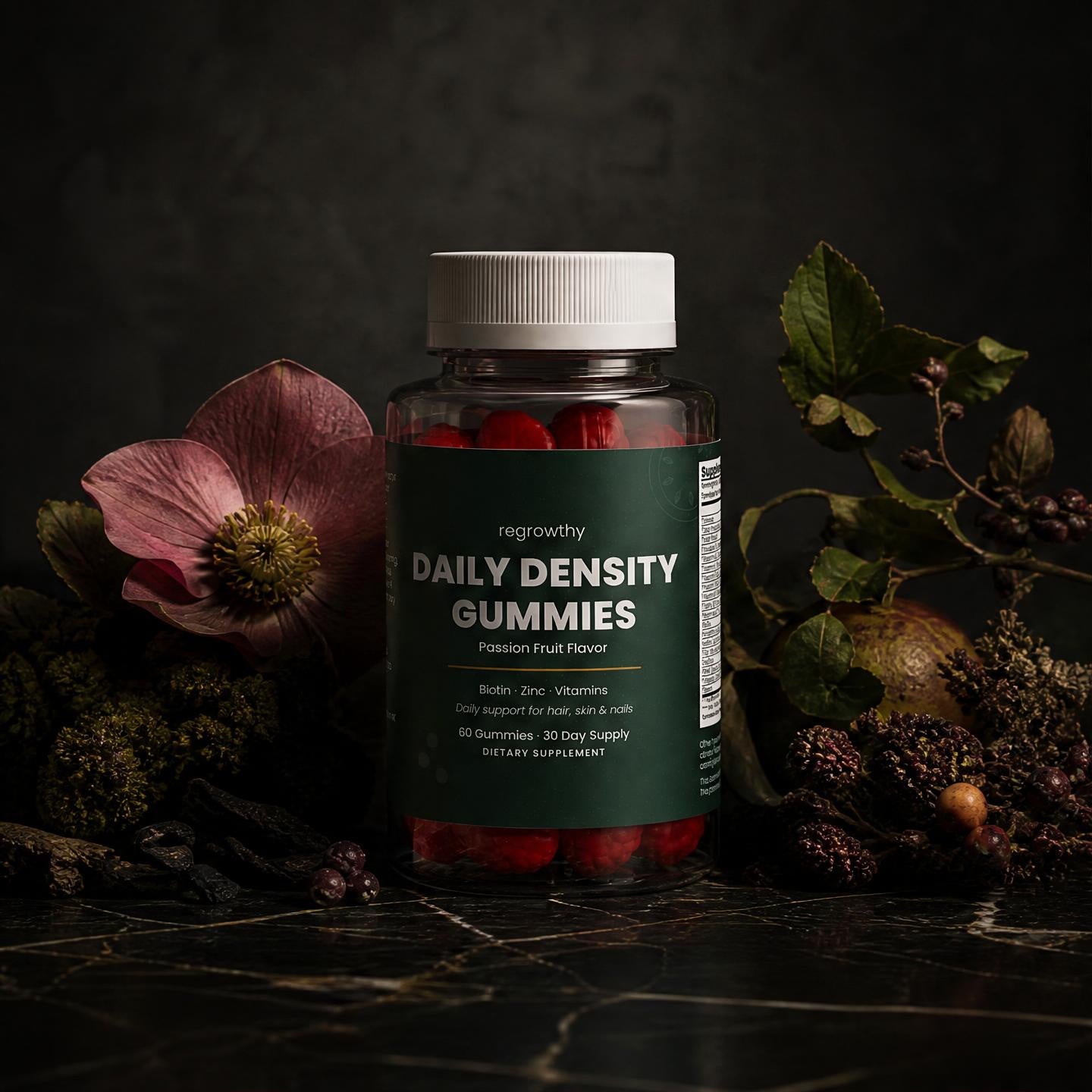
If you are looking for a well-rounded nutritional approach rather than a single-ingredient bet, Daily Density Gummies pair biotin with additional hair-supporting nutrients in a format that is easier to stick with daily than remembering a capsule. For people who want a nutritional foundation without relying on biotin to do all the work by itself, that kind of layered formula is generally a more realistic bet than a biotin-only product.
Biotin Dosage for Hair: What the Research Supports
The recommended dietary intake for biotin in adults is measured in micrograms per day, well under 100 mcg. Yet many hair supplements on the market advertise doses of 5,000, 10,000, even 20,000 mcg per serving. Bigger numbers sell better, but that does not mean bigger numbers work better.
- A reasonable, commonly used range is 2,500 to 5,000 mcg daily. This is well above baseline dietary needs, provides a comfortable margin for anyone with mild suboptimal levels, and is generally well tolerated.
- Doses above 5,000 to 10,000 mcg have not been shown to add meaningful extra benefit for people who are not deficient. Biotin is water-soluble, so excess amounts are simply excreted rather than stored or put to use.
- Very high-dose biotin can interfere with certain lab tests, including thyroid panels and some cardiac biomarker tests, by disrupting the immunoassay technology labs use. This is a real, documented issue, not a fringe concern. If you take a biotin supplement, mention it to your doctor before any blood work.
The practical takeaway is that more is not better once you clear a reasonable therapeutic range. A 5,000 mcg dose taken consistently is doing essentially the same job as a 20,000 mcg dose, just without the unnecessary excess and without muddying your next set of lab results.
Why Biotin Alone Is Rarely the Full Answer
Most hair thinning that adults deal with, particularly pattern hair loss, is driven primarily by DHT acting on genetically sensitive follicles, not by a vitamin shortfall. Biotin has no mechanism for addressing that hormonal pathway. This is why a biotin-only gummy, no matter how large the dose on the label, tends to disappoint people whose real issue is androgenic thinning rather than a nutritional gap.
A more realistic approach treats biotin as one piece of a larger system rather than the whole strategy. On the hormonal side, ingredients like saw palmetto work as a natural 5-alpha reductase inhibitor, reducing the conversion of testosterone into DHT at the follicle. On the follicle stimulation side, red light devices like the Laser Therapy Cap use 660nm LED wavelengths to support cellular energy production in the scalp, encouraging follicles to stay active in their growth phase. Biotin fits most naturally into that picture as nutritional support underneath those two more direct interventions, not as a replacement for them.
Circulation and scalp environment matter too. Ingredients like rosemary oil have their own body of research around scalp blood flow and follicle stimulation, and a clean, healthy scalp environment (which is the entire point of a product like Dense Cleanse) gives any nutrient you are taking a better chance of reaching the follicle in the first place. Density Drops and Density Elixir are built around this same layered logic: pairing nutritional cofactors with ingredients that target the mechanisms actually driving most hair loss.
None of this is meant to talk you out of biotin. It is meant to set realistic expectations. If you are deficient, correcting it will genuinely help. If you are not, biotin is still a reasonable, low-risk nutrient to have in a well-rounded formula, just do not expect it to carry a hair regrowth plan by itself.
The bottom line on biotin for hair growth is straightforward once you strip away the marketing: it is a real, well-established nutrient with a genuine role in keratin production, and it can meaningfully help people who are actually deficient. For everyone else, which is most people, it is a reasonable supporting ingredient rather than a standalone solution. If your hair loss follows a pattern typical of androgenic thinning, the more productive move is pairing sensible biotin intake, in the 2,500 to 5,000 mcg range, with treatments that address DHT and follicle stimulation directly. That combination, not a mega-dose gummy, is what actually moves the needle for most people dealing with real hair thinning.
From the routine
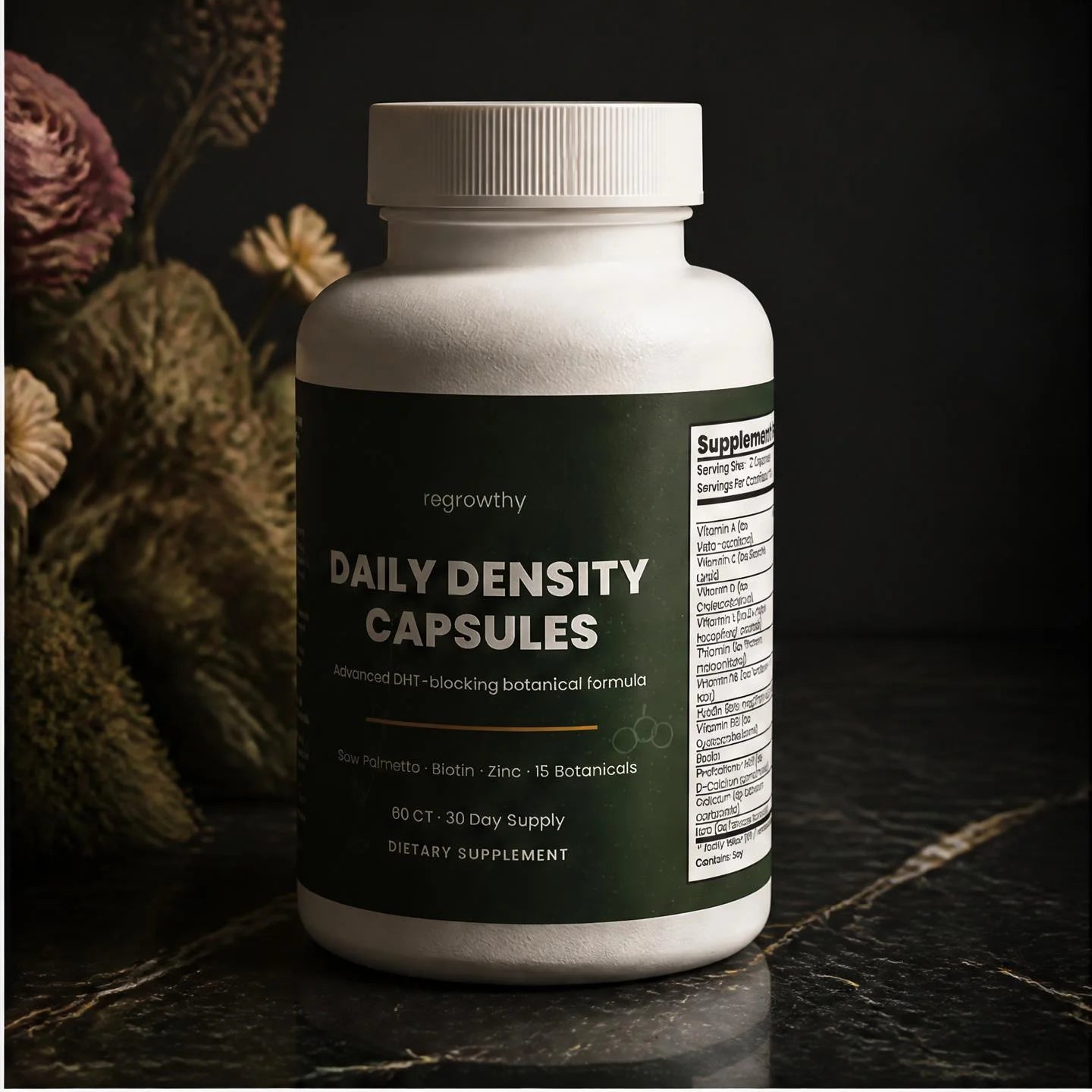
Mentioned in this article
Common questions
Frequently asked questions
Can biotin alone regrow hair that has already thinned significantly?+
How long does it take to see results from biotin supplementation?+
Is it possible to take too much biotin?+
Should I get my biotin levels tested before supplementing?+
Why do so many hair gummies use extremely high biotin doses like 10,000 mcg?+
The Regrowthy System
Ready to start regrowing at home?
Hands-free. Non-prescription. 660nm clinical wavelength, backed by a 30-day guarantee.
Continue Reading
Ingredient Science
Zinc and Hair Loss: The Mineral Connection Explained
9 min read
Ingredient Science
Saw Palmetto for Hair Loss: How This DHT Blocker Actually Works
9 min read
Ingredient Science
Rosemary Oil for Hair Growth: What the Research Actually Shows
9 min read
Ingredient Science