Science
The Science Behind Regrowthy
Every claim on this site traces back to a published, peer-reviewed study. Here is what the research on laser therapy, rosemary, saw palmetto, biotin, zinc, and collagen actually found, including the parts that are inconvenient for marketing.
Updated July 5, 2026
53
Studies cited
7
Products covered
1990-2025
Years of research
660nm
Clinical wavelength
Pattern hair loss happens when follicles sensitive to DHT (a byproduct of testosterone) shorten their growth cycle with every pass, until the hair they produce is barely visible. Not all thinning is androgenetic. Stress, thyroid issues, and nutrient gaps play a role too. Below, the evidence is organized product by product: what each Regrowthy product is built on, and the specific studies behind it.
Photobiomodulation
The Laser Cap: 660nm red light
Red light at roughly 660nm is absorbed by cytochrome c oxidase in the mitochondria of your cells. That absorption increases ATP, the cell's energy currency, and nudges resting follicles back into active growth. This is the largest body of evidence behind any Regrowthy product.
Clinical Drug Investigation · 2009
HairMax LaserComb laser phototherapy device in the treatment of male androgenetic alopecia: a randomized, double-blind, sham device-controlled, multicentre trial.
Leavitt M, Charles G, Heyman E, Michaels D.
Men using the laser device showed a significantly greater increase in terminal hair density than the sham group over 26 weeks.
View on PubMed →Lasers in Surgery and Medicine · 2013
The growth of human scalp hair mediated by visible red light laser and LED sources in males.
Lanzafame RJ, Blanche RR, Bodian AB, et al.
A 655nm device produced a 35 percent increase in hair counts in men with pattern hair loss versus sham controls.
View on PubMed →Lasers in Surgery and Medicine · 2014
The growth of human scalp hair in females using visible red light laser and LED sources.
Lanzafame RJ, Blanche RR, Chiacchierini RP, et al.
Women with pattern hair loss showed a 37 percent increase in hair counts versus sham over the study period.
View on PubMed →American Journal of Clinical Dermatology · 2014
Efficacy and safety of a low-level laser device in the treatment of male and female pattern hair loss: a multicenter, randomized, sham device-controlled, double-blind study.
Jimenez JJ, Wikramanayake TC, Bergfeld W, et al.
Both men and women in the active groups had significantly higher hair density than sham-treated participants, with no serious adverse events.
View on PubMed →Dermatologic Surgery · 2013
Low-level light therapy for androgenetic alopecia: a 24-week, randomized, double-blind, sham device-controlled multicenter trial.
Kim H, Choi JW, Kim JY, Shin JW, Lee SJ, Huh CH.
Hair density and thickness improved significantly in the treatment group compared with the sham device over 24 weeks.
View on PubMed →International Journal of Trichology · 2014
Use of low-level laser therapy as monotherapy or concomitant therapy for male and female androgenetic alopecia.
Munck A, Gavazzoni MF, Trueb RM.
Reported subjective and objective improvement in hair regrowth across most patients using LLLT alone or alongside topical therapy.
View on PubMed →Lasers in Surgery and Medicine · 2014
Low-level laser (light) therapy (LLLT) for treatment of hair loss.
Avci P, Gupta GK, Clark J, Wikonkal N, Hamblin MR.
Reviewed the mechanism by which red light is absorbed by cytochrome c oxidase in mitochondria, increasing cellular energy and signaling that can push follicles into the growth phase.
View on PubMed →Seminars in Cutaneous Medicine and Surgery · 2013
Low-level laser (light) therapy (LLLT) in skin: stimulating, healing, restoring.
Avci P, Gupta A, Sadasivam M, et al.
Broader review of how red and near-infrared light trigger mitochondrial energy production and downstream healing signals across skin and follicle tissue.
View on PubMed →AIMS Biophysics · 2017
Mechanisms and applications of the anti-inflammatory effects of photobiomodulation.
Hamblin MR.
Detailed how red and near-infrared light influence mitochondrial cytochrome c oxidase, ATP production, and downstream signaling, the biological basis for photobiomodulation.
View on PubMed →Lasers in Medical Science · 2019
Comparative effectiveness of low-level laser therapy for adult androgenic alopecia: a system review and meta-analysis of randomized controlled trials.
Liu KH, Liu D, Chen YT, Chin SY.
Pooled 11 randomized trials and found a statistically significant improvement in hair density with low-level laser therapy versus sham.
View on PubMed →Lasers in Medical Science · 2019
Low-level laser therapy for the treatment of androgenetic alopecia in Thai men and women: a 24-week, randomized, double-blind, sham device-controlled trial.
Suchonwanit P, Chalermroj N, Khunkhet S.
In a 24-week trial of 40 Thai men and women, a helmet-type low-level laser device was significantly more effective than a sham device at increasing hair density and hair diameter, with minimal adverse effects.
View on PubMed →Journal of Clinical and Aesthetic Dermatology · 2021
A Systematic Review and Meta-analysis of Randomized Controlled Trials of United States Food and Drug Administration-Approved, Home-use, Low-Level Light/Laser Therapy Devices for Pattern Hair Loss: Device Design and Technology.
Lueangarun S, Visutjindaporn P, Parcharoen Y, Jamparuang P, Tempark T.
A meta-analysis of 7 randomized controlled trials of FDA-approved home-use low-level laser and light devices found a significant increase in hair density versus sham, with laser-diode-only devices showing a stronger effect than combined laser-and-LED devices.
View on PubMed →Topical Botanicals
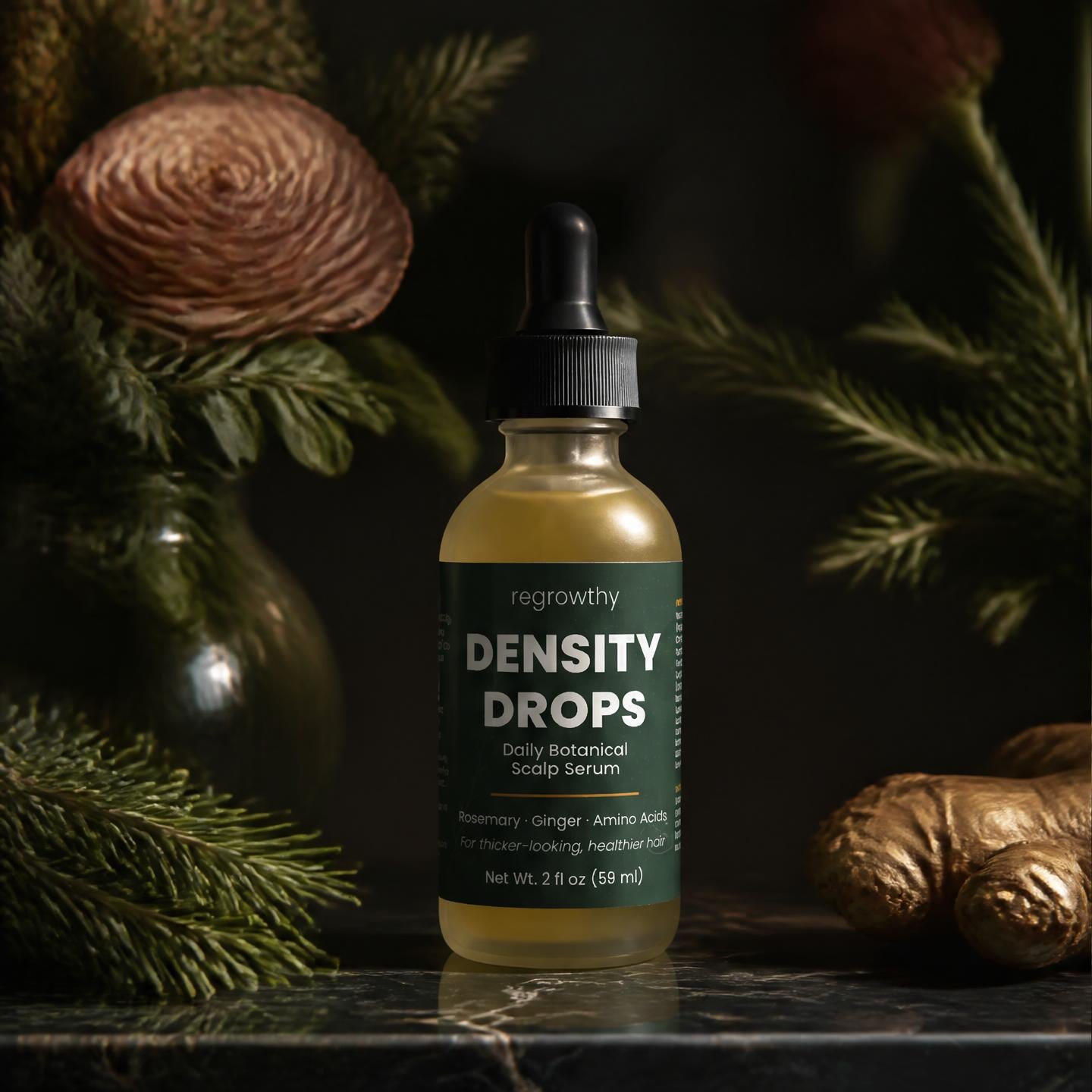
Density Drops: rosemary oil
The strongest single result in this bibliography. A randomized six-month trial found rosemary oil produced hair-count gains comparable to 2% minoxidil, with less reported scalp irritation.
SKINmed · 2015
Rosemary oil vs minoxidil 2% for the treatment of androgenetic alopecia: a randomized comparative trial.
Panahi Y, Taghizadeh M, Marzony ET, Sahebkar A.
Over six months, rosemary oil produced hair-count increases comparable to 2 percent minoxidil, with less reported scalp itching.
View on PubMed →Phytotherapy Research · 2013
Promotion of hair growth by Rosmarinus officinalis leaf extract.
Murata K, Noguchi K, Kondo M, Onishi M, Watanabe N, Okamura K, Matsuda H.
In a mouse model, topical rosemary leaf extract reversed testosterone-induced hair loss and strongly inhibited the 5-alpha-reductase enzyme that produces DHT, with a compound called 12-methoxycarnosic acid identified as the active ingredient.
View on PubMed →Advanced Biomedical Research · 2023
Evaluation of Herbal Hair Lotion loaded with Rosemary for Possible Hair Growth in C57BL/6 Mice.
Begum A, Sandhya S, Anoop Kumar N, Ali SS.
In an animal model, a 1 percent rosemary-based herbal lotion promoted hair growth in mice more effectively than the minoxidil comparison treatment.
View on PubMed →Pharmaceutical Development and Technology · 2024
Microsponges-mediated targeted topical delivery of rosemary oil for hair growth promotion: optimization and in-vivo studies.
Yehia RM, Lamie C, Attia DA.
In an animal model, a microsponge-encapsulated rosemary oil formulation improved scalp retention of the oil and produced greater increases in hair length, thickness, and follicle bulb diameter than either plain rosemary oil gel or minoxidil.
View on PubMed →Indian Journal of Pharmacology · 2025
Topical application of standardized capsicum and rosemary extracts promotes hair growth in testosterone induced alopecia in Wistar rats: Histological and morphometric evaluation.
Eid AY, Al-Mahdy DA, Sayed RH, Choucry MA, El-Askary H.
In an animal model of testosterone-induced hair loss, standardized topical rosemary extract significantly improved hair follicle density, length, and diameter over 21 days.
View on PubMed →Supporting Botanicals
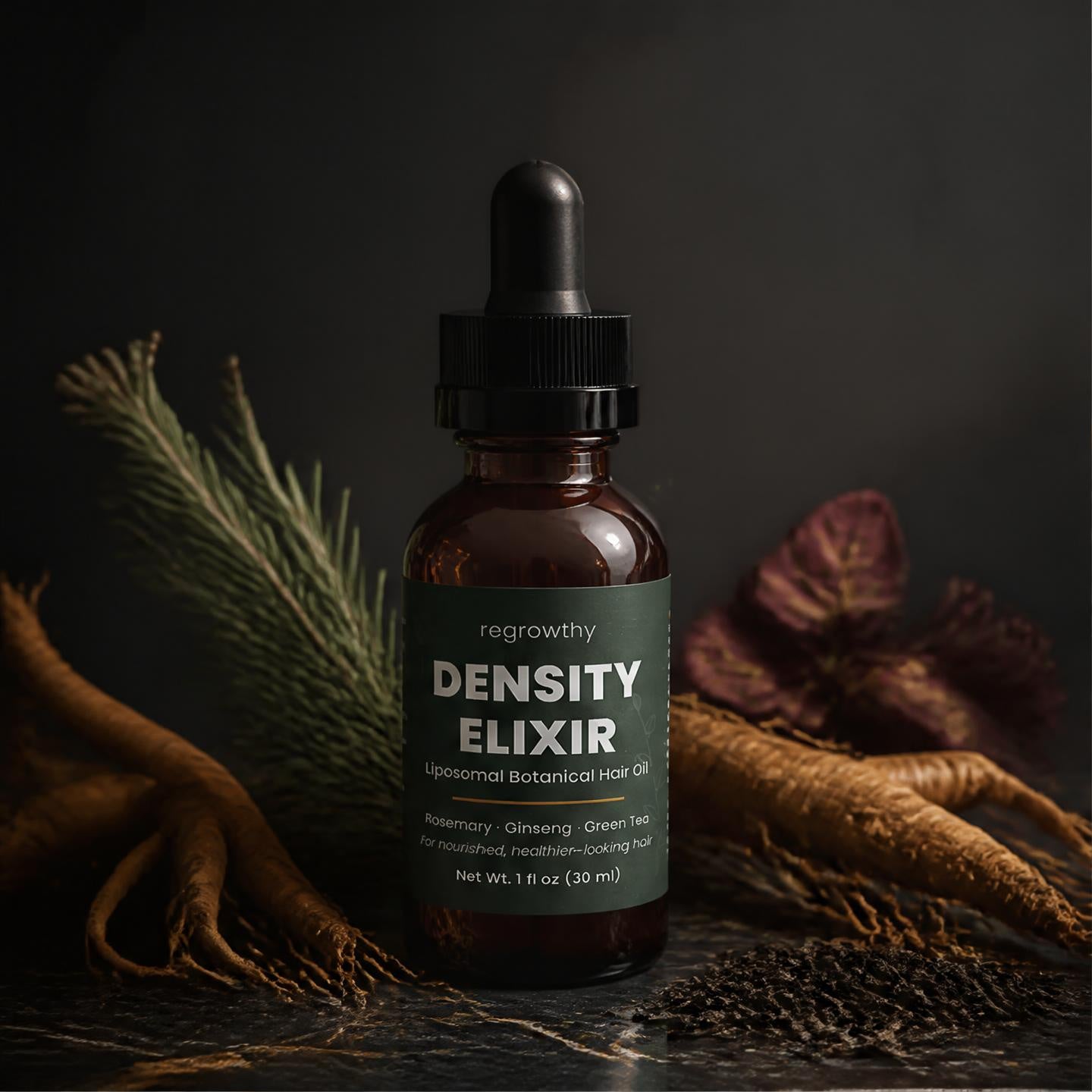
Density Elixir: ginseng, and an honest note on ginger
Ginsenosides in ginseng support dermal papilla activity, the cells that drive each follicle's growth phase. Ginger is included only at supporting, anti-inflammatory levels: a separate study found high-dose ginger extract can actually suppress hair-shaft elongation, and we would rather say that than hide it.
International Journal of Molecular Sciences · 2018
Hair-growth potential of ginseng and its major metabolites: a review on its molecular mechanisms.
Choi BY.
Reviewed evidence that ginsenosides support dermal papilla activity and prolong the anagen growth phase in follicle models.
View on PubMed →PLoS One · 2013
6-Gingerol inhibits hair shaft growth in cultured human hair follicles and modulates hair growth in mice.
Miao Y, Sun Y, Wang W, et al.
Honest read: high-dose 6-gingerol suppressed hair-shaft elongation in this model. Ginger is included at supporting, anti-inflammatory levels only, not as a growth driver.
View on PubMed →Journal of Ethnopharmacology · 2011
Fructus panax ginseng extract promotes hair regeneration in C57BL/6 mice.
Park S, Shin WS, Ho J.
In an animal study, topical application of a Panax ginseng fruit extract accelerated the shift of hair follicles into the active growth (anagen) phase compared to untreated controls.
View on PubMed →Phytotherapy Research · 2013
Ginsenosides Rb1 and Rd regulate proliferation of mature keratinocytes through induction of p63 expression in hair follicles.
Li Z, Li JJ, Gu LJ, Zhang DL, Wang YB, Sung CK.
In cell-culture and animal-tissue experiments, the ginsenosides Rb1 and Rd increased proliferation of keratinocytes in hair follicles by inducing expression of a protein linked to follicle cell renewal.
View on PubMed →Journal of Microbiology and Biotechnology · 2021
Ginsenoside Rg4 Enhances the Inductive Effects of Human Dermal Papilla Spheres on Hair Growth Via the AKT/GSK-3β/β-Catenin Signaling Pathway.
Lee YH, Choi HJ, Kim JY, Kim JE, Lee JH, Cho SH, Yun MY, An S, Song GY, Bae S.
In a cell-culture study, the ginsenoside Rg4 increased the size and viability of cultured human dermal papilla cell spheres and boosted expression of hair-growth-associated genes.
View on PubMed →Phytomedicine · 2007
Human hair growth enhancement in vitro by green tea epigallocatechin-3-gallate (EGCG).
Kwon OS, Han JH, Yoo HG, Chung JH, Cho KH, Eun HC, Kim KH.
In an in-vitro study using cultured human hair follicles and dermal papilla cells, EGCG from green tea prolonged the growth (anagen) phase of hair follicles and increased dermal papilla cell proliferation.
View on PubMed →Biochemical and Biophysical Research Communications · 1995
Selective inhibition of steroid 5 alpha-reductase isozymes by tea epicatechin-3-gallate and epigallocatechin-3-gallate.
Liao S, Hiipakka RA.
In laboratory enzyme and animal experiments, the green tea catechins EGCG and epicatechin-3-gallate selectively inhibited the type 1 5-alpha-reductase enzyme that converts testosterone into DHT.
View on PubMed →Pharmaceutics · 2022
Liposomal Formulations to Improve Antioxidant Power of Myrtle Berry Extract for Potential Skin Application.
De Luca M, Lucchesi D, Tuberoso CIG, Fernàndez-Busquets X, Vassallo A, Martelli G, Fadda AM, Pucci L, Caddeo C.
This study is not about rosemary. In a fibroblast cell-culture study on a different botanical extract, encapsulating the extract in liposomes preserved cell viability and significantly strengthened its antioxidant effect versus the non-encapsulated version, the same liposomal delivery mechanism behind Density Elixir.
View on PubMed →Internal Support
Daily Density Pro: saw palmetto
Saw palmetto targets the same 5-alpha-reductase enzyme that converts testosterone into DHT. It works, just more modestly than prescription finasteride, which is exactly why we position it as non-prescription support, not a drug replacement.
Journal of Alternative and Complementary Medicine · 2002
A randomized, double-blind, placebo-controlled trial to determine the effectiveness of botanically derived inhibitors of 5-alpha-reductase in the treatment of androgenetic alopecia.
Prager N, Bickett K, French N, Marcovici G.
A saw palmetto and beta-sitosterol formula produced improvement in 60 percent of treated men versus 11 percent on placebo.
View on PubMed →International Journal of Immunopathology and Pharmacology · 2012
Comparative effectiveness of finasteride vs Serenoa repens in male androgenetic alopecia: a two-year study.
Rossi A, Mari E, Scarno M, et al.
Saw palmetto improved hair in 38 percent of men versus 68 percent on finasteride, which is why we position Daily Density Pro as non-prescription support, not a drug replacement.
View on PubMed →Clinical, Cosmetic and Investigational Dermatology · 2023
Oral and Topical Administration of a Standardized Saw Palmetto Oil Reduces Hair Fall and Improves the Hair Growth in Androgenetic Alopecia Subjects: A 16-Week Randomized, Placebo-Controlled Study.
Sudeep HV, Rashmi S, Jestin TV, Richards A, Gouthamchandra K, Shyamprasad K.
In an 80-person randomized, placebo-controlled trial, both oral and topical standardized saw palmetto oil reduced hair fall (up to 29 percent with oral use) and modestly increased hair density, with the oral form also lowering serum DHT levels.
View on PubMed →Journal of Cosmetic Dermatology · 2025
The Safety and Efficacy of a Proprietary Bioactive Fatty Acids Extract From Saw Palmetto (Serenoa repens) for Promoting Hair Growth and Reducing Hair Loss in Adults With Self-Perceived Thinning Hair: 90-Day Results.
Ablon G.
In a small randomized, double-blind, placebo-controlled trial, a daily oral saw palmetto extract significantly increased terminal hair counts and reduced hair shedding compared to placebo over 90 days, with no adverse events reported.
View on PubMed →Australasian Journal of Dermatology · 2016
Treatment of male androgenetic alopecia with topical products containing Serenoa repens extract.
Wessagowit V, Tangjaturonrusamee C, Kootiratrakarn T, Bunnag T, Pimonrat T, Muangdang N, Pichai P.
In a 50-man pilot study, topical Serenoa repens products increased average hair count and terminal hair count at 12 and 24 weeks compared to baseline, though continued use of the more concentrated formulation appeared necessary to sustain the effect.
View on PubMed →Archives of Dermatological Research · 2007
Effect of oral intake of choline-stabilized orthosilicic acid on hair tensile strength and morphology in women with fine hair.
Wickett RR, Kossmann E, Barel A, Demeester N, Clarys P, Vanden Berghe D, Calomme M.
In a 9-month randomized, double-blind, placebo-controlled trial in 48 women with fine hair, daily oral silicon (as choline-stabilized orthosilicic acid, the bioavailable form of horsetail silica) better preserved hair elasticity and tensile strength and increased hair thickness compared to placebo.
View on PubMed →Archives of Dermatological Research · 2005
Effect of oral intake of choline-stabilized orthosilicic acid on skin, nails and hair in women with photodamaged skin.
Barel A, Calomme M, Timchenko A, De Paepe K, Demeester N, Rogiers V, Clarys P, Vanden Berghe D.
In a 20-week randomized, placebo-controlled trial of 50 women, oral silicon supplementation significantly reduced self-reported hair and nail brittleness alongside improved skin surface properties.
View on PubMed →Proceedings of the Western Pharmacology Society · 2003
Effect of beta-sitosterol as inhibitor of 5 alpha-reductase in hamster prostate.
Cabeza M, Bratoeff E, Heuze I, Ramírez E, Sánchez M, Flores E.
In an animal study, beta-sitosterol inhibited 5-alpha-reductase enzyme activity in prostate tissue, supporting the plant sterol as a blocker of the same enzyme that converts testosterone to DHT in the scalp.
View on PubMed →Archives of Dermatological Research · 2012
Development and characterization of phyto-vesicles of beta-sitosterol for the treatment of androgenetic alopecia.
Upadhyay K, Gupta NK, Dixit VK.
In a 21-day testosterone-induced alopecia model in rats, a beta-sitosterol phospholipid complex formulation improved hair regrowth outcomes compared to beta-sitosterol alone, attributed to better absorption of the plant sterol.
View on PubMed →Plants (Basel) · 2024
Exploring the Inhibitory Potential of Phytosterols Beta-Sitosterol, Stigmasterol, and Campesterol on 5-Alpha Reductase Activity in the Human Prostate: An In Vitro and In Silico Approach.
Buț MG, Tero-Vescan A, Pușcaș A, Jîtcă G, Marc G.
In an in vitro and computational study on human prostate tissue, beta-sitosterol showed measurable inhibition of the enzyme that converts testosterone to DHT, though its potency was substantially weaker than the prescription drug it was compared against.
View on PubMed →Scalp Circulation
Dense Cleanse: peppermint oil
An animal study found topical peppermint oil increased follicle depth and count, outperforming a minoxidil comparison group, with improved scalp blood flow as the proposed mechanism. It has not yet been replicated in a large human trial.
Toxicological Research · 2014
Peppermint oil promotes hair growth without toxic signs.
Oh JY, Park MA, Kim YC.
In an animal model, topical peppermint oil increased follicle depth, follicle number, and dermal thickness, outperforming the minoxidil comparison group. Not yet replicated in humans.
View on PubMed →Clinics in Dermatology · 2020
Charcoal: An ancient material with a new face.
Sanchez N, Fayne R, Burroway B.
Honest read: this review of activated charcoal in cosmetic products found it generally safe for topical use, but concluded that clinical evidence does not yet support marketing claims that charcoal cleansers treat acne, oily skin, or dandruff on their own.
View on PubMed →Journal of the American Academy of Dermatology · 2002
Treatment of dandruff with 5% tea tree oil shampoo.
Satchell AC, Saurajen A, Bell C, Barnetson RS.
In a randomized, single-blind clinical trial of 126 people with dandruff, daily use of a 5 percent tea tree oil shampoo for 4 weeks improved dandruff severity by 41 percent versus 11 percent for placebo, with no adverse effects reported.
View on PubMed →Skin Pharmacology · 1996
Antifungal activity of the essential oil of Melaleuca alternifolia (tea tree oil) against pathogenic fungi in vitro.
Nenoff P, Haustein UF, Brandt W.
In this in-vitro lab study, tea tree oil inhibited the growth of all 26 tested fungal strains, including the yeast most commonly linked to dandruff, supporting an antifungal mechanism for its traditional use against scalp flaking.
View on PubMed →Microvascular Research · 2022
Menthol-induced activation of TRPM8 receptors increases cutaneous blood flow across the dermatome.
Dillon GA, Lichter ZS, Alexander LM.
In this human study, topical application of menthol (peppermint oil's primary active compound) significantly increased blood flow at the application site, demonstrating that menthol activates cold-sensing receptors to trigger localized skin vasodilation.
View on PubMed →Daily Internal Support
Daily Density Gummies: biotin, zinc, and vitamin D
Biotin and zinc deficiency both show up more often in people with hair loss than in the general population, and correcting either has been linked to improved growth in deficient individuals. Vitamin D deficiency tracks with alopecia severity too. Daily Density Gummies exists to close these common nutritional gaps, not to outperform a prescription treatment.
International Journal of Trichology · 2016
Serum Biotin Levels in Women Complaining of Hair Loss.
Trüeb RM.
In a case series of 541 women complaining of hair loss, 38 percent had biotin deficiency, though only about 11 percent of those deficient women had an identifiable personal risk factor for it.
View on PubMed →Skin Appendage Disorders · 2017
A Review of the Use of Biotin for Hair Loss.
Patel DP, Swink SM, Castelo-Soccio L.
Honest read: this review found 18 published case reports where biotin supplementation preceded improved hair or nail growth, but in every case the patient had an underlying condition linked to poor hair growth, so the authors caution there is little evidence biotin helps people without a deficiency.
View on PubMed →Cureus · 2025
The Role of Sesbania grandiflora-Derived Biotin and Bambusa arundinacea-Derived Silica Extracts in Promoting Hair, Skin, and Nail Health: A Randomized, Double-Blind, Placebo-Controlled Clinical Study.
Patel MN, Maheshvari J, Patel N.
In a randomized, double-blind, placebo-controlled trial of 105 participants, plant-derived biotin supplementation increased hair growth rate and reduced hair fall compared to placebo over 90 days.
View on PubMed →Indian Journal of Dermatology, Venereology and Leprology · 2017
Low plasma zinc levels in androgenetic alopecia.
Aiempanakit K, Jandee S, Chiratikarnwong K, Chuaprapaisilp T, Auepemkiate S.
In a case-control study of 114 people, mean plasma zinc was significantly lower in those with androgenetic alopecia than in matched controls, with the difference most pronounced in women.
View on PubMed →Acta Dermato-Venereologica · 2023
Serum Zinc Concentration in Patients with Alopecia Areata.
Lalosevic J, Gajic-Veljic M, Lalosevic Misovic J, Nikolic M.
In a small case-control study of 32 patients with severe alopecia areata versus 32 matched healthy controls, serum zinc was significantly lower in patients, and lower zinc correlated with greater disease severity.
View on PubMed →Clinical and Experimental Medicine · 2018
An investigation of vitamin D status in alopecia areata.
Gade VKV, Mony A, Munisamy M, Chandrashekar L, Rajappa M.
In a case-control study of 45 alopecia areata patients versus 45 healthy controls, patients had significantly lower serum vitamin D, with lower levels strongly correlated to greater disease severity.
View on PubMed →Tropical Life Sciences Research · 2010
Effects of tocotrienol supplementation on hair growth in human volunteers.
Beoy LA, Woei WJ, Hay YK.
In a small randomized, placebo-controlled trial of 38 volunteers, 8 months of mixed tocotrienol (a form of vitamin E) supplementation increased hair count by 34.5 percent, compared to a slight decrease in the placebo group.
View on PubMed →Follicle Structure
Density Collagen Peptides: hydrolyzed collagen
Type I and Type III collagen make up the structural scaffold that anchors each follicle to the scalp. Oral hydrolyzed collagen has been shown to reach that same dermal layer and, in a 12-week trial, improve hair count and appearance. Honest note: most of the strongest collagen research covers skin, not hair specifically, which is why this section leans on mechanism studies alongside the human hair trial.
Dermatology Research and Practice · 2024
A Clinical Trial Shows Improvement in Skin Collagen, Hydration, Elasticity, Wrinkles, Scalp, and Hair Condition following 12-Week Oral Intake of a Supplement Containing Hydrolysed Collagen.
Reilly DM, Kynaston L, Naseem S, Proudman E, Laceby D.
In a randomized, double-blind, placebo-controlled trial, 12 weeks of daily oral hydrolyzed collagen was associated with a 27.6 percent increase in total hair count and a 31.9 percent improvement in clinical hair-appearance grading versus placebo.
View on PubMed →International Journal of Molecular Sciences · 2022
Hair-Growth-Promoting Effects of the Fish Collagen Peptide in Human Dermal Papilla Cells and C57BL/6 Mice Modulating Wnt/β-Catenin and BMP Signaling Pathways.
Hwang SB, Park HJ, Lee BH.
In an animal and cell-culture study, fish collagen peptide increased proliferation of human dermal papilla cells and, fed orally to mice, produced hair-regrowth effects comparable to a prescription DHT blocker.
View on PubMed →Experimental Dermatology · 2024
AP collagen peptides (APCPs) promote hair growth by activating the GSK-3β/β-catenin pathway and improve hair condition.
Lee JO, Kim Y, Lee JM, Suk JM, Jung I, Choi SY, Yoo KH, Seok J, Kim BJ.
In human hair follicle organ culture, enzymatically hydrolyzed collagen tripeptides prolonged the hair follicle growth phase and increased hair shaft thickness by stimulating dermal papilla cell proliferation.
View on PubMed →Journal of Investigative Dermatology · 1991
Expression of basement membrane proteins and interstitial collagens in dermal papillae of human hair follicles.
Messenger AG, Elliott K, Temple A, Randall VA.
This foundational anatomy study found Type I and Type III collagens present throughout the hair growth cycle in the dermal sheath and dermal papilla, confirming these are structural, ever-present components of the follicle.
View on PubMed →Journal of Dermatology · 1990
Co-culture of human hair follicles and dermal papillae in a collagen matrix.
Arase S, Sadamoto Y, Katoh S, Urano Y, Takeda K.
In this laboratory tissue-culture study, human hair follicles grown within a collagen gel matrix alongside their dermal papillae showed faster outer-root-sheath cell growth than follicles cultured without the papilla, showing collagen supports the signaling role the papilla plays in follicle growth.
View on PubMed →Frontiers in Nutrition · 2024
Absorption of bioactive peptides following collagen hydrolysate intake: a randomized, double-blind crossover study in healthy individuals.
Virgilio N, Schön C, Mödinger Y, van der Steen B, Vleminckx S, van Holthoon FL, Kleinnijenhuis AJ, Silva CIF, Prawitt J.
In a randomized crossover trial, a single dose of collagen hydrolysate from fish, porcine, or bovine sources all produced comparable increases in blood markers of collagen absorption, showing bovine-derived collagen peptides are absorbed about as effectively as marine collagen once hydrolyzed.
View on PubMed →References
Full bibliography.
All 53 citations above, in one list. Every one links directly to its record on PubMed, the public database maintained by the U.S. National Library of Medicine, and was individually checked against that record before publishing.
- 01Leavitt M, Charles G, Heyman E, Michaels D. HairMax LaserComb laser phototherapy device in the treatment of male androgenetic alopecia: a randomized, double-blind, sham device-controlled, multicentre trial. Clinical Drug Investigation. 2009. View on PubMed
- 02Lanzafame RJ, Blanche RR, Bodian AB, et al. The growth of human scalp hair mediated by visible red light laser and LED sources in males. Lasers in Surgery and Medicine. 2013. View on PubMed
- 03Lanzafame RJ, Blanche RR, Chiacchierini RP, et al. The growth of human scalp hair in females using visible red light laser and LED sources. Lasers in Surgery and Medicine. 2014. View on PubMed
- 04Jimenez JJ, Wikramanayake TC, Bergfeld W, et al. Efficacy and safety of a low-level laser device in the treatment of male and female pattern hair loss: a multicenter, randomized, sham device-controlled, double-blind study. American Journal of Clinical Dermatology. 2014. View on PubMed
- 05Kim H, Choi JW, Kim JY, Shin JW, Lee SJ, Huh CH. Low-level light therapy for androgenetic alopecia: a 24-week, randomized, double-blind, sham device-controlled multicenter trial. Dermatologic Surgery. 2013. View on PubMed
- 06Munck A, Gavazzoni MF, Trueb RM. Use of low-level laser therapy as monotherapy or concomitant therapy for male and female androgenetic alopecia. International Journal of Trichology. 2014. View on PubMed
- 07Avci P, Gupta GK, Clark J, Wikonkal N, Hamblin MR. Low-level laser (light) therapy (LLLT) for treatment of hair loss. Lasers in Surgery and Medicine. 2014. View on PubMed
- 08Avci P, Gupta A, Sadasivam M, et al. Low-level laser (light) therapy (LLLT) in skin: stimulating, healing, restoring. Seminars in Cutaneous Medicine and Surgery. 2013. View on PubMed
- 09Hamblin MR. Mechanisms and applications of the anti-inflammatory effects of photobiomodulation. AIMS Biophysics. 2017. View on PubMed
- 10Liu KH, Liu D, Chen YT, Chin SY. Comparative effectiveness of low-level laser therapy for adult androgenic alopecia: a system review and meta-analysis of randomized controlled trials. Lasers in Medical Science. 2019. View on PubMed
- 11Suchonwanit P, Chalermroj N, Khunkhet S. Low-level laser therapy for the treatment of androgenetic alopecia in Thai men and women: a 24-week, randomized, double-blind, sham device-controlled trial. Lasers in Medical Science. 2019. View on PubMed
- 12Lueangarun S, Visutjindaporn P, Parcharoen Y, Jamparuang P, Tempark T. A Systematic Review and Meta-analysis of Randomized Controlled Trials of United States Food and Drug Administration-Approved, Home-use, Low-Level Light/Laser Therapy Devices for Pattern Hair Loss: Device Design and Technology. Journal of Clinical and Aesthetic Dermatology. 2021. View on PubMed
- 13Panahi Y, Taghizadeh M, Marzony ET, Sahebkar A. Rosemary oil vs minoxidil 2% for the treatment of androgenetic alopecia: a randomized comparative trial. SKINmed. 2015. View on PubMed
- 14Murata K, Noguchi K, Kondo M, Onishi M, Watanabe N, Okamura K, Matsuda H. Promotion of hair growth by Rosmarinus officinalis leaf extract. Phytotherapy Research. 2013. View on PubMed
- 15Begum A, Sandhya S, Anoop Kumar N, Ali SS. Evaluation of Herbal Hair Lotion loaded with Rosemary for Possible Hair Growth in C57BL/6 Mice. Advanced Biomedical Research. 2023. View on PubMed
- 16Yehia RM, Lamie C, Attia DA. Microsponges-mediated targeted topical delivery of rosemary oil for hair growth promotion: optimization and in-vivo studies. Pharmaceutical Development and Technology. 2024. View on PubMed
- 17Eid AY, Al-Mahdy DA, Sayed RH, Choucry MA, El-Askary H. Topical application of standardized capsicum and rosemary extracts promotes hair growth in testosterone induced alopecia in Wistar rats: Histological and morphometric evaluation. Indian Journal of Pharmacology. 2025. View on PubMed
- 18Choi BY. Hair-growth potential of ginseng and its major metabolites: a review on its molecular mechanisms. International Journal of Molecular Sciences. 2018. View on PubMed
- 19Miao Y, Sun Y, Wang W, et al. 6-Gingerol inhibits hair shaft growth in cultured human hair follicles and modulates hair growth in mice. PLoS One. 2013. View on PubMed
- 20Park S, Shin WS, Ho J. Fructus panax ginseng extract promotes hair regeneration in C57BL/6 mice. Journal of Ethnopharmacology. 2011. View on PubMed
- 21Li Z, Li JJ, Gu LJ, Zhang DL, Wang YB, Sung CK. Ginsenosides Rb1 and Rd regulate proliferation of mature keratinocytes through induction of p63 expression in hair follicles. Phytotherapy Research. 2013. View on PubMed
- 22Lee YH, Choi HJ, Kim JY, Kim JE, Lee JH, Cho SH, Yun MY, An S, Song GY, Bae S. Ginsenoside Rg4 Enhances the Inductive Effects of Human Dermal Papilla Spheres on Hair Growth Via the AKT/GSK-3β/β-Catenin Signaling Pathway. Journal of Microbiology and Biotechnology. 2021. View on PubMed
- 23Kwon OS, Han JH, Yoo HG, Chung JH, Cho KH, Eun HC, Kim KH. Human hair growth enhancement in vitro by green tea epigallocatechin-3-gallate (EGCG). Phytomedicine. 2007. View on PubMed
- 24Liao S, Hiipakka RA. Selective inhibition of steroid 5 alpha-reductase isozymes by tea epicatechin-3-gallate and epigallocatechin-3-gallate. Biochemical and Biophysical Research Communications. 1995. View on PubMed
- 25De Luca M, Lucchesi D, Tuberoso CIG, Fernàndez-Busquets X, Vassallo A, Martelli G, Fadda AM, Pucci L, Caddeo C. Liposomal Formulations to Improve Antioxidant Power of Myrtle Berry Extract for Potential Skin Application. Pharmaceutics. 2022. View on PubMed
- 26Prager N, Bickett K, French N, Marcovici G. A randomized, double-blind, placebo-controlled trial to determine the effectiveness of botanically derived inhibitors of 5-alpha-reductase in the treatment of androgenetic alopecia. Journal of Alternative and Complementary Medicine. 2002. View on PubMed
- 27Rossi A, Mari E, Scarno M, et al. Comparative effectiveness of finasteride vs Serenoa repens in male androgenetic alopecia: a two-year study. International Journal of Immunopathology and Pharmacology. 2012. View on PubMed
- 28Sudeep HV, Rashmi S, Jestin TV, Richards A, Gouthamchandra K, Shyamprasad K. Oral and Topical Administration of a Standardized Saw Palmetto Oil Reduces Hair Fall and Improves the Hair Growth in Androgenetic Alopecia Subjects: A 16-Week Randomized, Placebo-Controlled Study. Clinical, Cosmetic and Investigational Dermatology. 2023. View on PubMed
- 29Ablon G. The Safety and Efficacy of a Proprietary Bioactive Fatty Acids Extract From Saw Palmetto (Serenoa repens) for Promoting Hair Growth and Reducing Hair Loss in Adults With Self-Perceived Thinning Hair: 90-Day Results. Journal of Cosmetic Dermatology. 2025. View on PubMed
- 30Wessagowit V, Tangjaturonrusamee C, Kootiratrakarn T, Bunnag T, Pimonrat T, Muangdang N, Pichai P. Treatment of male androgenetic alopecia with topical products containing Serenoa repens extract. Australasian Journal of Dermatology. 2016. View on PubMed
- 31Wickett RR, Kossmann E, Barel A, Demeester N, Clarys P, Vanden Berghe D, Calomme M. Effect of oral intake of choline-stabilized orthosilicic acid on hair tensile strength and morphology in women with fine hair. Archives of Dermatological Research. 2007. View on PubMed
- 32Barel A, Calomme M, Timchenko A, De Paepe K, Demeester N, Rogiers V, Clarys P, Vanden Berghe D. Effect of oral intake of choline-stabilized orthosilicic acid on skin, nails and hair in women with photodamaged skin. Archives of Dermatological Research. 2005. View on PubMed
- 33Cabeza M, Bratoeff E, Heuze I, Ramírez E, Sánchez M, Flores E. Effect of beta-sitosterol as inhibitor of 5 alpha-reductase in hamster prostate. Proceedings of the Western Pharmacology Society. 2003. View on PubMed
- 34Upadhyay K, Gupta NK, Dixit VK. Development and characterization of phyto-vesicles of beta-sitosterol for the treatment of androgenetic alopecia. Archives of Dermatological Research. 2012. View on PubMed
- 35Buț MG, Tero-Vescan A, Pușcaș A, Jîtcă G, Marc G. Exploring the Inhibitory Potential of Phytosterols Beta-Sitosterol, Stigmasterol, and Campesterol on 5-Alpha Reductase Activity in the Human Prostate: An In Vitro and In Silico Approach. Plants (Basel). 2024. View on PubMed
- 36Oh JY, Park MA, Kim YC. Peppermint oil promotes hair growth without toxic signs. Toxicological Research. 2014. View on PubMed
- 37Sanchez N, Fayne R, Burroway B. Charcoal: An ancient material with a new face. Clinics in Dermatology. 2020. View on PubMed
- 38Satchell AC, Saurajen A, Bell C, Barnetson RS. Treatment of dandruff with 5% tea tree oil shampoo. Journal of the American Academy of Dermatology. 2002. View on PubMed
- 39Nenoff P, Haustein UF, Brandt W. Antifungal activity of the essential oil of Melaleuca alternifolia (tea tree oil) against pathogenic fungi in vitro. Skin Pharmacology. 1996. View on PubMed
- 40Dillon GA, Lichter ZS, Alexander LM. Menthol-induced activation of TRPM8 receptors increases cutaneous blood flow across the dermatome. Microvascular Research. 2022. View on PubMed
- 41Trüeb RM. Serum Biotin Levels in Women Complaining of Hair Loss. International Journal of Trichology. 2016. View on PubMed
- 42Patel DP, Swink SM, Castelo-Soccio L. A Review of the Use of Biotin for Hair Loss. Skin Appendage Disorders. 2017. View on PubMed
- 43Patel MN, Maheshvari J, Patel N. The Role of Sesbania grandiflora-Derived Biotin and Bambusa arundinacea-Derived Silica Extracts in Promoting Hair, Skin, and Nail Health: A Randomized, Double-Blind, Placebo-Controlled Clinical Study. Cureus. 2025. View on PubMed
- 44Aiempanakit K, Jandee S, Chiratikarnwong K, Chuaprapaisilp T, Auepemkiate S. Low plasma zinc levels in androgenetic alopecia. Indian Journal of Dermatology, Venereology and Leprology. 2017. View on PubMed
- 45Lalosevic J, Gajic-Veljic M, Lalosevic Misovic J, Nikolic M. Serum Zinc Concentration in Patients with Alopecia Areata. Acta Dermato-Venereologica. 2023. View on PubMed
- 46Gade VKV, Mony A, Munisamy M, Chandrashekar L, Rajappa M. An investigation of vitamin D status in alopecia areata. Clinical and Experimental Medicine. 2018. View on PubMed
- 47Beoy LA, Woei WJ, Hay YK. Effects of tocotrienol supplementation on hair growth in human volunteers. Tropical Life Sciences Research. 2010. View on PubMed
- 48Reilly DM, Kynaston L, Naseem S, Proudman E, Laceby D. A Clinical Trial Shows Improvement in Skin Collagen, Hydration, Elasticity, Wrinkles, Scalp, and Hair Condition following 12-Week Oral Intake of a Supplement Containing Hydrolysed Collagen. Dermatology Research and Practice. 2024. View on PubMed
- 49Hwang SB, Park HJ, Lee BH. Hair-Growth-Promoting Effects of the Fish Collagen Peptide in Human Dermal Papilla Cells and C57BL/6 Mice Modulating Wnt/β-Catenin and BMP Signaling Pathways. International Journal of Molecular Sciences. 2022. View on PubMed
- 50Lee JO, Kim Y, Lee JM, Suk JM, Jung I, Choi SY, Yoo KH, Seok J, Kim BJ. AP collagen peptides (APCPs) promote hair growth by activating the GSK-3β/β-catenin pathway and improve hair condition. Experimental Dermatology. 2024. View on PubMed
- 51Messenger AG, Elliott K, Temple A, Randall VA. Expression of basement membrane proteins and interstitial collagens in dermal papillae of human hair follicles. Journal of Investigative Dermatology. 1991. View on PubMed
- 52Arase S, Sadamoto Y, Katoh S, Urano Y, Takeda K. Co-culture of human hair follicles and dermal papillae in a collagen matrix. Journal of Dermatology. 1990. View on PubMed
- 53Virgilio N, Schön C, Mödinger Y, van der Steen B, Vleminckx S, van Holthoon FL, Kleinnijenhuis AJ, Silva CIF, Prawitt J. Absorption of bioactive peptides following collagen hydrolysate intake: a randomized, double-blind crossover study in healthy individuals. Frontiers in Nutrition. 2024. View on PubMed
Every study above is searchable on PubMed. These statements have not been evaluated by the Food and Drug Administration. Regrowthy products are not intended to diagnose, treat, cure, or prevent any disease. Individual results vary.
From the routine
Mentioned in this article

Common questions
Frequently asked questions
Are these studies about Regrowthy’s exact products, or the ingredients and mechanisms it uses?+
Why does the page mention findings that are not fully positive, like the ginger study?+
How does saw palmetto compare to prescription finasteride?+
Where can I verify these citations myself?+
How do you know these links actually point to the right paper?+
Is the evidence for collagen and hair growth as strong as for the laser cap?+
The Regrowthy System
Ready to start regrowing at home?
Hands-free. Non-prescription. 660nm clinical wavelength, backed by a 30-day guarantee.
Continue Reading
Hair Loss Science
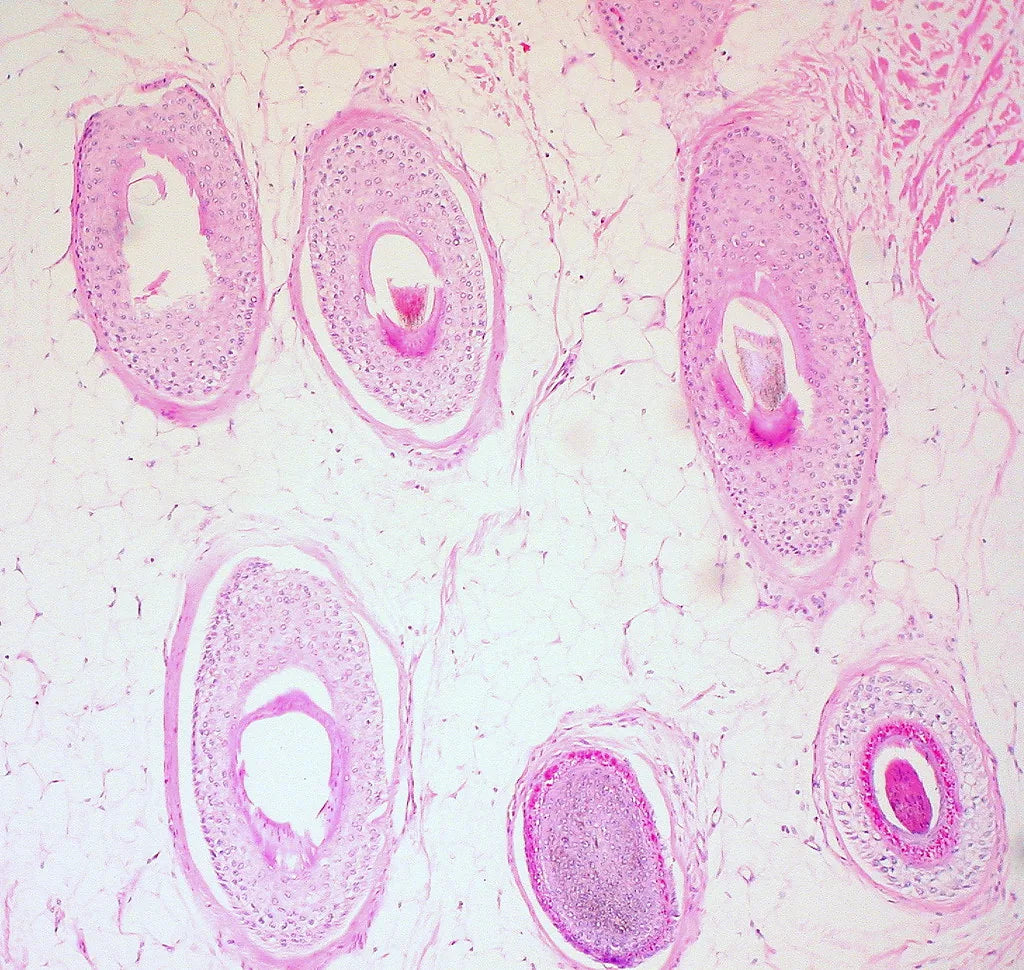
How DHT Causes Hair Loss (And How to Block It)
11 min read
Advanced Science
The Hormonal Cascade Beyond DHT: Cortisol, Thyroid, Insulin, and Hair Loss
9 min read
Advanced Science
Nitric Oxide and Scalp Blood Flow: Vascular Keys to Hair Growth
7 min read
Treatment Guides