Ingredient Science
Rosemary Oil for Hair Growth: What the Research Actually Shows
Rosemary oil has become one of the most talked-about natural remedies for thinning hair, but does the research back it up? Here is an honest look at the actual studies, including the one trial that pitted it directly against minoxidil.
Updated July 1, 2026
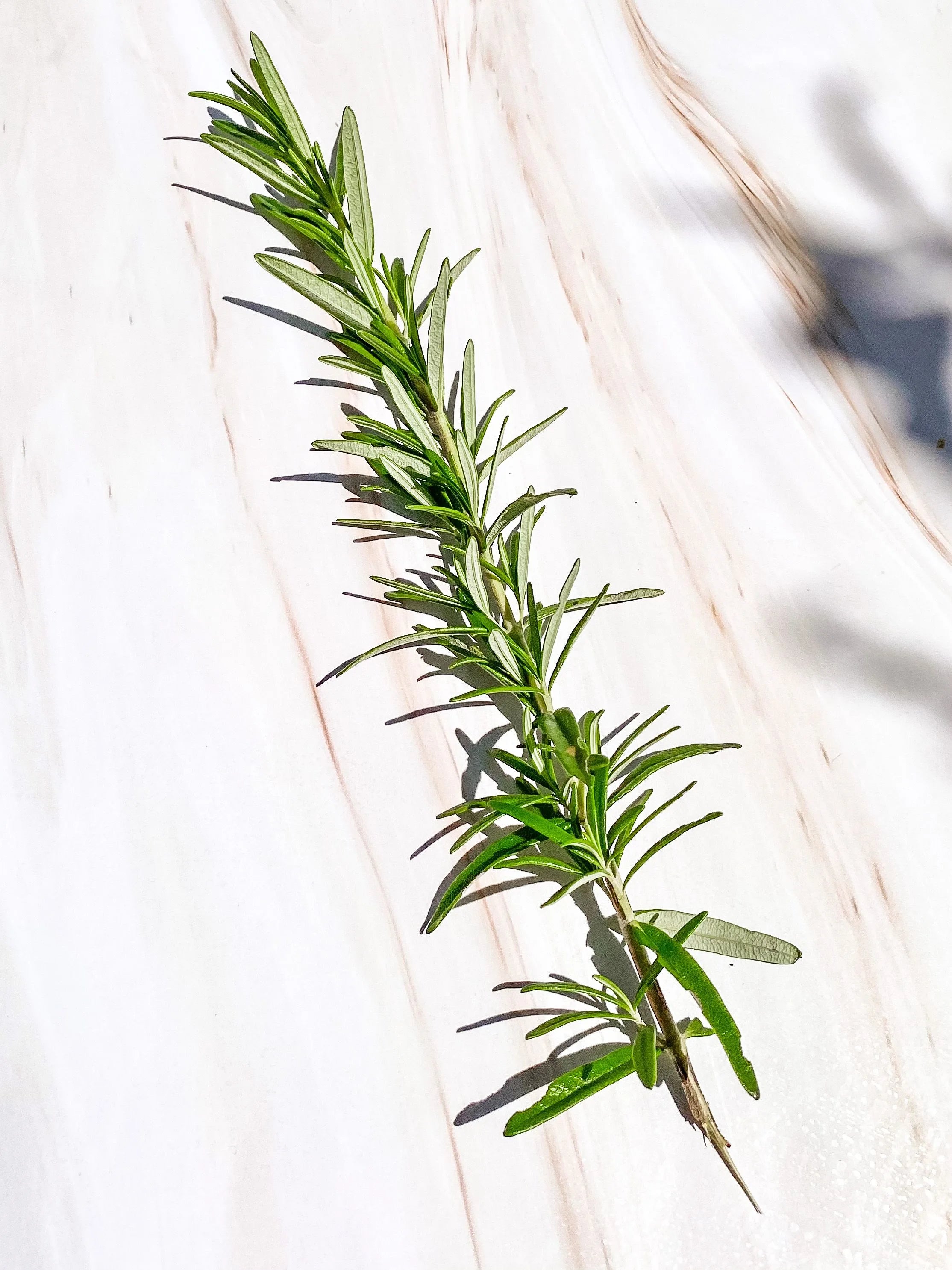
If you have spent any time researching natural options for thinning hair, you have almost certainly come across rosemary oil. It shows up in videos, comment sections, and beauty forums as a near-mythical fix, often described in the same breath as minoxidil. The truth is more interesting than the hype: there is real clinical research behind rosemary oil for hair growth, but it also gets exaggerated in ways that do not hold up under scrutiny. This article walks through what the actual studies say, how rosemary oil seems to work, how it compares to minoxidil, and how to use it if you decide to add it to your routine.
Why Rosemary Oil Is Having a Moment
Rosemary has been used in traditional medicine for centuries, mostly for circulation, memory, and skin complaints. Its recent popularity as a hair growth remedy is newer, and it took off largely because it is cheap, easy to find, and feels like a low-risk thing to try before committing to a prescription treatment. That accessibility is part of the appeal, but it is worth separating the cultural momentum from the clinical evidence.
Unlike most trending natural remedies, rosemary oil actually has something most of them lack: a real, published, randomized clinical trial comparing it directly to a proven pharmaceutical treatment. That single study is doing a lot of heavy lifting in every rosemary oil hair growth conversation you will see online, so it is worth understanding exactly what it did and did not show.
What Is Actually in Rosemary Oil
Rosemary oil is a concentrated extract from the leaves of the Rosmarinus officinalis plant. It contains a mix of active compounds, and two in particular come up repeatedly in hair research: carnosic acid and ursolic acid. These are not obscure ingredients invented for marketing purposes, they are well documented plant compounds with established antioxidant and anti-inflammatory properties.
Carnosic acid is thought to support nerve and tissue health in the skin, which matters because hair follicles depend on healthy surrounding tissue and blood supply to function normally. Ursolic acid has been studied for mild anti-inflammatory activity and has some laboratory evidence suggesting it can interact with the same 5-alpha reductase pathway that converts testosterone into DHT, the hormone most closely linked to androgenetic (pattern) hair loss. That laboratory-level interaction is genuinely interesting, but it is a long way from proof that rubbing rosemary oil on your scalp meaningfully lowers DHT activity in a real person over time. Treat it as a plausible mechanism, not a settled fact.
The Rosemary Oil vs Minoxidil Study
The study everyone references was a randomized, six month trial published in 2015 that compared rosemary oil directly against 2% topical minoxidil in people with androgenetic alopecia. Roughly 100 participants were split into two groups, one using rosemary oil and one using minoxidil, with hair counts measured at the three and six month marks.
Here is what the data actually showed:
- Neither group showed a significant change in hair count at the three month mark.
- Both groups showed a statistically significant increase in hair count by six months compared to where they started.
- There was no statistically significant difference between the rosemary oil group and the minoxidil group at either checkpoint, meaning the two treatments produced comparable results in this particular trial.
- Scalp itching increased in both groups over the course of the study, but it was reported more frequently among people using minoxidil.
That is a genuinely notable result. It is also the reason the rosemary oil vs minoxidil comparison gets repeated so often. But one trial, however well designed, is not the same as a large body of confirmatory evidence. It has not been widely replicated at the same scale, and it does not tell us how rosemary oil performs against newer minoxidil formulations, oral minoxidil, or in people with more advanced hair loss. It is a promising data point, not a verdict.
Key Point
The 2015 trial found rosemary oil performed comparably to 2% minoxidil over six months with less reported itching, but it was a single study on one specific patient group. It is encouraging evidence, not a guarantee of the same result for everyone, and it should not be read as rosemary oil being clinically interchangeable with minoxidil across the board.
How Rosemary Oil May Support the Scalp
Beyond the headline study, there are a few reasons dermatology researchers think rosemary oil scalp benefits might extend past hair count alone.
The first is circulation. Rosemary oil is commonly described as a mild vasodilator when applied topically, meaning it may modestly increase blood flow at the application site. Hair follicles rely on a steady supply of oxygen and nutrients through the scalp's blood vessels, so improved local circulation is a reasonable mechanism for supporting a healthier growth environment, even if it is not a dramatic effect on its own.
The second is its antioxidant and anti-inflammatory profile. Chronic low-grade inflammation around the hair follicle is increasingly recognized as a contributing factor in several types of hair thinning, not just androgenetic alopecia. Rosemary's compounds may help calm that inflammatory environment, which is part of why some people report their scalp feeling calmer and less irritated after consistent use, alongside any effect on shedding itself.
The third is that rosemary oil is naturally antimicrobial and can help manage buildup and excess oil on the scalp. A clean, balanced scalp is not a cure for hair loss, but a congested or inflamed scalp environment is not a good foundation for growth either, so this is a reasonable supporting benefit even if it is not the headline mechanism.
How to Use Rosemary Oil for Hair
If you want to try rosemary oil, how you use it matters as much as whether you use it. Undiluted essential oil applied directly to the scalp is a common cause of irritation, redness, and contact dermatitis, which can ironically contribute to shedding rather than prevent it.
- Choose a carrier oil. Rosemary essential oil should be diluted in something like jojoba, argan, or a lightweight carrier oil rather than applied straight from the bottle.
- Dilute properly. A common ratio is a small number of drops of rosemary oil per tablespoon of carrier oil, staying well under concentrations that could irritate the skin.
- Patch test first. Apply a small amount of the diluted mixture to your inner arm and wait 24 hours before putting anything on your scalp, especially if you have sensitive skin.
- Massage it in. Work the diluted oil into the scalp with your fingertips for a few minutes, which adds a mechanical stimulation benefit on top of the oil itself.
- Be consistent. Leave it on for at least 20 to 30 minutes, or as an overnight treatment, and repeat several times a week. The six month trial mentioned earlier used daily application, and results only became measurable after months, not weeks.
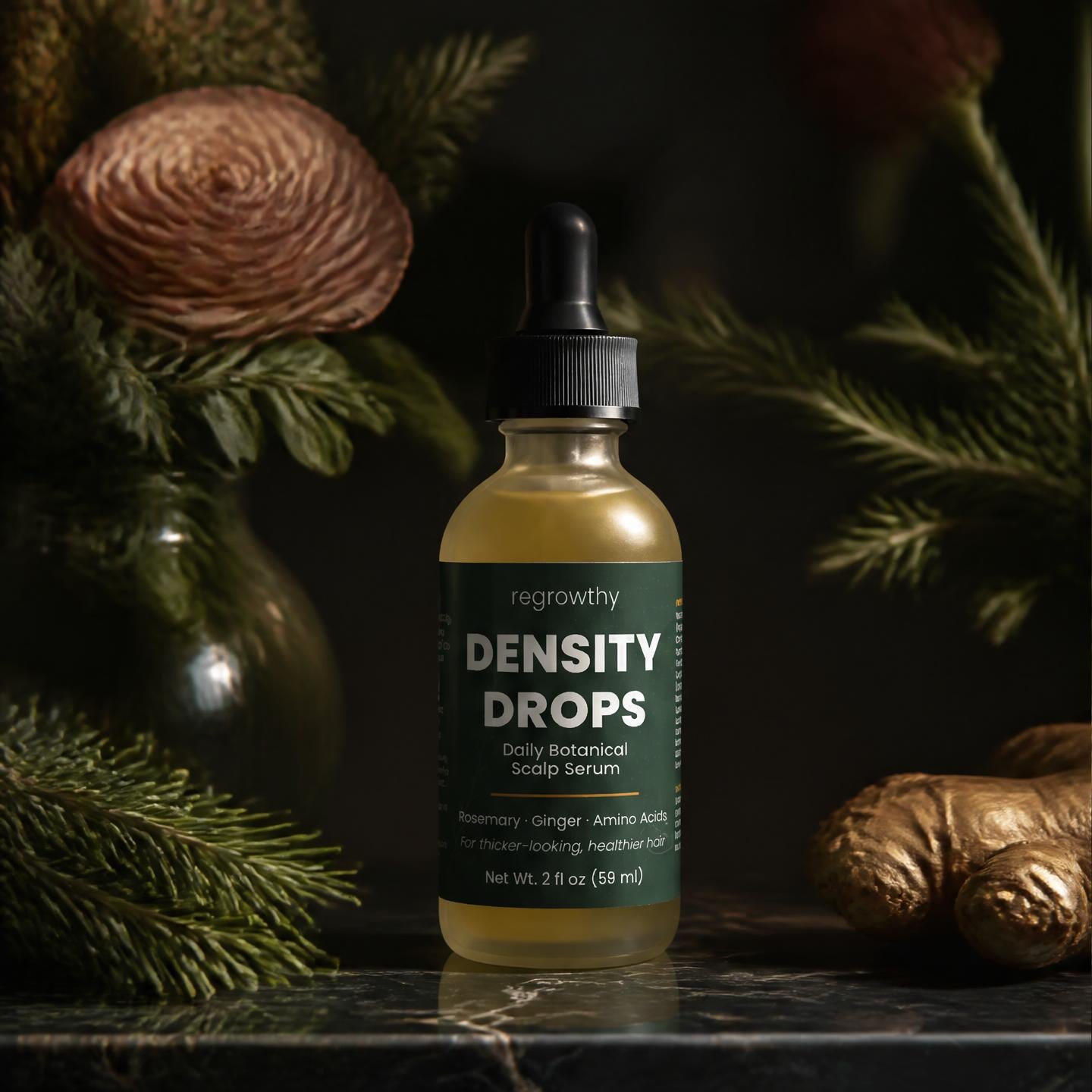
If measuring drops and mixing carrier oils is not realistic for your routine, a pre-formulated option removes the guesswork. Caffeine and rosemary are often paired in scalp serums for exactly this reason: both are believed to support the scalp environment through complementary mechanisms, one via circulation and follicle stimulation, the other via its antioxidant and anti-inflammatory profile. Regrowthy's Density Drops are formulated to deliver rosemary oil at a scalp-safe concentration alongside other supportive botanicals, so you are not stuck DIY-diluting essential oil in your kitchen and hoping you got the ratio right.
Where Rosemary Oil Falls Short
It is worth being honest about the limits here, because overselling rosemary oil does readers a disservice. The 2015 trial is a real, peer-reviewed, randomized comparison, which puts rosemary oil ahead of almost every other natural remedy circulating online. But it is still one study, on one population, over six months, measuring hair count as the primary outcome. It does not tell us whether rosemary oil works as well for advanced hair loss, whether results hold up past six months, or how it performs for hair loss caused by things other than androgenetic alopecia, such as telogen effluvium or nutritional deficiencies.
Rosemary oil also has no established mechanism for meaningfully increasing hair density in someone who is not already losing hair, and it is not a substitute for addressing an underlying cause like thyroid dysfunction, iron deficiency, or a genetic predisposition that may call for a more direct approach. Applying oil to the scalp is also inherently limited to what topical treatment alone can achieve. It does nothing for the follicle stimulation you get from light-based devices, and it does not address nutritional gaps that show up in bloodwork.
This is not a reason to dismiss rosemary oil, it is a reason to treat it as one piece of a routine rather than the entire strategy.
Building a More Complete Routine
The most realistic way to think about rosemary oil is as a legitimate, evidence-supported addition to a broader hair health routine, not a standalone solution. Hair loss is rarely caused by a single factor, so it responds best to a routine that addresses multiple angles at once: the scalp environment, follicle stimulation, and internal nutritional support.
On the topical side, pairing rosemary oil with red and near-infrared light is one of the more evidence-backed combinations available outside of prescription medication. Regrowthy's Laser Therapy Cap uses 660nm LED light, a wavelength studied for its ability to stimulate cellular activity in the hair follicle, which works through a different mechanism than a topical oil and can reasonably be used alongside it rather than instead of it. Many people build a routine where a rosemary-based scalp serum handles the topical, anti-inflammatory side of things while a laser cap session handles direct follicle stimulation a few times a week.
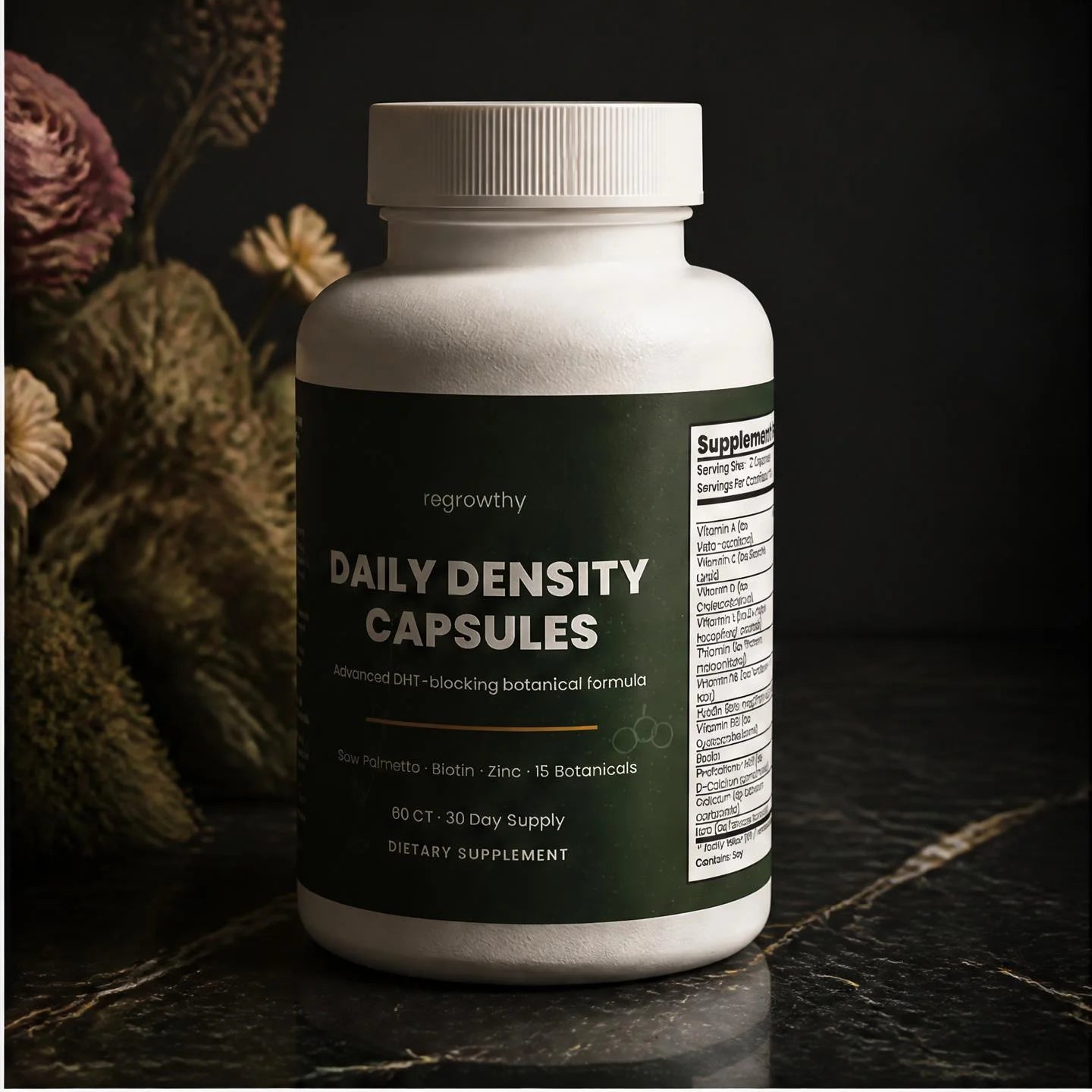
Internally, hair growth is also dependent on nutrient status, which topical treatments cannot fix. Deficiencies in zinc and other micronutrients are well documented contributors to hair thinning, and no amount of scalp oil will compensate for a genuine internal deficiency. That is a separate piece of the puzzle worth addressing through diet or a targeted supplement, not a reason to abandon a topical routine that is otherwise working.
Rosemary oil has earned its spot in the hair growth conversation. It is inexpensive, generally well tolerated when diluted correctly, and backed by a real randomized trial that most natural remedies simply do not have. The honest takeaway is not that it is a miracle cure or a minoxidil replacement for everyone, but that it is a reasonable, low-risk option worth using consistently, ideally as one part of a routine that also addresses the scalp environment and internal nutrition, rather than a single fix you expect to do all the work on its own.
From the routine
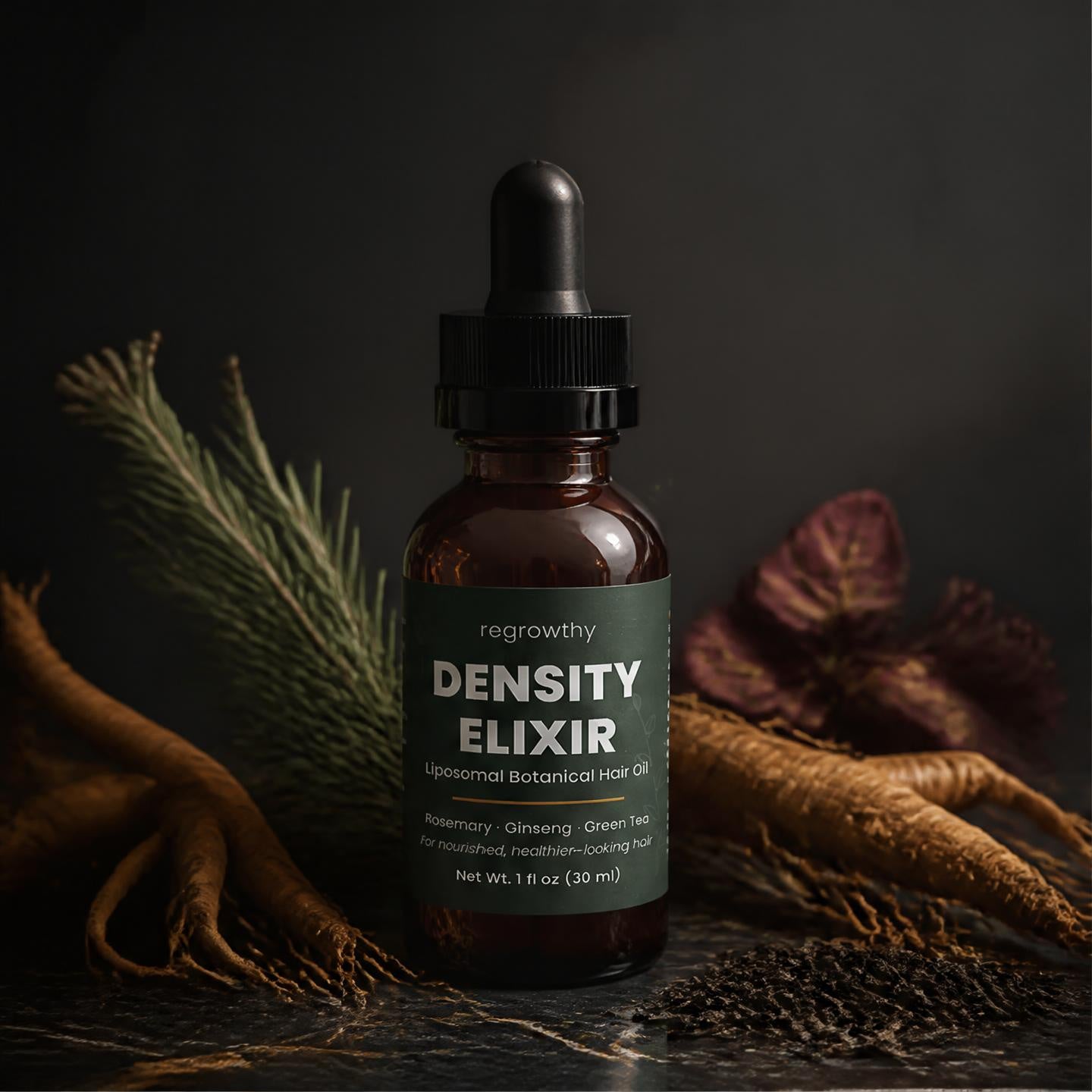
Mentioned in this article
Common questions
Frequently asked questions
Does rosemary oil really work as well as minoxidil?+
How long does it take to see results from rosemary oil?+
Can I apply rosemary oil directly to my scalp without diluting it?+
Can rosemary oil be combined with other hair loss treatments?+
Is rosemary oil safe for all hair types and scalp conditions?+
Does rosemary oil help with hair loss that is not genetic?+
The Regrowthy System
Ready to start regrowing at home?
Hands-free. Non-prescription. 660nm clinical wavelength, backed by a 30-day guarantee.
Continue Reading

Ingredient Science
Biotin for Hair Growth: How It Works and Who Actually Needs It
9 min read
Ingredient Science
Zinc and Hair Loss: The Mineral Connection Explained
9 min read
Ingredient Science
Saw Palmetto for Hair Loss: How This DHT Blocker Actually Works
9 min read
Ingredient Science