Ingredient Science
Saw Palmetto for Hair Loss: How This DHT Blocker Actually Works
Saw palmetto is often called a natural DHT blocker, but how does it actually work and does the research back it up? Here is an honest breakdown of the mechanism, the evidence, dosage, and how it stacks up against finasteride.
Updated July 1, 2026
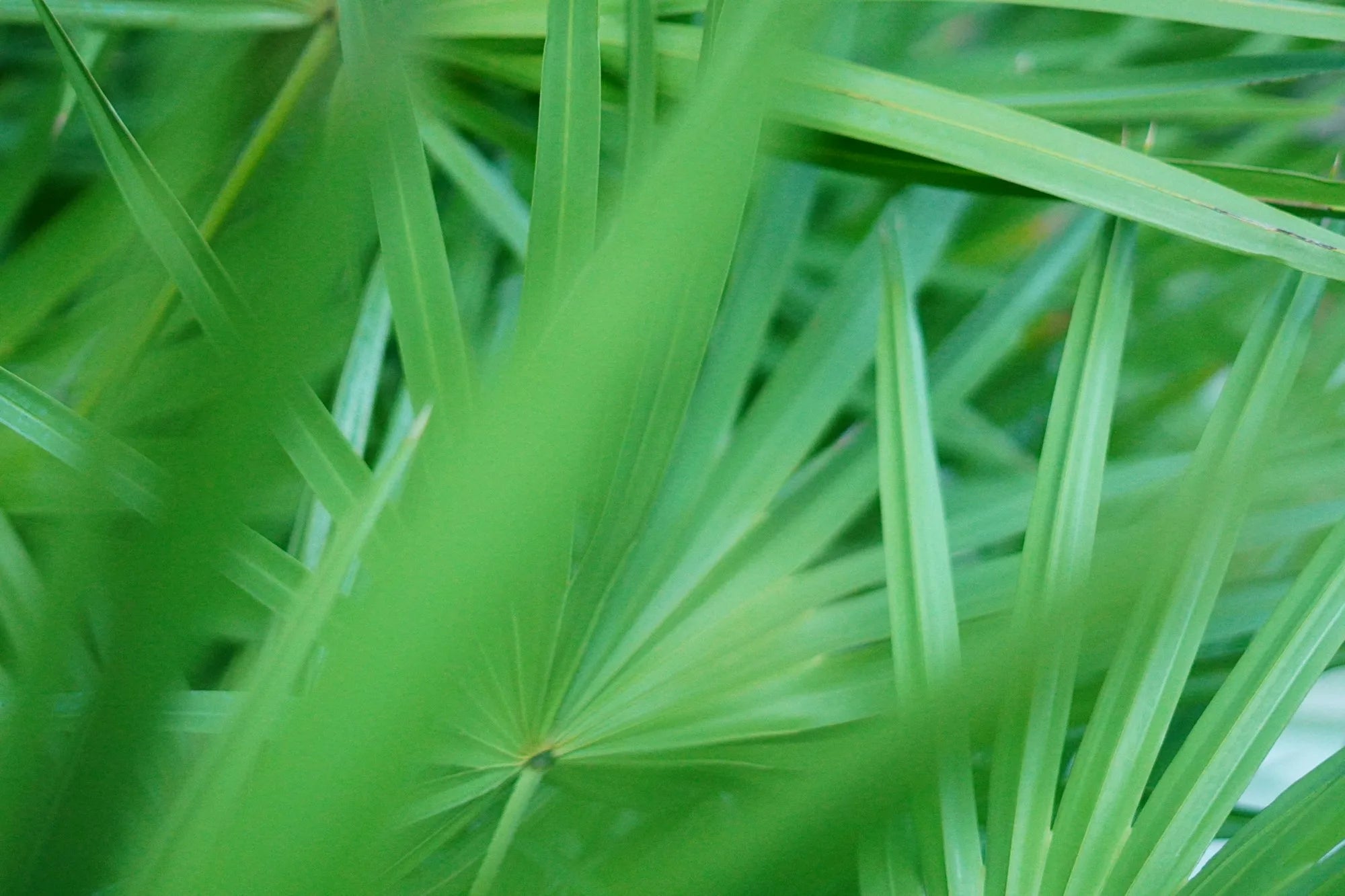
If you have spent any time researching non-prescription options for thinning hair, you have run into saw palmetto. It shows up in supplement blends, men's health forums, and dermatology literature as a "natural DHT blocker," often mentioned in the same breath as finasteride. But what is it actually doing inside your body, how strong is the evidence, and is it something worth taking seriously rather than just another botanical riding on a good story? Here is a clear, honest look at saw palmetto for hair loss, how it works, what the research actually shows, and how it compares to the prescription option most people measure it against.
What Is Saw Palmetto
Saw palmetto (Serenoa repens) is a small, fan-leafed palm native to the southeastern United States. Its dark berries have been used for well over a century, first by Native American communities and later by early 20th century physicians, mostly for urinary and prostate complaints in men. That history matters, because it is the reason saw palmetto ended up in hair loss research at all. Researchers studying benign prostatic hyperplasia noticed that saw palmetto extract interfered with androgen metabolism in a way that looked similar to how certain prostate medications behave, and that observation eventually pointed scientists toward testing it on scalp hair.
Today saw palmetto extract is sold as a standalone supplement and as an ingredient inside broader hair health formulas, usually standardized for fatty acid and phytosterol content, since those compounds are believed to drive its hormonal activity. It is not a drug, it does not require a prescription, and its safety profile in adults has been studied for decades in the context of prostate health, which gives it a longer real-world track record than most trendy hair ingredients can claim.
How Saw Palmetto Blocks DHT
To understand why saw palmetto is relevant to hair loss at all, you have to understand what actually causes androgenetic (pattern) hair loss in the first place. Testosterone is converted into a more potent hormone called dihydrotestosterone, or DHT, by an enzyme called 5-alpha-reductase. In people who are genetically predisposed to pattern hair loss, scalp follicles are unusually sensitive to DHT. Each time an exposed follicle cycles through its growth phase, DHT signals it to shorten that phase and shrink slightly. Over years, the follicle produces progressively finer, shorter hairs until it eventually stops producing visible hair at all. This is called miniaturization, and it is the defining feature of the pattern hair loss that dermatologists chart on the Norwood and Ludwig scales.
Saw palmetto's proposed mechanism is to interfere with that conversion step. Laboratory research indicates that compounds in saw palmetto extract, primarily fatty acids and plant sterols, can inhibit 5-alpha-reductase, particularly the Type II isoform that is most concentrated in hair follicles and the prostate. By blocking some of that enzyme's activity, saw palmetto is thought to reduce local DHT production around the follicle, in theory giving genetically vulnerable follicles less of a signal to miniaturize. This is the same enzyme pathway that prescription finasteride targets, just approached with a plant-derived compound instead of a synthetic pharmaceutical, and with meaningfully less potency.
It is worth being precise about what "DHT blocker" means here, because the phrase gets thrown around loosely. Saw palmetto is not a systemic hormone blocker in the way finasteride is. The evidence points to a milder, more localized effect on androgen metabolism rather than a dramatic drop in circulating DHT throughout the body. That distinction is exactly why the two are discussed so differently in terms of both effectiveness and side effects.
Key Point
Saw palmetto and finasteride both work on the same 5-alpha-reductase pathway. Finasteride is a targeted pharmaceutical that produces a strong, systemic reduction in DHT. Saw palmetto is a milder botanical inhibitor with a more localized, less potent effect, which is why the two occupy very different places in a hair loss routine.
What the Research Actually Shows
Saw palmetto is one of the more studied botanicals in the hair loss space, though the body of research is still smaller and less consistent than what exists for finasteride or minoxidil. A placebo-controlled trial testing a saw palmetto and beta-sitosterol combination found that roughly 60 percent of treated men showed improvement in hair growth, compared to about 11 percent in the placebo group, a meaningful gap that suggests real biological activity rather than a placebo response alone.
A separate head-to-head comparison against finasteride found saw palmetto improved hair in about 38 percent of men, a real but noticeably lower response rate than finasteride achieved in the same study. That kind of head-to-head data is genuinely useful because it does not just ask whether saw palmetto works better than nothing, it tells you roughly where it lands relative to the prescription standard. The honest takeaway from the current research is that saw palmetto shows a consistent, biologically plausible effect on hair density for a subset of men with early to moderate pattern thinning, but it is not positioned by the evidence as a replacement for finasteride in cases where someone needs the strongest possible intervention.
It is also worth noting that most saw palmetto trials are smaller and shorter in duration than the large, multi-year trials that established finasteride's track record. That does not invalidate the findings, but it does mean the confidence interval around saw palmetto's real-world effect size is wider. Dermatology researchers generally describe it as a reasonable adjunct or entry point for people who want to address the DHT pathway without committing to a prescription, rather than a guaranteed replacement for stronger interventions.
Saw Palmetto Dosage for Hair Loss
Dosage matters more with saw palmetto than people expect, because the compounds responsible for its 5-alpha-reductase activity, particularly the free fatty acid content, vary widely between products depending on how the extract is processed. Most of the research showing a hair benefit has used standardized extracts in the range of roughly 200 to 320 milligrams per day, often standardized to contain a specific percentage of fatty acids and sterols rather than just raw berry powder. A vague "saw palmetto" label with no standardization information is much less likely to deliver a comparable dose of active compounds than an extract that specifies its fatty acid content.
A few practical points worth knowing before you start:
- Look for a liposterolic (fat-soluble) extract standardized to a defined percentage of fatty acids, since this is the form most closely tied to the studied dose ranges.
- Consistency matters more than any single dose. Saw palmetto works on a hormonal pathway that governs a slow biological process, so daily use over months, not weeks, is what the research protocols actually tested.
- Saw palmetto is frequently combined with other supportive nutrients like zinc, biotin, and plant sterols in a single daily formula, which is part of why products like Daily Density Pro Capsules build it into a broader capsule rather than selling it in isolation.
- As with any supplement affecting hormone metabolism, it is worth mentioning to a doctor if you are on other medications, pregnant, or nursing.
Most published trials run for a minimum of three to six months before measuring results, which lines up with how hair biology actually works. A follicle that shifts out of its shortened growth cycle does not produce a visibly longer, thicker hair overnight. Expecting saw palmetto, or frankly any hair loss intervention, to show results inside a month is setting yourself up to quit right before it would have had a chance to work.
Saw Palmetto vs Finasteride
This is the comparison most people actually want answered, and it deserves a fair, non-hyped answer. Finasteride is a prescription medication that inhibits 5-alpha-reductase systemically and produces a substantial, well-documented reduction in circulating DHT. Large clinical trials over multiple years have shown it can halt further hair loss progression in the large majority of men who take it consistently, with a meaningful share also experiencing regrowth. That level of evidence, generated over decades of pharmaceutical-grade trials, is simply more extensive than what exists for any botanical, saw palmetto included.
The trade-off is the side effect profile. Because finasteride lowers DHT throughout the entire body rather than just at the scalp, a documented subset of users report sexual side effects, mood changes, or other systemic symptoms, and for some of those users symptoms have been reported to persist after stopping the medication. It also requires an ongoing prescription and, in most cases, a telehealth or in-person consultation to obtain.
Saw palmetto sits in a genuinely different category. It is milder, available without a prescription, and appears to work more locally at the follicle rather than by suppressing DHT throughout the body. The research suggests it can meaningfully help a subset of men with early to moderate thinning, but it is not shown to match finasteride's response rate in direct comparison. In practical terms, saw palmetto is a reasonable choice for someone who wants to address the DHT pathway without a prescription and without accepting finasteride's systemic risk profile, while finasteride remains the stronger, more studied option for someone who wants the most aggressive available intervention and is comfortable with that trade-off. Neither choice is right or wrong, they are simply built for different risk tolerances and different reasons for avoiding or wanting a prescription drug.
Combining Saw Palmetto With Other Approaches
One of the more useful things about saw palmetto is that its mechanism, blocking DHT production, is entirely different from the mechanisms behind other well-studied non-prescription approaches, which means they can reasonably be layered rather than treated as competing options. A 660nm red light device like the Laser Therapy Cap works by stimulating cellular energy production in the follicle and improving local blood flow, addressing the "fuel and circulation" side of hair health rather than the hormonal side. Saw palmetto addresses the hormonal signal that drives miniaturization in the first place. Used together, a DHT-focused supplement and a light-based device are targeting two separate points in the same overall process, which is a big part of why multi-modal routines tend to outperform any single ingredient used alone. If you want more background on how a topical botanical fits into that same picture, the research on rosemary oil for hair growth covers a complementary, non-hormonal mechanism worth understanding too.
This is also why saw palmetto rarely appears by itself in a well-built supplement. Pairing it with supportive nutrients, and in some formulas with topical actives, is meant to cover more of the biological picture than a single isolated ingredient can. It is a reasonable foundation piece for a DHT-focused routine, not a standalone solution to be taken in a vacuum and expected to do all the work.
Who Should Consider Saw Palmetto
Saw palmetto tends to make the most sense for people in the early to moderate stages of pattern thinning who want to address the DHT pathway but are not ready for, do not want, or cannot access a prescription. It is a reasonable entry point for someone who has noticed increased shedding, a widening part, or early recession and wants to intervene before more follicles miniaturize past the point of easy recovery, since earlier intervention generally gives any DHT-focused approach more living follicles to work with.
It is a less obvious fit for someone with advanced, longstanding hair loss where most affected follicles may no longer be actively producing hair, since no DHT blocker, prescription or otherwise, can revive a follicle that has already gone dormant for years. It is also not the right tool for hair loss that is not androgenetic in nature, such as thinning driven by thyroid issues, iron deficiency, postpartum shifts, or telogen effluvium from stress or illness, since those causes are not primarily driven by the 5-alpha-reductase pathway saw palmetto acts on. Getting an honest read on which category your hair loss falls into, ideally from a dermatologist, is worth doing before building an entire routine around any DHT-focused ingredient.
Saw palmetto is not a miracle and it is not a scam either. It is a modestly effective, reasonably well-tolerated botanical with a plausible mechanism and a real, if smaller, body of supporting research. For the right person, someone with early androgenetic thinning who wants to address the DHT pathway without stepping onto a prescription drug, it is a legitimate piece of a broader routine rather than a gimmick borrowing credibility from finasteride's reputation. Like most things in hair health, it works best as one part of a consistent, multi-angle approach rather than a single ingredient asked to do all the work on its own.
From the routine
Mentioned in this article
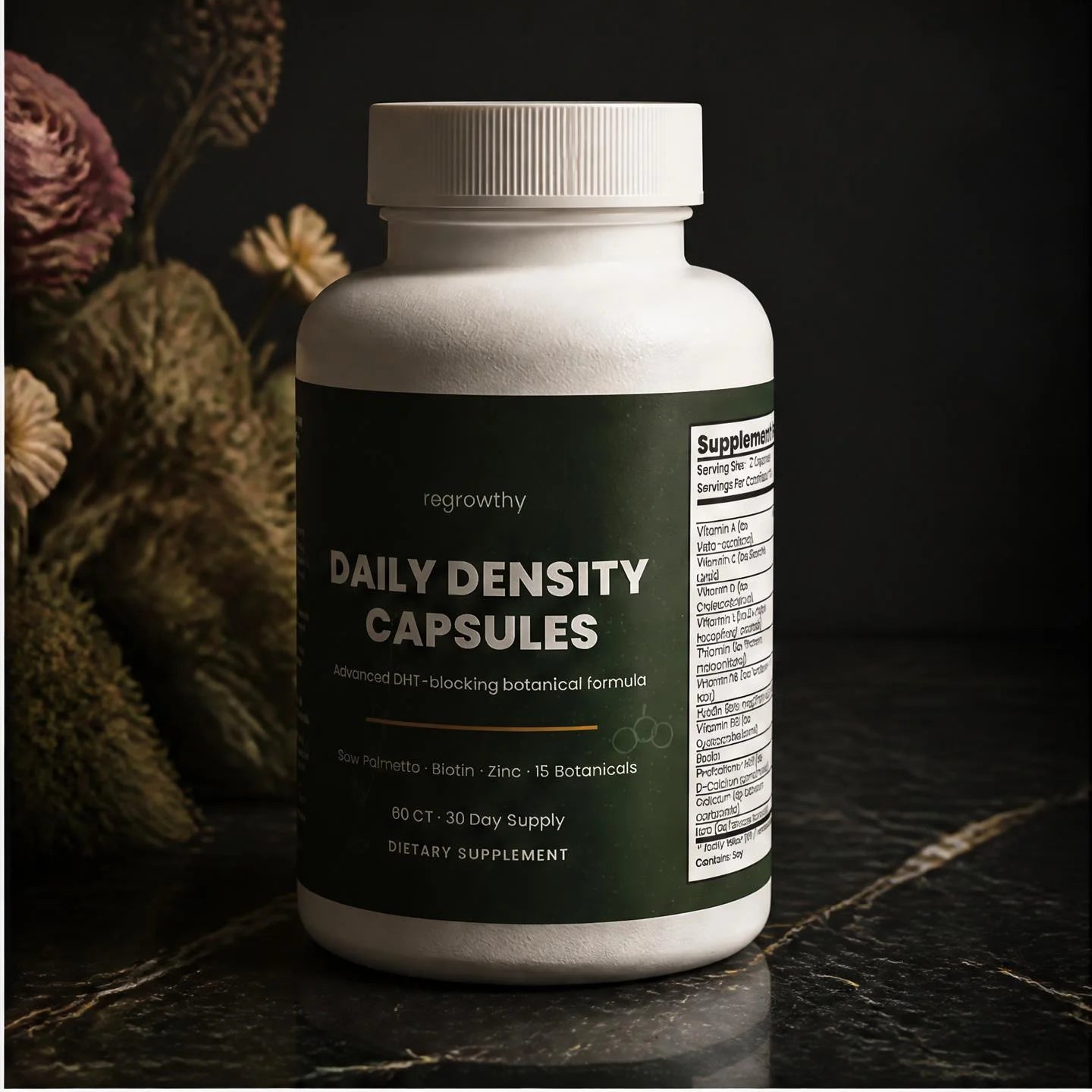
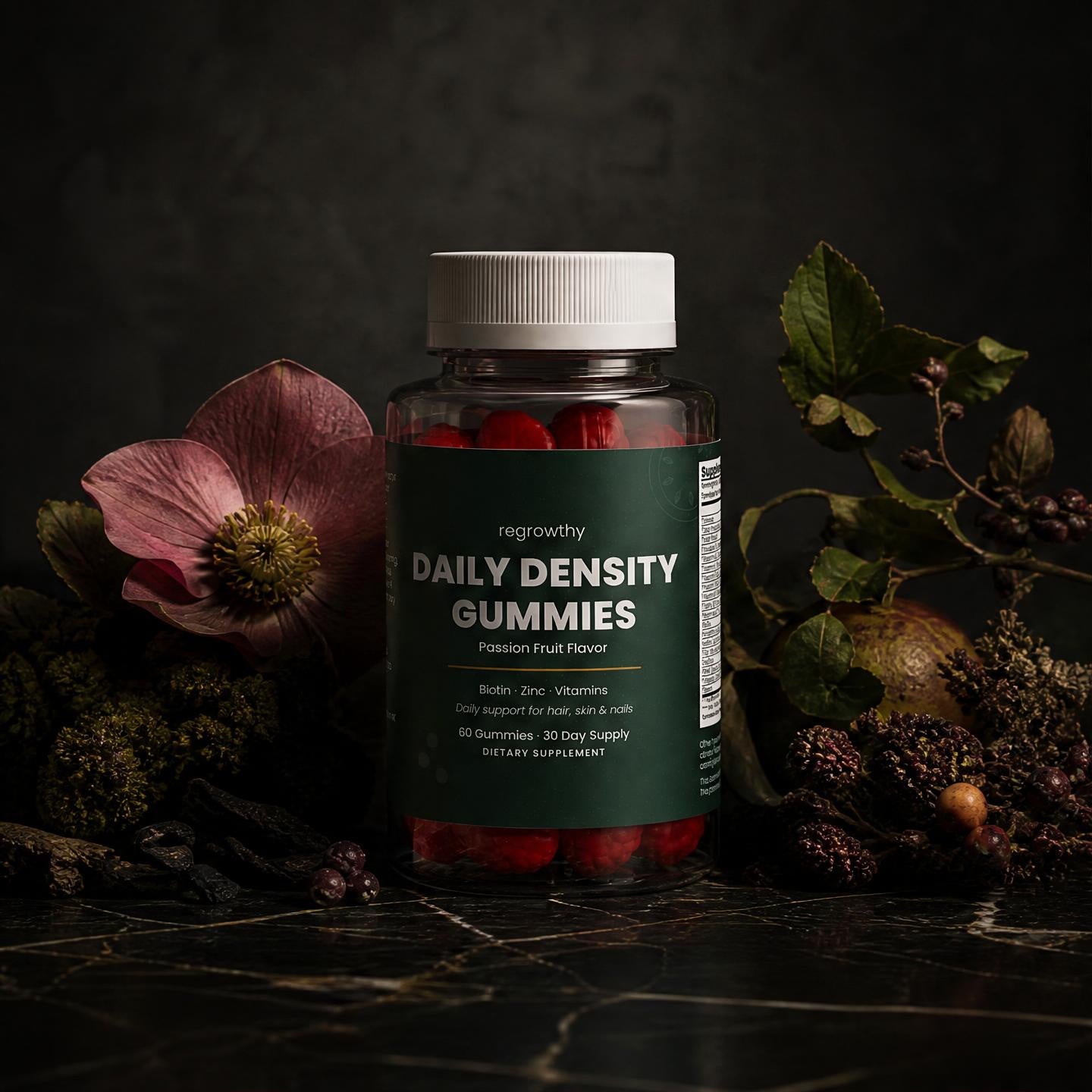
Common questions
Frequently asked questions
How long does saw palmetto take to work for hair loss?+
Is saw palmetto as effective as finasteride?+
What is the right saw palmetto dosage for hair loss?+
Are there side effects to taking saw palmetto?+
Can saw palmetto be combined with other hair loss treatments?+
Does saw palmetto work for women's hair thinning too?+
The Regrowthy System
Ready to start regrowing at home?
Hands-free. Non-prescription. 660nm clinical wavelength, backed by a 30-day guarantee.
Continue Reading
Ingredient Science
Caffeine for Hair Growth: Topical Science Explained
9 min read
Ingredient Science
Ketoconazole for Hair Loss: What the Antifungal Science Shows
9 min read
Ingredient Science
Rosemary Oil for Hair Growth: What the Research Actually Shows
9 min read
Ingredient Science