Hair Loss Science
Laser Therapy for Hair Loss: How It Works
Laser therapy has become a cornerstone of modern hair restoration. Here's how laser therapy triggers the growth factor cascade that wakes up dormant follicles.
Updated January 20, 2026
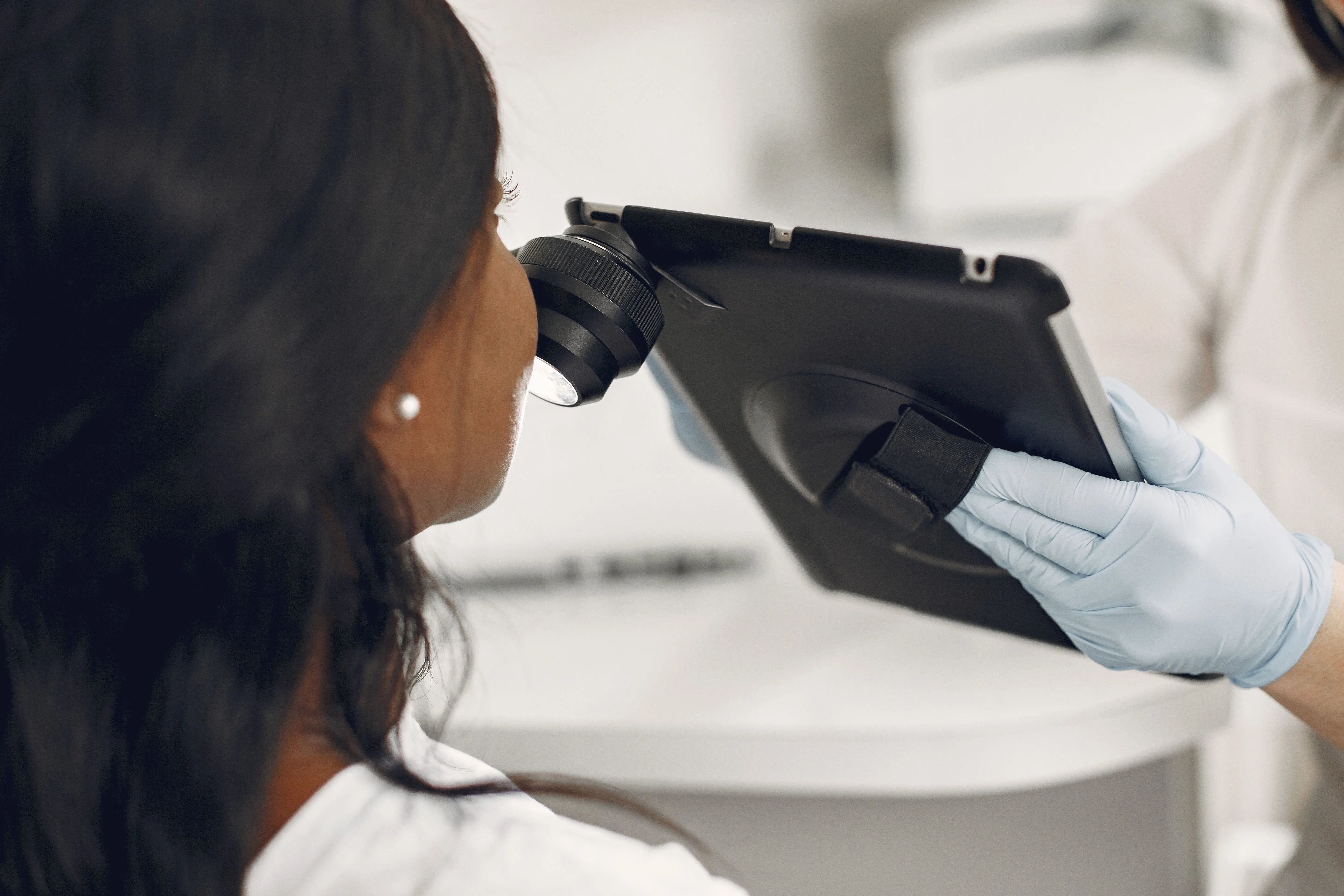
Laser therapy has rapidly emerged as one of the most effective non-drug treatments for hair loss. By creating controlled micro-injuries in the scalp with laser therapy, this technique triggers a wound-healing cascade that releases powerful growth factors, stimulates collagen production, and can wake up dormant follicles. The clinical evidence is compelling - and growing.
In this guide, we'll cover exactly how laser therapy works for hair growth, why laser therapy stamps are the preferred tool over rollers, what the research shows, and how to incorporate this treatment into your regrowth protocol.
What Is Laser Therapy?
Laser therapy - also called collagen induction therapy (CIT) or percutaneous collagen induction (PCI) - involves using a device with fine needles to create tiny, controlled punctures in the skin. When applied to the scalp, these micro-injuries trigger the body's natural wound-healing response, releasing a cascade of growth factors and regenerative signals that benefit hair follicles.
Originally developed for skin rejuvenation (treating scars and wrinkles), laser therapy was first studied for hair loss by Dhurat et al. in a landmark 2013 study published in the International Journal of Trichology. The results were impressive enough to spark significant research interest, and laser therapy is now considered a core component of advanced hair restoration protocols.
The key principle is that controlled injury stimulates repair. The micro-punctures are small enough to heal quickly (within hours) without scarring, but significant enough to activate the body's regenerative machinery - including growth factors that directly stimulate hair follicle activity.
How Laser Therapy Stimulates Hair Growth
The wound-healing response triggered by laser therapy involves three overlapping phases, each contributing to hair follicle stimulation:
Phase 1: Inflammation (Hours 0-48)
Immediately after laser therapy, the body initiates an inflammatory response. Platelets aggregate at the micro-wound sites and release platelet-derived growth factor (PDGF) and transforming growth factor (TGF-β). Essentially, your body performs its own mini PRP treatment at each needle site - without the $500-$1,000 clinic bill.
Phase 2: Proliferation (Days 2-14)
During the proliferation phase, fibroblasts produce new collagen (types I and III), and angiogenesis (new blood vessel formation) occurs around the treated area. Critically, this phase also involves upregulation of Wnt signaling pathways and release of vascular endothelial growth factor (VEGF), fibroblast growth factor (FGF), and insulin-like growth factor (IGF-1) - all of which directly stimulate hair follicle stem cells.
Phase 3: Remodeling (Days 14-90)
The final phase involves tissue remodeling, where new collagen matures and the extracellular matrix around follicles is strengthened. This improved structural environment supports healthier, thicker hair growth in subsequent cycles. Regular laser therapy sessions keep this regenerative process active on an ongoing basis.
🔬Study Highlight
Dhurat & Sukesh (2013) demonstrated that laser therapy combined with topical treatment resulted in significantly higher hair counts than topical treatment alone in a 12-week randomized trial. The laser therapy group showed a mean change in hair count of +91.4 versus +22.2 in the control group. (PMID: 23974683)
Why Laser Therapy Stamps Beat Derma Rollers
This is a critical distinction that many newcomers to laser therapy overlook. There are two main tools: laser therapy stamps and derma rollers. They are not interchangeable, especially for scalp treatment.
Laser therapy stamps use a flat array of needles that enter the skin vertically (perpendicular to the surface). This creates clean, precise punctures with minimal lateral tissue damage. The needles go in, come out, and the wound heals quickly and cleanly.
Derma rollers, by contrast, use a cylindrical barrel covered in needles that rotate across the skin. This rolling motion means needles enter at an angle, drag slightly through tissue, and exit at an angle - creating micro-tears rather than clean punctures. On the scalp, which has thin skin and sensitive follicles, this dragging motion increases the risk of unnecessary trauma and potential scarring.
| Factor | Laser Therapy | Derma Roller |
|---|---|---|
| Needle Entry | Vertical (clean) | Angled (dragging) |
| Tissue Trauma | Minimal | Higher (micro-tears) |
| Precision | Targeted areas | Less control |
| Serum Absorption | Higher | Lower |
| Scarring Risk | Very low | Moderate |
| Professional Preference | Preferred | Not recommended for scalp |
Professional dermatologists overwhelmingly prefer stamps over rollers for scalp treatments. Studies show stamps have better serum absorption rates than rollers because the clean vertical channels allow topical products to penetrate more efficiently. For scalp treatment, the Regrowthy laser therapy stamp with medical-grade titanium needles provides the precision and safety you need. For a detailed comparison, read our full laser therapy vs. roller guide.
Clinical Evidence for Laser Therapy
The clinical evidence supporting laser therapy for hair loss is strong and continues to grow:
- Dhurat & Sukesh (2013): 100 men with androgenetic alopecia were randomized to laser therapy + topical treatment vs. topical treatment alone. The laser therapy group showed a 4x greater increase in hair count over 12 weeks. (PMID: 23974683)
- Singh & Goldberg (2016): Demonstrated that laser therapy activates Wnt/β-catenin and other hair growth signaling pathways through wound-healing mechanisms. (PMID: 27293248)
- Faghihi et al. (2021): Found that laser therapy at 1.5mm depth in combination with topical treatment outperformed topical treatment alone for both hair count and hair thickness improvements.
Recommended Laser Therapy Protocol
Based on clinical research and best practices:
- Needle depth: 0.5mm for weekly serum-enhancing sessions; 1.0-1.5mm for monthly deep treatments. See our depth guide for details.
- Frequency: 0.5mm weekly, 1.0mm every 2 weeks, or 1.5mm monthly. The deeper the needle, the more recovery time needed.
- Technique: Press the stamp firmly into the scalp and lift - don't drag. Work in a grid pattern covering all thinning areas.
- Duration: A full scalp stamping session takes 5-10 minutes.
- Aftercare: Clean the scalp gently. Wait 12-24 hours before applying serums after deep (1.5mm) sessions. For shallow (0.5mm) sessions, you can apply laser cap immediately after.
Aftercare and Serum Timing
Proper aftercare maximizes results and minimizes any discomfort. After a laser therapy session:
- Your scalp may appear slightly pink for 1-4 hours (normal).
- Avoid hot water, swimming, and direct sun exposure for 24 hours.
- For 0.5mm sessions: Apply laser cap immediately after - the targeted energy enhance absorption by up to 200%.
- For 1.0-1.5mm sessions: Wait 12-24 hours before applying serums. Use only gentle, non-irritating products.
- Don't shampoo for at least 12-24 hours after deep sessions.
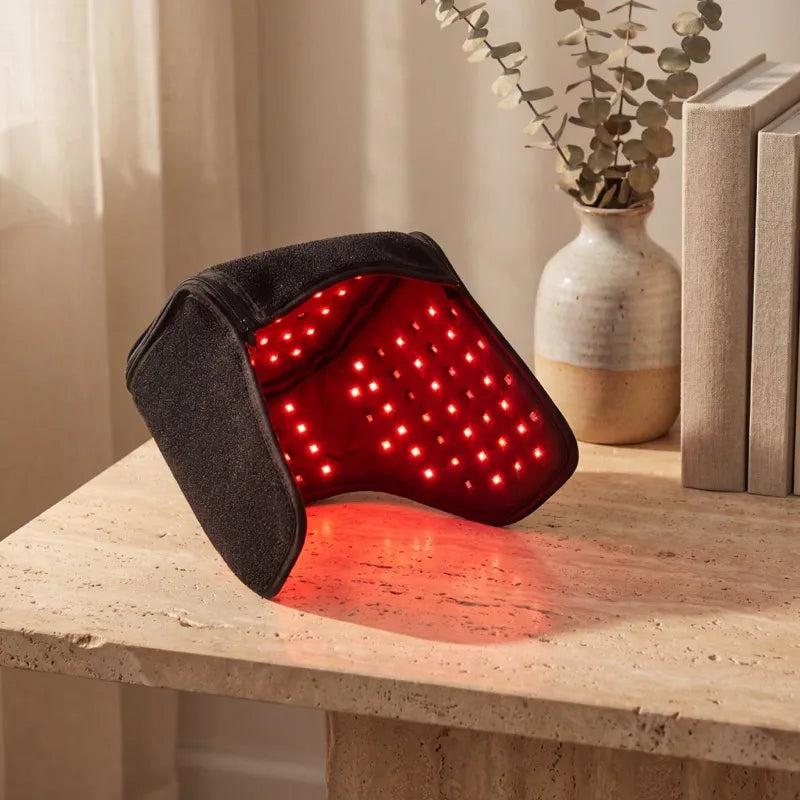
Combining laser therapy with red light therapy and topical DHT blockers creates a synergistic protocol that addresses hair loss from multiple angles. The Regrowthy Laser Therapy Cap includes all three components - LED cap, laser therapy, and laser cap - in a coordinated protocol designed for maximum results.
From the routine
Mentioned in this article
Common questions
Frequently asked questions
Does laser therapy hurt on the scalp?+
How long until I see results from laser therapy?+
Can I use a derma roller instead of laser therapy?+
Should I apply minoxidil after laser therapy?+
The Regrowthy System
Ready to start regrowing at home?
Hands-free. Non-prescription. 660nm clinical wavelength, backed by a 30-day guarantee.
Continue Reading
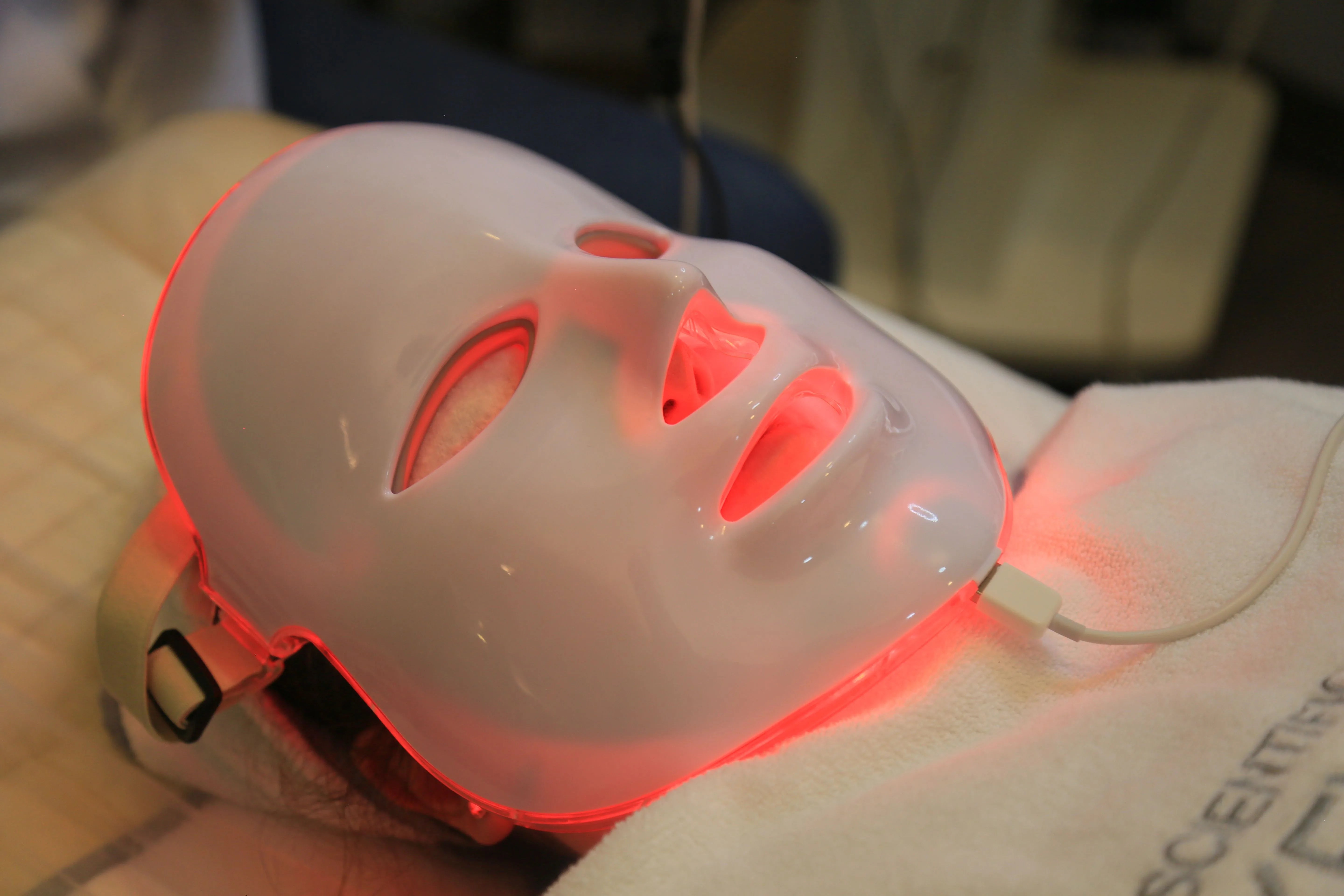
Hair Loss Science
Red Light Therapy for Hair Growth: The 660nm Science
11 min read
Results & Progress
Building a Consistent Hair Treatment Routine That Sticks
7 min read
Treatment Guides
Multi-Modal Hair Loss Treatment: Why Combining Works Best
11 min read
Results & Progress