Hair Loss Science
Telogen Effluvium vs. Androgenic Alopecia
Not all hair loss is the same. Understanding whether you have telogen effluvium or androgenic alopecia determines your entire treatment approach.
Updated December 15, 2025
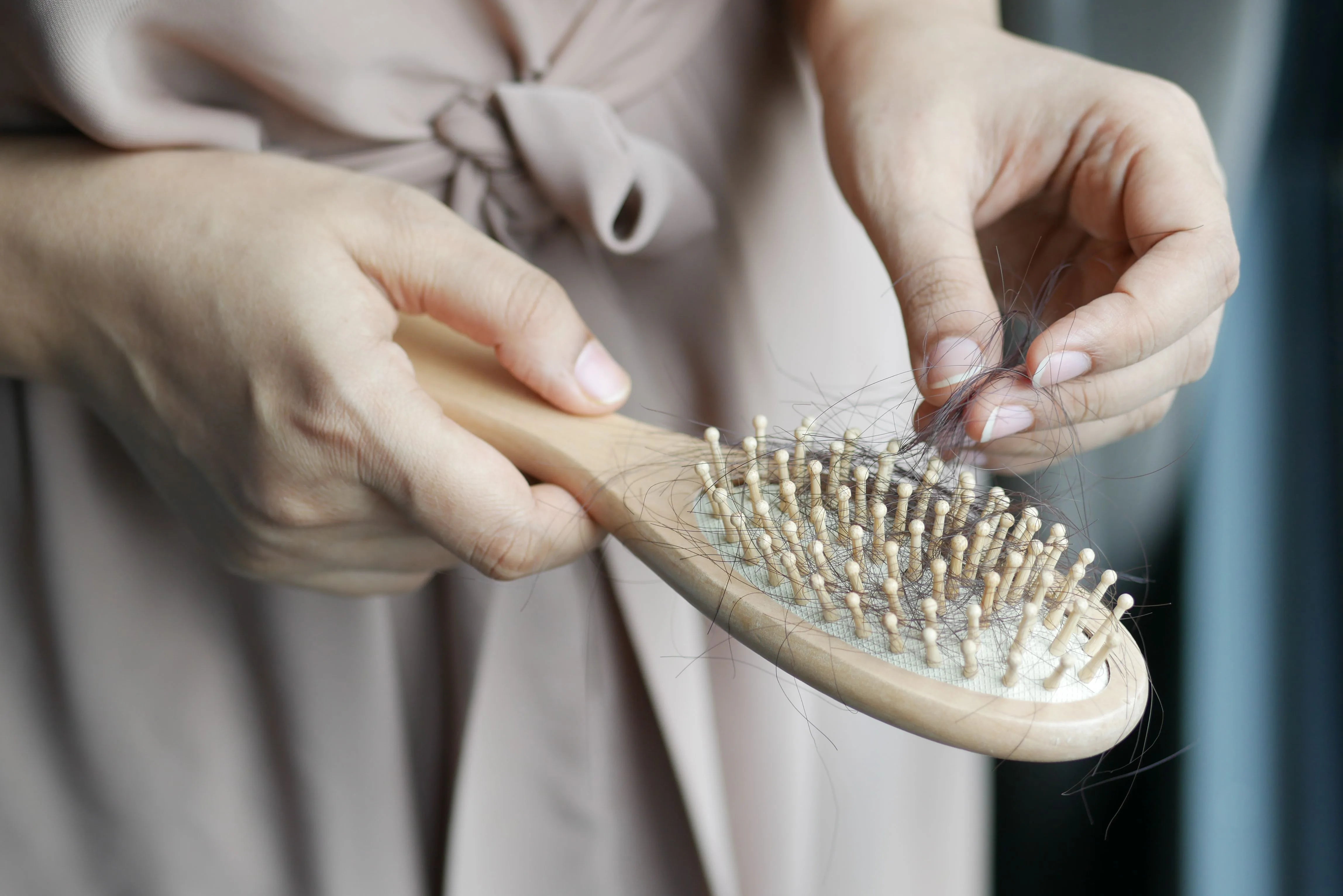
You're finding more hair in the shower drain and on your pillow. But is it temporary stress shedding that will resolve on its own, or the beginning of permanent male pattern baldness? The distinction between telogen effluvium (TE) and androgenic alopecia (AGA) is crucial - because the treatment approach for each is fundamentally different.
In this guide, we'll break down both conditions, help you identify which one you're dealing with, and outline the best treatment strategies for each.
Two Different Conditions, Similar Symptoms
Both telogen effluvium and androgenic alopecia result in hair loss, which is why they're often confused. However, their underlying mechanisms, patterns, and prognoses are very different:
| Characteristic | Telogen Effluvium | Androgenic Alopecia |
|---|---|---|
| Pattern | Diffuse (all over) | Patterned (temples, crown) |
| Onset | Sudden (2-4 months after trigger) | Gradual (months to years) |
| Duration | Temporary (3-6 months) | Progressive (without treatment) |
| Cause | Stress, illness, diet, medication | DHT + genetic sensitivity |
| Shed hairs | Full-thickness with white bulb | Progressively thinner/finer |
| Reversible? | Usually fully | Treatable, partially reversible |
Telogen Effluvium Explained
Telogen effluvium occurs when a significant physiological stress pushes a large number of hair follicles into the telogen (resting) phase prematurely. Normally, only about 10-15% of your hairs are in telogen at any time. In TE, this can jump to 30% or more - resulting in noticeable, diffuse shedding across the entire scalp.
Common triggers include:
- Severe emotional or physical stress
- Major illness, surgery, or high fever
- Crash dieting or significant nutritional deficiencies
- Medication changes (antidepressants, blood thinners, hormonal medications)
- Hormonal changes (thyroid issues)
The hallmark of TE is that the shedding typically begins 2-4 months after the triggering event (reflecting the time it takes for follicles to move through catagen into telogen and shed). The good news: TE is almost always temporary. Once the trigger is resolved, most people see full recovery within 6-12 months as follicles re-enter the anagen growth phase naturally.
Androgenic Alopecia Explained
Androgenic alopecia, by contrast, is a progressive genetic condition driven by DHT sensitivity in scalp follicles. Rather than sudden shedding, it involves gradual miniaturization - each hair cycle produces a slightly thinner, shorter hair until the follicle can no longer produce visible hair.
Key characteristics include a predictable pattern (receding temples, thinning crown), gradual progression over months or years, and the presence of miniaturized (thin, wispy) hairs in affected areas. Unlike TE, androgenic alopecia does not resolve on its own - it requires active treatment to slow, stop, or reverse.
However, with consistent multi-modal treatment - combining red light therapy, laser therapy, and topical DHT blockers - many men achieve significant improvement. The key is starting early and being consistent.
How to Tell the Difference
Here are practical ways to distinguish between TE and AGA:
- Pull test location: Gently pull a small section of hair (about 60 hairs). In TE, you'll get increased shedding from all areas of the scalp equally. In AGA, shedding is concentrated at the top and front while the sides and back are normal.
- Look at shed hairs: TE shed hairs are full-thickness with a white bulb at the root (telogen hairs). AGA shed hairs are often thin and miniaturized.
- Timeline: Can you identify a trigger event 2-4 months before shedding started? Likely TE. Has thinning been gradual over months/years? Likely AGA.
- Pattern: Diffuse, even thinning suggests TE. Patterned recession at temples and/or crown suggests AGA.
- Family history: Strong family history of baldness makes AGA more likely.
Treatment Approaches
Treating Telogen Effluvium
The primary treatment for TE is addressing the underlying trigger. If stress-related, implement stress management techniques. If nutritional, correct deficiencies through diet and supplementation. Supporting recovery with gentle scalp care, a nutrient-rich diet, and growth-promoting serums can help accelerate the recovery process.
Treating Androgenic Alopecia
AGA requires an active, ongoing treatment protocol. The most effective non-prescription approach combines multiple modalities: LED therapy to energize follicles, laser therapy to trigger growth factors, caffeine and biotin-based laser caps to block DHT topically, and Laser Cap to cleanse the scalp of DHT buildup. This multi-modal approach achieves results without the sexual side effects of finasteride or the mess and dependency of minoxidil.
Can You Have Both?
Yes - and this is more common than many realize. A man with early androgenic alopecia who then experiences a stressful event can develop TE on top of AGA, resulting in dramatically accelerated thinning. In these cases, treating both conditions simultaneously is important: address the TE triggers while also implementing a comprehensive AGA protocol. The Regrowthy Laser Therapy Cap addresses both by providing LED therapy, laser therapy, laser caps, and Laser Cap - supporting recovery from TE while actively combating AGA progression.
From the routine
Mentioned in this article


Common questions
Frequently asked questions
How much shedding is normal?+
Will telogen effluvium hair grow back?+
Can stress make androgenic alopecia worse?+
Should I see a doctor for hair loss?+
The Regrowthy System
Ready to start regrowing at home?
Hands-free. Non-prescription. 660nm clinical wavelength, backed by a 30-day guarantee.
Continue Reading

Hair Loss Science
Understanding Male Pattern Baldness: The Complete Guide
12 min read
Hair Loss Science
Does Stress Cause Hair Loss? The Connection
9 min read
Hair Loss Science
The Hair Growth Cycle: Anagen, Catagen, Telogen
9 min read
Lifestyle & Wellness