Ingredient Science
Ketoconazole for Hair Loss: What the Antifungal Science Shows
Ketoconazole shampoo keeps coming up in hair loss forums as a DHT-blocking secret weapon, but the actual science is more modest and more interesting than the hype suggests.
Updated July 1, 2026
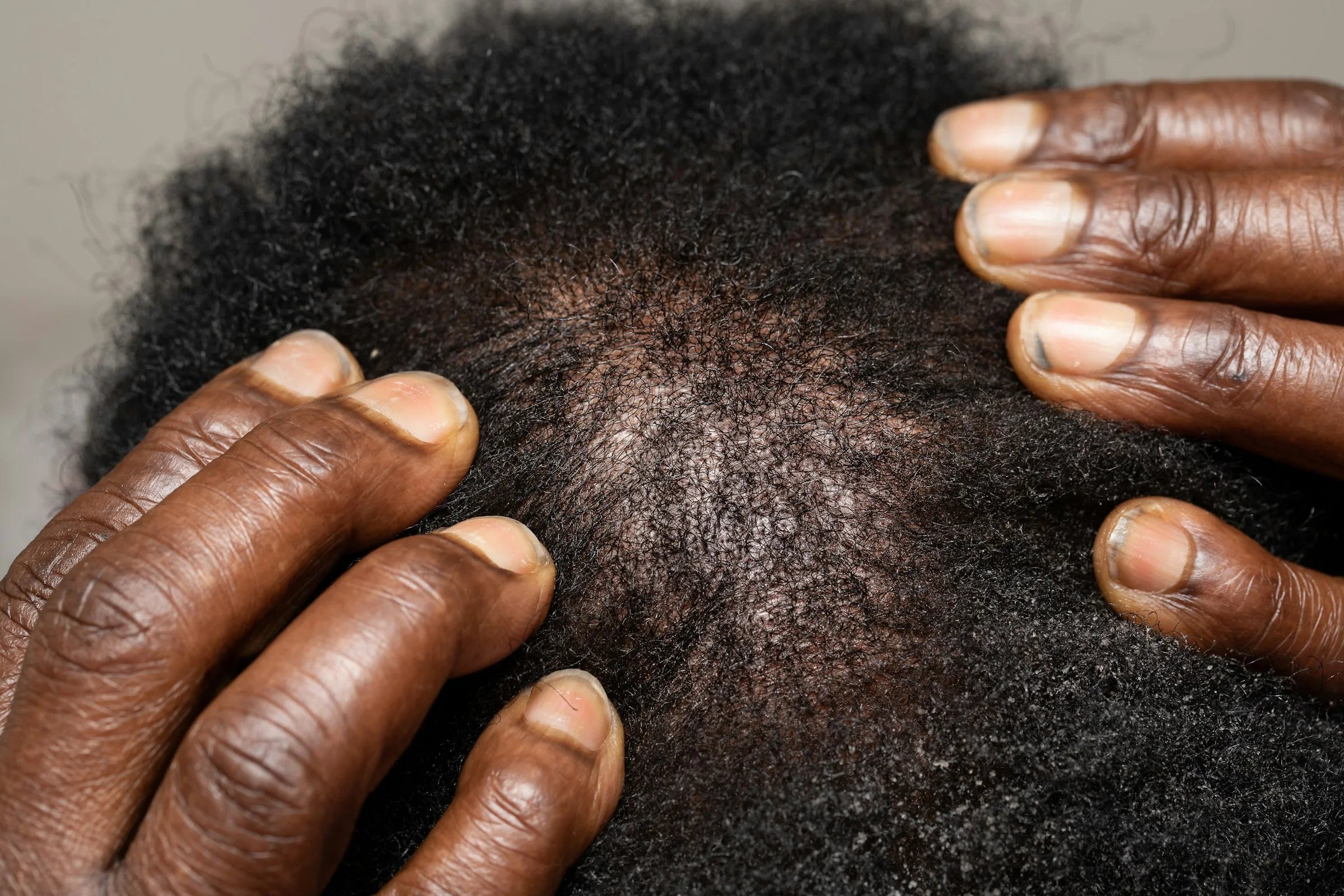
If you've spent any time in hair loss forums, you've seen it: someone swears their part line filled back in after switching to ketoconazole shampoo. The claims sound almost too convenient, an antifungal medication doubling as a DHT blocker you can pick up at the pharmacy. So what's actually going on, and does ketoconazole hair loss treatment hold up under real scrutiny?
Ketoconazole is not a miracle cure, and it was never designed to treat hair loss in the first place. It's an antifungal, developed to treat conditions like dandruff and seborrheic dermatitis. But a cluster of studies over the past few decades has pointed to a secondary effect on hair density that's different from what shampoo is supposed to do. That effect is real, modest, and worth understanding clearly rather than through the lens of forum hype.
This article walks through what ketoconazole actually does in the scalp, what the research does and doesn't support, how it compares to standard Nizoral formulations, and where it realistically fits into a broader hair care routine.
What Is Ketoconazole, and Why Hair Loss?
Ketoconazole is an azole antifungal medication. It was originally formulated to treat fungal infections of the skin and scalp, including the yeast overgrowth (Malassezia) that contributes to dandruff and seborrheic dermatitis. In shampoo form, it's applied topically, left on the scalp for a few minutes, then rinsed out.
The connection to hair loss came almost by accident. Dermatologists noticed that patients using ketoconazole shampoo for dandruff or seborrheic dermatitis sometimes reported thicker-looking hair as a side effect. That observation prompted researchers to ask a more specific question: is ketoconazole doing something to the hair follicle itself, beyond just calming an irritated scalp?
A calmer scalp is not a trivial detail. Chronic inflammation, flaking, and an imbalanced scalp microbiome can all contribute to a hostile environment for hair follicles, particularly in people who are also dealing with androgenic alopecia. Reducing that background irritation is one piece of why ketoconazole shampoo hair growth claims exist at all, and it's a piece that's easy to overlook when everyone jumps straight to the DHT conversation.
Ketoconazole and DHT: What the Science Actually Shows
Here's where things get more interesting, and where a lot of online claims get ahead of the evidence. Androgenic alopecia, the most common form of pattern hair loss in both men and women, is driven primarily by dihydrotestosterone (DHT). DHT is produced when the enzyme 5-alpha reductase converts testosterone into a more potent androgen. In genetically susceptible follicles, DHT binds to androgen receptors and gradually shrinks the follicle in a process called miniaturization.
Laboratory research has found that ketoconazole may have some anti-androgen activity at the cellular level, meaning it can interfere with androgen receptor signaling to a degree. This is the basis of the ketoconazole DHT connection you'll see referenced across hair loss content. In test-tube and animal studies, this anti-androgen effect appeared real, which is genuinely notable for a drug that was never designed as a hormone blocker.
But there's an important distinction between what happens in a petri dish and what happens on an actual human scalp with a shampoo that's rinsed out after a few minutes. The concentration and contact time of a topical shampoo is very different from an oral medication or a leave-on treatment. Most dermatologists describe ketoconazole's anti-DHT effect as mild and adjunctive, not as a standalone replacement for treatments that more directly and consistently reduce DHT activity at the follicle.
Key Point
Ketoconazole appears to have a mild anti-androgen effect alongside its anti-inflammatory and antifungal action, but clinical research treats it as a supporting player for hair density, not a primary DHT-blocking therapy on its own.
What the Clinical Research Shows
Clinical research on ketoconazole shampoo and hair density is smaller in scale than the research behind established treatments like finasteride or minoxidil, but it does exist. A number of dermatology studies have compared ketoconazole shampoo to standard treatments or to a placebo shampoo, looking at hair shaft diameter, follicle density, and the proportion of follicles in the active growth (anagen) phase versus the resting (telogen) phase.
The general pattern across this research is consistent: ketoconazole shampoo used regularly is associated with modest improvements in hair shaft diameter and a shift toward more follicles being in the anagen growth phase, compared to a non-medicated shampoo. Some studies found its effects on these measures were broadly comparable to low-concentration topical treatments, though the studies involved are typically small and short in duration compared to the large trials behind first-line hair loss treatments.
It's worth being precise about what this means in practice. The research supports ketoconazole as a legitimate adjunct with a real, if modest, biological effect on the scalp environment and possibly on androgen signaling. It does not support ketoconazole as a substitute for the more robust interventions used for significant hair loss. Dermatology researchers who study this ingredient consistently frame it as complementary, most useful when layered alongside other approaches rather than relied on in isolation.
This is also a case where the anti-inflammatory and antifungal benefits deserve equal billing with the DHT story. A scalp free of excess flaking, itching, and yeast overgrowth is simply a better foundation for any hair growth strategy, medical or otherwise.
Nizoral and Over-the-Counter Ketoconazole Shampoo
Nizoral is the most recognizable brand name associated with ketoconazole shampoo, and it's usually the first thing people search for when they start looking into nizoral hair loss claims. Nizoral A-D, sold over the counter in many markets, typically contains a lower concentration of ketoconazole than prescription-strength versions used for stubborn fungal or seborrheic conditions.
The over-the-counter concentration is generally considered sufficient for dandruff control and the mild scalp benefits associated with hair density research. Prescription-strength ketoconazole shampoo exists for more severe dermatological conditions and is typically used under a dermatologist's guidance, often with more specific instructions around frequency and duration because higher concentrations carry a higher chance of scalp dryness or irritation with overuse.
For most people exploring ketoconazole as part of a hair loss routine, the over-the-counter version is the reasonable starting point. It's worth reading the label closely, since some products marketed similarly use different active ingredients (like pyrithione zinc) that don't have the same research behind them for hair density, even though they're also effective dandruff treatments.
How to Use Ketoconazole Shampoo for Hair Loss
Consistency and contact time matter more than most people expect with this ingredient. A shampoo that's applied and rinsed off in ten seconds isn't giving the active ingredient much opportunity to do anything on the scalp.
- Apply directly to a wet scalp, focusing on areas of thinning rather than just the hair shaft.
- Leave it on for three to five minutes before rinsing, similar to how you'd let a treatment mask sit.
- Most research protocols use it two to three times per week rather than as a daily shampoo.
- Give it time. Hair growth cycles move slowly, and meaningful changes in shaft diameter or shedding are typically assessed over several months, not weeks.
- Watch for dryness or irritation, especially with more frequent use, and scale back if your scalp feels tight or flaky afterward.
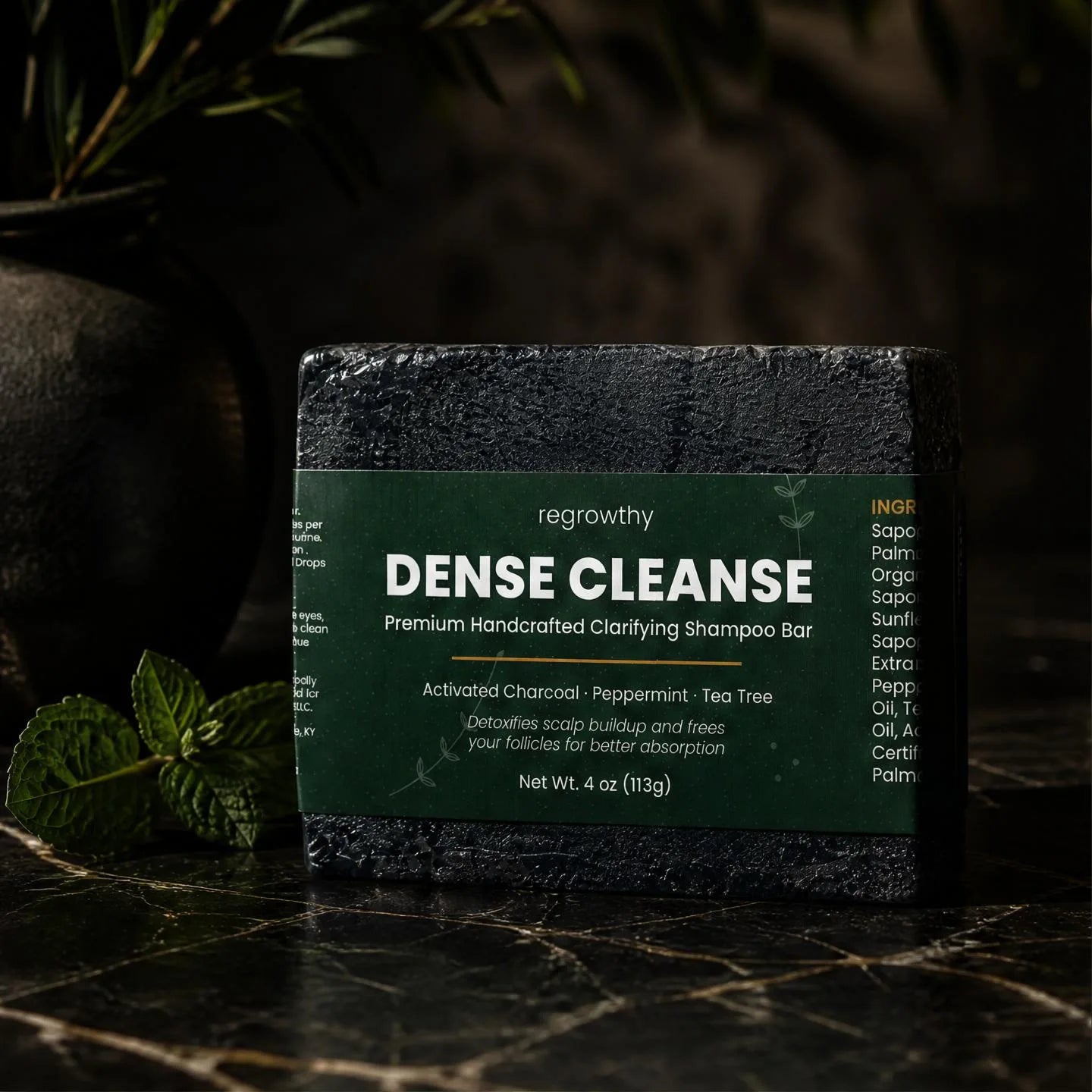
Because ketoconazole shampoo does double duty as a scalp treatment, it pairs naturally with a gentler, sulfate-free everyday cleanser the rest of the week. A dedicated scalp wash such as rosemary oil-infused Dense Cleanse can handle daily or every-other-day cleansing, while ketoconazole shampoo is reserved for its two to three weekly applications as a targeted treatment rather than a full replacement for your regular routine.
What Ketoconazole Won't Do
It's worth being honest about the ceiling here. Ketoconazole shampoo is not going to reverse advanced pattern hair loss on its own, and it's not a substitute for treatments with a stronger, more direct effect on DHT and follicle miniaturization. If you're dealing with significant thinning, treating ketoconazole as your entire strategy is likely to leave you disappointed.
It's also topical and rinse-off by nature, which limits how much of an anti-androgen effect it can realistically deliver compared to interventions that work continuously at the follicle level. Think of it as a supporting actor: genuinely useful for scalp health and a mild assist on the hormonal side, but not the lead in a serious hair regrowth plan.
People with sensitive skin or a history of scalp reactions should also introduce it gradually, since antifungal shampoos can be drying for some users, particularly with frequent use or in combination with other active scalp treatments.
Building Ketoconazole Into a Fuller Routine
The most realistic way to think about ketoconazole is as one input among several, not a solo act. Hair loss driven by DHT and follicle miniaturization tends to respond best to a layered approach that addresses the hormonal driver, the scalp environment, and the nutritional building blocks hair needs to grow, all at once.
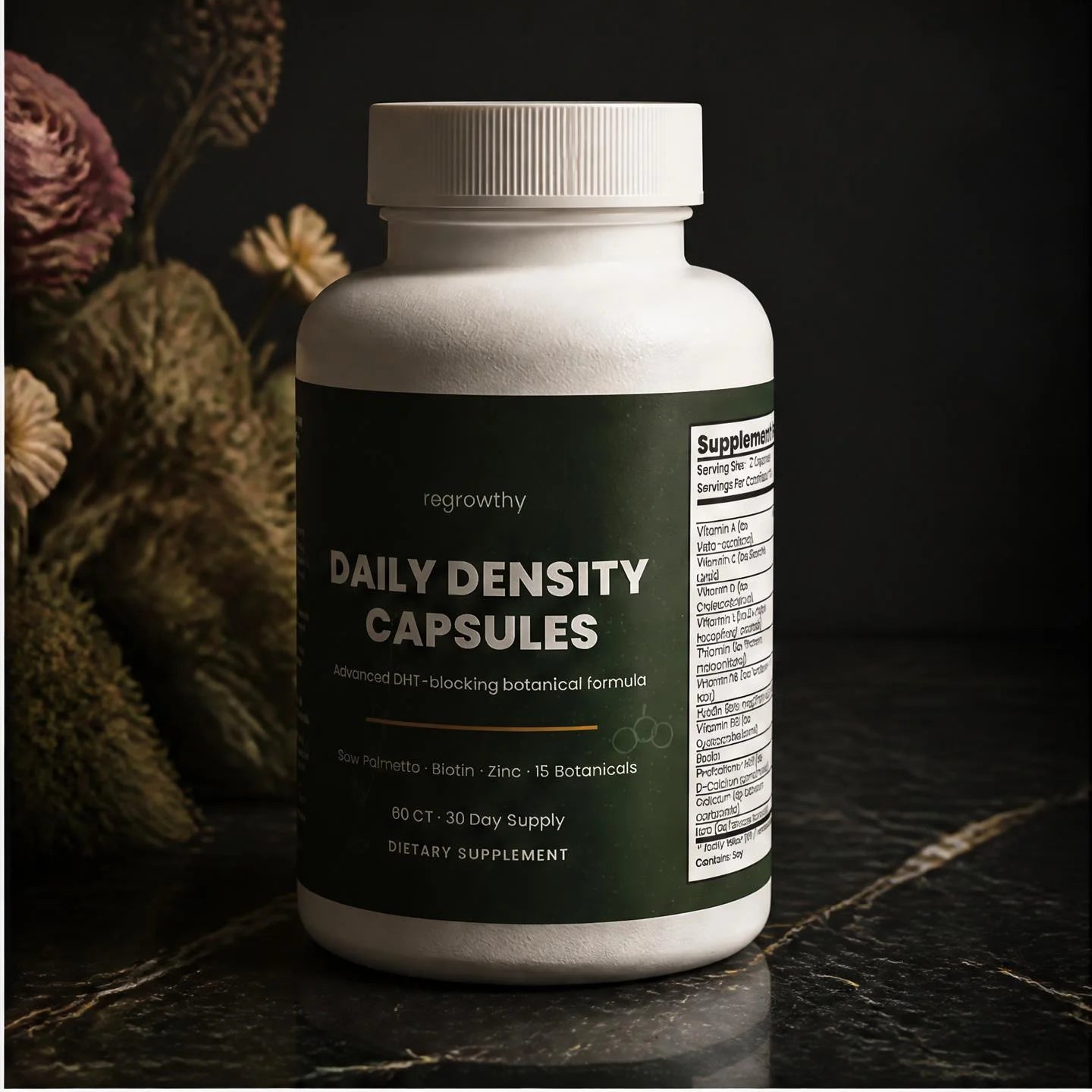
On the hormonal side, ingredients like saw palmetto are commonly paired with scalp treatments because they work through a related but distinct pathway, supporting the body's handling of DHT from the inside rather than at the surface. A supplement like Daily Density Pro is formulated around this kind of layered nutritional support, combining several ingredients researched for their role in the hair growth cycle rather than relying on any single compound to do all the work.
On the device side, red and near-infrared light therapy has a separate and better-established body of clinical research behind it for stimulating cellular activity in hair follicles. A Laser Therapy Cap works through a completely different mechanism than a topical shampoo, using 660nm light to support follicle energy production rather than targeting inflammation or androgen signaling. Used together, a scalp-focused shampoo, a nutritional supplement, and a light therapy device address hair loss from several angles rather than betting everything on one ingredient.
Scalp condition itself deserves a mention here too. Flaking, itching, and excess oil production create an environment that's harder for any treatment to work in, whether that treatment is a shampoo, a topical, or a device. Keeping the scalp calm and clean, whether through ketoconazole a couple of times a week or a gentler daily cleanser the rest of the time, is a low-effort piece of the puzzle that supports whatever else you're doing.
If you're weighing ketoconazole hair loss shampoo as an addition to your routine, the honest takeaway is that it's a reasonable, low-risk piece to add, particularly if you already deal with dandruff or an irritated scalp. Just go in with realistic expectations about what a rinse-off antifungal can and can't do, and consider it alongside treatments built specifically to address DHT and follicle health more directly. Hair regrowth is rarely about finding one perfect ingredient. It's about stacking a few things that each pull in the right direction, giving your follicles the best possible environment to do what they're already capable of doing.
From the routine
Mentioned in this article
Common questions
Frequently asked questions
Does ketoconazole shampoo actually lower DHT?+
Is Nizoral the same as prescription ketoconazole shampoo?+
How often should I use ketoconazole shampoo for hair loss?+
Can I use ketoconazole shampoo with other hair loss treatments?+
How long does it take to see results from ketoconazole shampoo?+
Will ketoconazole shampoo dry out my scalp or hair?+
The Regrowthy System
Ready to start regrowing at home?
Hands-free. Non-prescription. 660nm clinical wavelength, backed by a 30-day guarantee.
Continue Reading
Ingredient Science
Hydrolyzed Collagen for Hair: The Follicle Structure Science
9 min read
Ingredient Science
Silica and Horsetail Extract for Hair: What the Research Shows
8 min read
Ingredient Science
Rosemary Oil for Hair Growth: What the Research Actually Shows
9 min read
Ingredient Science