Advanced Science
Prostaglandins and Hair Growth: PGD2, PGE2, and Follicle Signaling
In 2012, researchers discovered that a molecule called PGD2 was elevated in bald scalps. This finding opened an entirely new avenue for hair loss treatment targeting prostaglandin pathways.
Updated January 25, 2026
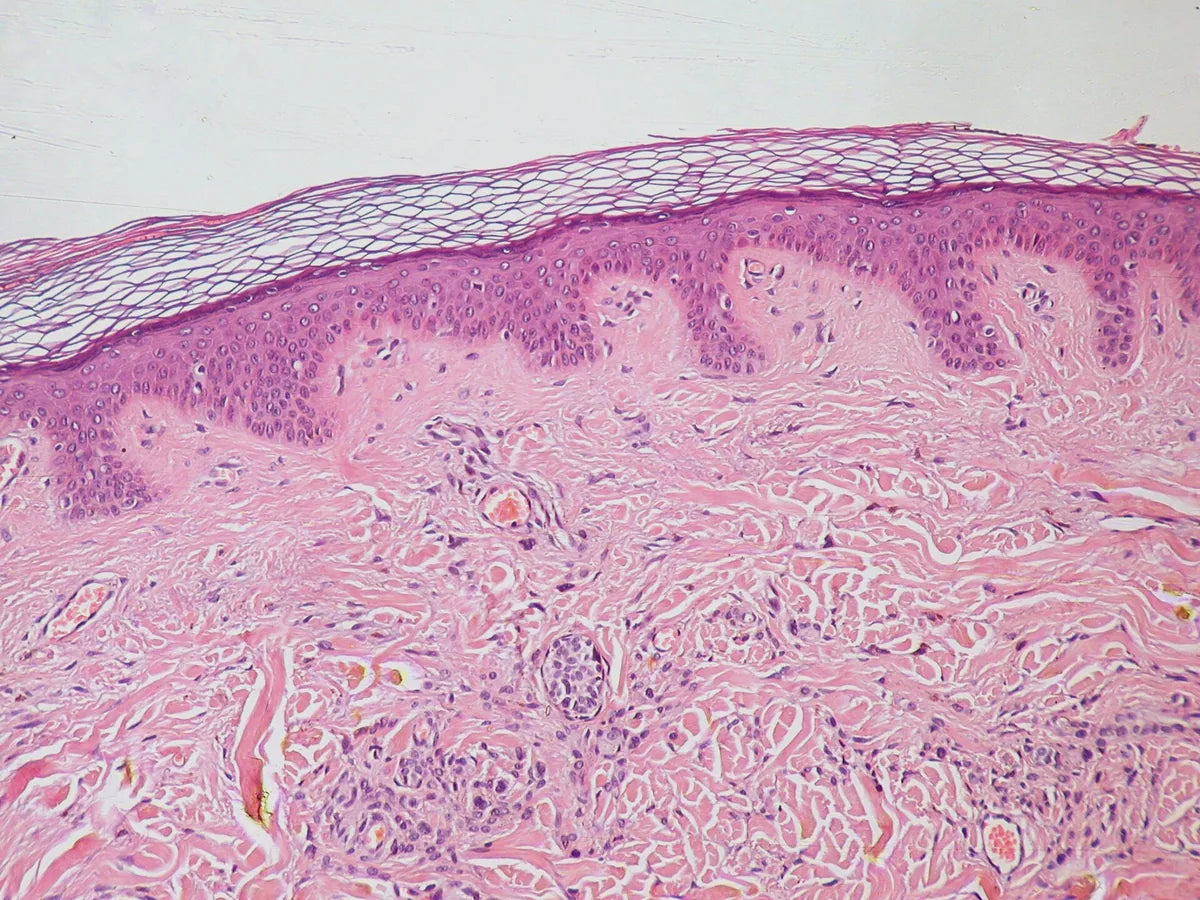
The 2012 discovery by Dr. George Cotsarelis that prostaglandin D2 (PGD2) is dramatically elevated in bald scalps was a landmark finding. It revealed that hair loss isn't just about DHT - there's an entire lipid signaling network controlling follicle behavior.
The PGD2 Discovery
Researchers compared the molecular profiles of bald and non-bald scalp tissue in men with androgenetic alopecia. They found PGD2 levels were approximately 3x higher in bald areas. When PGD2 was applied to hair follicles in the lab, it inhibited hair growth. This established PGD2 as a direct hair growth inhibitor - a new target for treatment.
The Prostaglandin Balance: PGD2 vs. PGE2
- PGD2 (growth inhibitor): Elevated in bald scalps. Signals through the GPR44 receptor to inhibit follicle cycling. May partially be triggered by DHT, representing another mechanism of DHT-induced hair loss.
- PGE2 (growth promoter): Promotes hair growth and follicle cycling. Levels are relatively lower in balding areas. PGE2 analogs (like misoprostol) have shown hair growth effects in research.
- PGF2α (growth promoter): This prostaglandin promotes growth, which is why bimatoprost (a PGF2α analog used for glaucoma) was found to grow longer eyelashes - leading to the drug Latisse.
Treatment Approaches Targeting Prostaglandins
- PGD2 inhibitors: Drugs that block PGD2 production or its receptor (GPR44 antagonists) are in development specifically for hair loss.
- PGE2 agonists: Compounds that boost PGE2 signaling could promote growth. Some are in early clinical trials.
- Cetirizine (antihistamine): Interestingly, the common allergy drug cetirizine has PGD2-reducing properties. A small study showed topical cetirizine improved hair density - though more research is needed.
- Latanoprost: A PGF2α analog (glaucoma drug) has shown modest scalp hair growth effects in studies. Availability and cost remain limitations.
What You Can Do Now
While dedicated prostaglandin-targeting drugs are still in development, you can support healthy prostaglandin balance through omega-3 fatty acids (which shift prostaglandin production toward anti-inflammatory types), reducing scalp inflammation with ketoconazole shampoo, and using growth-stimulating topicals that support multiple pathways. The Regrowthy approach addresses inflammation and DHT - both upstream factors in prostaglandin imbalance.
From the routine
Mentioned in this article

Common questions
Frequently asked questions
Should I use cetirizine on my scalp?+
Why does Latisse grow eyelashes but not scalp hair?+
Do omega-3s affect prostaglandins?+
Is PGD2 connected to DHT?+
The Regrowthy System
Ready to start regrowing at home?
Hands-free. Non-prescription. 660nm clinical wavelength, backed by a 30-day guarantee.
Continue Reading
Hair Loss Science
How DHT Causes Hair Loss (And How to Block It)
11 min read
Advanced Science
Wnt Signaling and Hair Growth: The Molecular Switch
9 min read
Advanced Science
The Future of Hair Loss Treatment: What's Coming in 2025-2030
9 min read
Hair Loss Science