Advanced Science
The Future of Hair Loss Treatment: What's Coming in 2025-2030
From JAK inhibitors to gene therapy, the hair loss treatment pipeline has never been fuller. Here's what's coming, what's hype, and what could genuinely change everything.
Updated January 30, 2026
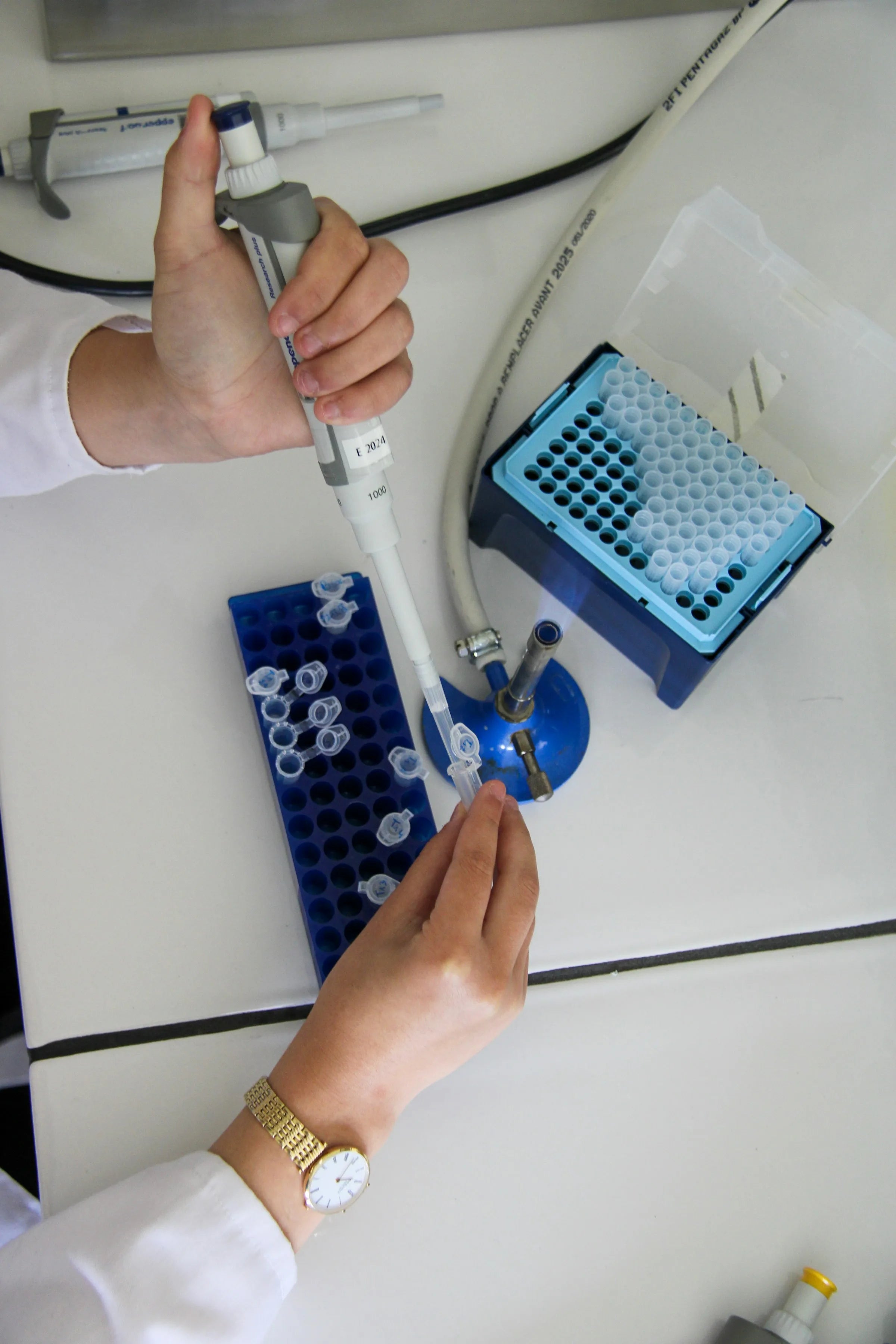
The hair loss treatment landscape is evolving faster than ever. Multiple novel approaches are in clinical trials, and several could reach patients within the next few years. Here's a research-backed overview of the most promising developments.
The Treatment Pipeline: Overview
More hair loss treatments are in clinical development now than at any previous point. This reflects both improved understanding of hair biology and commercial recognition that the market (estimated at $13+ billion by 2028) is vastly underserved by current options.
JAK Inhibitors: The Near-Term Game Changer
JAK (Janus kinase) inhibitors are the closest to widespread availability. Baricitinib and ritlecitinib have already received FDA approval for alopecia areata. Research is expanding to androgenetic alopecia. These drugs work by suppressing the immune-mediated signals that keep follicles in a dormant state. Topical formulations are in development to reduce systemic side effects. Some researchers believe topical JAK inhibitors could become as significant as minoxidil was in the 1980s.
Gene Therapy: The Long-Term Vision
- CRISPR applications: In theory, gene editing could modify follicle susceptibility to DHT, making them permanently resistant to miniaturization. This is in early research stages.
- Gene delivery: Viral vectors carrying growth-promoting genes (like Wnt activators) directly to follicle cells are being studied. Initial animal studies show promise.
- Timeline: Gene therapy for hair loss is 10-20 years from clinical availability. Safety concerns require extensive testing.
Novel Molecules in Development
- GT20029 (Kintor): A topical androgen receptor degrader - directly eliminates androgen receptors in follicles. Phase II trials showing promising results.
- Clascoterone (Breezula): A topical antiandrogen already approved for acne, now being studied for AGA. Applies DHT blocking directly to the scalp.
- PTD-DBM (Choi Lab): A peptide that activates Wnt signaling specifically in hair follicles. Animal studies show robust hair regeneration.
What This Means for You Right Now
The future is promising, but it's not here yet. The best strategy: start comprehensive treatment today with the Regrowthy Laser Therapy Cap to preserve and improve your hair while these breakthroughs mature. Treating now means you'll have healthier, more viable follicles when advanced therapies become available. Waiting risks irreversible follicle loss.
From the routine
Mentioned in this article

Common questions
Frequently asked questions
When will a hair loss "cure" be available?+
Should I enroll in clinical trials?+
Will future treatments work on completely bald areas?+
What's the single most promising development?+
The Regrowthy System
Ready to start regrowing at home?
Hands-free. Non-prescription. 660nm clinical wavelength, backed by a 30-day guarantee.
Continue Reading
Advanced Science
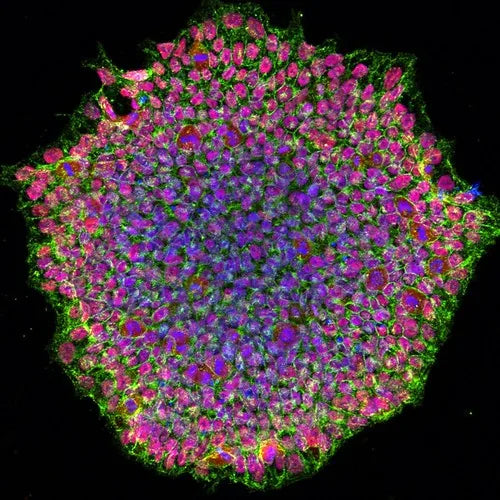
Stem Cells and Hair Regeneration: Current Research and Future Promise
10 min read
Advanced Science
Hair Cloning and Multiplication: How Close Are We?
8 min read
Advanced Science
Wnt Signaling and Hair Growth: The Molecular Switch
9 min read
Treatment Guides