Ingredient Science
MSM for Hair Growth: What the Sulfur Compound Actually Does
MSM keeps showing up in hair supplements, but what does this sulfur compound actually do once it's in your body. Here's an honest look at the science, the realistic benefits, and where it fits into a real hair care routine.
Updated July 1, 2026
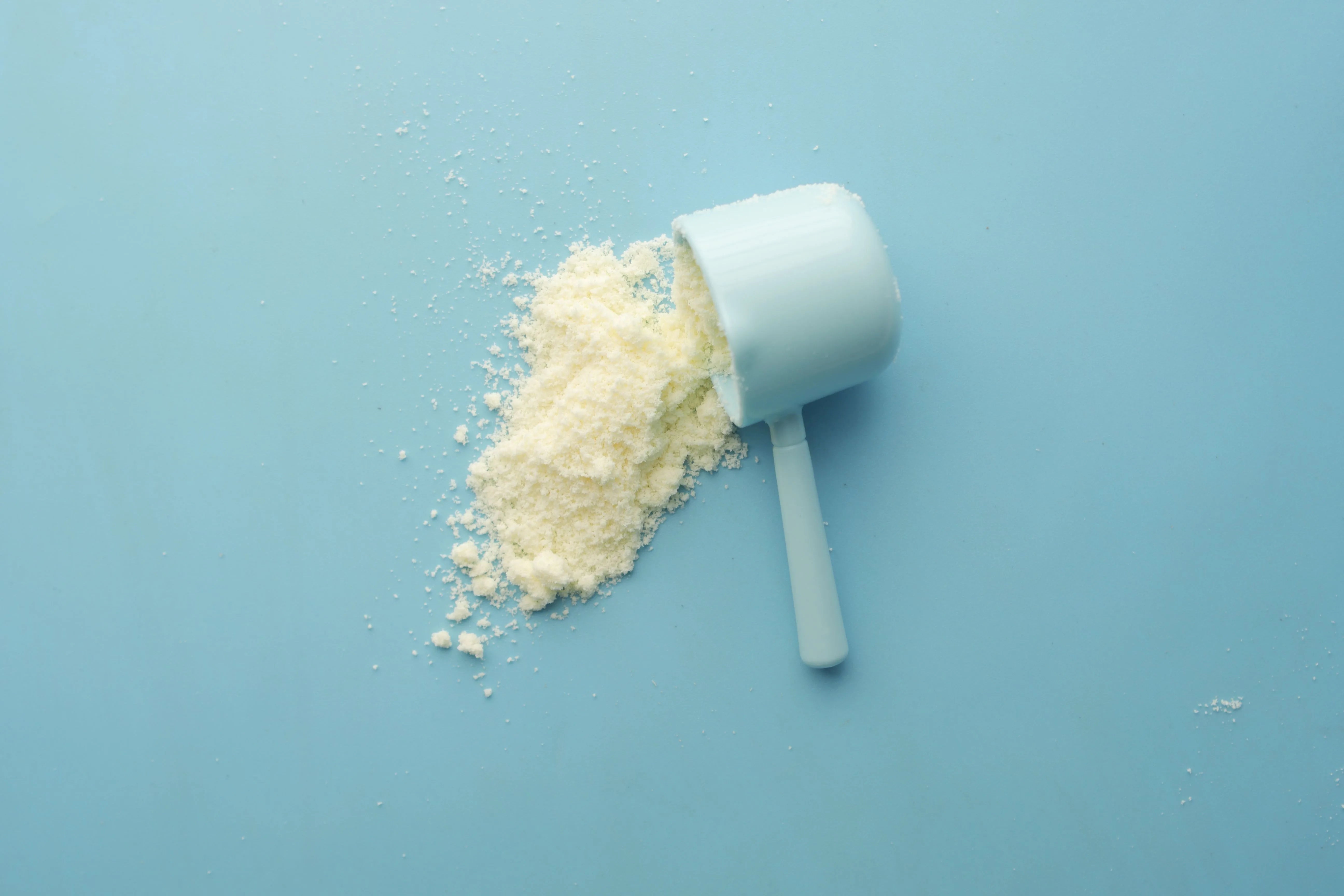
MSM shows up on a lot of hair growth supplement labels, usually tucked in next to biotin and collagen without much explanation of what it actually does. It's not a vitamin, it's not a botanical extract, and it doesn't get nearly as much attention as the ingredients it's often paired with. But if you're researching msm for hair growth, it's worth understanding what this sulfur compound is, what it can realistically do for your hair, and where it fits (and doesn't fit) into a real anti-thinning routine.
This article walks through the chemistry, the evidence, and the practical reality of using an msm supplement for hair. No miracle claims, no inflated statistics, just a clear-eyed look at a compound that has a real biological role but also real limits.
What Is MSM, Exactly?
MSM stands for methylsulfonylmethane. It's an organic sulfur compound that occurs naturally in small amounts in fruits, vegetables, grains, and even in the human body as a normal byproduct of metabolism. In supplement form, MSM is usually sold as a white, odorless crystalline powder, often in capsules, powders, or as an ingredient blended into joint, skin, or hair formulas.
Sulfur itself is the fourth most abundant mineral in the body, and it plays a role in the structure of several important proteins, including keratin, the fibrous protein that makes up the majority of your hair shaft. This is the core reason MSM keeps appearing in hair care conversations: sulfur is a structural building block of hair, and MSM is one of the more bioavailable ways to supply it.
It's important to be precise about the claim here. MSM is not a hair growth drug, and it hasn't been studied nearly as extensively as ingredients like biotin or minoxidil. What it does have is a plausible, well-understood mechanism tied to sulfur's role in keratin, plus a reasonably good safety profile, which is why it's earned a spot in many supplement formulas rather than being dismissed outright.
The Sulfur to Keratin Connection
To understand why sulfur supplement hair claims exist in the first place, you have to look at keratin's amino acid structure. Keratin is unusually rich in an amino acid called cysteine, which contains sulfur. These sulfur atoms form what are called disulfide bonds, cross-links that connect adjacent protein chains and give hair its strength, elasticity, and structural integrity.
Think of disulfide bonds as the rivets holding the hair shaft's protein cables together. Hair with strong, well-formed disulfide bonds tends to be more resilient to breakage, more elastic, and generally healthier in texture. Hair that's sulfur-deficient at the cellular level, on the other hand, can be structurally weaker, even if the follicle itself is producing hair at a normal rate.
MSM is thought to support this process by supplying usable sulfur that the body can incorporate into cysteine and, downstream, into keratin synthesis. This is a biochemically sound mechanism. Where the evidence gets thinner is in proving that supplemental MSM measurably increases keratin sulfur content in humans with normal diets, or that it does so enough to meaningfully change hair growth rates rather than hair strength and texture.
That distinction matters. Making hair that already exists stronger and less prone to breakage is a different outcome than stimulating new follicles to produce hair faster. MSM's plausible benefit sits mostly in the first category.
What the Research Actually Shows
Dermatology research on MSM specifically for scalp hair growth is limited compared to more heavily studied ingredients. Most of the existing science on MSM comes from joint health and inflammation research, where it has been studied more extensively for osteoarthritis symptoms, with some evidence pointing to mild anti-inflammatory and antioxidant effects.
Some hair and skin research has looked at MSM in combination formulas rather than as a standalone ingredient, which makes it difficult to isolate MSM's individual contribution. When MSM shows up in a study alongside biotin, keratin precursors, or other actives, and hair quality improves, it's genuinely hard to say how much credit belongs to the sulfur compound versus the other ingredients in the stack.
There is also research interest in MSM's antioxidant properties. Oxidative stress at the level of the hair follicle has been linked in dermatology literature to premature aging of the follicle and disruption of the normal growth cycle. If MSM helps reduce oxidative burden in scalp tissue, that could indirectly support a healthier follicular environment, though this remains a more speculative mechanism than the sulfur to keratin pathway.
Key Point
MSM has a credible biological rationale for supporting hair strength and structure through its role as a sulfur donor for keratin, but it is not a proven standalone treatment for stimulating new hair growth or reversing pattern hair loss. It works best as one supporting input in a broader routine, not as a replacement for treatments with a stronger evidence base.
Realistic MSM Hair Benefits
When people search for msm hair benefits, they're usually hoping for a simple answer about regrowth. The more honest answer is that MSM's benefits are more about hair quality than hair quantity. Based on its mechanism and the available research, here's what a reasonable person can expect from consistent use:
- Support for keratin structure, which may translate to hair that feels less brittle and resists breakage better over time
- A modest antioxidant contribution to scalp tissue, which may support a healthier follicular environment
- Potential support for nail and skin quality, since both also rely on sulfur-containing structural proteins
- A generally well-tolerated addition to a supplement routine, since MSM has a long history of use in joint health products at similar doses
What MSM is unlikely to do on its own is meaningfully slow DHT-driven follicle miniaturization, the process underlying male and female pattern hair loss. DHT works through androgen receptors on genetically susceptible follicles, a hormonal pathway that has nothing to do with sulfur availability. If your thinning is primarily hormonal, an msm supplement for hair alone is not going to address the root cause, even if it modestly improves the texture of the hair you still have.
This is why MSM tends to work best as a supporting ingredient in a formula that also addresses the biological drivers of hair loss more directly, rather than as a single-ingredient fix.
How MSM Compares to Other Hair Ingredients
It helps to place MSM next to the other ingredients people typically consider for hair health, since they work through different mechanisms and address different pieces of the puzzle.
Biotin (vitamin B7) supports the enzymatic processes involved in keratin production and is most useful for people with an actual biotin deficiency, which is relatively uncommon in people eating a varied diet. You can read more in our breakdown of how biotin works for hair growth and where its evidence is strongest.
Collagen peptides supply amino acids, including proline and glycine, that support the dermal structure surrounding the follicle and the connective tissue of the scalp. Where MSM contributes sulfur for keratin's disulfide bonds, collagen contributes the broader amino acid pool the body draws on to build and maintain follicular tissue. That complementary relationship is part of why a supplement like Density Collagen Peptides is often used alongside sulfur-supporting ingredients rather than instead of them.
Saw palmetto works through an entirely different pathway, moderately inhibiting the enzyme that converts testosterone into DHT. This addresses the hormonal driver of pattern hair loss directly, something MSM was never designed to do. Similarly, rosemary oil applied topically has research behind it for supporting circulation and follicle health at the scalp level, a mechanical and vascular approach rather than a nutritional one. If you want more detail on that ingredient, our article on rosemary oil and hair growth covers the research in depth.
Vitamin D, copper peptides, and other nutrients each occupy their own lane as well. The takeaway is that no single ingredient, including MSM, is designed to do everything. Hair health is the sum of hormonal regulation, structural nutrition, scalp circulation, and follicle stimulation working together.
Using MSM: Dosage, Topical Application, and What to Expect
If you're considering adding an msm supplement hair routine to your regimen, a few practical points are worth knowing. MSM is typically dosed in the range of a few hundred milligrams to a couple of grams daily in supplement products, and it's generally considered well tolerated at these levels. Mild digestive upset is the most commonly reported side effect, usually resolved by taking it with food or lowering the dose.
Because MSM's role is structural and nutritional rather than acute, it's not something that produces noticeable changes quickly. Hair grows in cycles that span months, and any structural improvement in newly forming keratin would only become visible in hair that grows out after you start supplementing, which typically takes eight to twelve weeks at minimum to become apparent.
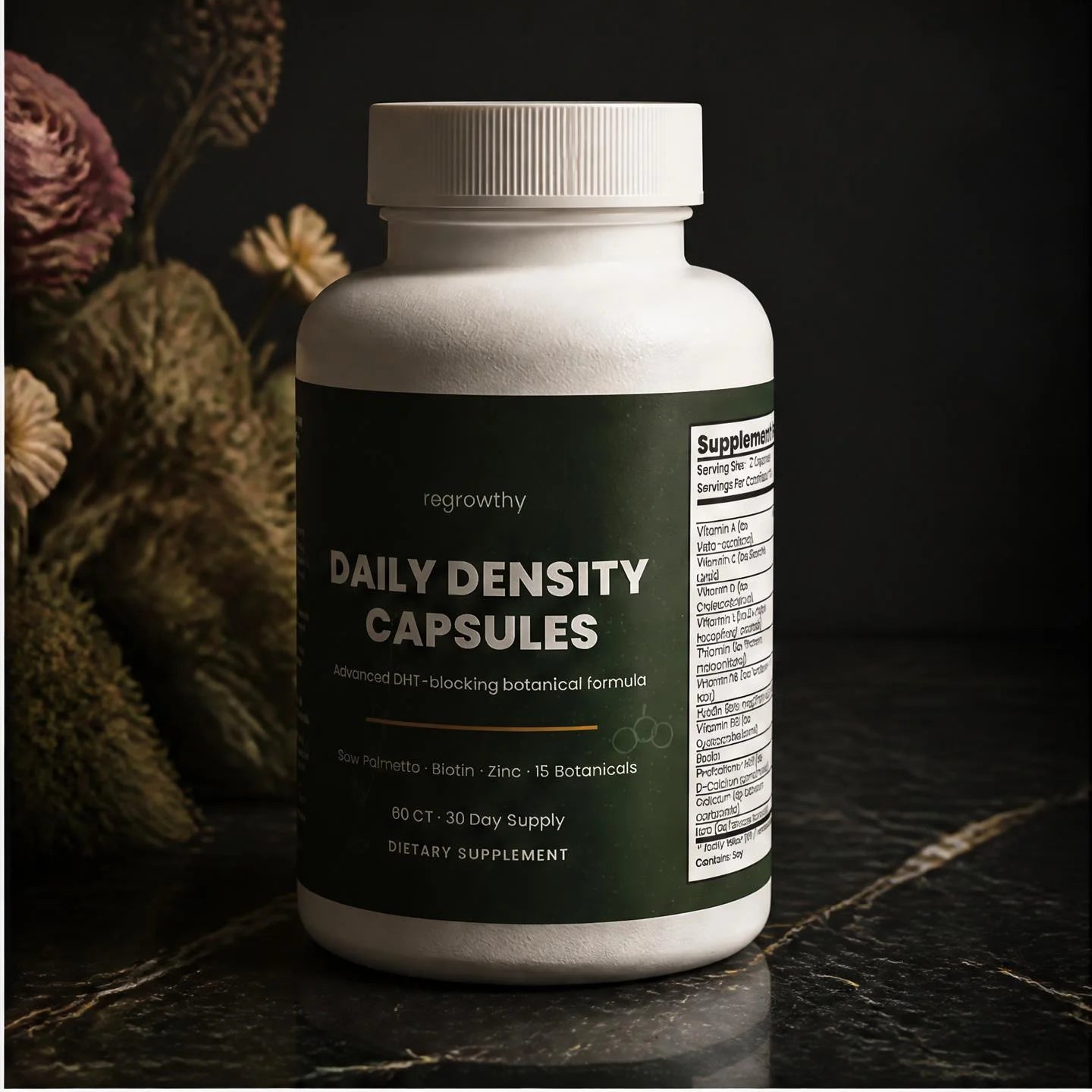
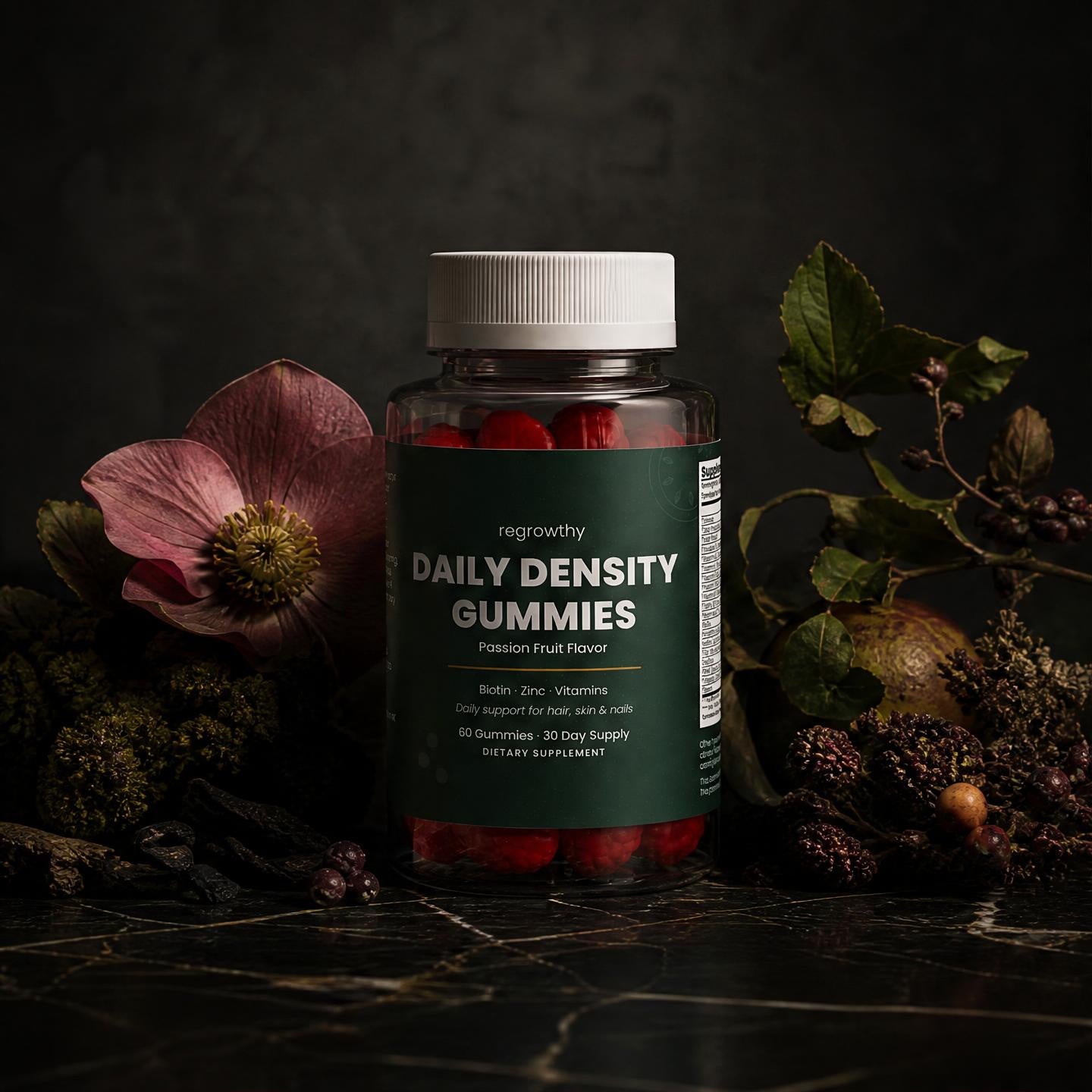
This is exactly why MSM makes more sense as part of a formulated, multi-ingredient product than as an isolated supplement you take on its own. Combined with biotin, keratin-supporting amino acids, and other cofactors in a product such as Daily Density Pro, MSM contributes its sulfur-donor role alongside ingredients that support other parts of the growth and structural process at the same time. For people who prefer not to take another capsule, sulfur-supporting ingredients are also formulated into liquid options like Density Drops or Density Elixir, which some people find easier to work into a daily routine.
MSM also sometimes appears in topical scalp formulas, on the theory that direct application allows sulfur to reach the follicle and surrounding tissue without going through digestion. The evidence for topical MSM specifically is even thinner than for oral use. Where topical scalp care has firmer backing is in formulas designed to support a clean, balanced scalp environment, since buildup, excess oil, and irritation can all interfere with healthy follicle function regardless of what nutrients are circulating internally. A gentle, purpose-built product like Dense Cleanse addresses that side of the equation, which is a different job than what an oral sulfur supplement is trying to do.
For most people, oral MSM as part of a balanced supplement routine is the more evidence-grounded approach compared to relying on topical sulfur products, simply because the research base for internal keratin support is more developed than for topical sulfur delivery.
Fitting MSM Into a Complete Hair Routine
The most useful way to think about MSM is as one input among several, not a centerpiece treatment. If you're dealing with genuine pattern thinning driven by DHT sensitivity, the ingredients and treatments with the strongest evidence for actually slowing or reversing that process work through mechanisms MSM doesn't touch: DHT inhibition, follicle stimulation, and improved scalp blood flow.
This is where device-based approaches earn their place. A Laser Therapy Cap uses 660nm red light to stimulate cellular activity in the follicle and improve local circulation, working on the follicle stimulation side of the equation in a way that no oral supplement, MSM included, is designed to replicate. Pairing a laser cap with a nutritional routine that supplies sulfur, amino acids, and cofactors for keratin production addresses both sides of the problem: the biological signal telling follicles to grow, and the raw materials available once they do.
Realistically, someone dealing with early thinning gets more value from a layered approach than from chasing any single ingredient, MSM included. Address the hormonal and follicular side with a consistent, evidence-backed treatment, support the structural side with adequate sulfur and amino acid intake, and give the whole system the months it needs to show results, since hair growth is a slow biological process no matter which inputs you use.
Who Should Consider Adding MSM
MSM is a reasonable addition for people whose hair concerns are more about brittleness, breakage, and dullness than about active follicle loss, since that's where its structural mechanism is most directly relevant. It's also a low-risk addition for people already taking a multi-ingredient hair supplement, since it's generally well tolerated and unlikely to interact negatively with other common hair-supporting nutrients.
People who are pregnant, nursing, on blood-thinning medication, or managing a chronic health condition should check with a doctor before adding any new supplement, MSM included, since individual medical circumstances can change what's appropriate. And anyone expecting MSM alone to reverse a receding hairline or a thinning crown should recalibrate expectations. It's a supporting player, not a standalone solution.
The honest summary: MSM has a real, biologically grounded reason to be in a hair supplement, tied to sulfur's structural role in keratin. It's not going to replace treatments that target DHT or stimulate follicles directly, but as part of a well-formulated routine, it's a sensible, low-risk ingredient to have working in the background while the higher-impact parts of your routine do the heavier lifting.
From the routine
Mentioned in this article
Common questions
Frequently asked questions
How long does it take to see results from MSM for hair?+
Can MSM regrow a receding hairline?+
Is it safe to take MSM every day?+
Should I take MSM alone or in a combination formula?+
What foods naturally contain MSM?+
Does MSM help with hair thickness or just hair strength?+
The Regrowthy System
Ready to start regrowing at home?
Hands-free. Non-prescription. 660nm clinical wavelength, backed by a 30-day guarantee.
Continue Reading
Ingredient Science
Copper Peptides for Hair Growth: The Follicle Signaling Science
9 min read
Ingredient Science
Vitamin D and Hair Loss: Why Deficiency Matters
9 min read
Ingredient Science
Rosemary Oil for Hair Growth: What the Research Actually Shows
9 min read
Ingredient Science