Lifestyle & Wellness
Intermittent Fasting and Hair Loss: What You Should Know
Noticed more hair in the shower since you started intermittent fasting? Here is the real science behind fasting hair shedding, and how to keep your fasting routine without losing density.
Updated July 1, 2026

If you've searched intermittent fasting hair loss late at night after noticing more strands in the shower drain, you are not imagining a connection, and you are not alone. Intermittent fasting has become one of the most popular eating patterns for weight management and metabolic health, and along with the good press has come a steady trickle of forum posts and comment threads from people asking the same question: did my fasting schedule just cause my hair to fall out?
The honest answer is more nuanced than a simple yes or no. Fasting itself is not inherently toxic to your follicles, but the way many people practice it, especially in its more extreme forms, can absolutely create the conditions for noticeable shedding. Understanding the mechanism matters more than fearing the practice, because it is entirely possible to fast in a way that supports your goals without sacrificing your hair.
What Intermittent Fasting Actually Does to Your Body
Intermittent fasting (IF) refers to any eating pattern that cycles between periods of eating and periods of voluntary abstention from food. The most common versions include 16:8 (an eight hour eating window), 5:2 (two reduced-calorie days per week), alternate-day fasting, and one-meal-a-day (OMAD) protocols. Some people fast for religious or spiritual reasons, others for weight loss, metabolic flexibility, or the reported cellular cleanup process called autophagy.
From your body's perspective, a fasting window is a period of energy scarcity. Your liver releases stored glucose, then shifts toward burning fat for fuel once glycogen stores run low. Insulin drops, growth hormone rises modestly, and a cascade of hormonal adjustments kicks in to help you function without a steady stream of incoming calories. This is a normal, survivable, even beneficial adaptation for most healthy adults in moderation.
But your body does not treat every tissue equally during a perceived energy shortage. Hair follicles are metabolically active but biologically non-essential. When the body senses that resources are scarce, whether from illness, extreme stress, rapid weight loss, or an aggressive fasting schedule, it reallocates energy toward vital organs and away from "optional" processes like hair production. This triage response is the thread that connects fasting to hair shedding.
The Real Connection Between Fasting and Hair Shedding
To understand fasting hair shedding, it helps to understand the hair growth cycle itself. Each follicle moves through three phases: anagen (active growth, lasting years), catagen (a brief transition), and telogen (a resting phase before the hair sheds and a new one begins). At any given time, roughly 85 to 90 percent of your follicles should be in anagen, with only a small fraction resting in telogen.
When the body experiences a significant physiological shock, whether that is a fever, surgery, a crash diet, extreme emotional stress, or an aggressive fasting protocol combined with inadequate nutrition, a disproportionate number of follicles can be triggered to shift from anagen into telogen all at once. This condition is called telogen effluvium, and it is the most common medical explanation behind fasting-related hair loss. It is diffuse, meaning it affects the whole scalp rather than a single patch, and it is almost always temporary.
Key Point
Telogen effluvium has a built-in delay. Hair that gets pushed into the resting phase does not fall out immediately, it typically sheds two to three months later. This means if you started an aggressive fasting protocol in, say, April and notice heavier shedding in June or July, the fasting habit is a very plausible trigger even though it feels like the shedding "came out of nowhere."
Why Fasting Can Trigger Increased Shedding
There is no single mechanism at play. Instead, several factors tend to compound, and it is usually the combination, not any one factor in isolation, that pushes the body toward a telogen shift.
- Caloric restriction: Many people who fast also end up eating fewer total calories, whether intentionally or simply because a shorter eating window limits how much food fits in. A significant calorie deficit is one of the most well-established triggers of telogen effluvium.
- Protein shortfall: Hair is made almost entirely of keratin, a protein. If your eating window doesn't include enough complete protein to meet your body's daily needs, follicles are among the first tissues to feel the pinch, since the body prioritizes muscle and organ protein over hair.
- Micronutrient gaps: Iron, zinc, biotin, and vitamin D are all directly tied to healthy follicle function. Compressing your eating into a shorter window can make it harder to hit these targets consistently, especially if the food choices during that window skew toward convenience rather than nutrient density.
- Elevated cortisol: Fasting is a mild physiological stressor, and for some people, especially those new to it or fasting for extended stretches, it raises cortisol. Chronically elevated cortisol is a known contributor to premature telogen shifts.
- Disrupted sleep: Hunger, especially during extended fasts or late-evening eating windows, can interfere with sleep quality. Poor sleep further elevates stress hormones and reduces the nightly recovery window your follicles rely on.
- Rapid weight loss: Losing weight quickly, regardless of the method, is independently associated with temporary shedding. Fasting protocols that produce fast weight loss carry this risk on top of the others.
None of this means fasting is dangerous for hair in every case. It means the risk rises sharply when fasting is aggressive, prolonged, or paired with genuinely inadequate nutrition, rather than when it is practiced in a moderate, well-fed way.
Does Fasting Cause Hair Loss, or Is It More Complicated?
The most accurate answer is that fasting itself does not directly cause hair loss, but poorly managed fasting can create the nutritional and hormonal conditions that trigger it. A person doing a relaxed 16:8 schedule who still eats sufficient protein, calories, and micronutrients within their window is unlikely to see any hair impact. A person doing OMAD or extended multi-day fasts, especially while also cutting calories aggressively for weight loss, is taking on real risk.
Dermatology research on hair shedding consistently points to the same underlying drivers regardless of what triggered them: not enough protein, not enough calories relative to the body's needs, not enough of a handful of key micronutrients, and too much physiological stress. Fasting can produce any or all of these conditions depending on how it is done. It is the downstream nutritional and hormonal state, not the act of skipping breakfast, that determines whether your follicles are affected.
This is also why two people can follow the exact same fasting schedule with completely different results. One eats a nutrient-dense, protein-adequate diet within their window and notices nothing. The other under-eats across the board and starts finding extra hair on their pillow ten weeks later. The schedule was identical, but the underlying nutritional reality was not. A closer look at what you eat during your eating window matters for hair health just as much as, if not more than, when you eat.
Who Is Most at Risk for Fasting-Related Shedding
Not everyone who fasts needs to worry, but certain groups face meaningfully higher odds of noticing an effect.
- Women tend to be more sensitive to caloric and hormonal shifts than men, in part because female hair cycling is more closely tied to hormonal fluctuation. Extended or aggressive fasting protocols are more frequently linked to shedding complaints in women.
- Anyone already experiencing pattern thinning. If your follicles are already under genetic pressure from DHT-driven miniaturization, an added nutritional stressor can make existing thinning more visible sooner, even though the fasting itself isn't the root cause.
- People combining fasting with restrictive diets. Stacking intermittent fasting on top of very low-calorie, low-carb, or low-fat approaches multiplies the nutritional shortfall risk.
- Extended or prolonged fasters. Multi-day water fasts or very aggressive OMAD schedules carry substantially more risk than a standard 12 to 16 hour overnight fast.
- People with existing thyroid or hormonal conditions. Fasting can interact with thyroid hormone regulation, and thyroid imbalance is itself an established cause of diffuse shedding.
- Anyone new to fasting who drops calories too fast. The first few weeks of an aggressive new protocol, before the body has adapted, tend to be the highest-risk window.
How to Fast Without Losing Hair
If you enjoy the structure and benefits you get from intermittent fasting, you generally do not need to abandon it to protect your hair. You need to fast smarter.
- Hit your protein target inside your eating window. Most adults need somewhere in the range of 0.7 to 1 gram of protein per pound of body weight daily, and hair follicles are among the tissues that suffer first when that target is missed. Compressing your window makes this harder, not easier, so plan meals around protein first.
- Don't stack fasting with an aggressive calorie deficit. If your goal is fat loss, aim for a moderate deficit rather than trying to lose weight as fast as possible. Rapid weight loss is one of the most reliable shedding triggers regardless of the method used to achieve it.
- Prioritize nutrient density, not just calorie count. Iron-rich foods, zinc sources like meat and shellfish, and healthy fats all matter more when you have fewer hours to eat them in. A protein-forward approach to meals also tends to naturally pull in more of these nutrients.
- Start moderate and let your body adapt. A 12 to 14 hour overnight fast is a gentler entry point than jumping straight into OMAD or extended fasting, and it still delivers most of the metabolic benefits people are after.
- Watch your sleep. If hunger is keeping you up at night, your fasting window may be too aggressive for your current schedule. Poor sleep compounds every other risk factor on this list.
- Reassess if you notice shedding. If you start seeing more hair than usual in the shower or on your pillow, treat it as useful feedback rather than something to ignore. Loosening your window or adding calories back is a reasonable first response.
Supporting Your Hair While You Fast
If you plan to keep fasting as part of your lifestyle, it helps to build in some insurance for your follicles rather than hoping your eating window covers every nutritional base on its own. This is exactly the gap that Daily Density Gummies are designed to fill: a convenient way to make sure biotin, zinc, and other follicle-supporting nutrients make it into your day even when your eating window is tight and your schedule doesn't leave room for perfectly planned meals.
Scalp condition matters here too. A stressed body sometimes shows up as a drier, more irritated scalp, and keeping the scalp environment clean and balanced gives new hairs the best possible chance to grow in strong once they cycle back into anagen. A gentle, residue-free wash like Dense Cleanse supports that environment without stripping the scalp of the oils it needs.
And if you are dealing with shedding that seems to be lingering longer than the typical two to three month telogen effluvium window, or if you suspect genetics are also playing a role alongside your fasting habits, direct follicle stimulation can help speed the return trip to active growth. A laser therapy cap used consistently increases blood flow and cellular energy at the follicle level, which can help shorten the resting phase and encourage new hairs to re-enter anagen sooner rather than later.
It's worth saying plainly that none of these tools are a substitute for actually fixing the underlying nutritional gap. If your fasting schedule isn't giving your body enough protein, calories, or micronutrients, no supplement or device will fully offset that. Think of supplementation and scalp care as support for a sound eating pattern, not a workaround for a flawed one.
The good news is that fasting-related shedding, once identified, tends to resolve well. Telogen effluvium is, by definition, temporary. Once the trigger is removed or corrected, whether that means adjusting your eating window, adding back calories, or simply giving your body a few more weeks to adapt, the follicles that shifted into telogen cycle back to anagen and hair growth resumes its normal rhythm. Most people see meaningful regrowth within three to six months of correcting the underlying issue.
If you've been genuinely restrictive with your fasting protocol and you're now seeing the shedding to prove it, the fix is rarely to fear food less, it's to fear it more intelligently. Widen your window slightly, prioritize protein and micronutrients over rigid rules, and give your body the resources it needs to treat hair growth as worth investing in again.
Fasting and healthy hair are not mutually exclusive. The people who do both successfully tend to share one habit: they treat their eating window as a nutritional obligation, not just a timing rule. Get that part right, and there's no reason a fasting lifestyle and a full head of hair can't coexist.
From the routine
Mentioned in this article


Common questions
Frequently asked questions
Does intermittent fasting always cause hair loss?+
How long after starting a fast would hair shedding show up?+
Will my hair grow back after fasting-related shedding?+
Can I still do intermittent fasting if I already have thinning hair?+
What's the difference between fasting hair shedding and genetic hair loss?+
Should I stop fasting immediately if I notice extra shedding?+
The Regrowthy System
Ready to start regrowing at home?
Hands-free. Non-prescription. 660nm clinical wavelength, backed by a 30-day guarantee.
Continue Reading

Lifestyle & Wellness
The Best Diet for Hair Growth: Foods That Feed Your Follicles
10 min read
Lifestyle & Wellness
How Sleep Affects Hair Growth: The Overnight Recovery Window
7 min read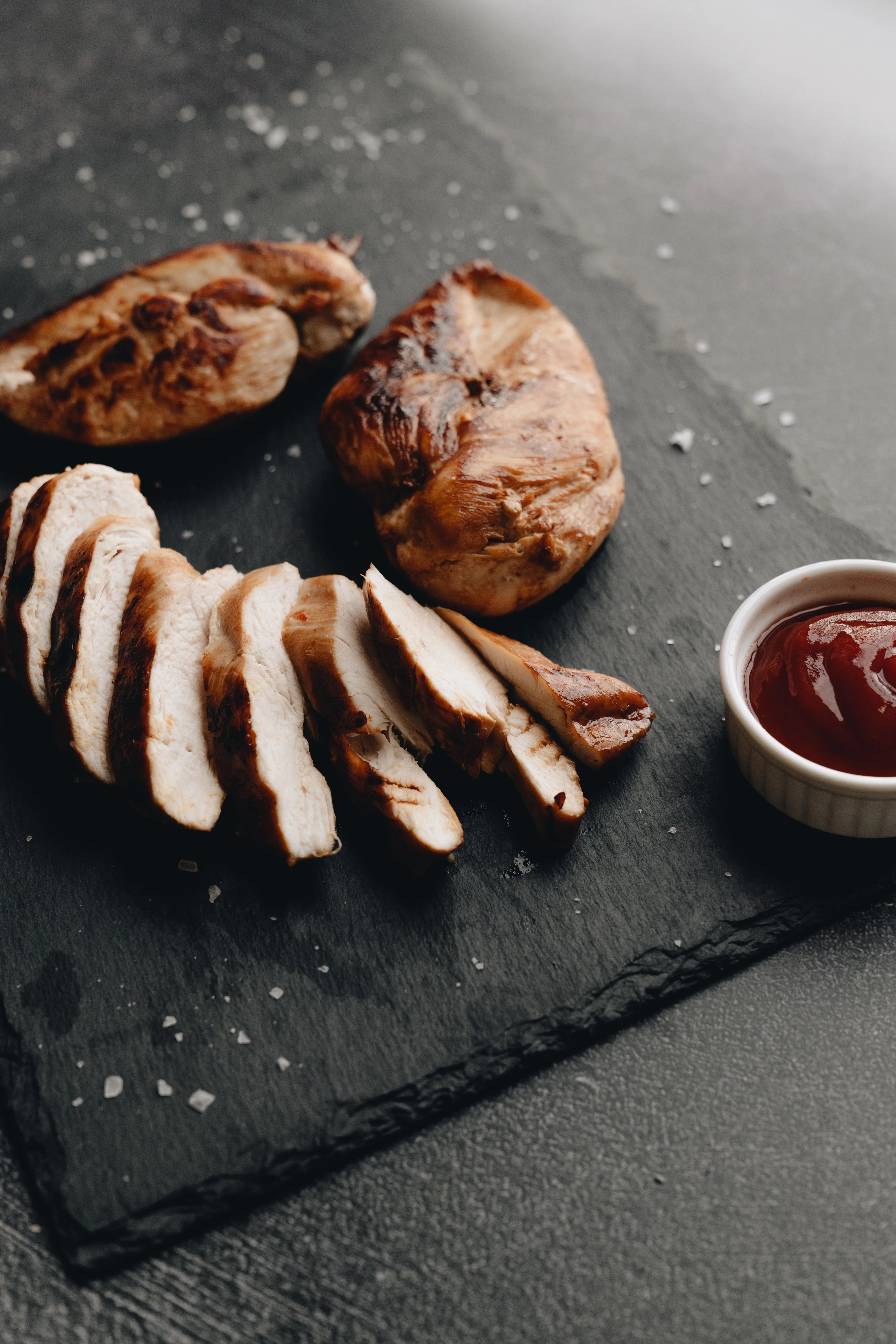
Lifestyle & Wellness
Protein Intake and Hair Growth: How Much Do You Actually Need?
9 min read
Lifestyle & Wellness