Lifestyle & Wellness
Protein Intake and Hair Growth: How Much Do You Actually Need?
Hair is nearly 95 percent keratin protein, so what you eat matters more than you think. Here's exactly how much protein your body needs each day to keep building strong, healthy strands instead of shedding them.
Updated July 1, 2026
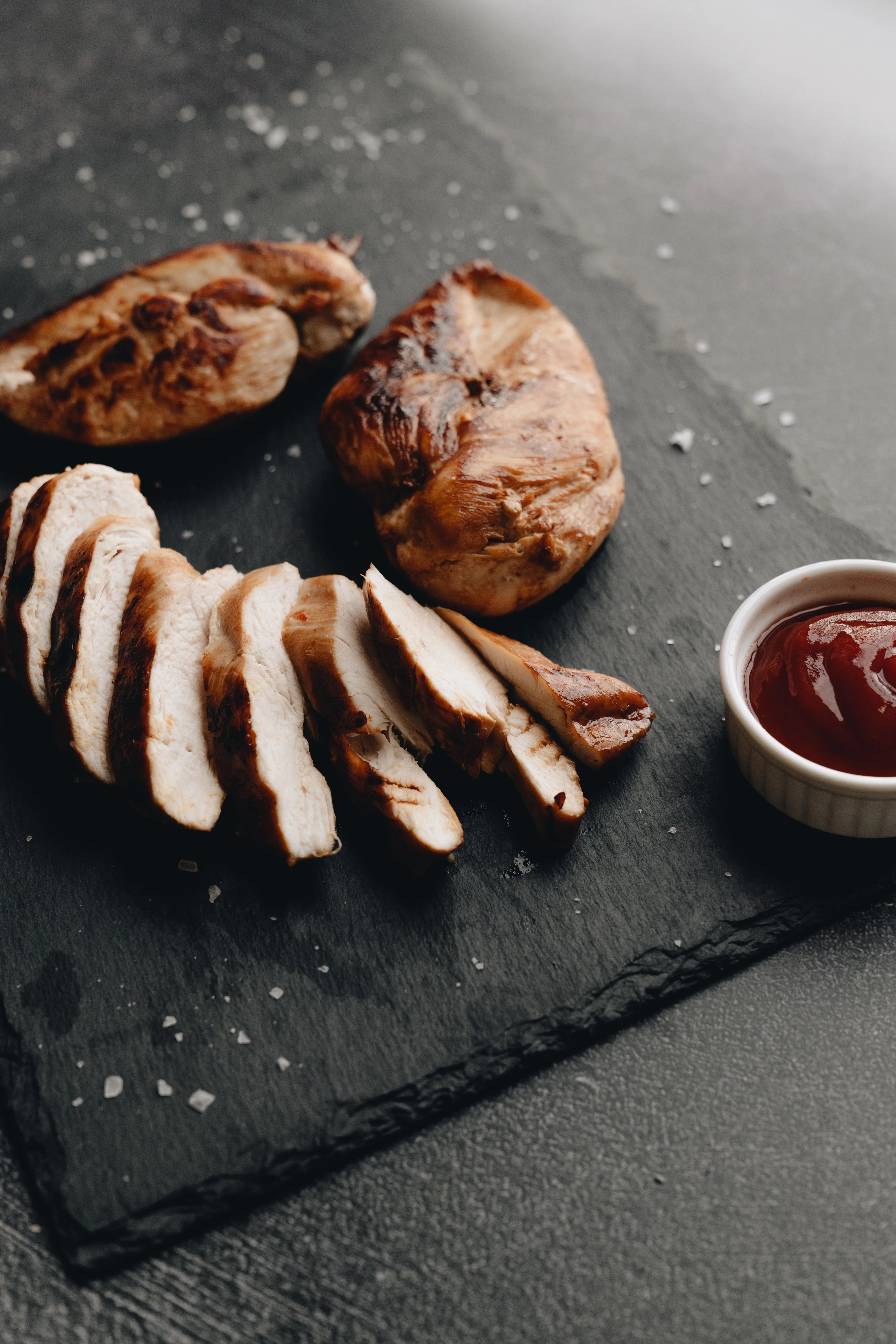
Hair is roughly 95 percent keratin, a fibrous structural protein. That single fact explains why so many people who cut calories, go vegan without planning, or simply eat an inconsistent diet start noticing more hair in the shower drain a few months later. Protein isn't a nice-to-have for hair growth. It's the raw material the entire structure is built from, and when supply runs short, hair is one of the first tissues your body deprioritizes.
This article breaks down what protein actually does inside the follicle, how protein deficiency hair loss develops, and, most usefully, how much protein for hair growth you actually need each day based on your body weight and activity level. None of this requires an extreme diet or expensive supplementation. It requires understanding a fairly simple biological math problem and making sure your plate solves it consistently.
Why Hair Is So Dependent on Protein
Every strand of hair grows from a follicle that contains some of the most metabolically active, fastest-dividing cells in the human body. Inside the hair bulb, matrix cells divide roughly every 23 to 72 hours, a turnover rate that rivals bone marrow and the lining of the gut. That rapid division exists to manufacture keratin, a tough, coiled protein built from a chain of amino acids, primarily cysteine, glutamic acid, and arginine, that are cross-linked into the strong fiber you see as hair.
Building that fiber requires a constant, reliable supply of dietary amino acids. Your body cannot stockpile large protein reserves the way it stores fat or even carbohydrate as glycogen. Amino acids are used or excreted, which means hair follicles depend on what you eat regularly, not on what you ate last week. When dietary protein is insufficient, the liver and muscle tissue release amino acids to protect vital organs, and non-essential processes like hair shaft production are scaled back or paused entirely.
This is also why hair loss from poor nutrition tends to lag behind the actual dietary shortfall by two to four months. Hair that's already formed keeps growing for a while, but the follicles that should be starting new growth phases quietly shift into a resting state instead. You don't see the consequence of a low-protein month until the resting hairs eventually shed.
How Protein Deficiency Hair Loss Actually Develops
Protein deficiency hair loss most often shows up as a pattern called telogen effluvium: a diffuse, whole-scalp thinning rather than the receding hairline or crown thinning typical of androgenetic hair loss. It happens when a larger-than-normal percentage of follicles are pushed out of the active growth phase and into the resting phase at roughly the same time, all because the body triaged limited amino acids away from hair production.
Clinical nutrition research has long recognized this pattern in cases of severe caloric or protein restriction, whether from crash dieting, disordered eating, illness, or extreme low-protein diets. But you don't need clinical-level deficiency to notice an effect. Milder, chronic under-consumption of protein, common in people who skip meals, rely heavily on refined carbohydrates, or follow a restrictive diet without substituting adequate plant protein, can produce a slower, subtler thinning that's easy to misattribute to stress, genetics, or aging.
It's worth being clear-eyed here: protein deficiency is one contributing factor among many, and it rarely acts alone. Hormonal pattern hair loss driven by DHT sensitivity follows a different mechanism entirely and won't be reversed by protein alone. But for anyone experiencing diffuse thinning, unusually brittle strands, or hair that seems to have stalled in growth, an honest look at protein intake is one of the simplest and most fixable places to start.
Key Point
Hair loss caused by inadequate protein tends to be diffuse and whole-scalp rather than a receding hairline or thinning crown. If your shedding pattern looks like the latter, it's more likely driven by genetics and hormones, and protein intake alone won't be the fix, though it still supports the underlying health of every strand you have.
How Much Protein for Hair Growth Do You Actually Need
The standard baseline, the Recommended Dietary Allowance (RDA), is 0.8 grams of protein per kilogram of body weight per day. That figure is designed to prevent outright deficiency in a sedentary adult, and it's the number printed on most nutrition labels. For hair health specifically, most dermatology and nutrition sources suggest aiming somewhat higher than the bare minimum, generally in the range of 1.0 to 1.2 grams per kilogram of body weight daily for most healthy adults, with active individuals often doing well closer to 1.2 to 1.6 grams per kilogram.
In more familiar terms, here's roughly what that looks like:
- 140 lb (64 kg) adult: approximately 64 to 77 grams of protein per day for general hair support, up to around 100 grams if very active.
- 180 lb (82 kg) adult: approximately 82 to 98 grams per day, up to around 130 grams if very active.
- 220 lb (100 kg) adult: approximately 100 to 120 grams per day, up to around 160 grams if very active.
These ranges aren't a hard prescription, and more isn't automatically better past a certain point (more on that below). But they give you a realistic target to check your own eating against. Most people significantly underestimate how much protein they actually eat in a day, and a rough two-day food log is often the fastest way to find out whether you're in the right zone.
Age also matters. Protein needs tend to rise somewhat in older adults because the body becomes less efficient at converting dietary protein into usable amino acids, a phenomenon researchers describe as anabolic resistance. This is one reason hair thinning that shows up in your 50s and 60s isn't always purely hormonal. Higher protein intake, spread evenly across meals, is one of the more overlooked levers for supporting hair density as you age.
Complete Proteins, Incomplete Proteins, and Why the Distinction Matters
Not all protein is equally useful to a hair follicle. Keratin synthesis depends on a full spectrum of essential amino acids, particularly the sulfur-containing amino acid cysteine, arginine, and lysine. A "complete" protein source provides all nine essential amino acids in meaningful amounts; an "incomplete" source is missing or low in one or more.
- Complete animal sources: eggs, poultry, fish, lean beef, dairy (Greek yogurt, cottage cheese) all supply a full amino acid profile in a single food.
- Complete plant sources: soy (tofu, tempeh, edamame) and quinoa are among the few plant proteins that are complete on their own.
- Incomplete but valuable sources: lentils, beans, chickpeas, nuts, seeds, and whole grains are excellent protein sources but are typically lower in one or two essential amino acids, which is why pairing them (rice and beans, hummus and whole grain pita) matters for vegetarians and vegans.
You don't need to obsess over combining every single meal, since your body draws from a rolling pool of amino acids across the day rather than requiring a complete set at every sitting. But if your diet leans heavily plant-based, it's worth deliberately including a variety of legumes, grains, soy, nuts, and seeds across the week so you're not consistently short on any single essential amino acid.
This is also where targeted nutrition can help fill gaps. Regular exercise increases your body's overall protein turnover, which raises the amino acid demand across muscle repair and hair production at the same time, so active people following a lighter or plant-forward diet should pay particularly close attention to total intake.
Signs Your Protein Intake Might Be Falling Short
Because dietary protein shortfalls tend to be gradual, the signs are often easy to write off as something else. A few patterns worth paying attention to together, rather than in isolation:
- Diffuse shedding: noticeably more hair in the shower, on your pillow, or in your brush, spread evenly across the scalp rather than concentrated at the hairline or crown.
- Slower growth and thinner shafts: hair that seems to be growing more slowly than usual, or that feels finer and weaker than it used to.
- Brittle, easily breaking strands: hair that snaps rather than stretches, particularly near the ends.
- Dull texture and slow nail growth: since nails share a similar keratin-based structure, protein shortfalls often show up in both tissues at once.
- Recent major dietary changes: a new restrictive diet, sudden weight loss, illness that reduced appetite for weeks, or a shift to plant-based eating without adjusting protein sources.
None of these signs are exclusive to low protein intake, which is why context matters. If they show up alongside a genuine change in how, or how much, you've been eating, protein deficiency hair loss is a reasonable hypothesis worth checking with a straightforward diet review, and if the shedding is significant or persistent, a conversation with a doctor to rule out thyroid issues, iron deficiency, or other causes.
Can You Overdo It? What More Protein Doesn't Fix
A common assumption is that if some protein helps hair, a lot more must help even more. In practice, once you're consistently hitting the 1.0 to 1.6 gram per kilogram range described above, additional protein beyond that point doesn't meaningfully accelerate hair growth. Keratin synthesis is rate-limited by the biology of the follicle's growth cycle, not simply by how many amino acids are floating around in your bloodstream. Extra protein past what your body can use gets processed as energy or excreted, not stockpiled for future hair production.
There's also a subtler issue: protein alone doesn't build a strand of hair. Keratin synthesis is a coordinated process that also depends on adequate iron, zinc, biotin, vitamin D, and B vitamins to actually convert amino acids into finished, healthy hair fiber. Someone eating plenty of protein but running low on iron or zinc can still experience diffuse thinning, because the raw material is there but a required cofactor for the manufacturing process isn't. This is a big part of why single-nutrient fixes rarely work as well as people hope, and why a broader, balanced approach tends to outperform protein shakes alone.
Extremely high protein diets sustained over long periods can also strain kidney function in people with existing kidney issues, so more is not a free lever to pull without limit. The goal is sufficiency and consistency, not maximization.
Building a Hair-Healthy Protein Routine
Turning the numbers above into a daily habit is simpler than it sounds. A few practical adjustments tend to make the biggest difference:
- Spread protein across meals instead of front- or back-loading it. Amino acid availability for hair synthesis is more consistent when protein is distributed across breakfast, lunch, and dinner rather than concentrated in one large evening meal.
- Anchor breakfast with real protein. Eggs, Greek yogurt, or a protein smoothie in the morning close a gap that many people carry through an otherwise reasonable day.
- Track intake honestly for a few days. A simple food log, even a rough one, is often the difference between assuming you eat enough protein and knowing whether you actually do.
- Support the process with targeted nutrition, not just protein volume. A daily multivitamin built for hair, like Daily Density Gummies, can help cover the biotin, zinc, and vitamin cofactors that work alongside dietary protein to actually finish the job of building keratin.
- Don't neglect the scalp environment while you focus on diet. Internal nutrition builds the raw material, but a clean, balanced scalp gives it somewhere healthy to grow from. Using a gentle, buildup-clearing wash like Dense Cleanse alongside better eating habits addresses both sides of the equation instead of just one.
- Give it time. Because of the lag between a dietary change and a visible result, expect at least three to four months of consistent protein intake before judging whether it's made a difference in shedding or thickness.
It's also worth remembering that sleep quality and protein intake work on the same overnight repair window. Growth hormone release during deep sleep helps drive amino acid uptake into tissue, including the hair matrix, so a well-fed diet paired with poor sleep will underperform compared to the same diet paired with consistent rest.
None of this replaces addressing hormonal or genetic pattern hair loss directly. If thinning is concentrated at the hairline or crown rather than diffuse across the scalp, a device-based approach and targeted supplementation aimed at the hair cycle itself, rather than diet alone, is typically the more effective path.
Protein is one of the few hair growth variables that's entirely within your control, doesn't require a prescription, and pays off in tissues well beyond your scalp. Getting it right isn't complicated: eat a reasonable amount consistently, choose a mix of complete and incomplete sources, and give your follicles the few months they need to show the difference. It won't rewrite your genetics, but it removes one of the more common, correctable obstacles standing between you and the hair growth your body is otherwise capable of.
From the routine
Mentioned in this article

Common questions
Frequently asked questions
How much protein do I need per day for hair growth specifically?+
What are the first signs of protein deficiency hair loss?+
Can I get enough protein for hair growth on a vegetarian or vegan diet?+
How long does it take to see results after improving protein intake?+
Is it possible to eat too much protein for hair health?+
Does a protein shake or protein powder help with hair growth?+
The Regrowthy System
Ready to start regrowing at home?
Hands-free. Non-prescription. 660nm clinical wavelength, backed by a 30-day guarantee.
Continue Reading

Lifestyle & Wellness
How Sleep Affects Hair Growth: The Overnight Recovery Window
7 min read
Lifestyle & Wellness
Exercise and Hair Growth: How Physical Activity Impacts Your Follicles
8 min read
Lifestyle & Wellness
Swimming Pool Chlorine and Hair Damage: How to Protect Your Hair
9 min read
Lifestyle & Wellness