Lifestyle & Wellness
Swimming Pool Chlorine and Hair Damage: How to Protect Your Hair
Chlorine can leave hair dry, brittle and even greenish, but it rarely causes true hair loss on its own. Here is how to tell the difference and build a simple routine that lets you swim without sacrificing healthy hair.
Updated July 1, 2026
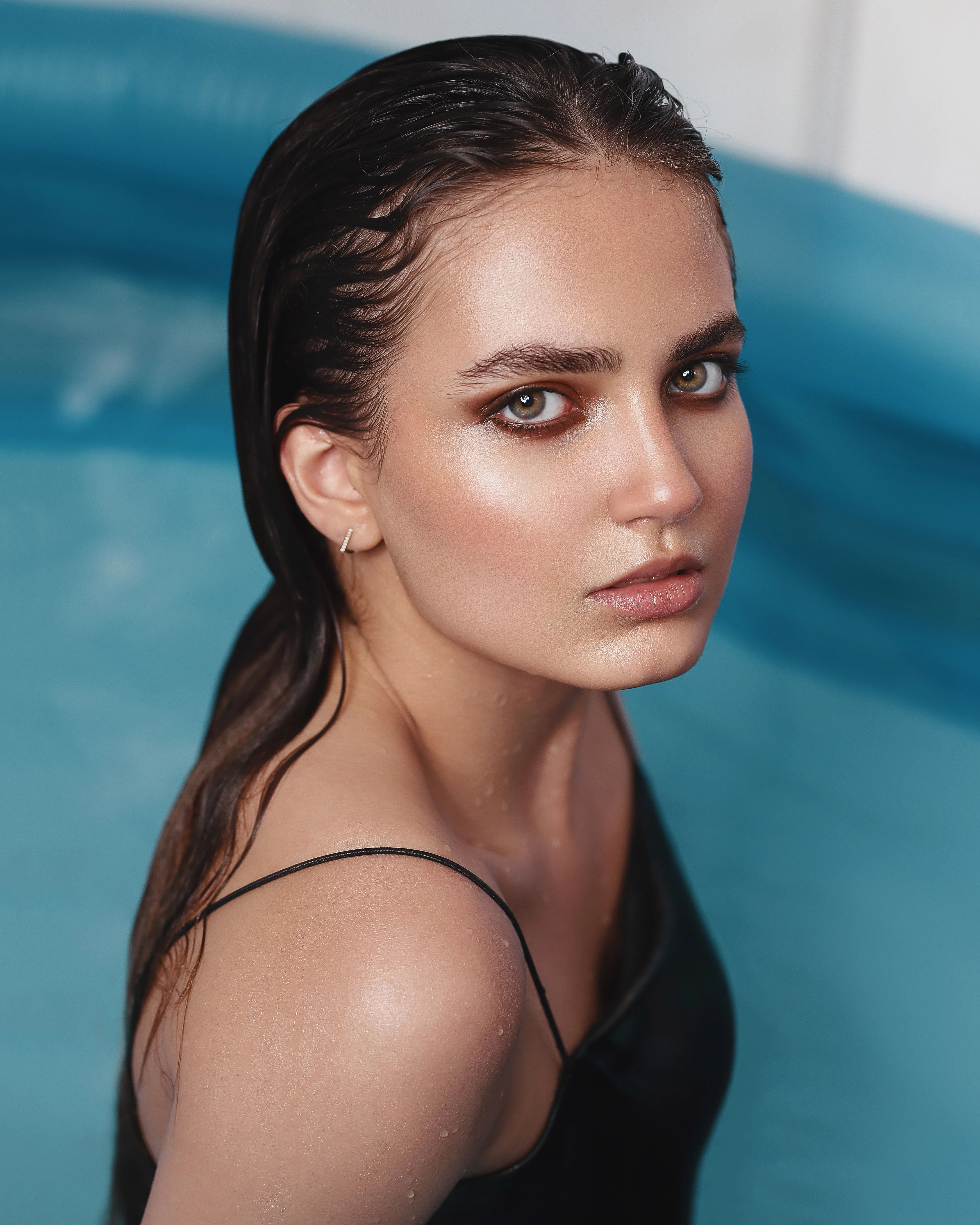
If you swim regularly, you have probably noticed your hair does not behave the way it used to. It feels drier, tangles more at the ends, and after a long session it can even take on a strange greenish cast. That is chlorine hair damage at work, and while it rarely causes true hair loss on its own, it can make existing thinning look and feel a lot worse. Here is what chlorine actually does to hair and scalp, and how to protect hair from chlorine without giving up the pool.
How Chlorine Affects Your Hair
Pool water is treated with chlorine, or a related compound like sodium hypochlorite, because it is an aggressive oxidizer. That is exactly why it works so well at killing bacteria, and exactly why it is hard on hair. The same oxidizing reaction that disinfects the water also breaks down the natural oils that coat your hair shaft and scalp.
Hair's outer layer, the cuticle, is made of overlapping cells that normally lie flat and smooth, sealing moisture in. Chlorine strips away the lipid layer that holds those cells down, causing the cuticle to lift and roughen. Once that happens, hair loses moisture faster, becomes more porous, and starts to tangle, frizz, and snap under normal handling. With repeated exposure, chlorine can also weaken the protein bonds inside the keratin structure that gives each strand its strength and elasticity. This is the real mechanism behind chlorine hair damage: it is rarely one swim that does it, it is weeks or months of cumulative exposure without any protective routine in between.
Color-treated, gray, or light blonde hair is especially vulnerable because it already has a more open cuticle structure. This is also why swimmers sometimes notice a greenish tint after time in the pool. That tint usually comes from oxidized copper or other metals in the water binding to hair proteins, and it happens more easily once chlorine has already opened up the cuticle enough for those minerals to latch on.
Does Swimming Really Cause Hair Loss?
A lot of people searching for swimming hair loss are really describing something more specific: hair that is breaking off, thinning at the ends, or shedding more than usual after they start a regular pool routine. It is worth separating two different things that can look similar but are not the same. Chlorine exposure damages the hair shaft, the part of the hair you can see and touch. Pattern hair loss happens at the follicle, under the scalp, and is driven by a completely different process involving genetics and the hormone DHT.
Chlorine does not shrink hair follicles or interrupt the growth cycle the way androgenetic alopecia does. But there are indirect ways pool time can contribute to visible thinning. Chronic scalp dryness and irritation from chlorinated water can disrupt the scalp's natural oil balance, sometimes leading to flaking or mild dermatitis. A stressed, inflamed scalp is not an ideal environment for healthy growth cycles, and physical stressors on the body can occasionally trigger a temporary shedding phase known as telogen effluvium. On top of that, constant detangling of wet, chlorine-roughened hair adds mechanical stress that snaps already weakened strands, which reads as loss even when it is really breakage.
Key Point
Chlorine damages the hair shaft, not the follicle itself. Genetic hair loss driven by DHT cannot be caused by pool water. What chlorine can do is make already thinning hair snap and shed more visibly by weakening strands that were fragile to begin with, which is why swimmers with any existing thinning notice the effects of chlorine faster than people with thick, healthy hair.
Signs Your Hair Has Chlorine Damage
Chlorine damage builds gradually, so it helps to know what to look for before it becomes severe. Common signs include:
- A straw-like, rough texture that feels different from the rest of your hair, especially at mid-lengths and ends
- Increased tangling and knotting right after swimming
- A dull, faded appearance, particularly noticeable on color-treated hair
- A greenish tint, most common in blonde, gray, or light-colored hair
- More split ends and breakage than usual, often visible as short, frizzy strands along the hairline
- A dry, tight, or itchy scalp after regular pool sessions
If you notice several of these at once, your hair is telling you it needs a more deliberate protection routine, not just an occasional deep conditioner.
Protect Your Hair Before You Swim
The single most effective thing you can do to protect hair from chlorine takes about thirty seconds and costs nothing: wet your hair thoroughly with clean tap water before you get in the pool. Hair is somewhat like a sponge. If it is already saturated with clean water, it absorbs noticeably less chlorinated pool water during your swim, which limits how much damage actually reaches the hair shaft.
- Pre-wet your hair with fresh water immediately before entering the pool.
- Apply a leave-in conditioner or protective oil to damp hair. A light coating of a nourishing oil, such as rosemary oil, creates a barrier that helps repel chlorinated water and slows how much reaches the cuticle.
- Wear a swim cap. Silicone caps offer far better coverage than latex and meaningfully reduce direct saturation, even if some water still seeps in around the edges.
- Tie hair up or braid it if you are not wearing a cap, to reduce surface area exposed to the water and cut down on tangling.
- Space out intense sessions when possible, since daily prolonged exposure without recovery time compounds cumulative damage.
Rinse and Repair After Swimming
What you do in the fifteen minutes after you get out of the pool matters almost as much as what you do beforehand. Rinse your hair with clean water as soon as you can, ideally before it dries, to wash away chlorine and pool minerals before they have time to set into the cuticle. Letting chlorinated water air-dry on your hair gives it more time to oxidize and cause damage.
If you swim several times a week, a clarifying or chelating shampoo used once every week or two can help remove the mineral and chlorine buildup that regular shampoo leaves behind. Follow it with a rich, moisturizing conditioner to replace the oils that were stripped away, and let hair air-dry when you can rather than reaching for heat styling tools right after a swim, since heat on already-compromised hair increases the risk of further breakage.
Frequent swimmers often focus entirely on the hair shaft and forget the scalp underneath it, but a clean, balanced scalp matters just as much for keeping follicles working normally. A dedicated scalp shampoo like Dense Cleanse can help clear out chlorine residue, product buildup, and excess oil at the scalp level, which supports a healthier environment for hair to keep growing the way it should, especially if you are already noticing some scalp dryness or flaking from regular pool exposure.
Building a Swimmer-Friendly Hair Care Routine
Beyond your pre- and post-swim habits, a few longer-term routine adjustments make a real difference for anyone who swims consistently. A weekly deep conditioning treatment helps rebuild moisture and smooth the cuticle back down, reducing tangling and breakage over time. Regular trims remove split ends before they travel further up the strand, which keeps overall hair looking healthier even while you are actively swimming.
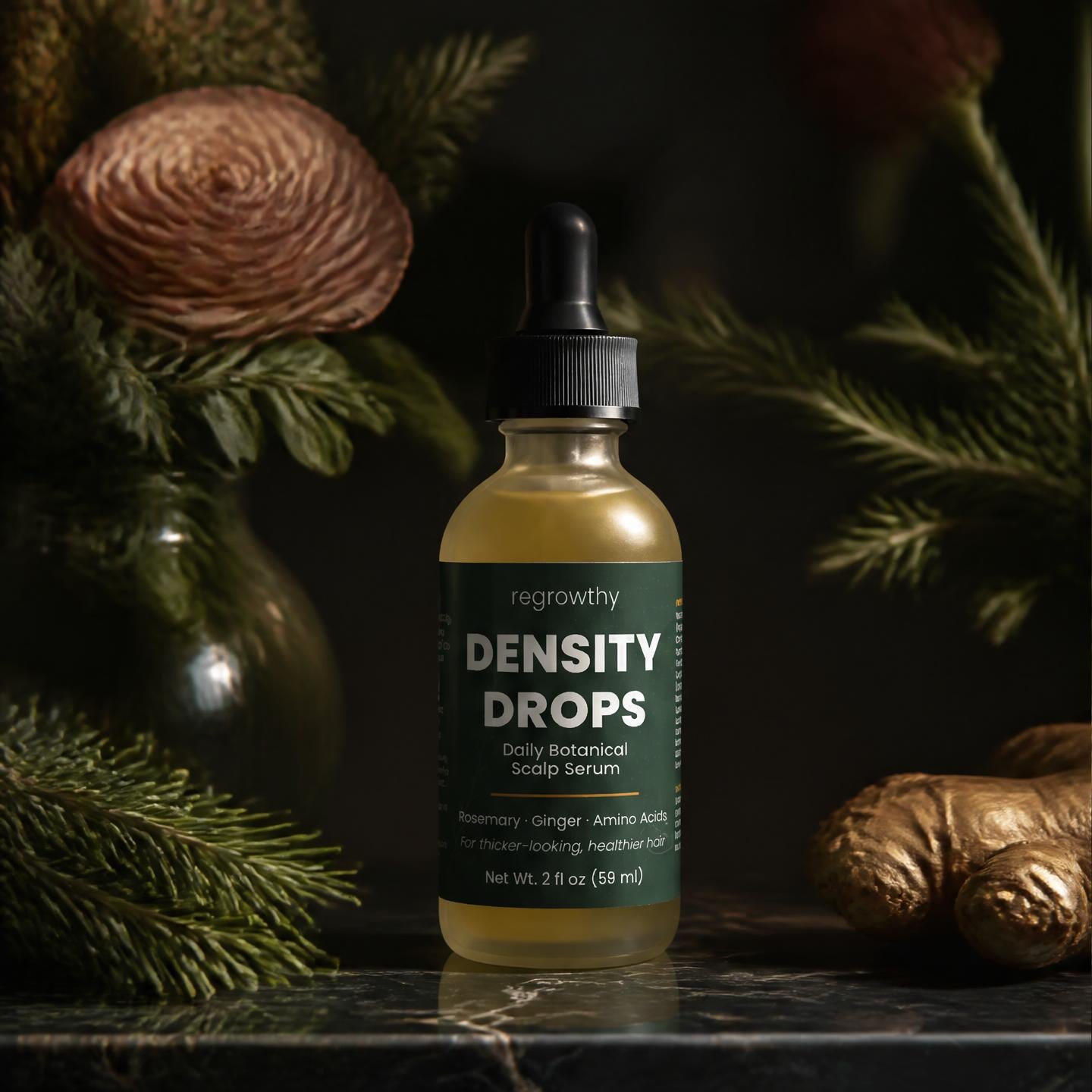
It also helps to support hair from the inside, not just with what you put on it. Hair is largely built from protein, and chronic chlorine exposure puts real stress on that protein structure, so making sure your diet and supplement routine support keratin production matters more for swimmers than for people who rarely get their hair wet. Density Collagen peptides can help provide building blocks that support hair's structural strength, while a simple daily option like Daily Density Gummies makes it easier to stay consistent with core nutrients on busy training days when a full routine feels like one more thing to remember.
It is also worth remembering that swimming itself is genuinely good for you. Moderate, regular cardiovascular exercise supports healthy circulation, and better blood flow to the scalp is one of the underlying mechanisms behind the connection between exercise and hair growth. The goal is not to swim less, it is to manage the chlorine side of the equation so you get the cardiovascular benefits without the hair damage tradeoff.
When It's More Than Chlorine
If you have tightened up your pre- and post-swim routine, are rinsing consistently, and using a protective barrier every time, but you are still seeing a widening part, a receding hairline, or thinning concentrated at the crown rather than general dryness and breakage along the lengths, that pattern points toward something other than chlorine. Chlorine damage tends to show up as texture problems, split ends, and breakage distributed across the hair shaft. Genuine pattern thinning shows up as fewer, finer hairs at the follicle level, usually in a specific, progressive pattern.
It is also worth considering what else your hair is exposed to at home. If your tap water is high in minerals, the combination of hard water and hair loss concerns can compound whatever chlorine exposure you are already getting at the pool, since both leave mineral deposits that dry hair out and disrupt the cuticle in similar ways. Addressing your home water quality alongside your swim routine can meaningfully cut down total damage.
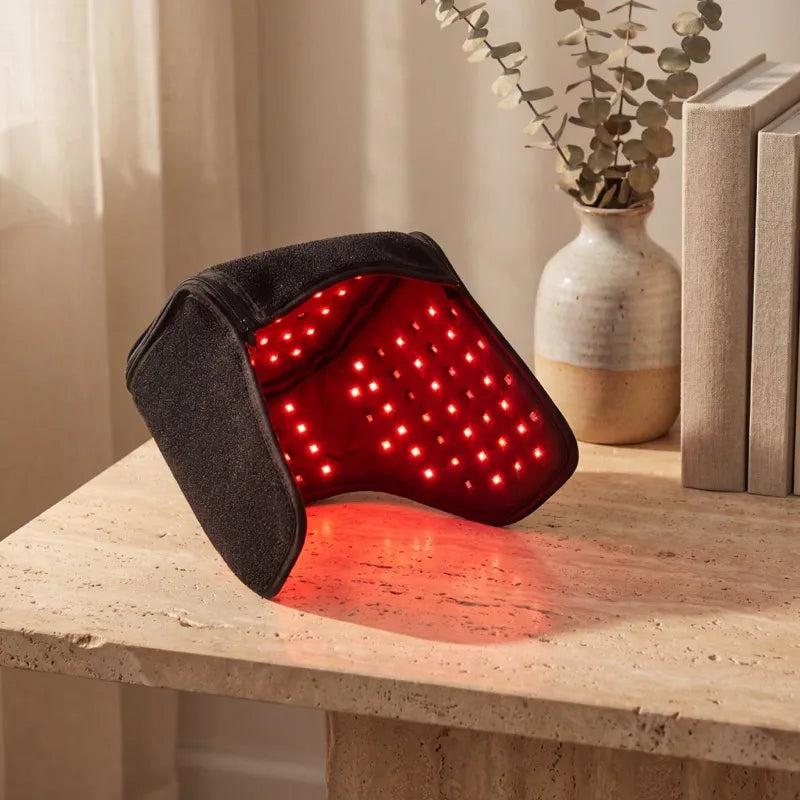
If thinning does turn out to be pattern-related rather than purely cosmetic damage, that is a different conversation, and an earlier one is always better than a later one. Non-prescription options like a Laser Therapy Cap are designed to support the scalp and follicles directly during that kind of thinning, working alongside good hair care habits rather than replacing them. Swimming should be something you enjoy without worrying about what it is doing to your hair. With a consistent pre-swim barrier, a real post-swim rinse routine, and attention to what your hair needs beyond the pool, most chlorine-related damage is very manageable, and there is no reason to choose between healthy hair and the sport or hobby you love.
From the routine
Mentioned in this article
Common questions
Frequently asked questions
Can chlorine actually cause permanent hair loss?+
How often should swimmers wash their hair?+
Does wetting hair before swimming really help?+
Is chlorine worse for color-treated or gray hair?+
Do swim caps actually protect hair from chlorine?+
The Regrowthy System
Ready to start regrowing at home?
Hands-free. Non-prescription. 660nm clinical wavelength, backed by a 30-day guarantee.
Continue Reading

Lifestyle & Wellness
Exercise and Hair Growth: How Physical Activity Impacts Your Follicles
8 min read
Lifestyle & Wellness
How Smoking and Alcohol Accelerate Hair Loss
8 min read
Lifestyle & Wellness
Stress and Hair Loss: The Science Behind Telogen Effluvium
9 min read
Lifestyle & Wellness