Ingredient Science
Green Tea EGCG for Hair Growth: The Antioxidant Science
Green tea is more than a morning ritual: its signature antioxidant, EGCG, may help calm the scalp and interfere with the DHT pathway behind thinning hair. Here is what the science actually shows.
Updated July 1, 2026
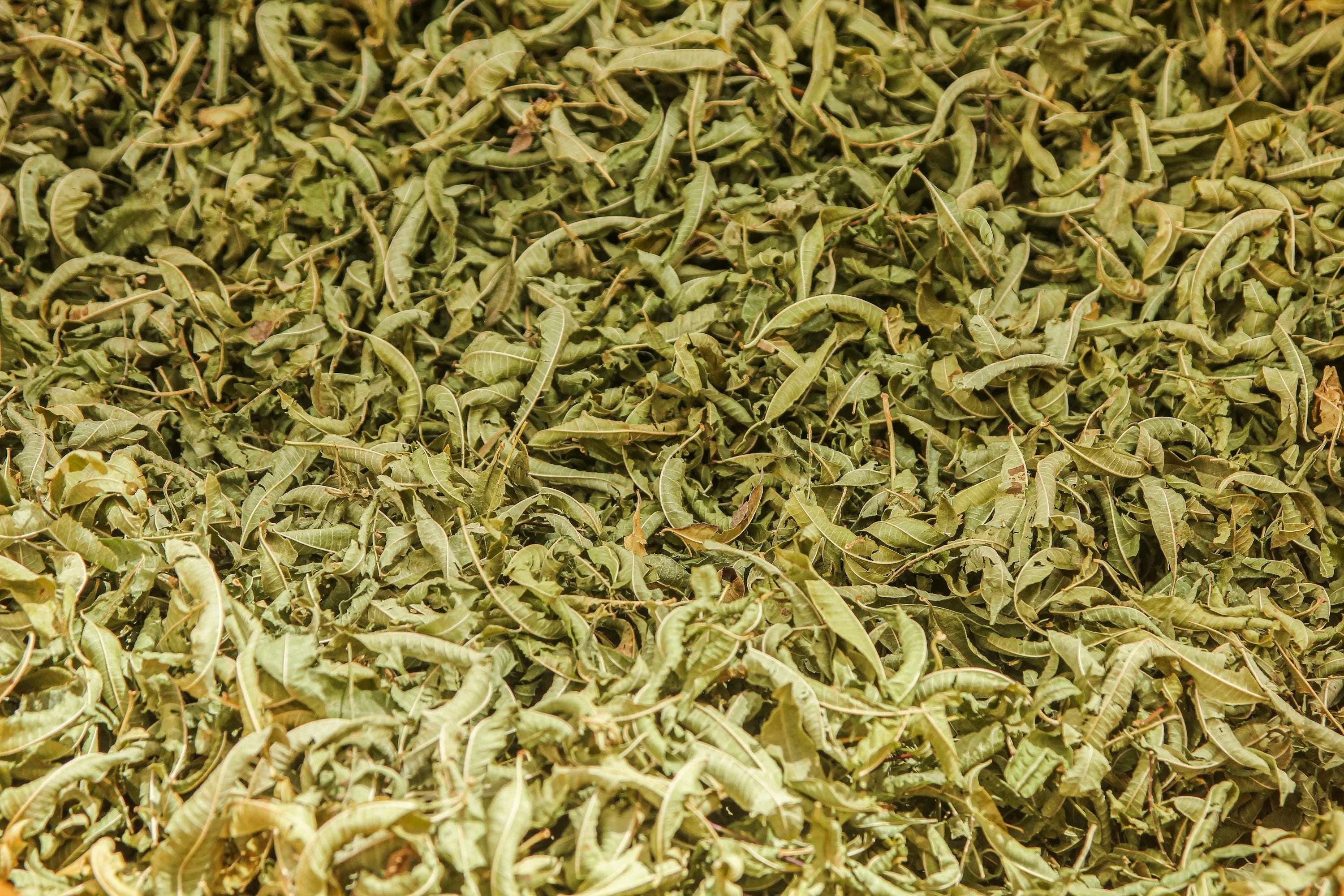
If you have spent any time researching natural ways to slow hair thinning, you have probably run into green tea. It shows up in shampoos, scalp serums, and supplement blends, usually with a vague promise about antioxidants. But there is an actual reason green tea keeps coming up in hair loss research, and it has a name: epigallocatechin gallate, or EGCG. This is the compound doing most of the work, and understanding what it does (and does not do) can help you decide whether it belongs in your routine.
Green tea hair growth claims are not new, but the underlying science has gotten more specific over the last decade. Researchers have looked at how EGCG behaves at the follicle level, how it may interact with the same hormone pathway that drives androgenetic alopecia, and how it fits alongside more established treatments. None of this makes green tea a replacement for proven approaches, but it does make it one of the more interesting ingredients in the natural hair care conversation.
What Is EGCG, Exactly?
EGCG stands for epigallocatechin gallate. It is a type of catechin, which is a category of polyphenol found in high concentrations in green tea leaves. Unlike black tea, which is fermented and oxidized, green tea leaves are steamed or pan-fired shortly after picking, which preserves most of their catechin content. That processing difference is exactly why green tea gets so much more attention in hair and skin research than black tea does.
Among the catechins in green tea, EGCG is the most abundant and the most studied. It is a strong antioxidant, meaning it can neutralize free radicals, unstable molecules that damage cells over time. Antioxidant activity alone would make EGCG worth a mention in any conversation about scalp health, but researchers have gone further and looked specifically at how it behaves around hair follicles, where it appears to do something more targeted than general antioxidant cleanup.
In laboratory studies on human hair follicle cells, EGCG has been shown to promote the proliferation of dermal papilla cells, the cells at the base of the follicle that regulate hair growth cycles. It has also been observed to help extend the anagen phase, which is the active growth phase of the hair cycle, in cultured follicle models. These are cell-level findings, not guarantees of what happens on an actual human scalp, but they explain why EGCG hair loss research keeps expanding rather than fading out.
How EGCG Interacts With DHT
To understand why green tea extract DHT research matters, it helps to review the basic mechanism behind the most common form of hair thinning. Androgenetic alopecia, the pattern hair loss that affects both men and women, is driven largely by dihydrotestosterone, or DHT. DHT is produced when the enzyme 5-alpha reductase converts testosterone into its more potent form. In hair follicles that are genetically sensitive to DHT, this hormone binds to receptors and gradually shrinks the follicle in a process called miniaturization, shortening the growth phase with each cycle until the hair produced is finer, shorter, and eventually nonexistent.
This is well established dermatology, and it is why most effective hair loss treatments target some part of this pathway, either by reducing 5-alpha reductase activity, blocking DHT from binding to receptors, or improving blood flow and cellular activity at the follicle to counteract the miniaturization process.
Green tea catechins hair research has explored whether EGCG can interfere with this same pathway. Laboratory studies looking at 5-alpha reductase activity have found that certain green tea catechins, including EGCG, may inhibit the enzyme to some degree in vitro. There is also research suggesting EGCG has a mild affinity for interacting with androgen receptor activity in follicle cell models. Put simply, some of the same lab evidence that makes ingredients like pumpkin seed oil and saw palmetto interesting to hair loss researchers also applies, in a different form, to EGCG.
It is important to be honest about the limits here. Most of this evidence comes from cell culture and animal studies, not large-scale human clinical trials measuring actual hair regrowth from green tea alone. EGCG is not positioned in the research as a standalone DHT blocker on the level of a prescription treatment. What the data supports is a more modest but still meaningful claim: EGCG appears to interact with the DHT pathway in ways that could complement, rather than replace, other approaches to managing androgenetic alopecia.
Antioxidants and a Healthier Scalp Environment
DHT interference is only part of the story. A meaningful portion of green tea hair growth research focuses on oxidative stress, which is a separate but related contributor to hair thinning. Oxidative stress occurs when free radicals accumulate faster than the body's antioxidant defenses can clear them, and it has been linked in dermatology studies to inflammation, premature follicle aging, and a less hospitable scalp environment overall.
The scalp is a metabolically active piece of skin with a dense network of follicles, blood vessels, and sebaceous glands, all of which generate oxidative byproducts as part of normal function. When that process is compounded by inflammation, poor circulation, or chronic stress, follicles can be pushed prematurely into the resting or shedding phase of the hair cycle. This is where EGCG's antioxidant strength becomes relevant again, separate from anything related to hormones.
Clinical research on topical antioxidant application to skin and scalp tissue has generally found reduced markers of oxidative damage and inflammation. Applied to the scalp specifically, this suggests EGCG may help create conditions that are more favorable for healthy follicle cycling, even for hair loss that is not purely hormone driven, such as thinning related to stress, seasonal shedding, or general scalp inflammation.
Key Point
EGCG appears to work on two separate fronts: mild interference with the DHT pathway that drives pattern hair loss, and antioxidant support that may reduce scalp inflammation and oxidative stress. Neither effect alone is a substitute for proven treatments, but together they make a reasonable case for including green tea extract in a broader, evidence-minded hair care routine.
What the Research Actually Shows
It is worth pausing to separate what is solid from what is still preliminary. Dermatology studies have consistently found that EGCG and other green tea catechins show antioxidant and anti-inflammatory activity in skin tissue, including scalp tissue, when applied topically or taken orally. This part of the science is fairly well supported and consistent across multiple lines of research.
The DHT related findings are less settled. In vitro studies (meaning studies done in a lab setting on isolated cells rather than on living human scalps) have shown EGCG can affect 5-alpha reductase activity and follicle cell behavior in ways that look promising. But translating an in vitro finding into a real-world clinical outcome is a well-known gap in dermatology research generally, and it applies here too. A handful of small human studies and clinical case reports have looked at green tea extract for hair related outcomes, generally with encouraging but limited results, and larger, longer-term human trials focused specifically on hair regrowth are still fairly sparse compared to what exists for prescription treatments.
This is not a reason to dismiss EGCG, it is a reason to set realistic expectations. Green tea extract dht research is genuinely promising at the mechanistic level, and it lines up with what we know about how antioxidants and mild anti-androgen compounds behave in other contexts. But if you are looking at EGCG as your only strategy for significant regrowth, the current evidence does not fully support that. Where it fits best is as one component within a layered routine that also addresses circulation, inflammation, and follicle stimulation through other validated means.
Catechins Beyond EGCG: The Whole Green Tea Profile
EGCG gets the most attention, but green tea catechins hair research usually looks at the whole polyphenol profile, not just one compound in isolation. Green tea also contains epicatechin, epigallocatechin, and epicatechin gallate, along with smaller amounts of caffeine and L-theanine. These compounds appear to work together rather than in isolation, which is part of why whole green tea extract is often used in research rather than isolated EGCG alone.
This matters for anyone shopping for a supplement or topical product. A green tea extract standardized for total catechin content, rather than one that isolates only EGCG, may better reflect how the research was actually conducted. It also means the practical takeaway is less about hunting for a pure EGCG product and more about looking for a well-sourced green tea extract used at a reasonable, tested concentration.
Where Green Tea Fits Alongside Other Botanicals
Green tea is often grouped with other plant-derived hair ingredients that are thought to interact with the DHT pathway or support scalp health, including saw palmetto, rosemary oil, and pumpkin seed oil. None of these ingredients works identically, and none has clinical trial data as robust as finasteride or minoxidil, but there is a reasonable argument for combining several mild, complementary botanicals rather than relying on any single one to do all the work.
Diet, Supplements, or Topical: Where Does EGCG Fit?
There are three realistic ways to get more EGCG into your routine, and they are not mutually exclusive. Drinking green tea itself provides EGCG systemically, though the amount that reaches the scalp and follicles through diet alone is relatively small and inconsistent, since absorption and metabolism vary quite a bit from person to person.
Oral supplements standardized for EGCG or total catechin content offer a more consistent dose than drinking tea, which is why they show up more often in the research designed specifically around hair and skin outcomes. Topical application, whether through a leave-in scalp serum or a shampoo formulated with green tea extract, delivers the compound more directly to the scalp environment, where the antioxidant and anti-inflammatory effects seem to matter most.
For most people focused specifically on scalp health rather than general wellness, a combination of a scalp-targeted topical and a well-formulated internal supplement makes the most sense. This is part of the thinking behind formulas like Density Elixir, which pairs botanical extracts with other actives aimed at supporting the scalp environment from more than one angle, rather than depending on a single ingredient to carry the whole routine.
Building EGCG Into a Real Hair Care Routine
Green tea extract is best understood as a supporting player, not a headline treatment. If you are dealing with meaningful thinning, particularly pattern hair loss with a hormonal component, the research still points to combining several evidence-backed strategies rather than expecting any one botanical extract to reverse the process on its own.
A reasonable, evidence-minded approach might include a topical or oral source of green tea catechins for its antioxidant and mild anti-androgen properties, alongside a treatment that directly targets follicle stimulation. Low-level light therapy is one of the more established options here. A Laser Therapy Cap uses specific wavelengths of red or near-infrared light to stimulate cellular activity in the follicle, an approach with a more substantial base of human clinical evidence than most single botanical extracts currently have on their own. Pairing that kind of direct stimulation with antioxidant and circulation-focused support from ingredients like EGCG addresses the problem from more than one direction at once.
- Look for green tea extract standardized to a meaningful percentage of catechins, not just "green tea" listed low on an ingredient list.
- Consider both an oral source and a topical scalp product if thinning is a primary concern, since they address slightly different parts of the process.
- Pair antioxidant-focused ingredients with a direct stimulation method for a more complete routine.
- Give any natural ingredient realistic time. Hair cycles are slow, and most botanical extracts require several months of consistent use before any change is noticeable.
- Track your scalp health alongside hair density, since reduced irritation, flaking, or oiliness can be an early sign that an ingredient is working even before density changes are visible.
None of this requires abandoning caution. Green tea extract is generally well tolerated, but anyone pregnant, nursing, or taking medications that interact with caffeine or blood thinners should talk to a doctor before adding a concentrated supplement, especially at doses well beyond what you would get from drinking tea.
The bigger picture is this: green tea hair growth research is not hype, but it is also not a miracle claim. EGCG has a real, mechanistically plausible role in supporting the scalp environment and mildly interfering with the DHT pathway, backed by a growing body of laboratory and early clinical research. Used as part of a broader routine rather than as a standalone fix, it is one of the more reasonable natural ingredients to include if you are building a thoughtful, long-term approach to hair health.
From the routine
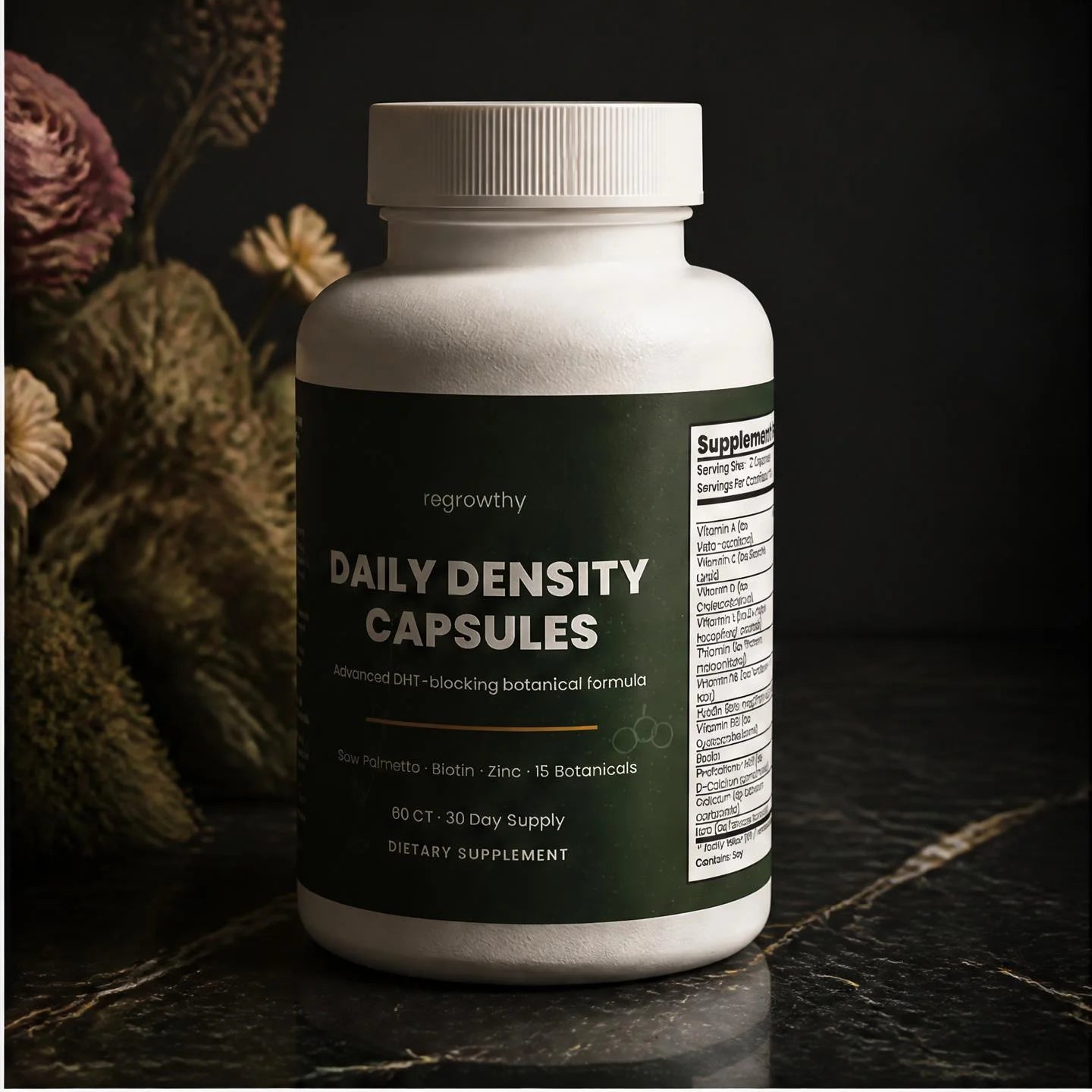
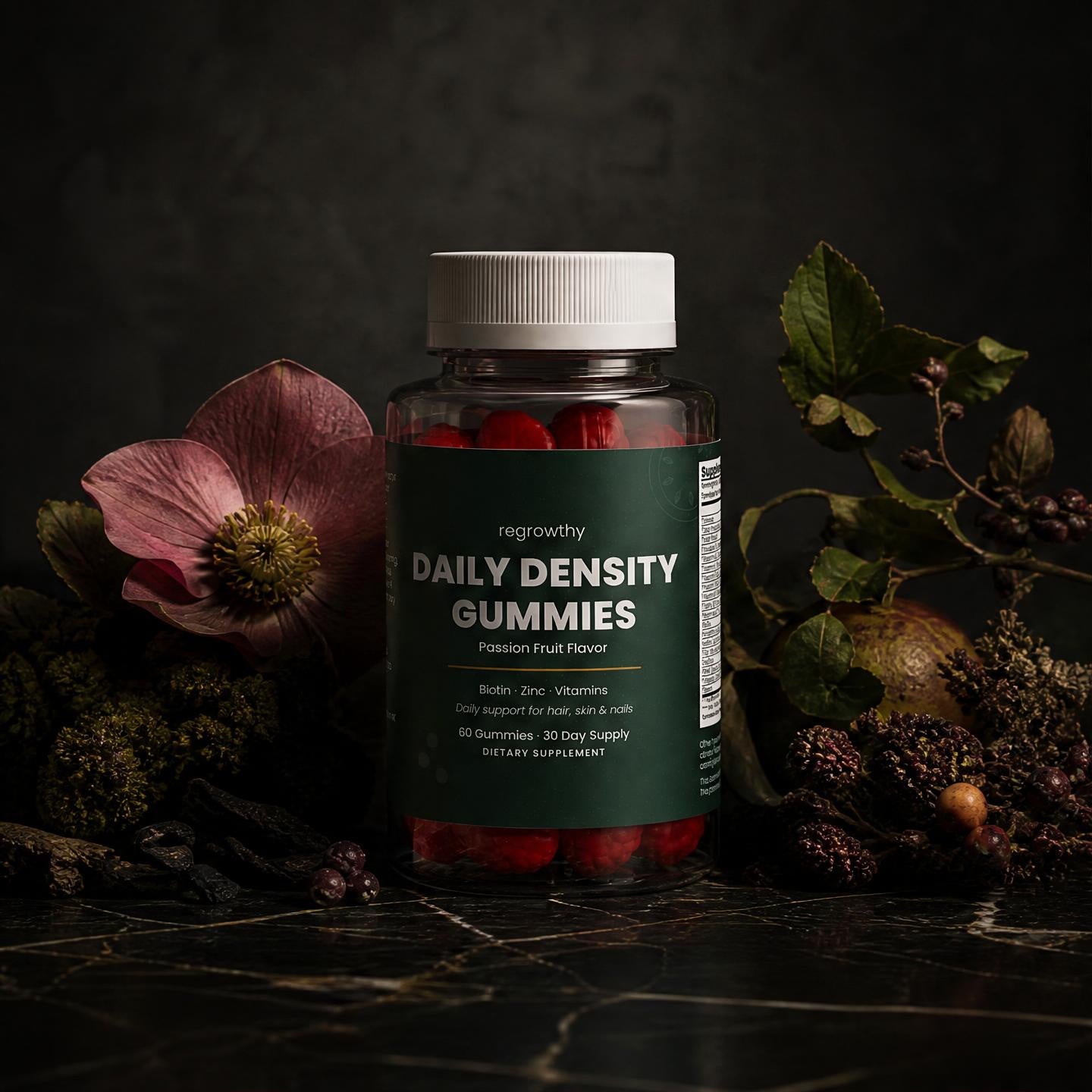
Mentioned in this article
Common questions
Frequently asked questions
Does drinking green tea actually help with hair loss?+
Can EGCG replace minoxidil or finasteride?+
How long does it take to see results from green tea extract for hair?+
Is topical green tea extract or an oral supplement better for hair?+
Are there any side effects or risks with green tea extract for hair?+
What should I look for when buying a green tea extract product for hair?+
The Regrowthy System
Ready to start regrowing at home?
Hands-free. Non-prescription. 660nm clinical wavelength, backed by a 30-day guarantee.
Continue Reading
Ingredient Science
Pumpkin Seed Oil for Hair Loss: What the Studies Actually Found
9 min read
Ingredient Science
Peppermint Oil for Hair Growth: The Circulation Science
9 min read
Ingredient Science
Rosemary Oil for Hair Growth: What the Research Actually Shows
9 min read
Ingredient Science