Hair Loss Science
Dermal Papilla Cells: The Command Center of Hair Growth
Beneath every hair follicle sits a tiny cluster of cells that decides when hair grows and when it stops. Here's how dermal papilla cells work, why they decline in hair loss, and what actually helps them.
Updated July 1, 2026
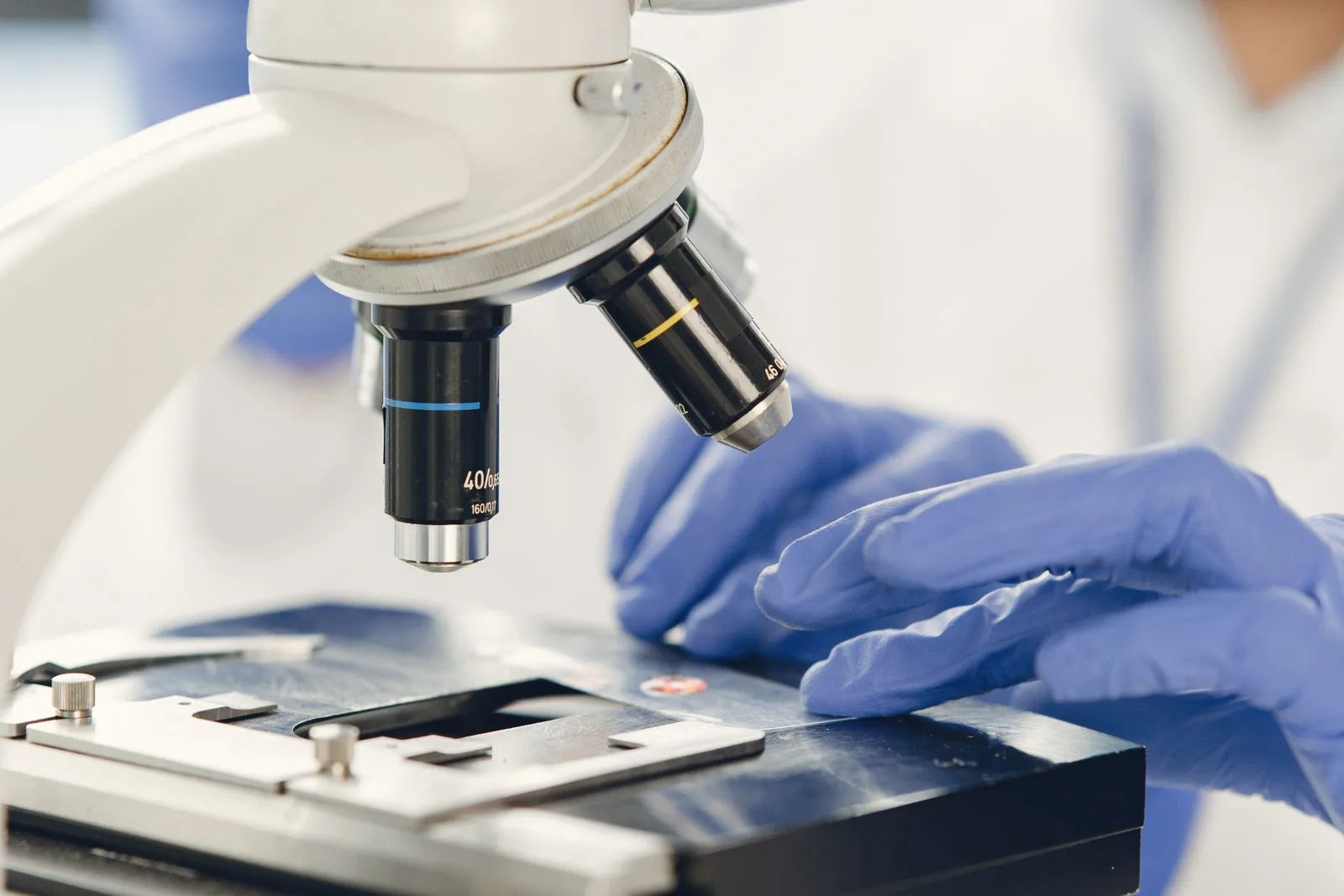
Every strategy you've ever tried for hair loss, whether it's a prescription drug, a supplement, or a device, ultimately has to answer to one small cluster of cells buried at the base of each follicle. That cluster is the dermal papilla, and it functions as the follicle's control room. If you want to understand why some treatments regrow hair and others just sit on the surface doing very little, this is the place to start.
Dermal papilla cells are not the cells that make hair. Keratinocytes do that job, spinning out the keratin fibers that become the visible shaft. But the dermal papilla is what tells those keratinocytes when to start, how fast to grow, and when to stop. It is the follicle's decision-maker, and its health (or decline) is one of the clearest biological explanations for why hair thins with age, genetics, and hormonal shifts.
What Are Dermal Papilla Cells?
The dermal papilla is a small, specialized group of mesenchymal cells nestled at the very bottom of the hair follicle, sitting inside a bulb-shaped structure called the hair bulb. Unlike most of the follicle, which is made of epithelial cells, the dermal papilla is connective tissue in origin, similar to the cells found in skin dermis elsewhere on the body. That distinction matters, because it means the dermal papilla behaves less like a building block and more like a messenger.
Each dermal papilla is wrapped by a layer of matrix cells, and it is richly supplied by tiny capillaries that deliver oxygen, nutrients, and hormones directly to the base of the follicle. This is one reason scalp circulation matters so much for hair health: the dermal papilla is essentially bathed in whatever your bloodstream is carrying, for better or worse. When circulation is strong, the dermal papilla gets a steady supply of what it needs to keep signaling. When it's compromised, whether from inflammation, poor scalp condition, or reduced blood flow, the papilla's ability to do its job starts to slip.
The number of cells in a given dermal papilla, along with its size and shape, actually correlates with the size and growth potential of the hair it supports. Thick, terminal hairs tend to have larger dermal papillae with more cells. Thin, miniaturized hairs, the kind associated with pattern hair loss, have progressively smaller ones. That relationship is at the heart of why distinguishing ordinary shedding from progressive thinning matters: one reflects a normal cycle, the other reflects a papilla that is gradually losing capacity.
The Signaling Hub of the Follicle
What makes dermal papilla cells so important is not their size, which is tiny, but their signaling activity. They act as a communication hub between the follicle and the rest of the body, translating hormonal and metabolic signals into instructions that the surrounding hair follicle stem cells can actually respond to. Think of the dermal papilla as a switchboard: hormones, growth factors, and inflammatory signals all arrive, and the papilla decides which instructions get relayed to the matrix cells that build the shaft.
This is where hair follicle stem cells signaling becomes central to the whole conversation. The follicle contains a reservoir of stem cells in a region called the bulge, higher up the follicle. Those stem cells are largely dormant until they receive the right chemical cues. The dermal papilla is the primary source of many of those cues, releasing a set of growth factors and signaling proteins, including members of the Wnt and BMP signaling families, that tell bulge stem cells when it's time to activate, migrate down, and begin building a new hair.
This dialogue runs in both directions. The dermal papilla signals to the stem cells, and the stem cells and their downstream progeny signal back to the dermal papilla, reinforcing or dampening the message depending on the state of the follicle. It's a feedback loop, not a one-way command. When that feedback loop is functioning well, follicles cycle predictably and hair density stays stable. When it breaks down, cycling becomes erratic and follicles gradually produce thinner, shorter hairs.
Key Point
Dermal papilla cells don't make hair directly. They act as the follicle's signaling center, telling hair follicle stem cells when to activate. Most effective hair loss treatments work by protecting or restoring that signaling relationship rather than by "growing hair" in any direct sense.
How Dermal Papilla Cells Drive the Hair Growth Cycle
Hair doesn't grow continuously. Each follicle cycles through three phases: anagen (active growth), catagen (a short transitional phase), and telogen (rest, followed by shedding). The dermal papilla is the conductor of this entire cycle. During anagen, the dermal papilla is large, active, and richly connected to matrix cells, which divide rapidly to produce the hair shaft. As the follicle transitions toward catagen, the dermal papilla condenses and pulls upward, signaling the matrix to stop dividing. During telogen, the dermal papilla sits in a quiescent state, waiting for the right combination of signals to trigger the next anagen phase.
This is dermal papilla hair growth in its most literal sense: the papilla is not a passive bystander in the cycle, it is the timer. Research into hair biology has repeatedly shown that when dermal papilla cells are transplanted or grafted elsewhere, they can induce new follicle formation in surrounding tissue, which is part of why they're considered the master regulator of the follicle rather than just one component among many.
The length of anagen determines how long a given hair can grow before it sheds, and that length is itself set largely by dermal papilla signaling. Shorter anagen phases mean hairs shed before reaching their full length or thickness, which is one of the visible hallmarks of a follicle under stress, whether from genetics, hormones, or other factors.
What Happens to Dermal Papilla Cells in Hair Loss
In androgenic alopecia, the most common form of hair loss in both men and women, the dermal papilla is where much of the actual damage happens. Over successive hair cycles, the papilla in genetically susceptible follicles shrinks. Fewer cells, less signaling capacity, and a weaker growth factor output all follow. The visible result is a process called miniaturization: each new hair produced is finer, shorter, and less pigmented than the one before it, until the follicle produces only a wisp of vellus hair or stops producing visible hair altogether.
This decline doesn't happen overnight, and it's rarely uniform across the scalp. That's part of why pattern hair loss shows up as a gradual recession or thinning in predictable zones (the classic Norwood or Ludwig patterns) rather than sudden, even hair loss across the whole head. The follicles most exposed to the underlying trigger, whatever combination of genetics and hormones is driving it, have dermal papillae that decline fastest.
Chronic inflammation around the follicle can accelerate this decline. Inflammatory signals disrupt the dermal papilla's normal communication with hair follicle stem cells, adding noise to a system that depends on precise, well-timed signaling. This is one reason scalp condition is not a cosmetic afterthought: a scalp with excess oil buildup, product residue, or low-grade inflammation puts additional strain on a papilla that may already be under genetic or hormonal pressure, since a congested follicle opening makes it harder for those signals to travel cleanly between the papilla and the cells around it.
DHT, Miniaturization, and the Dermal Papilla
The dermal papilla is also ground zero for the hormonal side of pattern hair loss. Dermal papilla cells in genetically sensitive follicles, particularly along the hairline, temples, and crown, carry a high density of androgen receptors. When DHT (dihydrotestosterone, the hormone produced when testosterone is converted by the enzyme 5-alpha reductase) binds to those receptors, it changes the gene expression profile of the dermal papilla itself.
Instead of producing the growth factors that support a long anagen phase and a healthy matrix, an affected dermal papilla starts releasing signals that shorten anagen and encourage the follicle to miniaturize. Over repeated cycles, this shifts the papilla toward smaller size and reduced cell number, which in turn reduces its own signaling output. It's a self-reinforcing decline: the hormone changes the papilla's behavior, and the shrinking papilla becomes less able to resist further hormonal pressure.
This is why treatments aimed at reducing that hormone's local effect on the scalp, whether through ingredients like saw palmetto, which is thought to interfere with 5-alpha reductase activity, or through other approaches, are framed around protecting the dermal papilla's signaling capacity rather than simply "adding" hair. The goal is to interrupt the hormonal signal before it reprograms the papilla toward a shorter, weaker growth cycle.
How to Support Dermal Papilla Function
Because the dermal papilla depends on nutrient supply, hormonal balance, and clean cellular signaling to do its job, supporting it is less about any single intervention and more about addressing the conditions it operates in. A few approaches have real biological rationale behind them.
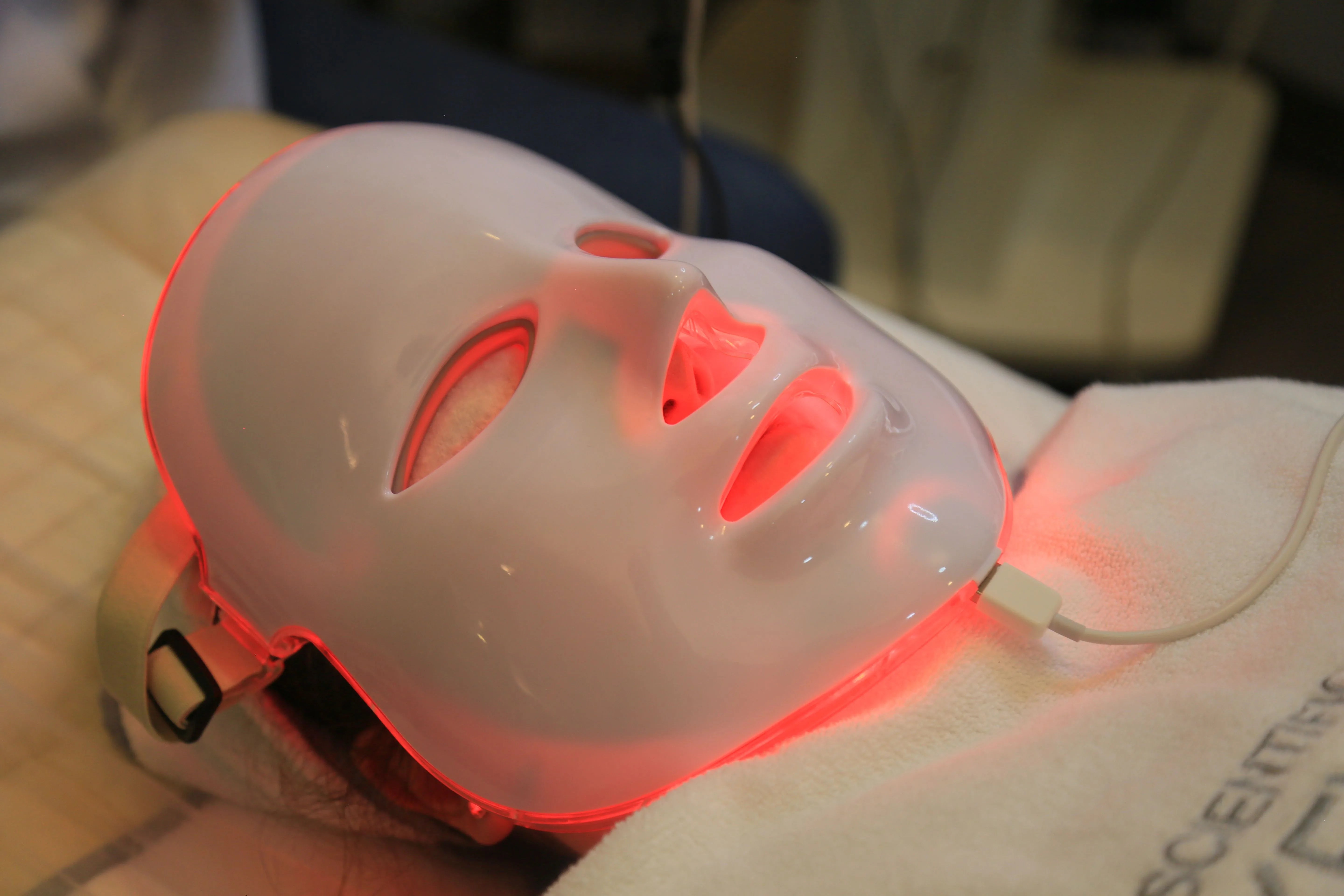
- Improving microcirculation at the follicle. Since capillaries feed the dermal papilla directly, anything that supports healthy blood flow to the scalp gives the papilla more of what it needs to sustain signaling. This is part of the rationale behind red light therapy research on hair growth, which is designed to stimulate cellular energy production (ATP) in and around the follicle. Regrowthy's Laser Therapy Cap uses this same 660nm approach, aiming to support the metabolic environment the dermal papilla relies on during anagen.
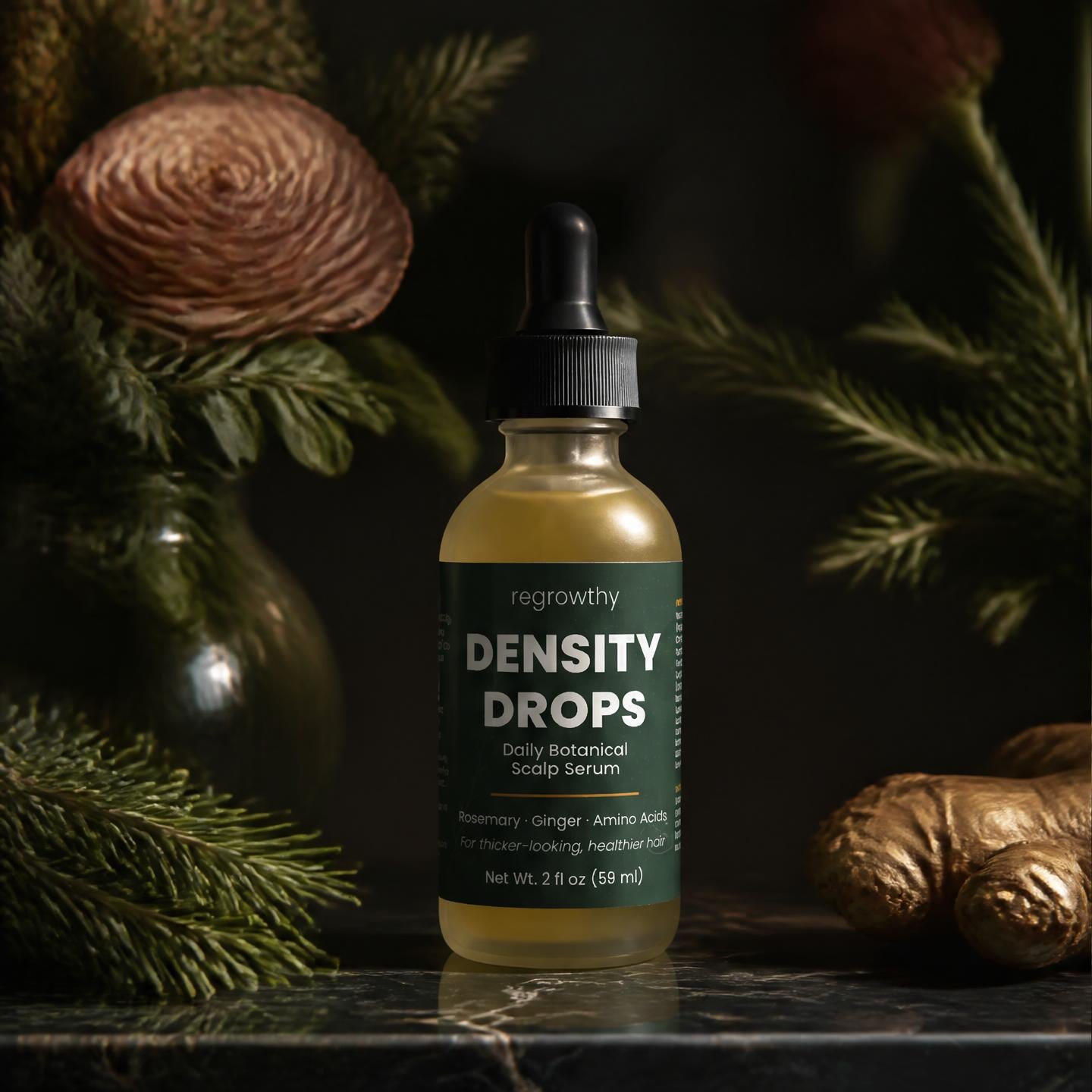
- Addressing the hormonal signal. Ingredients that help moderate local androgen conversion, plant-derived compounds among them, are formulated with the dermal papilla's hormone sensitivity in mind. Daily Density Pro Capsules combine several of these ingredients alongside nutrients tied to keratin production and follicle metabolism.
- Feeding the follicle from the inside. Dermal papilla cells and the matrix cells around them are metabolically demanding, especially during anagen. Adequate protein, iron, zinc, and B-vitamins support the raw materials needed for the rapid cell division happening just above the papilla.
- Keeping the scalp environment clean. Reducing buildup and low-grade inflammation around the follicle opening removes one source of signaling "noise" that can interfere with normal dermal papilla-to-stem-cell communication.
None of these approaches "regrow hair" by directly manufacturing new strands. They work, to the extent the science supports them, by protecting or restoring the environment the dermal papilla needs to keep sending healthy growth signals. That distinction is worth holding onto, because it's also why consistency over months, not days, is what the biology actually requires. A dermal papilla that has been under hormonal or inflammatory pressure for years doesn't reset in a week.
The Future of Dermal Papilla Research
Dermal papilla cells are also at the center of some of the most closely watched research in hair biology. Scientists have long been interested in whether cultured dermal papilla cells, grown in a lab and reintroduced to the scalp, could restore signaling capacity to follicles that have lost it, or even induce entirely new follicle formation. Early laboratory work has shown that dermal papilla cells can retain some of their inductive properties outside the body, which is part of why this remains an active area of dermatology and regenerative medicine research.
That said, translating this into a reliable, widely available clinical treatment has proven difficult. Dermal papilla cells tend to lose their specialized signaling identity fairly quickly once grown in standard lab conditions, a phenomenon researchers refer to as dedifferentiation. Overcoming that limitation is one of the central technical challenges standing between current research and a future cell-based hair restoration therapy. Until that gap closes, the most reliable, evidence-supported strategies remain the ones aimed at protecting the dermal papilla you already have: managing the hormonal environment, supporting circulation and cellular energy at the follicle, and giving the body the nutritional building blocks it needs.
What This Means for Your Hair
Understanding dermal papilla cells reframes a lot of what can otherwise feel like a confusing landscape of hair loss products and claims. The question worth asking about any treatment isn't "does this grow hair" in the abstract, but "does this plausibly support the signaling relationship between the dermal papilla and the follicle's stem cells." Treatments that improve scalp circulation, moderate local androgen activity, calm inflammation, and supply the right nutrients all have a clear, defensible mechanism for doing that. Treatments that don't touch any of those levers are unlikely to move the needle no matter how they're marketed.
This is also why realistic expectations matter. The dermal papilla operates on the timescale of the hair cycle itself, which runs in months, not days. Whether you're using a topical, a laser device, a supplement, or some combination, the changes happening at the level of the dermal papilla during the first several weeks are happening beneath the surface, well before any new growth becomes visible. Consistency, not intensity, is what gives a struggling dermal papilla the sustained signal it needs to shift a follicle back toward a longer, healthier anagen phase.
From the routine
Mentioned in this article

Common questions
Frequently asked questions
What exactly do dermal papilla cells do?+
Can damaged or shrunken dermal papilla cells recover?+
How does DHT affect dermal papilla cells specifically?+
Is dermal papilla decline the same thing as hair follicle miniaturization?+
Do laser caps or red light devices actually reach the dermal papilla?+
How long does it take to see results from supporting dermal papilla health?+
The Regrowthy System
Ready to start regrowing at home?
Hands-free. Non-prescription. 660nm clinical wavelength, backed by a 30-day guarantee.
Continue Reading
Hair Loss Science
Red Light Therapy for Hair Growth: The 660nm Science
11 min read
Hair Loss Science
Laser Therapy for Hair Loss: How It Works
10 min read
Hair Loss Science
Understanding Male Pattern Baldness: The Complete Guide
12 min read
Hair Loss Science