Conditions & Hair Types
Thyroid-Related Hair Loss: Hypothyroidism, Hyperthyroidism, and Your Hair
Hair thinning can be one of the first visible signs of a thyroid problem, whether it is underactive or overactive. Here is how to recognize thyroid hair loss, get the right tests, and support regrowth once your levels stabilize.
Updated July 1, 2026
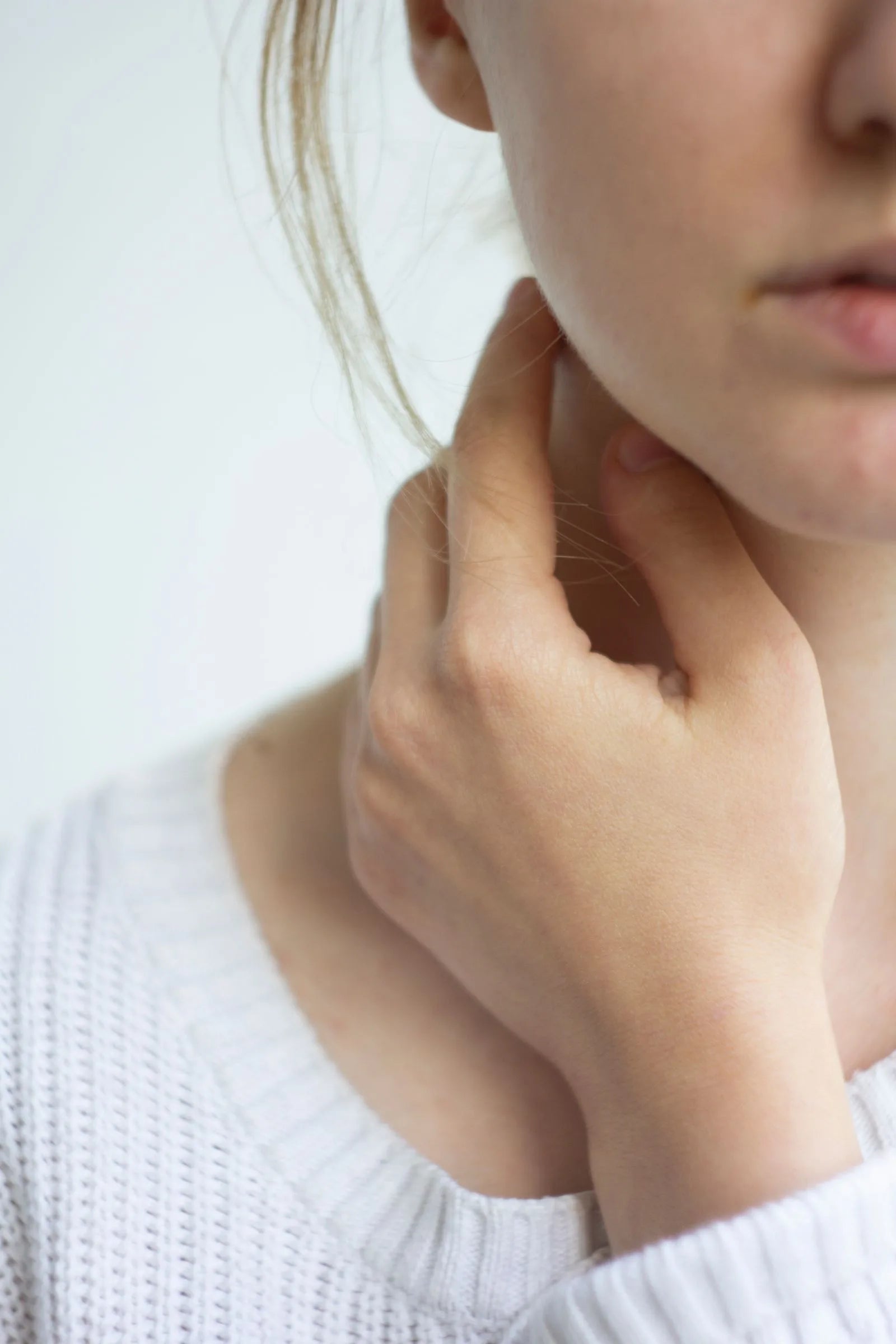
If your hair has started shedding more than usual and you cannot pin it on stress, a new product, or a bad haircut, your thyroid is worth a look. This small, butterfly-shaped gland at the base of your neck controls the pace of nearly every process in your body, hair growth included. When it produces too little hormone or too much, thyroid hair loss is often one of the first visible signs, sometimes showing up before a person even knows anything is wrong internally.
Both hypothyroidism hair loss and hyperthyroidism hair thinning are real, well documented patterns, and they do not look identical. Understanding which one you might be dealing with, and how it differs from more common causes like androgenetic alopecia, can save you months of guessing and help you get the right lab work instead of just trying random shampoos and serums.
This article walks through how thyroid hormone actually affects your hair follicles, what hypothyroidism and hyperthyroidism each tend to do differently, how to tell if your shedding fits the pattern, and what actually helps once your thyroid levels are back in a normal range.
How Thyroid Hormones Affect Hair Growth
Your thyroid gland produces two main hormones, T3 and T4, that regulate your metabolic rate, the speed at which your cells use energy and regenerate. Hair follicles are some of the most metabolically active structures in the body. The cells at the base of each follicle divide rapidly during the active growth phase (anagen), which means they are especially sensitive to swings in thyroid hormone.
When thyroid hormone levels drop too low or climb too high, the normal hair growth cycle gets disrupted. Follicles that should be in an active growth phase get pushed prematurely into telogen, the resting phase that precedes shedding. Because there is typically a two to three month lag between a follicle entering telogen and the hair actually falling out, thyroid-related shedding often shows up well after the hormone imbalance actually started, which is part of why it can be confusing to trace back to a cause.
This is why thyroid dysfunction, in either direction, tends to produce a specific kind of hair loss: diffuse thinning across the whole scalp rather than a receding hairline or a bald spot at the crown. It is a whole-body signal showing up in your hair, not a localized one.
Hypothyroidism and Hair Loss: What an Underactive Thyroid Does to Hair
Hypothyroidism means your thyroid is not producing enough hormone, and it is one of the more common medical causes of diffuse hair thinning, particularly in women. The most frequent underlying cause is Hashimoto's thyroiditis, an autoimmune condition where the immune system gradually attacks the thyroid gland itself.
Hypothyroidism hair loss tends to have a fairly recognizable set of features:
- Hair feels thinner all over the scalp rather than in one specific spot
- Strands become dry, coarse, and dull, sometimes described as feeling like straw
- Hair grows more slowly than it used to
- Thinning of the outer third of the eyebrows, a classic clinical clue sometimes called the Hertoghe sign
- Increased shedding when brushing or washing, though usually gradual rather than sudden
Alongside the hair changes, people with hypothyroidism often notice fatigue, unexplained weight gain, feeling cold when others do not, dry skin, constipation, and low mood. If several of these are showing up together with your shedding, thyroid hair loss is a reasonable thing to bring up with your doctor rather than something to self-diagnose from hair symptoms alone.
Hyperthyroidism and Hair Thinning: When Your Thyroid Runs Too Fast
An overactive thyroid, most often caused by Graves' disease, pushes your metabolism into overdrive. Hyperthyroidism hair thinning tends to look and feel different from the hypothyroid pattern. Instead of coarse and dry, hair often becomes fine, soft, and limp, almost like it has lost its body. The growth cycle speeds up and shortens, which paradoxically leads to more hairs shedding at once rather than fewer.
Other signs that tend to travel with hyperthyroidism include a racing heart, unintended weight loss despite a normal or increased appetite, heat intolerance, sweating, anxiety or jitteriness, and in some cases changes around the eyes. If your hair is thinning and you are also noticing that your heart rate feels faster than usual or you are losing weight without trying, it is worth asking your doctor to check your thyroid function directly rather than assuming the hair loss is a standalone issue.
Because both an underactive and an overactive thyroid can cause diffuse thinning, hair changes alone are not enough to tell you which direction your thyroid has shifted. That distinction only comes from blood work.
Key Point
Thyroid hair loss is almost always diffuse, meaning it thins your whole scalp evenly rather than creating a receding hairline or a bald patch. If your shedding follows a specific pattern, like recession at the temples or a widening part, it may be worth reading about the difference between diffuse thinning and pattern baldness so you can bring the right possibilities to your doctor.
Signs Your Hair Loss May Be Thyroid-Related
It helps to know what tends to separate thyroid hair loss from other common causes of thinning. A few patterns are worth paying attention to:
- The thinning is even across the whole scalp rather than concentrated at the hairline, temples, or crown
- You are also noticing non-hair symptoms like fatigue, temperature sensitivity, weight changes, or a change in heart rate
- Your eyebrows, particularly the outer edges, have thinned along with your scalp hair
- There is a personal or family history of thyroid disease, including Hashimoto's or Graves' disease
- The shedding started somewhat gradually and has continued for weeks to months, rather than a sudden dramatic event
By contrast, androgenetic alopecia, the most common form of hair loss overall, tends to follow a specific pattern shaped by genetics and the hormone DHT: a receding hairline or thinning crown in men, and a widening part with preserved frontal hairline in women. It usually progresses slowly over years rather than fluctuating with a treatable hormonal condition.
It is also worth knowing that thyroid problems and iron deficiency frequently show up together, and low iron on its own is a well established cause of diffuse shedding. If your workup for thyroid hair loss comes back normal, or your thyroid levels are treated but the shedding continues, it is worth reading about iron deficiency and hair loss as a next step, since the two conditions are often checked in the same round of blood work.
Getting Diagnosed: Thyroid Testing and Your Hair
If you suspect thyroid hair loss, the right move is a simple blood test, not guesswork. A standard thyroid workup usually starts with TSH (thyroid stimulating hormone), which is the most sensitive first-line marker for both an underactive and overactive thyroid. Depending on what TSH shows, your doctor may also order:
- Free T4 and free T3, to see the actual level of active thyroid hormone circulating in your blood
- Thyroid antibodies (TPO antibodies), to check for autoimmune thyroid disease such as Hashimoto's or Graves' disease
- Ferritin and a full iron panel, since iron deficiency commonly overlaps with thyroid dysfunction and compounds shedding
One important caveat: biotin supplements can interfere with certain thyroid lab results and produce falsely abnormal readings. If you are taking a hair supplement that contains biotin, tell your doctor and consider pausing it for a few days before bloodwork, so your results reflect what is actually happening with your thyroid.
Treating the Thyroid Comes First
The most effective treatment for thyroid-related hair loss is treating the thyroid condition itself. For hypothyroidism, that usually means daily levothyroxine to replace the hormone your body is not making enough of. For hyperthyroidism, treatment options include antithyroid medications, radioactive iodine, or in some cases surgery, depending on the cause and severity.
Here is the part that catches a lot of people off guard: hair often keeps shedding for several weeks, sometimes longer, after starting treatment, even though your thyroid levels are improving. This is not a sign that the treatment is not working. Remember the two to three month lag between a hair entering its resting phase and actually falling out. Hairs that were already pushed into telogen before treatment began will still need to complete that cycle before shedding stops.
Once thyroid hormone levels stabilize in a normal range, most people see shedding slow down within a few months, with visible regrowth typically becoming noticeable somewhere in the six to twelve month range. Full, thick regrowth can take even longer, since hair grows slowly under the best of circumstances. Patience, and consistent follow-up bloodwork with your doctor to confirm your levels are actually stable, matter more here than any topical product.
Supporting Regrowth While Your Thyroid Stabilizes
While your thyroid treatment does the real work, there is a reasonable, honest role for supportive hair care in the background. None of this replaces thyroid medication or medical follow-up, but it can help your follicles make the most of a stabilizing hormone environment.
- Protein and amino acid support: hair is built almost entirely from keratin, a structural protein, so adequate dietary protein matters. Some people also add a collagen-based supplement like Density Collagen Peptides to provide the amino acid building blocks hair needs during a regrowth phase.
- Gentle handling: thinning hair sheds more easily under tension, so minimize tight hairstyles, aggressive brushing, and high-heat styling while your follicles are recovering.
- Scalp care: a clean, balanced scalp environment supports healthy follicle function, which is part of why a gentle clarifying wash like Dense Cleanse can be a useful addition to a regrowth routine.
- Nutrient basics: iron, zinc, and vitamin D all play supporting roles in the hair cycle, so it is worth asking your doctor to check these alongside your thyroid panel rather than supplementing blindly.
Some people also incorporate a low-level light therapy device, such as a Laser Therapy Cap, once their thyroid levels have stabilized. The idea is to support circulation and cellular activity at the follicle level as hair re-enters its normal growth cycle. It is a supportive, non-prescription tool, not a treatment for the thyroid condition itself, and it works best as one part of a broader plan rather than a standalone fix.
The honest bottom line is that supportive measures work best when they are layered on top of, not instead of, proper thyroid management. Trying to fix thyroid hair loss with supplements or scalp products alone, while an underlying hormone imbalance goes untreated, is unlikely to get you very far.
When to See a Doctor About Thyroid Hair Loss
You do not need to wait until hair loss is severe to get evaluated. It is reasonable to ask for a thyroid panel any time you notice diffuse thinning that has lasted more than a few weeks, especially if it is paired with fatigue, weight changes, temperature sensitivity, or changes in heart rate. A simple blood draw is a low-cost, low-risk way to either confirm or rule out a thyroid cause.
If you already have a diagnosed thyroid condition and your hair loss continues despite what looks like adequate treatment, do not assume nothing more can be done. Dosing sometimes needs adjustment, antibodies may need to be rechecked, and other overlapping causes such as iron deficiency, chronic stress, or postpartum changes should be ruled out before assuming the thyroid itself is the whole story.
A dermatologist or endocrinologist working together can be especially useful if your case is not straightforward, since one focuses on the hormone side and the other on the hair and scalp side of the equation.
Thyroid hair loss can feel discouraging because it seems to come out of nowhere and touch every strand at once, rather than a single visible spot you can point to. But it is also one of the more treatable causes of diffuse thinning once it is correctly identified. Getting the right bloodwork, following through on thyroid treatment, and giving your hair the months it needs to complete its growth cycle again is the path that actually works, even when it asks for more patience than you would like. In the meantime, gentle care, good nutrition, and supportive tools can help your scalp be ready to make the most of the recovery once your thyroid settles back into balance.
From the routine
Mentioned in this article


Common questions
Frequently asked questions
Can thyroid-related hair loss grow back?+
Why does my hair keep falling out even after starting thyroid medication?+
Does hypothyroidism or hyperthyroidism cause worse hair loss?+
What blood tests confirm thyroid hair loss?+
Can subclinical or mild thyroid dysfunction still cause hair loss?+
Should I stop taking biotin before getting my thyroid tested?+
The Regrowthy System
Ready to start regrowing at home?
Hands-free. Non-prescription. 660nm clinical wavelength, backed by a 30-day guarantee.
Continue Reading

Conditions & Hair Types
Traction Alopecia: How Hairstyles Cause Permanent Hair Loss
8 min read
Conditions & Hair Types
Diffuse Thinning vs. Pattern Baldness: How to Tell the Difference
8 min read
Conditions & Hair Types
PCOS and Hair Loss: Understanding the Hormonal Connection
9 min read
Conditions & Hair Types