Conditions & Hair Types
Alopecia Areata: Causes, Treatment Options, and Recovery
Alopecia areata is an autoimmune condition that causes patchy hair loss. It's different from androgenetic alopecia - and requires different treatment approaches. Here's what you need to know.
Updated January 15, 2026
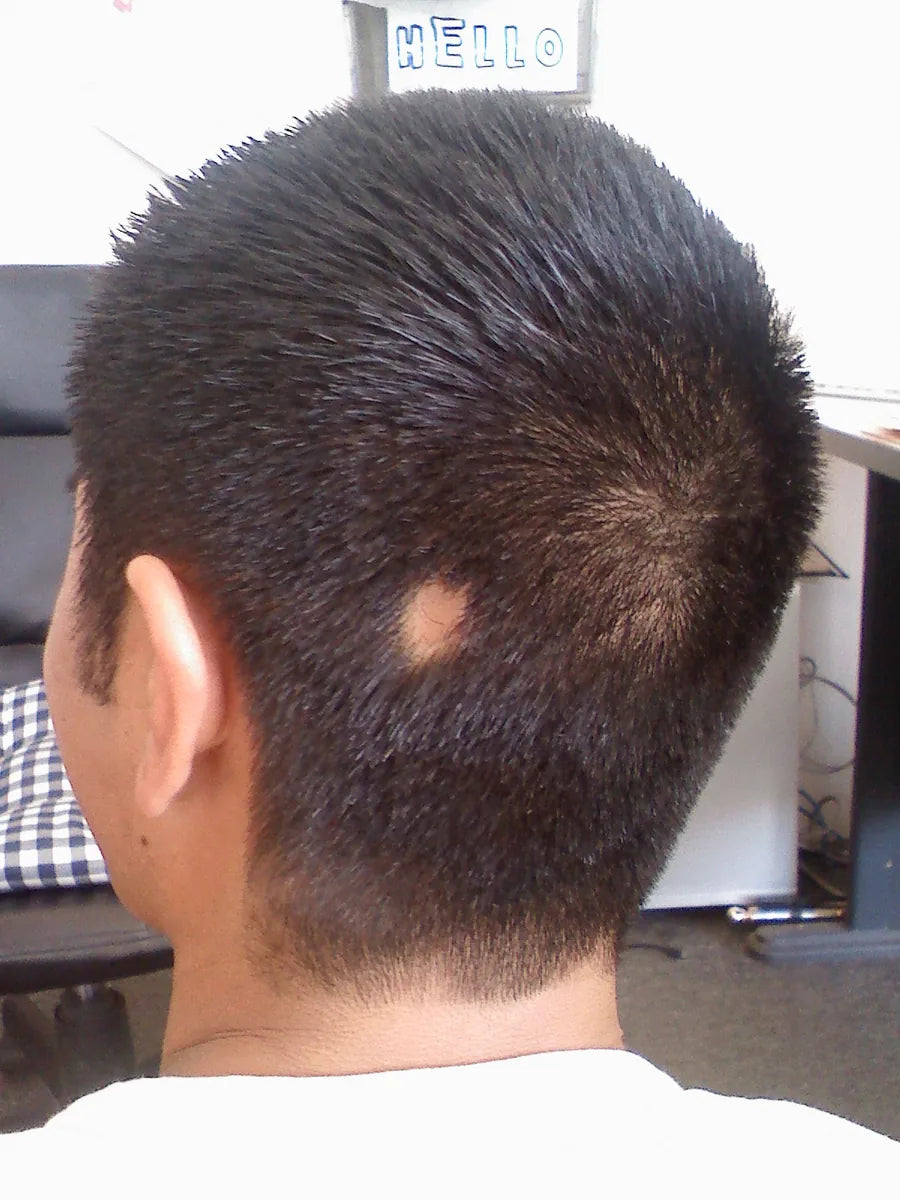
Alopecia areata (AA) affects approximately 2% of the global population. Unlike androgenetic alopecia (pattern hair loss driven by DHT), alopecia areata is an autoimmune condition - your immune system mistakenly attacks your own hair follicles. The good news: the follicles aren't destroyed, they're suppressed. With proper treatment, regrowth is often possible.
What Is Alopecia Areata?
In alopecia areata, T-cells (immune cells) infiltrate hair follicles and attack them as if they were foreign tissue. This causes the follicle to rapidly enter the catagen/telogen phase, and the hair falls out. The hallmark is smooth, round patches of complete hair loss, typically appearing suddenly.
Importantly, AA follicles are not permanently damaged - they retain their ability to produce hair. This is why spontaneous regrowth occurs in many cases and why treatment can be highly effective.
What Causes the Immune Attack?
- Genetic predisposition: AA runs in families. If a first-degree relative has it, your risk is 5-10x higher. Multiple genes involved in immune regulation have been identified.
- Environmental triggers: Stress, infections, hormonal changes, or other autoimmune conditions can trigger the first episode.
- Immune privilege breakdown: Hair follicles have "immune privilege" - they normally hide from the immune system. When this privilege breaks down, T-cells recognize follicle proteins as foreign and attack.
- Associated conditions: AA is more common in people with other autoimmune conditions - thyroid disease, vitiligo, type 1 diabetes, and atopic dermatitis.
Types and Patterns
- Alopecia areata (patchy): One or more round, smooth patches. Most common form. 50-80% of cases regrow spontaneously within a year.
- Alopecia totalis: Complete loss of all scalp hair. More resistant to treatment but still potentially reversible.
- Alopecia universalis: Complete loss of all body hair (scalp, eyebrows, eyelashes, etc.). Most severe form.
- Ophiasis pattern: Band-like loss along the hairline margins. Often more treatment-resistant.
- Diffuse alopecia areata: Widespread thinning without distinct patches. Can be confused with telogen effluvium or androgenetic alopecia.
Treatment Options
- Corticosteroid injections: Intralesional steroid injections (triamcinolone) suppress local immune activity. 60-70% success rate for patchy AA. Requires dermatologist administration every 4-6 weeks.
- Topical immunotherapy: DPCP (diphencyprone) applied to the scalp creates a mild allergic reaction that "distracts" the immune system from attacking follicles. Used for extensive AA.
- JAK inhibitors: Baricitinib (Olumiant) was FDA-approved in 2022 for severe AA. These drugs block the JAK-STAT signaling pathway that drives the autoimmune attack. Very effective but require ongoing use.
- Topical minoxidil: Can support regrowth alongside other treatments but doesn't address the underlying immune mechanism.
- Phototherapy: Narrow-band UVB or PUVA therapy can modulate immune activity in the scalp.
Supporting Recovery
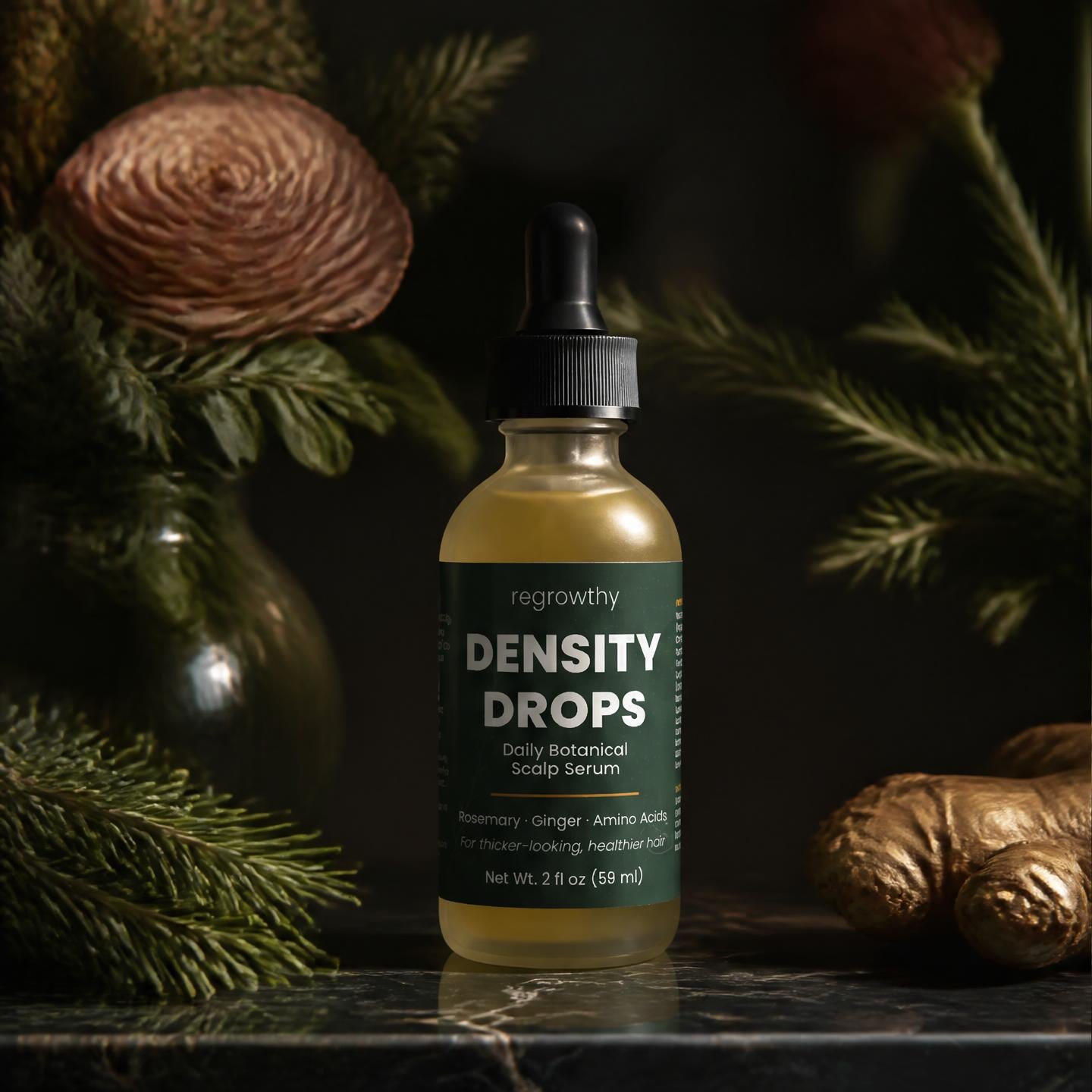
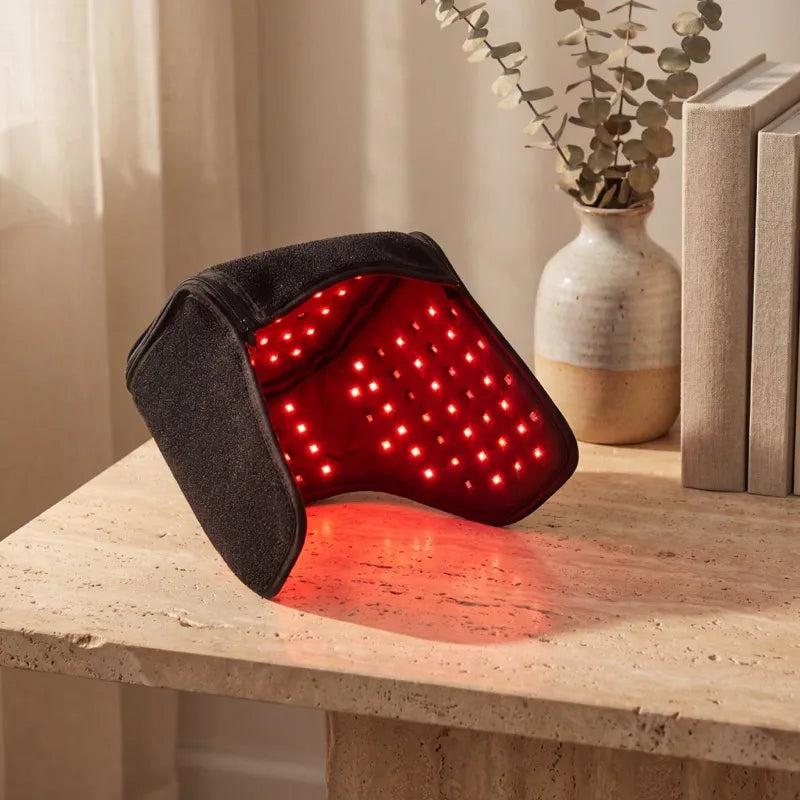
While AA requires medical treatment to address the immune component, you can support follicle health and recovery with: nutritional supplements (vitamin D deficiency is common in AA patients and supplementation may help), stress management to prevent trigger episodes, the laser cap to support follicle vitality during recovery, and gentle scalp care to maintain a healthy environment for regrowth.
From the routine
Mentioned in this article
Common questions
Frequently asked questions
Will my alopecia areata hair grow back?+
Is alopecia areata the same as regular balding?+
Can stress cause alopecia areata?+
Are natural treatments effective for alopecia areata?+
The Regrowthy System
Ready to start regrowing at home?
Hands-free. Non-prescription. 660nm clinical wavelength, backed by a 30-day guarantee.
Continue Reading
Hair Loss Science
Understanding Male Pattern Baldness: The Complete Guide
12 min read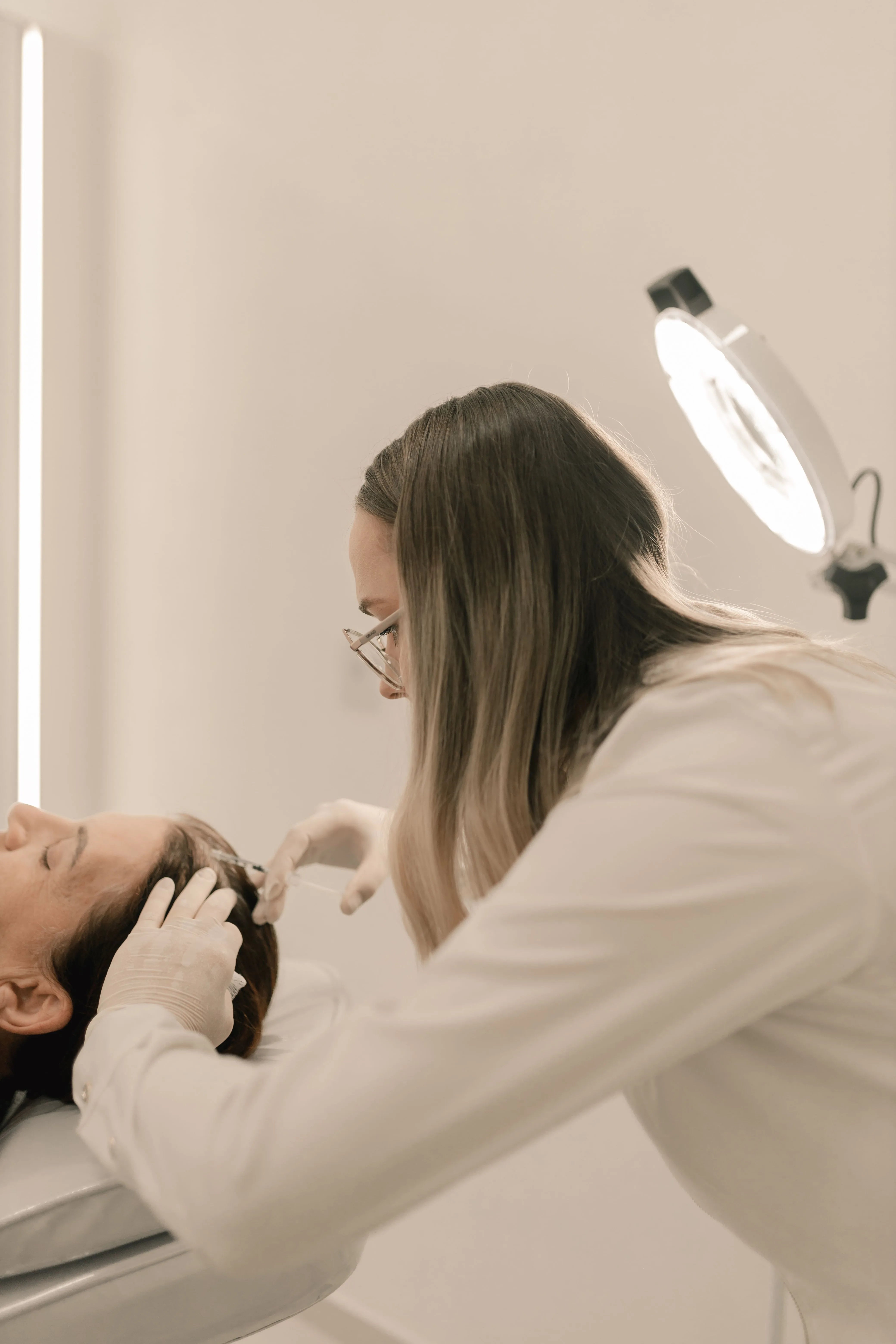
Hair Loss Science
The Hair Growth Cycle: Anagen, Catagen, Telogen
9 min read
Lifestyle & Wellness
Stress and Hair Loss: The Science Behind Telogen Effluvium
9 min read
Lifestyle & Wellness