Conditions & Hair Types
PCOS and Hair Loss: Understanding the Hormonal Connection
Thinning hair, irregular periods, and stubborn acne can all trace back to one hormonal condition. Here is how PCOS drives hair loss on the scalp, and what a real treatment plan looks like.
Updated July 1, 2026
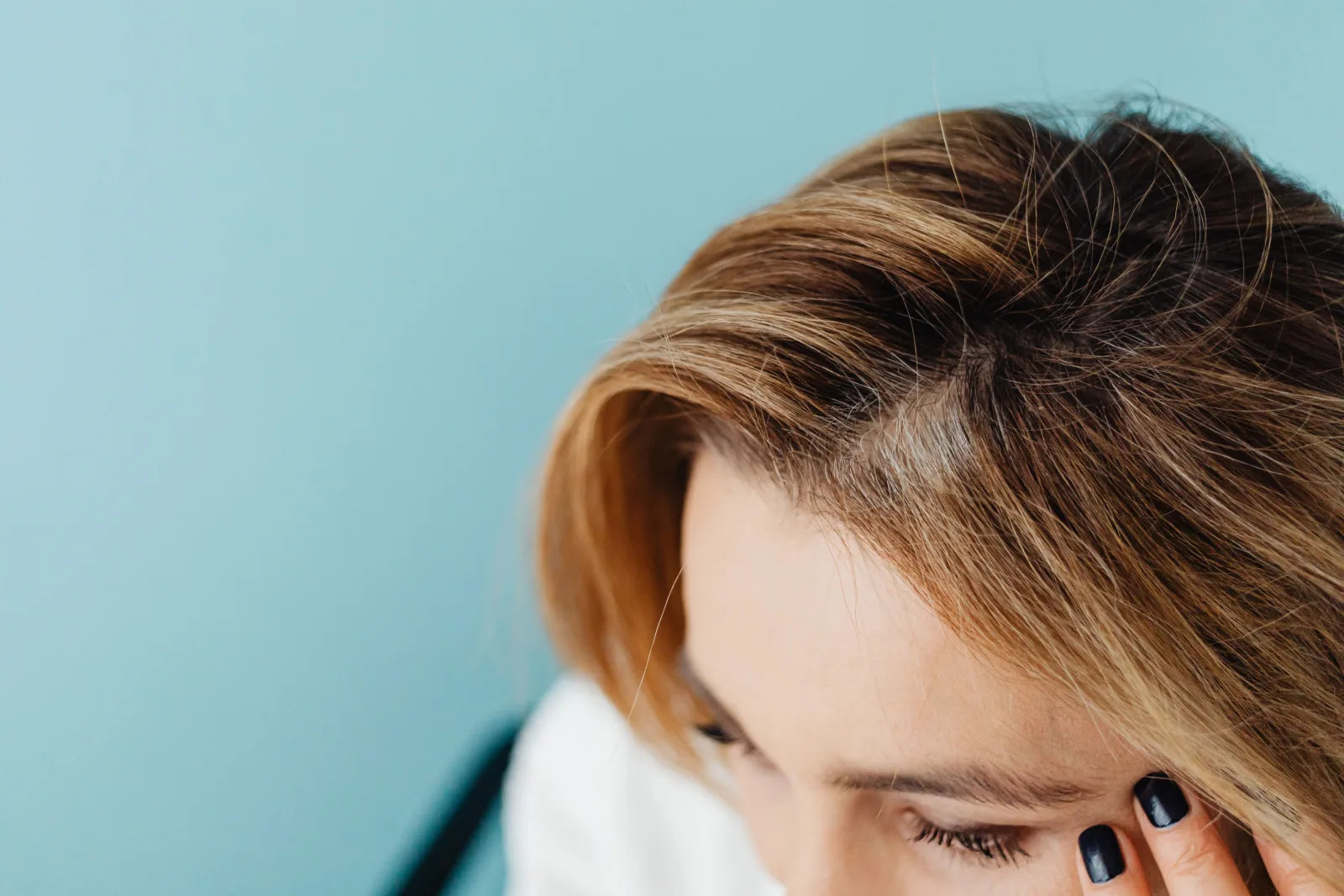
If you have noticed more hair in your brush alongside irregular periods, stubborn jawline acne, or new facial hair, you might be dealing with one condition showing up in several places at once. Polycystic ovary syndrome (PCOS) is one of the most common hormonal conditions affecting women, and hair thinning is one of its most frustrating and least talked about symptoms. Understanding the hormonal mechanics behind pcos hair loss is the first step toward treating it with a real plan instead of guesswork.
PCOS does not just affect the ovaries. Because it changes how the body produces and processes hormones, it can show up in skin, weight, mood, and hair all at once. For many women, thinning hair at the crown is actually the symptom that finally sends them looking for answers, even though the root cause has been building for years. That is why understanding polycystic ovary syndrome hair changes matters just as much as understanding the reproductive side of the condition.
What Is PCOS and Why Does It Affect Hair?
PCOS is a hormonal condition that affects ovulation and hormone balance in women of reproductive age. It is typically identified by some combination of irregular or absent periods, elevated androgen (male hormone) levels, and ovaries that appear to have multiple small follicles on ultrasound. Not every woman with PCOS has all three features, and not every woman with PCOS has visible cysts at all, which is part of why the condition is so often missed or diagnosed late.
The hair connection comes down to androgens. PCOS is fundamentally a condition of androgen excess and irregular hormone signaling, and hair follicles happen to be extremely sensitive to androgens. That sensitivity is exactly why the same hormonal shift that disrupts ovulation can also thin the hair on your scalp while, in a strange twist, thickening hair elsewhere on the body.
The Hormonal Connection: Androgens and DHT
To understand pcos hair thinning treatment options, it helps to understand the mechanism first. Testosterone, which every woman produces in small amounts, can be converted by an enzyme called 5-alpha reductase into a more potent hormone called DHT, which binds to receptors in hair follicles that are genetically sensitive to it, and over time it shrinks those follicles in a process called miniaturization. This is the same basic mechanism behind common androgenetic hair loss, whether it happens in men or women.
PCOS tends to raise the amount of active androgen circulating in the body in two ways. First, the ovaries themselves often produce more testosterone than usual. Second, insulin resistance, which is extremely common in PCOS, lowers a protein called sex hormone binding globulin (SHBG). SHBG normally keeps testosterone bound and inactive, so when levels drop, more free testosterone is available in the bloodstream to be converted into DHT. That combination is a big part of why hair loss and PCOS so often travel together.
Key Point
PCOS related hair thinning is essentially androgenetic hair loss with a hormonal condition driving it from behind the scenes. That means treating the scalp alone rarely tells the whole story. Addressing the underlying hormone and insulin picture, alongside direct hair support, tends to produce better and more lasting results.
What PCOS Hair Loss Looks Like
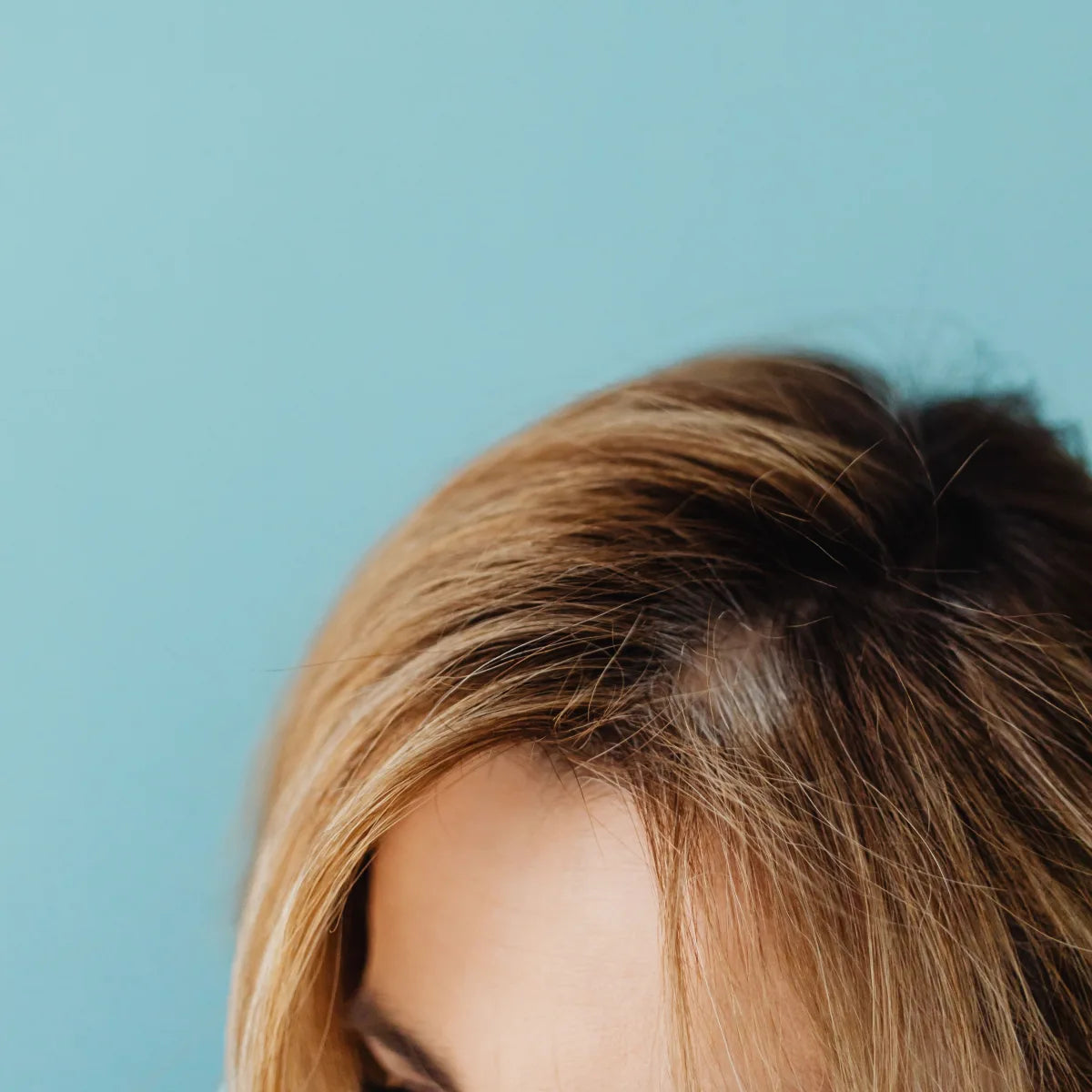
Hair thinning related to PCOS usually shows up as diffuse thinning across the top and crown of the scalp, with a part line that gradually looks wider over time. The front hairline is typically preserved, which is a helpful clue that distinguishes it from other patterns of loss. It tends to be gradual, unfolding over months or years rather than appearing as a sudden bald patch or dramatic shedding event. If you want a deeper look at how this compares to other patterns, our guide on diffuse thinning versus pattern baldness walks through the visual differences in detail.
What makes PCOS hair loss especially confusing for a lot of women is the paradox sitting right alongside it: while scalp hair is thinning, hair on the chin, upper lip, chest, or back may be getting thicker or more noticeable. Both changes are driven by the same androgens, they just interact differently with the follicle types in each location. Scalp follicles that are genetically primed to be androgen sensitive miniaturize, while body and facial follicles respond to the same hormone by growing coarser and darker.
Other PCOS Symptoms That Often Come With Hair Thinning
Hair changes rarely show up alone. If you are noticing scalp thinning alongside several of the following, it is worth bringing PCOS into the conversation with your doctor, even if you have never been told you have ovarian cysts:
- Irregular, infrequent, or missed menstrual periods
- Persistent acne, especially along the jawline and chin
- Weight gain or difficulty losing weight despite consistent effort
- Increased or coarser hair growth on the face, chest, or back
- Darkened, velvety patches of skin at the neck or underarms, a common marker of insulin resistance
- Fatigue, mood changes, or new sugar cravings
None of these symptoms alone confirms PCOS, and plenty of women have one or two without having the condition. But the pattern, hair thinning plus several of the items above, is a signal worth taking seriously rather than dismissing as stress or genetics.
How Is PCOS Related Hair Loss Diagnosed?
There is no single blood test that confirms PCOS on its own. Instead, doctors typically look for at least two of three core features: irregular ovulation, clinical or lab evidence of excess androgens, and polycystic appearing ovaries on ultrasound. A typical workup includes several steps.
- A detailed menstrual and symptom history, including cycle regularity and how long changes have been happening.
- A physical exam checking for acne, excess hair growth, and the pattern of scalp thinning.
- Bloodwork measuring total and free testosterone, DHEA-S, the LH to FSH ratio, and fasting insulin or glucose.
- A pelvic ultrasound to check ovarian appearance, though this is not required for every woman to be diagnosed.
- A scalp exam to rule out other contributors to thinning, since hair loss causes often overlap.
That last step matters more than people expect. Thyroid dysfunction, chronic stress related shedding, and nutritional gaps can all mimic or worsen hormonal thinning. Low iron in particular is a frequent co-traveler with heavy or irregular cycles, so it is worth ruling out separately. Our article on iron deficiency and hair loss covers how to recognize that pattern if your bloodwork points that direction.
Treatment Approaches for PCOS Hair Thinning
The most effective pcos hair thinning treatment plans work on two levels at once: calming the hormonal driver and directly supporting the follicle. Neither one alone tends to be enough on its own.
Prescription and Medical Options
A doctor may recommend combined oral contraceptives to help regulate cycles and lower circulating androgens, anti-androgen medications such as spironolactone, or insulin sensitizing medications like metformin when insulin resistance is part of the picture. These are prescription decisions that depend on your full medical history, so they should be made with a doctor rather than started on your own.
Non-Prescription Support You Can Start Today
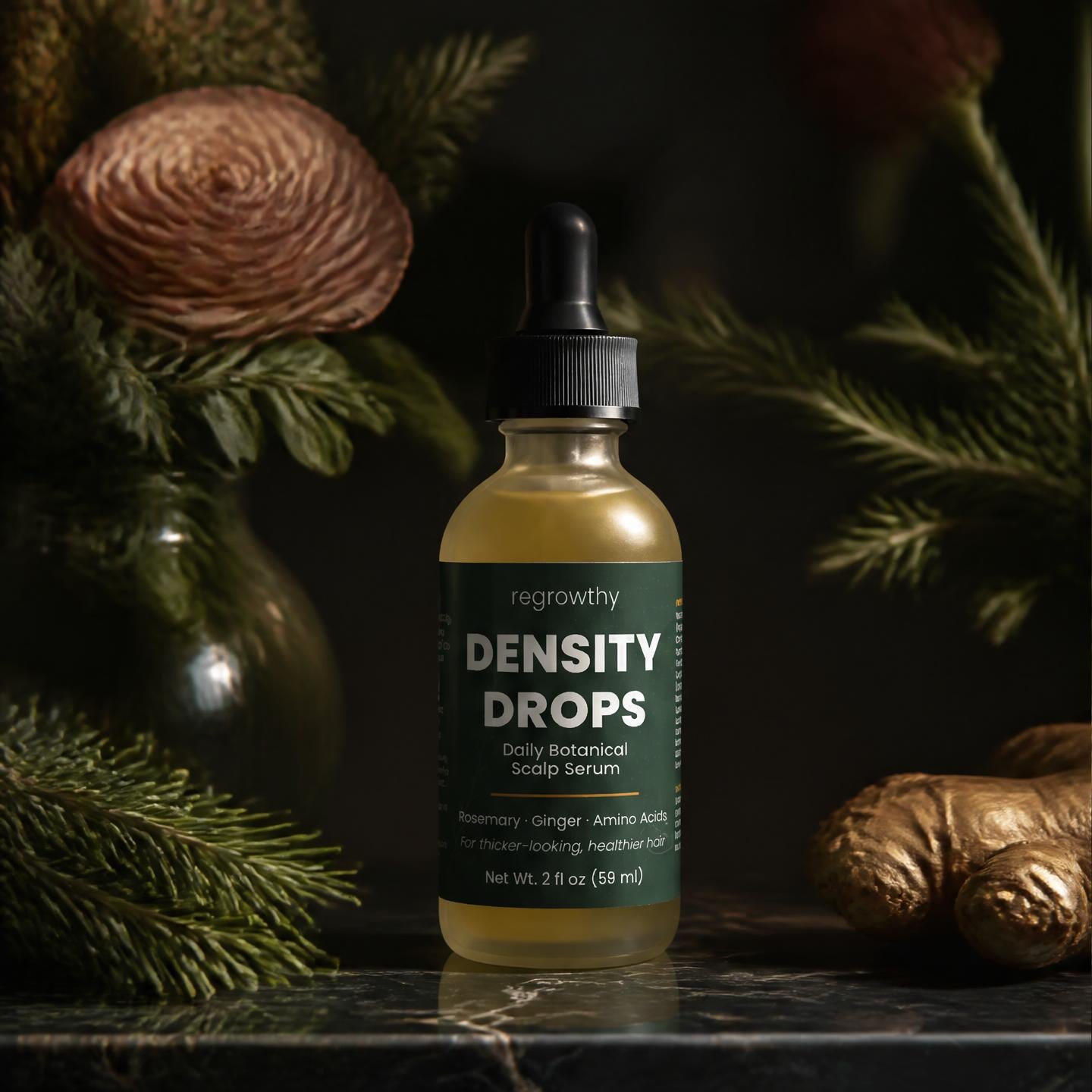
Alongside medical treatment, there is a lot you can do directly for the scalp. Low level red light therapy, delivered consistently through a device like the Laser Therapy Cap, works by stimulating cellular energy inside the follicle to help extend the growth phase, and it does not interfere with hormone treatment your doctor prescribes. Ingredients such as saw palmetto have also been studied as a mild, natural way to modulate androgen activity at the follicle level. A daily supplement like Daily Density Pro is built around these kinds of ingredients alongside supportive nutrients, and a gentle, non-stripping scalp cleanser such as Dense Cleanse can help manage the extra oil production that often comes with androgen excess and keep the scalp environment healthier for regrowth.
Building a Daily Routine to Support Hair Health with PCOS
Consistency matters more than intensity when you are working against a hormonal condition. A realistic daily routine gives your follicles the raw materials and stable environment they need while any hormonal treatment has time to work.
- Prioritize protein at meals, since hair is built from keratin and needs a steady amino acid supply. Many women also add a collagen source like Density Collagen Peptides to support the protein building blocks hair relies on.
- Ask your doctor to check iron, vitamin D, and zinc levels rather than guessing, since deficiencies in any of these can compound hormonal thinning.
- Manage stress where you can. Cortisol and androgens interact, and chronic stress can amplify the shedding you are already dealing with.
- Use your laser cap on a consistent schedule and keep a simple log, since patchy or occasional use makes it hard to judge real progress.
- Take monthly photos in the same lighting. Hormonal hair changes move slowly, and photos catch progress that day to day comparison misses.
Give any new routine at least four to six months before judging results. Hair growth cycles are slow by nature, and PCOS related thinning built up over a long period, so it makes sense that reversing it takes patience too.
When to See a Doctor
Certain signs warrant a prompt conversation with a doctor rather than waiting it out: sudden or heavy shedding that feels different from your usual pattern, periods that have stopped or become irregular for three months or more, new or rapidly worsening facial or body hair, or hair thinning alongside fatigue, weight changes, or mood shifts you cannot otherwise explain. A dermatologist can assess the scalp and rule out other causes, while a gynecologist or endocrinologist can evaluate the hormonal and metabolic side of PCOS. Working with both, rather than treating hair in isolation, is generally what produces the clearest and most lasting improvement.
Hair loss tied to PCOS can feel discouraging because it seems to come from nowhere and resist quick fixes, but it is not a mystery once you understand the hormonal chain behind it. With the right diagnosis, a doctor guided plan for the underlying hormone and insulin picture, and consistent, evidence based support for the scalp itself, meaningful improvement is realistic. It takes time and a bit of coordination across specialists, but it is a manageable condition, not a permanent sentence.
From the routine
Mentioned in this article

Common questions
Frequently asked questions
Does PCOS hair loss grow back?+
Can losing weight or improving insulin sensitivity help PCOS hair loss?+
Is PCOS hair loss the same as female pattern baldness?+
Can birth control help with PCOS related hair thinning?+
How long does it take to see results from treating PCOS hair loss?+
Should I see a dermatologist or a gynecologist for PCOS hair loss?+
The Regrowthy System
Ready to start regrowing at home?
Hands-free. Non-prescription. 660nm clinical wavelength, backed by a 30-day guarantee.
Continue Reading
Conditions & Hair Types
Diffuse Thinning vs. Pattern Baldness: How to Tell the Difference
8 min read
Conditions & Hair Types
Seborrheic Dermatitis and Hair Loss: Treatment and Prevention
8 min read
Conditions & Hair Types
Alopecia Areata: Causes, Treatment Options, and Recovery
10 min read
Conditions & Hair Types