Conditions & Hair Types
Traction Alopecia: How Hairstyles Cause Permanent Hair Loss
Tight braids, ponytails, extensions, and weaves can cause permanent hair loss through traction alopecia. Learn the early warning signs and how to protect your hair without giving up your style.
Updated January 15, 2026

Traction alopecia is one of the few forms of hair loss that is entirely preventable - because it's caused by mechanical force. Repeated pulling on hair follicles from tight hairstyles gradually damages the follicle anchor point. If caught early, it's fully reversible. If ignored, the scarring becomes permanent.
What Is Traction Alopecia?
Traction alopecia occurs when sustained tension on hair pulls the follicle, causing inflammation and progressive damage. Initially, the damage is reversible - the follicle is inflamed but intact. Over months to years of continued traction, the follicle scars (cicatricial alopecia) and can no longer produce hair. This is why early intervention is critical.
High-Risk Hairstyles
- Tight braids and cornrows: The most common cause, especially when worn for extended periods.
- High, tight ponytails: The classic "dancer's bun" or high pony creates significant tension at the hairline.
- Hair extensions and weaves: The weight and attachment method create constant downward pull on follicles.
- Locs (when too tight): Especially during initial stages if twisted too tightly or if the weight becomes excessive.
- Tight man buns: Increasingly common in men. Same mechanism as tight ponytails.
- Hair clips and barrettes: When used in the same spot repeatedly, creating localized traction.
- Chemical processing + traction: Relaxed or chemically treated hair is weaker and more susceptible to traction damage.
Early Warning Signs
- Pain or tenderness when the hair is pulled into a style (this is follicular inflammation)
- Bumps or pimples at the hairline (folliculitis from chronic traction)
- Recession at the temples and frontal hairline (the characteristic pattern)
- Broken hairs at the point of tension
- Visible scalp where the part or hairline has widened
⚠️The Critical Window
If you notice ANY of these warning signs, the follicle damage is still reversible at this stage. Change your hairstyle immediately. If you continue wearing the same tight style, the damage will become permanent within months to years.
Prevention Strategies
- Alternate styles: Rotate between tight and loose hairstyles. Give your hairline rest days.
- Reduce tension: Wear braids and ponytails looser. If a style hurts, it's too tight.
- Limit duration: Remove braids/extensions after 6-8 weeks maximum. Allow 2+ weeks of rest between installations.
- Use satin/silk scrunchies: Less friction than elastic bands.
- Avoid chemical processing + traction: Don't combine relaxers/dyes with tight styles - weakened hair breaks more easily under tension.
- Lightweight extensions: Choose lighter-weight extension methods that create less pull.
Treatment and Recovery
- Stop the traction: First and most important step. Switch to loose, natural styles.
- Anti-inflammatory care: Gentle scalp care to reduce inflammation. Topical corticosteroids for active folliculitis (prescription).
- Growth support: Density Drops applied to affected areas can support follicle recovery.
- Nutritional support: Supplements providing the building blocks for hair shaft repair and regrowth.
- Recovery timeline: Early-stage traction alopecia typically shows improvement within 3-6 months of stopping the aggravating style. Complete regrowth may take 12+ months.
From the routine
Mentioned in this article

Common questions
Frequently asked questions
Can traction alopecia be reversed?+
Are there safe ways to wear braids?+
Do men get traction alopecia?+
Will hair grow back after removing extensions?+
The Regrowthy System
Ready to start regrowing at home?
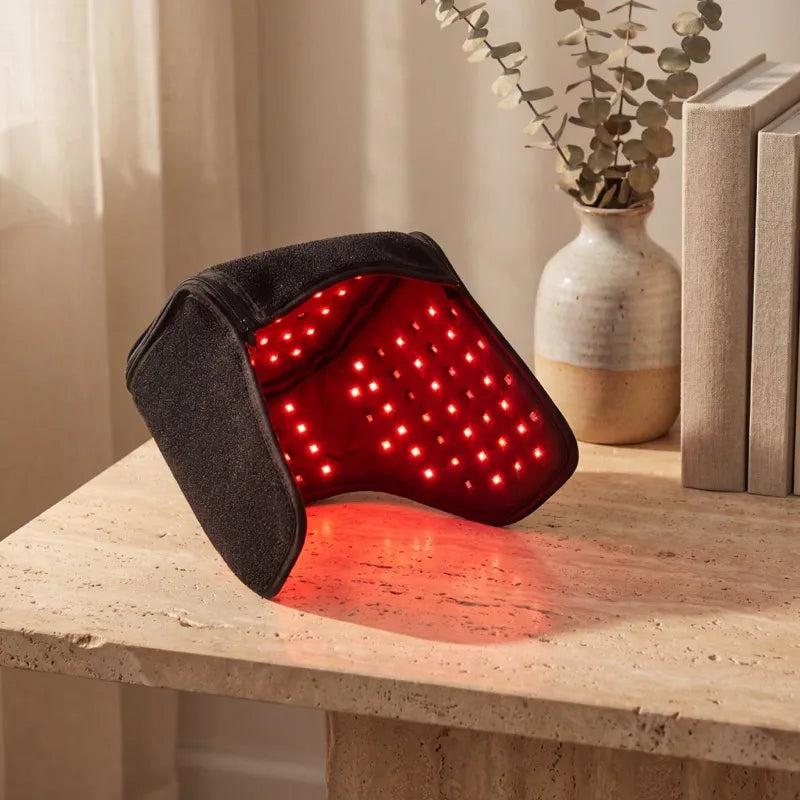
Hands-free. Non-prescription. 660nm clinical wavelength, backed by a 30-day guarantee.
Continue Reading
Lifestyle & Wellness
The Ultimate Hair Care Routine for Men Fighting Hair Loss
9 min read
Conditions & Hair Types
Female Pattern Hair Loss: A Complete Guide for Women
10 min read
Hair Loss Science
The Hair Growth Cycle: Anagen, Catagen, Telogen
9 min read
Lifestyle & Wellness