Conditions & Hair Types
Scarring Alopecia: When Hair Loss Becomes Permanent
Most hair loss types are reversible. Scarring alopecia is different - it destroys follicles permanently. Knowing the warning signs and acting fast is the difference between preservation and permanent loss.
Updated January 30, 2026
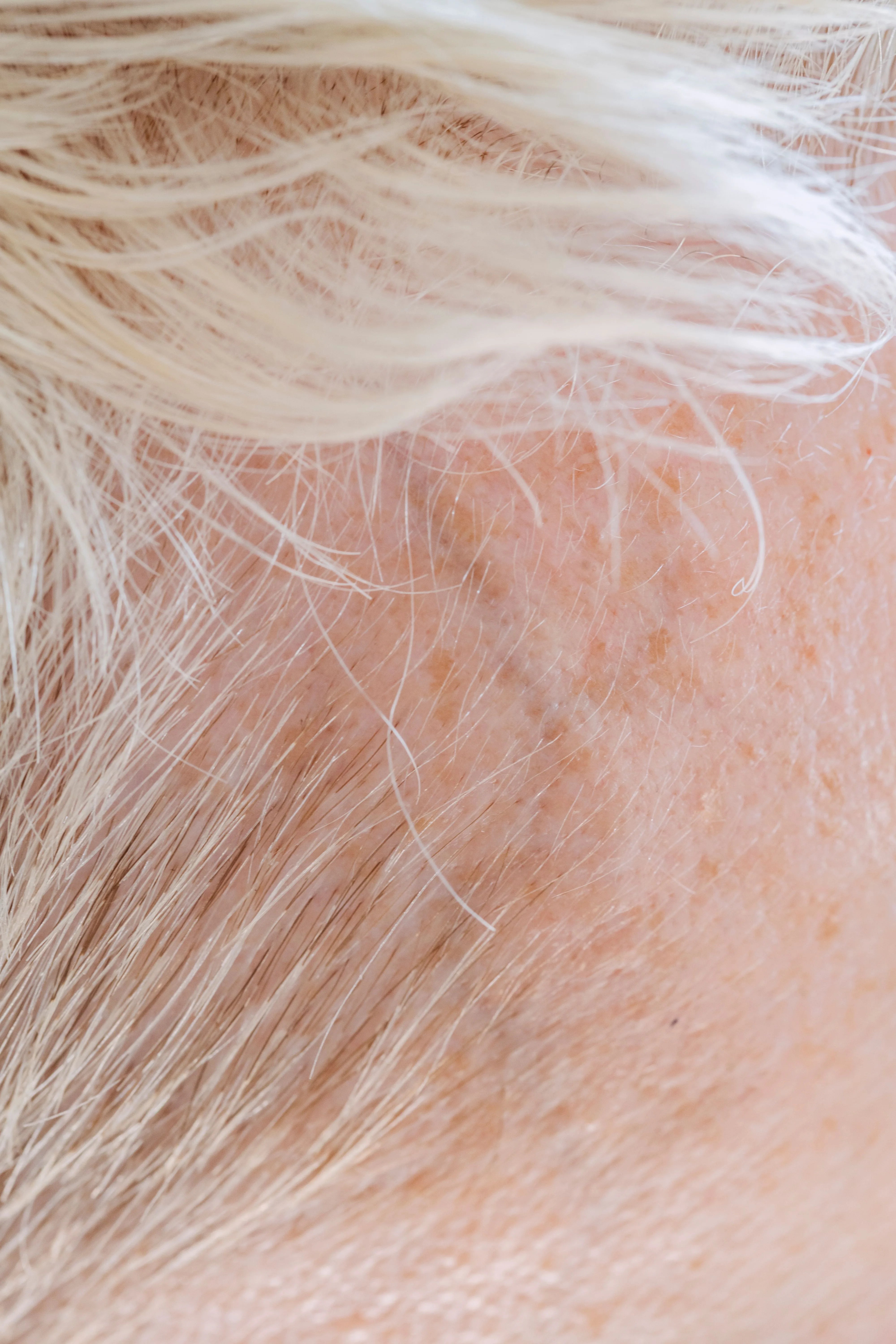
Scarring alopecia (cicatricial alopecia) is a group of conditions that permanently destroy hair follicles, replacing them with scar tissue. Unlike androgenetic alopecia where follicles miniaturize but remain alive, scarring alopecia literally obliterates follicles. Once destroyed, they cannot be revived. Early detection and treatment is the critical factor.
What Is Scarring Alopecia?
In scarring alopecia, inflammation targets the upper portion of the hair follicle where the stem cells reside. When these stem cells are destroyed, the follicle cannot regenerate. The body replaces the destroyed follicle with fibrous scar tissue. Scarring alopecia represents about 3-7% of all hair loss cases - uncommon, but critically important to identify early.
Types of Scarring Alopecia
- Lichen planopilaris (LPP): Lymphocyte-driven inflammation targeting follicle stem cells. Often affects the hairline and appears as smooth, white areas with follicular keratosis at the borders.
- Frontal fibrosing alopecia (FFA): A variant of LPP causing slow, symmetric recession of the frontal hairline. Increasingly common, particularly in postmenopausal women. Eyebrows may also be affected.
- Central centrifugal cicatricial alopecia (CCCA): Most common in women of African descent. Starts at the crown/vertex and expands outward. Associated with (but not solely caused by) heat styling and chemical processing.
- Discoid lupus erythematosus (DLE): An autoimmune condition causing round, scaly plaques on the scalp that destroy underlying follicles.
- Folliculitis decalvans: Bacterial inflammation around follicle clusters, causing tufting (multiple hairs emerging from a single follicle opening) and progressive scarring.
Warning Signs to Watch For
🚨See a dermatologist immediately if you notice:
- Burning, pain, or tenderness in areas of hair loss (non-scarring types are usually painless)
- Smooth, shiny areas of hair loss with no visible follicle openings
- Redness, scaling, or pustules at the edges of bald areas
- Rapid progression of hair loss in a specific area
- Loss of eyebrows and eyelashes alongside scalp loss
Getting Diagnosed
Scalp biopsy is the gold standard for diagnosing scarring alopecia. A small sample of scalp tissue (4mm punch biopsy) reveals the pattern of inflammation and whether follicle scarring has occurred. Dermoscopy (magnified scalp examination) can also show characteristic signs. If you suspect scarring alopecia, request an urgent dermatology referral - time matters.
Treatment Approaches
Treatment focuses on stopping the inflammatory process to prevent further follicle destruction:
- Topical/intralesional corticosteroids: Suppress the immune-mediated inflammation.
- Hydroxychloroquine: First-line systemic treatment for LPP/FFA.
- Doxycycline: Antibacterial and anti-inflammatory, used for folliculitis decalvans.
- Immunosuppressants: Mycophenolate mofetil, cyclosporine for resistant cases.
- Hair transplant: Possible ONLY after the disease has been quiescent for 1-2+ years. Transplanting into actively inflamed scalp risks destroying the grafted follicles.
While scarring alopecia requires medical treatment, supporting overall follicle health with nutritional supplements and gentle scalp care can complement medical therapy and help preserve unaffected follicles.
From the routine
Mentioned in this article
Common questions
Frequently asked questions
Can scarring alopecia be reversed?+
How do I know if my hair loss is scarring?+
Is scarring alopecia genetic?+
Can I use Regrowthy products if I have scarring alopecia?+
The Regrowthy System
Ready to start regrowing at home?
Hands-free. Non-prescription. 660nm clinical wavelength, backed by a 30-day guarantee.
Continue Reading
Conditions & Hair Types
Alopecia Areata: Causes, Treatment Options, and Recovery
10 min read
Conditions & Hair Types
Traction Alopecia: How Hairstyles Cause Permanent Hair Loss
8 min read
Lifestyle & Wellness
The Complete Scalp Care Guide for Optimal Hair Growth
8 min read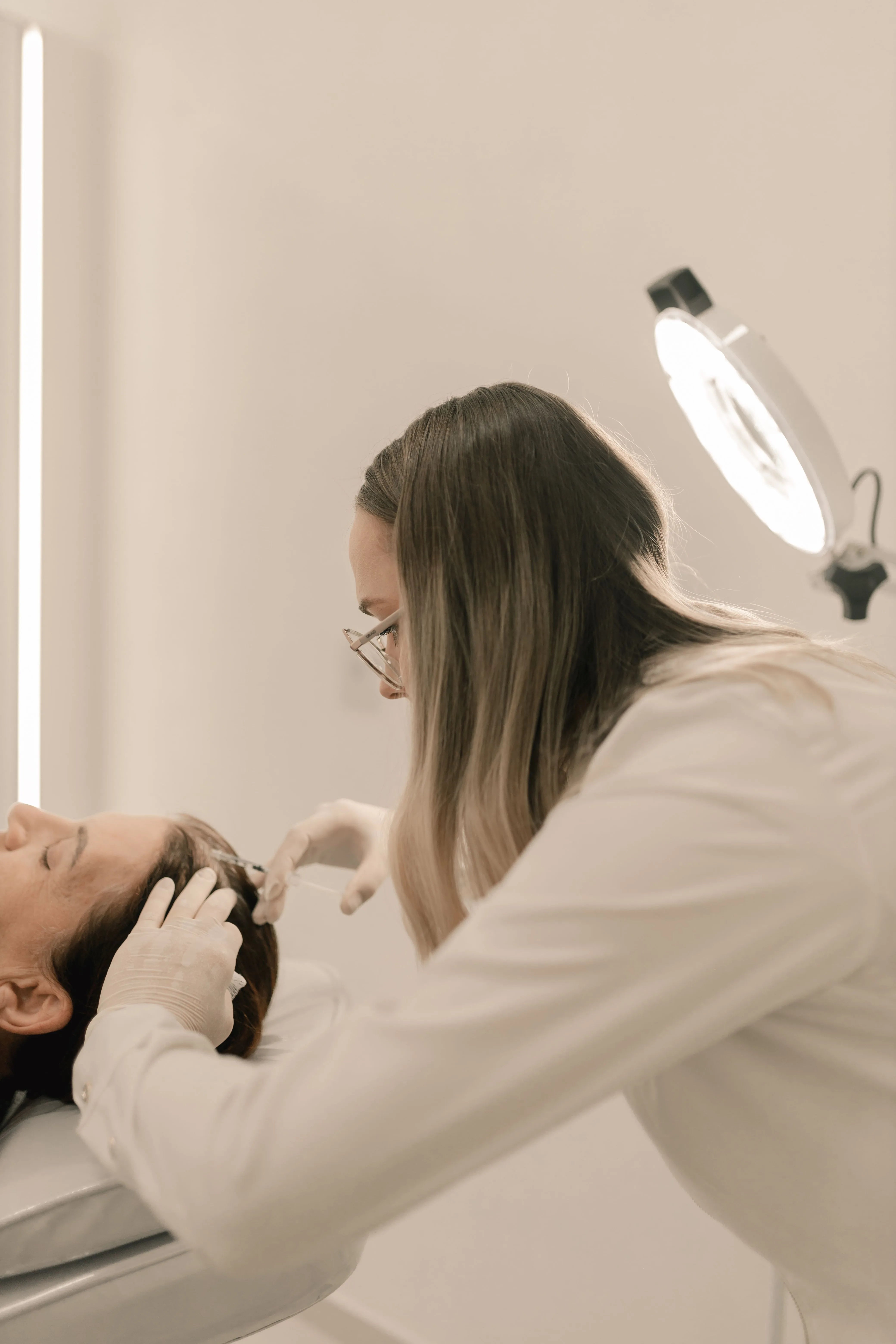
Hair Loss Science