Lifestyle & Wellness
The Complete Scalp Care Guide for Optimal Hair Growth
Your scalp is the soil your hair grows in. An unhealthy scalp environment chokes follicles. Here's how to create the optimal conditions for maximum growth.
Updated January 25, 2026
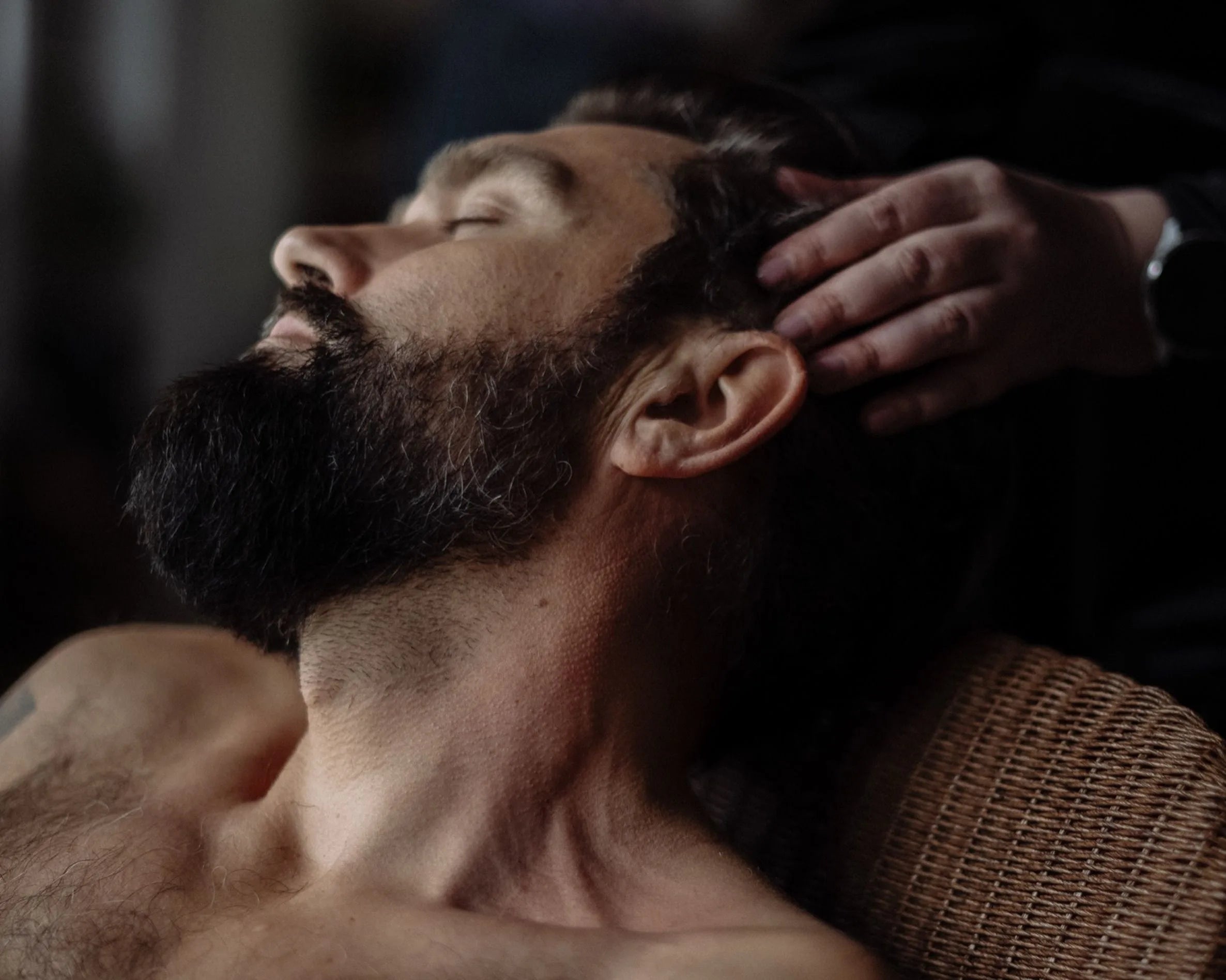
Think of your scalp as soil and your hair follicles as seeds. You can have the best seeds in the world, but if the soil is compacted, acidic, depleted, or waterlogged, nothing will grow well. The same applies to your scalp - an unhealthy scalp environment limits what even the best treatments can achieve.
Why Scalp Health Is the Foundation
Your scalp is living skin with a complex microbiome, oil glands, blood vessels, and immune cells - all of which directly affect follicle health:
- Blocked follicles: Sebum buildup, dead skin, and product residue can physically obstruct follicle openings, impeding hair emergence.
- Inflammation: Scalp conditions like dermatitis, folliculitis, or chronic irritation create an inflammatory environment that shortens the growth phase.
- Microbiome imbalance: The scalp hosts beneficial bacteria and fungi. Disrupting this balance (through harsh products or over-washing) can trigger dandruff, itching, and follicle stress.
- Blood flow: Scalp tension and fibrosis reduce blood flow to follicles. Regular massage and proper care maintain good circulation.
Assess Your Scalp Type
- Oily scalp: Greasy within 12-24 hours after washing. Risk: sebum buildup blocking follicles. Solution: Wash more frequently with a gentle shampoo.
- Dry scalp: Tight, flaky, itchy. Risk: compromised skin barrier, inflammation. Solution: Wash less frequently, use moisturizing conditioner on scalp, consider oil treatments.
- Combination: Oily at crown, dry at temples/sides. Most common type. Solution: Focus cleansing on oily areas, condition dry areas.
- Sensitive: Reacts to products, easily irritated. Solution: Fragrance-free products, patch test everything, minimal ingredient lists.
Proper Scalp Cleansing
- Use a DHT-blocking shampoo 4-5x per week - this cleanses while treating.
- Apply shampoo directly to scalp, not hair. Hair gets clean from rinse-through.
- Massage with fingertips (never nails) for 60 seconds minimum - this loosens sebum and dead skin.
- Leave on for 3-5 minutes to allow active ingredients (ketoconazole, saw palmetto) to absorb.
- Rinse thoroughly with lukewarm water. Residue contributes to buildup.
Scalp Exfoliation
Dead skin cell turnover on the scalp is constant. Without periodic exfoliation, this buildup can clog follicles:
- Chemical exfoliation: Salicylic acid-based scalp treatments dissolve buildup without physical abrasion. Use 1-2x weekly.
- Physical exfoliation: A silicone scalp brush used during shampooing provides gentle mechanical exfoliation while boosting blood flow.
- Derma rolling: Your weekly derma roller session provides deep exfoliation as a secondary benefit.
Oil Balance and pH
The scalp's natural pH is slightly acidic (4.5-5.5). Many conventional shampoos are alkaline, disrupting this balance and weakening the protective acid mantle. Look for pH-balanced products, avoid sulfates if you have a sensitive scalp, and never use baking soda or other alkaline "natural" remedies on your scalp. Pair proper cleansing with a laser therapy cap session to support the scalp environment after cleansing.
From the routine
Mentioned in this article
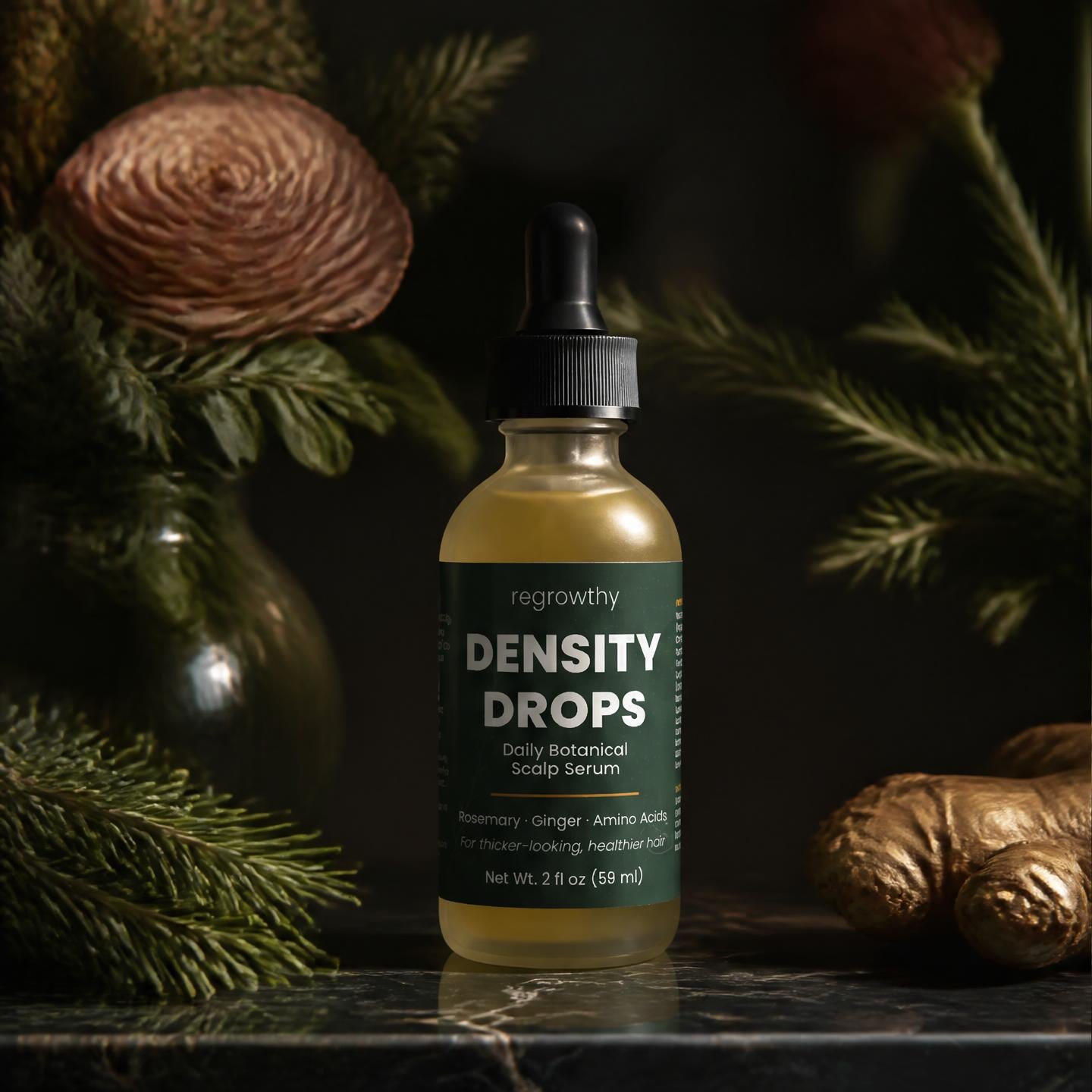
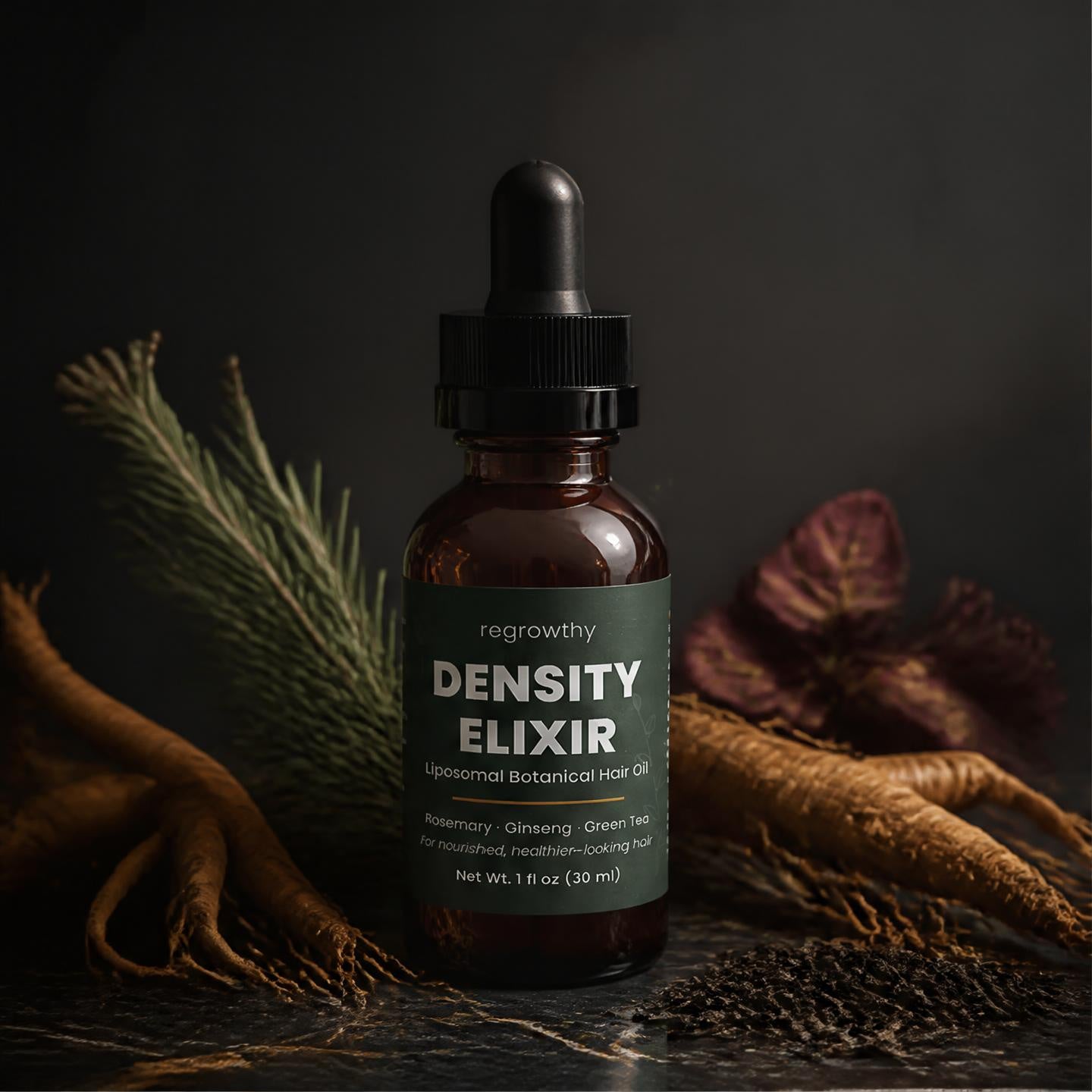
Common questions
Frequently asked questions
How do I know if my scalp is unhealthy?+
Can dandruff cause hair loss?+
Should I oil my scalp?+
How often should I exfoliate my scalp?+
The Regrowthy System
Ready to start regrowing at home?
Hands-free. Non-prescription. 660nm clinical wavelength, backed by a 30-day guarantee.
Continue Reading
Treatment Guides
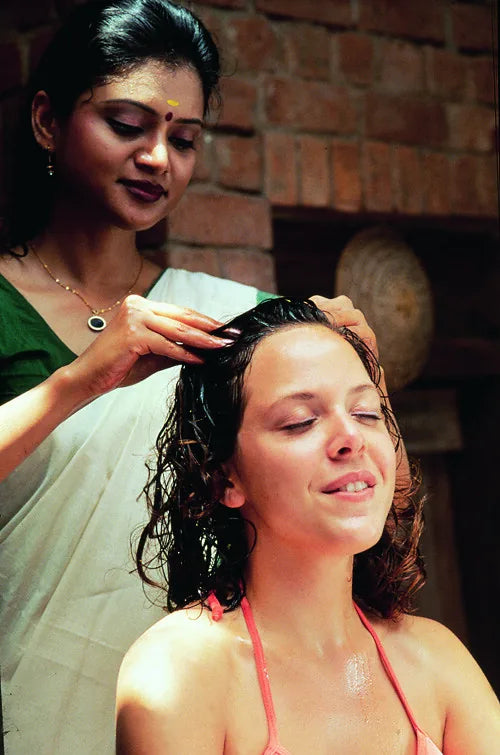
Scalp Massage for Hair Growth: What the Science Says
8 min read
Hair Loss Science
How DHT Causes Hair Loss (And How to Block It)
11 min read
Lifestyle & Wellness
The Ultimate Hair Care Routine for Men Fighting Hair Loss
9 min read
Hair Loss Science