Lifestyle & Wellness
Exercise and Hair Growth: How Physical Activity Impacts Your Follicles
Exercise boosts blood flow to follicles and reduces stress - but can heavy lifting increase DHT? Here's the nuanced relationship between exercise and hair growth.
Updated January 15, 2026
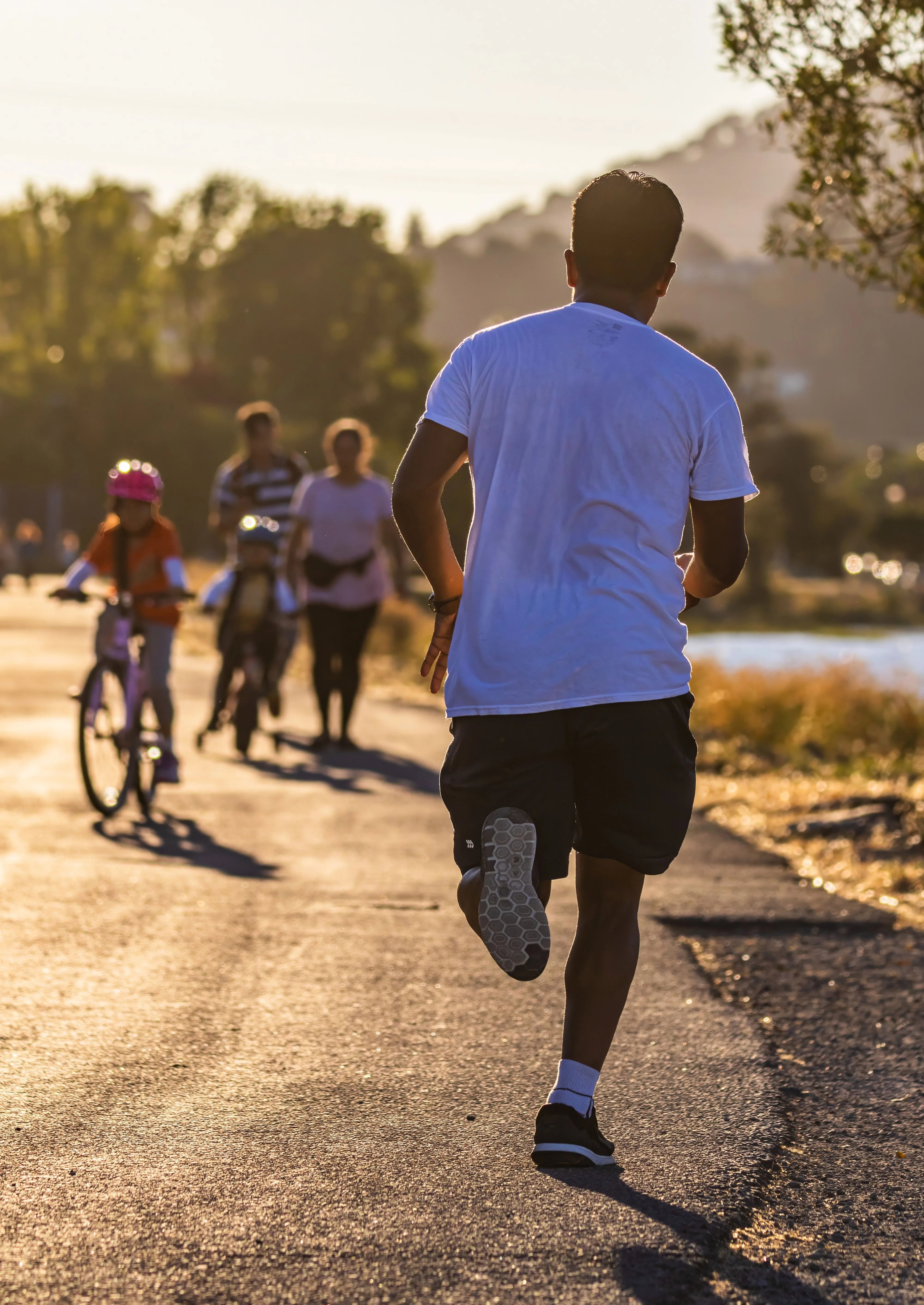
The relationship between exercise and hair growth is nuanced. Moderate exercise clearly benefits hair through improved circulation, stress reduction, and hormonal balance. But questions persist: does weight training increase DHT? Can overtraining cause hair loss? Does sweating damage follicles?
Let's separate evidence from gym-bro mythology.
The Hair Benefits of Exercise
- Improved blood circulation: Exercise increases cardiovascular output, delivering more oxygen and nutrients to the scalp. Better blood flow means better-fed follicles. This is the same mechanism that makes scalp massage effective - but systemic rather than local.
- Cortisol regulation: Regular moderate exercise lowers baseline cortisol levels. Since chronic cortisol is a major driver of telogen effluvium, this is a significant hair benefit.
- Growth hormone boost: Exercise triggers HGH release, supporting cell proliferation in hair follicles.
- Better sleep: Regular exercisers sleep more deeply, maximizing the overnight recovery window when follicles do their heaviest work.
- Reduced inflammation: Regular exercise lowers systemic inflammatory markers, creating a better scalp environment.
The DHT Concern: Does Lifting Weights Cause Hair Loss?
The concern: resistance training temporarily increases testosterone. More testosterone = potentially more DHT conversion = potentially more hair loss. But the reality is more nuanced:
- Exercise-induced testosterone spikes are acute and temporary (30-60 minutes post-workout). They don't significantly affect baseline hormone levels.
- DHT-driven hair loss depends on follicle sensitivity to DHT (genetic) and local 5-alpha reductase activity, not total testosterone levels.
- The cardiovascular and stress-reduction benefits of exercise far outweigh any marginal DHT increase.
- No clinical study has demonstrated that exercise-induced testosterone changes cause meaningful hair loss acceleration.
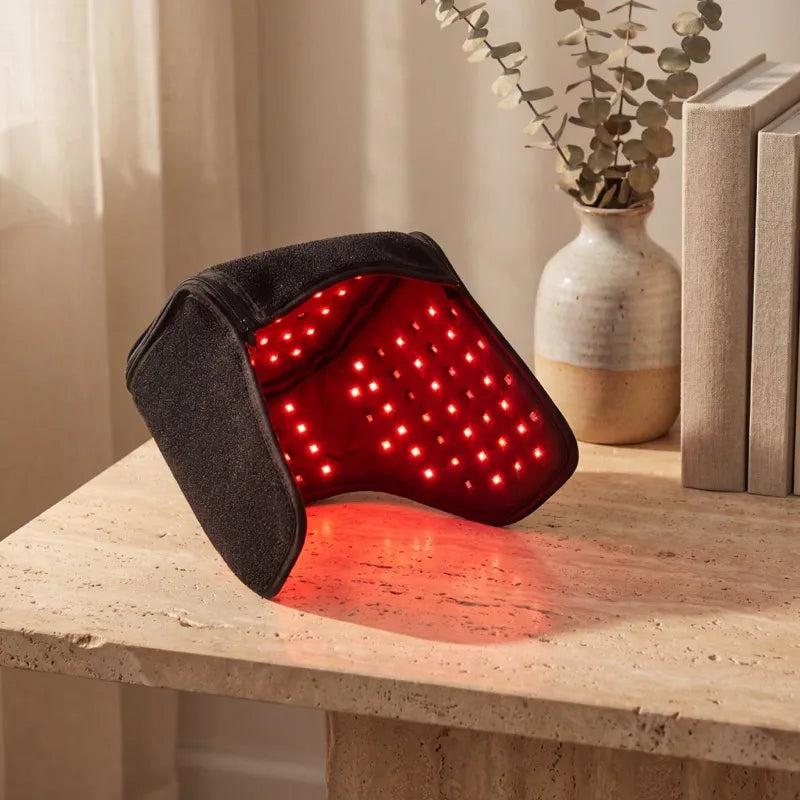
Bottom line: Don't avoid weight training because of hair loss fears. The overall health benefits support hair growth far more than transient testosterone spikes could hurt it. If you're concerned, use the Laser Therapy Cap as part of your routine.
When Exercise Hurts Hair: Overtraining
The exception to exercise's benefits is overtraining - exercising at high intensity without adequate recovery:
- Chronically elevated cortisol (the body treats overtraining as chronic stress)
- Nutritional depletion - intense exercise burns through zinc, iron, and B-vitamins faster than diet may replace them
- Caloric deficit if combining intense exercise with restrictive dieting
- Sleep disruption from evening high-intensity training
Signs of overtraining: persistent fatigue, elevated resting heart rate, disrupted sleep, mood changes, and - yes - increased hair shedding.
Best Exercises for Hair Health
- Moderate cardio: 30-45 minutes, 3-5x/week. Walking, cycling, swimming. Maximizes cardiovascular benefits without overtraining risk.
- Resistance training: 3-4x/week. Supports growth hormone and overall metabolic health. Don't avoid it - the benefits outweigh any DHT concern.
- Yoga: Combines movement with stress reduction. Inversions may temporarily increase scalp blood flow.
- HIIT (in moderation): 2-3 sessions/week maximum. Effective but easy to overtrain. Allow full recovery between sessions.
Practical Tips for Gym-Goers
- Wash sweat off your scalp after workouts. Dried sweat can clog follicles and create an inflammatory environment. Use a gentle shampoo post-workout.
- Don't wear tight hats during exercise. Tight headbands or caps can cause traction and friction.
- Fuel adequately. Match caloric intake to exercise output. Undereating while training hard triggers telogen effluvium.
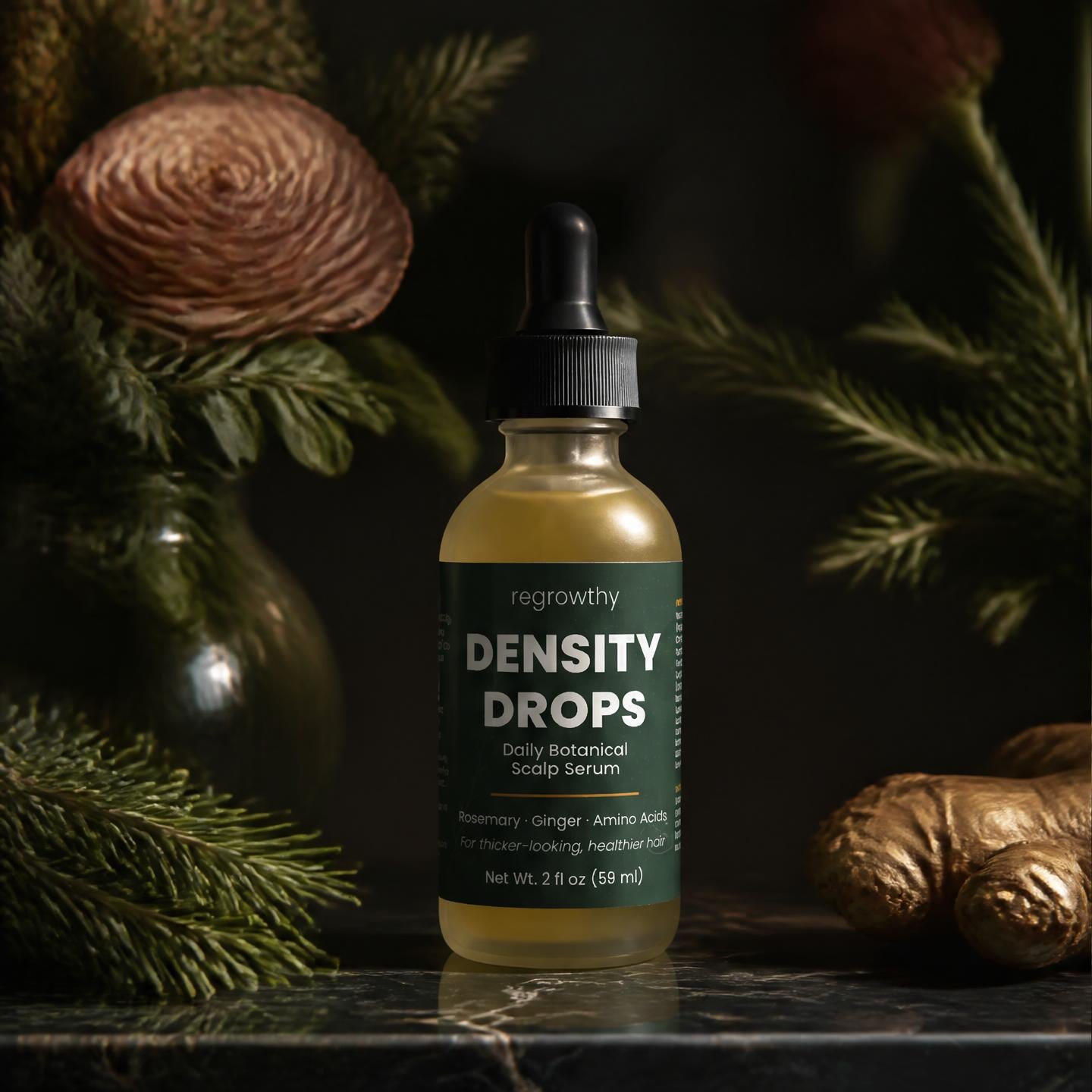
- Supplement intelligently. Hair supplements replace the zinc, iron, and B-vitamins depleted by exercise.
From the routine
Mentioned in this article
Common questions
Frequently asked questions
Will creatine cause hair loss?+
Does sweating cause hair loss?+
Is cardio or weights better for hair growth?+
Can I exercise after derma rolling?+
The Regrowthy System
Ready to start regrowing at home?
Hands-free. Non-prescription. 660nm clinical wavelength, backed by a 30-day guarantee.
Continue Reading
Lifestyle & Wellness
Stress and Hair Loss: The Science Behind Telogen Effluvium
9 min read
Treatment Guides
Scalp Massage for Hair Growth: What the Science Says
8 min read
Hair Loss Science
How DHT Causes Hair Loss (And How to Block It)
11 min read
Lifestyle & Wellness