Conditions & Hair Types
Seborrheic Dermatitis and Hair Loss: Treatment and Prevention
Seborrheic dermatitis causes itchy, flaky scalp inflammation that can contribute to hair thinning. Here's how the condition damages follicles and the treatment approach that resolves both symptoms.
Updated January 15, 2026
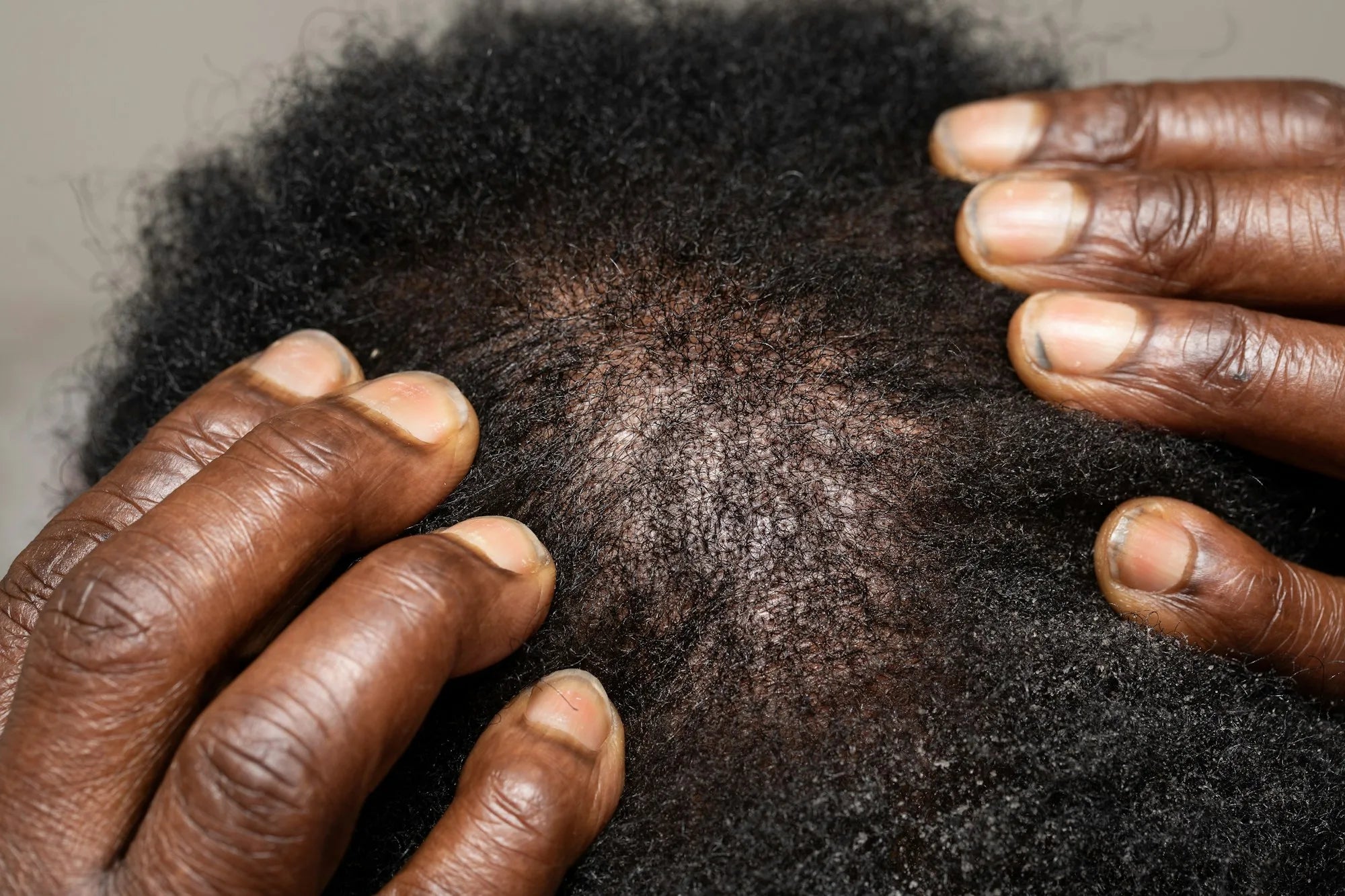
If your scalp is itchy, flaky, and oily - and you're also noticing hair thinning - these two problems may be connected. Seborrheic dermatitis (SD) is one of the most common scalp conditions, and while it doesn't directly destroy hair follicles, the chronic inflammation it creates can significantly impair hair growth.
What Is Seborrheic Dermatitis?
Seborrheic dermatitis is a chronic inflammatory skin condition caused by an overreaction to Malassezia yeast, which naturally lives on the scalp. In susceptible people, the yeast triggers an inflammatory immune response, leading to:
- Yellow, greasy, or white flakes (not the same as dry scalp dandruff)
- Red, irritated patches on the scalp
- Persistent itching that leads to scratching and further inflammation
- Can also affect eyebrows, nasolabial folds, and behind the ears
How Seborrheic Dermatitis Causes Hair Thinning
- Chronic inflammation: Inflammatory cytokines released around follicles can shorten the anagen (growth) phase and push hairs into premature telogen.
- Scratching damage: Habitual scratching of itchy areas causes mechanical trauma to hair shafts and follicles.
- Sebum buildup: Excessive sebum can block follicle openings and create an unfavorable growth environment.
- Compounding effect: In people with underlying androgenetic alopecia, SD accelerates follicle miniaturization by adding inflammatory insult.
Treatment That Addresses Both Problems
- Ketoconazole shampoo: The gold standard for seborrheic dermatitis. Ketoconazole is both antifungal (targets Malassezia) and anti-inflammatory. Our Laser Cap contains ketoconazole, making it effective against both SD and hormonal hair loss simultaneously.
- Zinc pyrithione: Another effective antifungal for maintenance. Can be alternated with ketoconazole.
- Scalp care: Proper scalp hygiene - regular washing (don't over-space washes), gentle exfoliation, and avoiding heavy styling products that feed yeast.
- Anti-inflammatory nutrition: Omega-3 fatty acids, zinc, and B vitamins from diet and supplements support the skin's inflammatory response.
Long-Term Management
SD is a chronic condition that requires ongoing management. Use ketoconazole-containing shampoo regularly (3-4x weekly during flares, 2x weekly for maintenance). Hair thinning from SD is generally reversible once inflammation is controlled - expect improvement in 3-6 months of consistent treatment. Apply laser cap to support follicle recovery during and after flare resolution.
From the routine
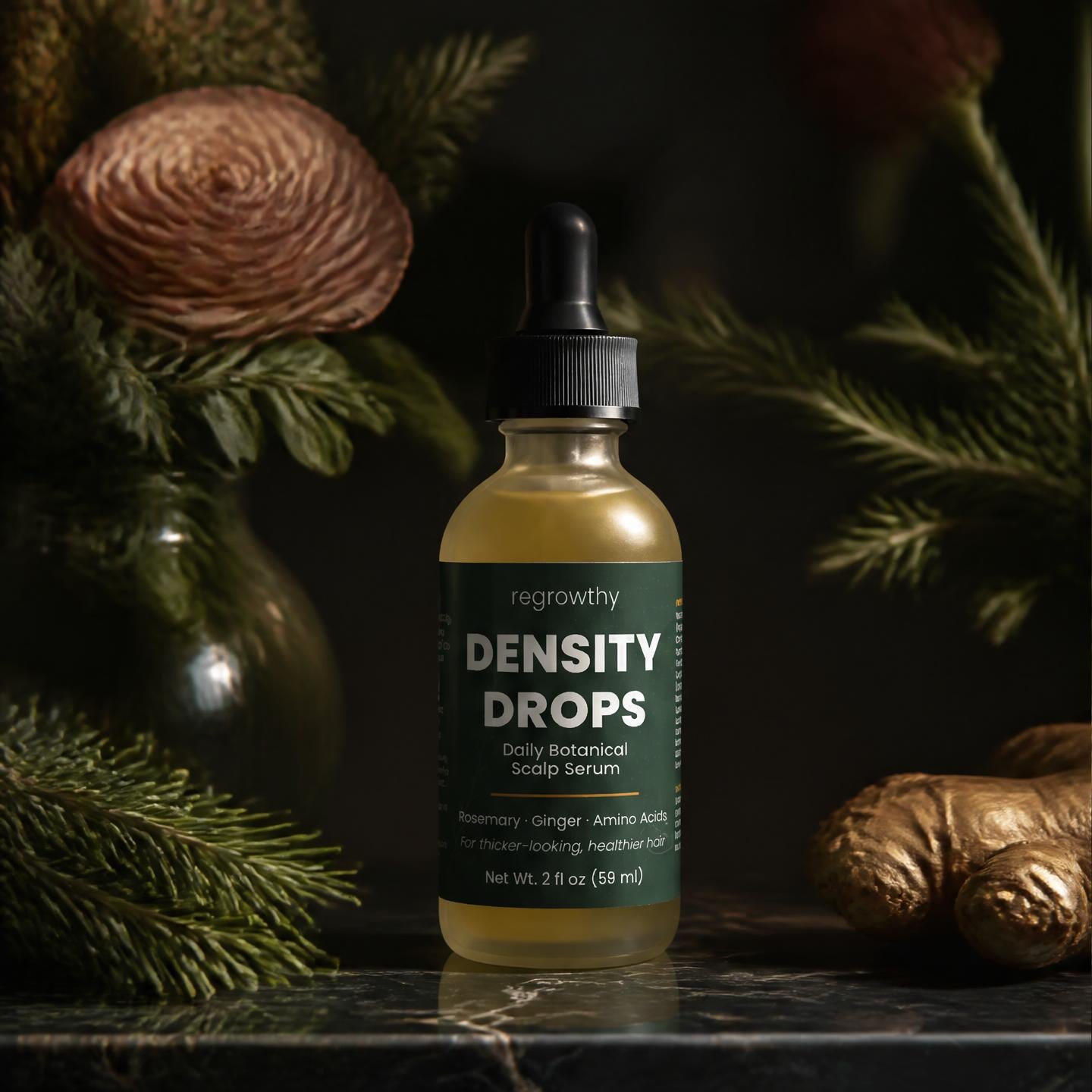
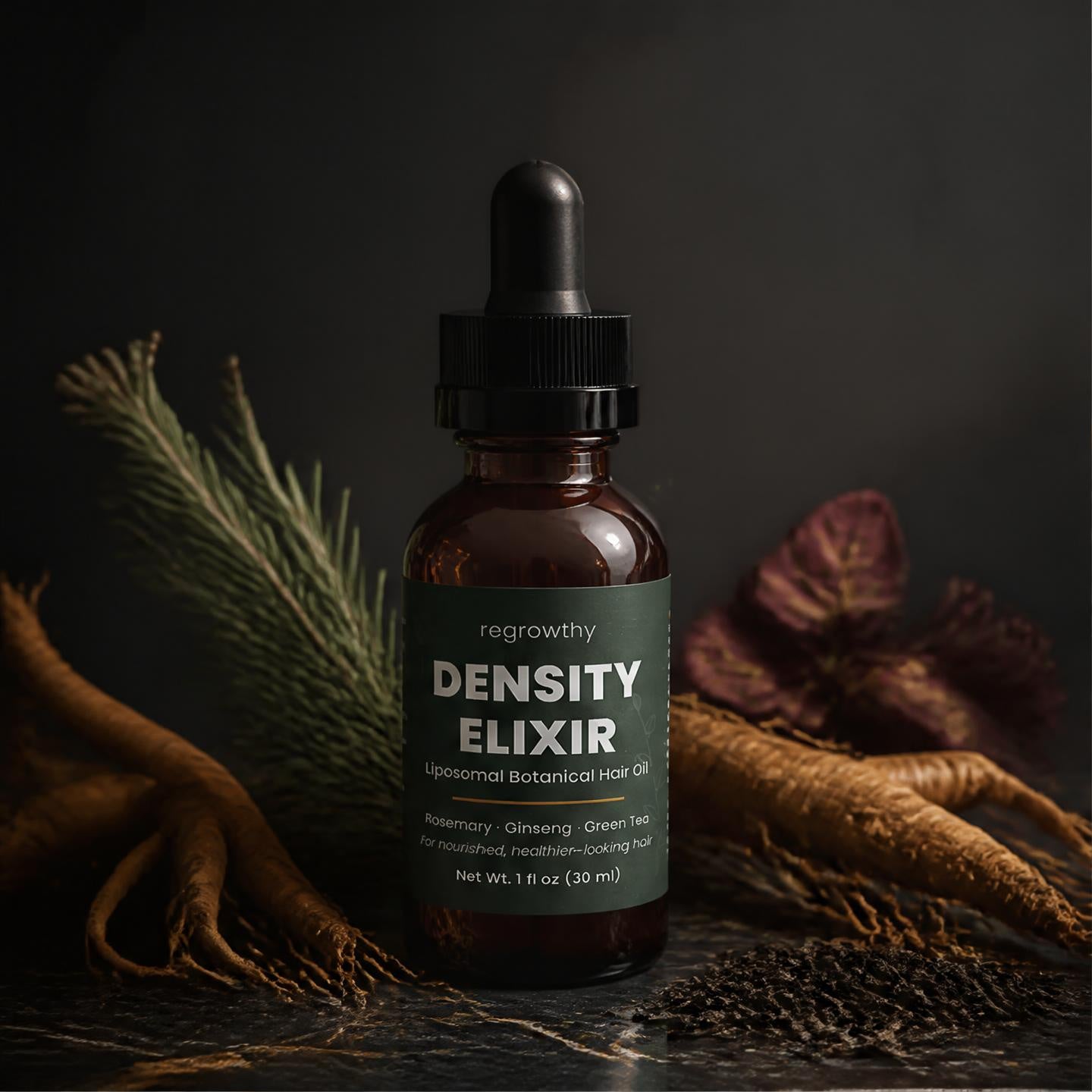
Mentioned in this article
Common questions
Frequently asked questions
Is seborrheic dermatitis the same as dandruff?+
Will hair lost from seborrheic dermatitis grow back?+
Does diet affect seborrheic dermatitis?+
Can I use hair oil if I have seborrheic dermatitis?+
The Regrowthy System
Ready to start regrowing at home?
Hands-free. Non-prescription. 660nm clinical wavelength, backed by a 30-day guarantee.
Continue Reading
Lifestyle & Wellness
The Complete Scalp Care Guide for Optimal Hair Growth
8 min read
Hair Loss Science
How DHT Causes Hair Loss (And How to Block It)
11 min read
Lifestyle & Wellness
The Ultimate Hair Care Routine for Men Fighting Hair Loss
9 min read
Lifestyle & Wellness