Conditions & Hair Types
Female Pattern Hair Loss: A Complete Guide for Women
Hair loss in women is more common than you think - affecting 40% by menopause. Female pattern hair loss looks and behaves differently from male pattern baldness. Here's what women need to know.
Updated January 20, 2026
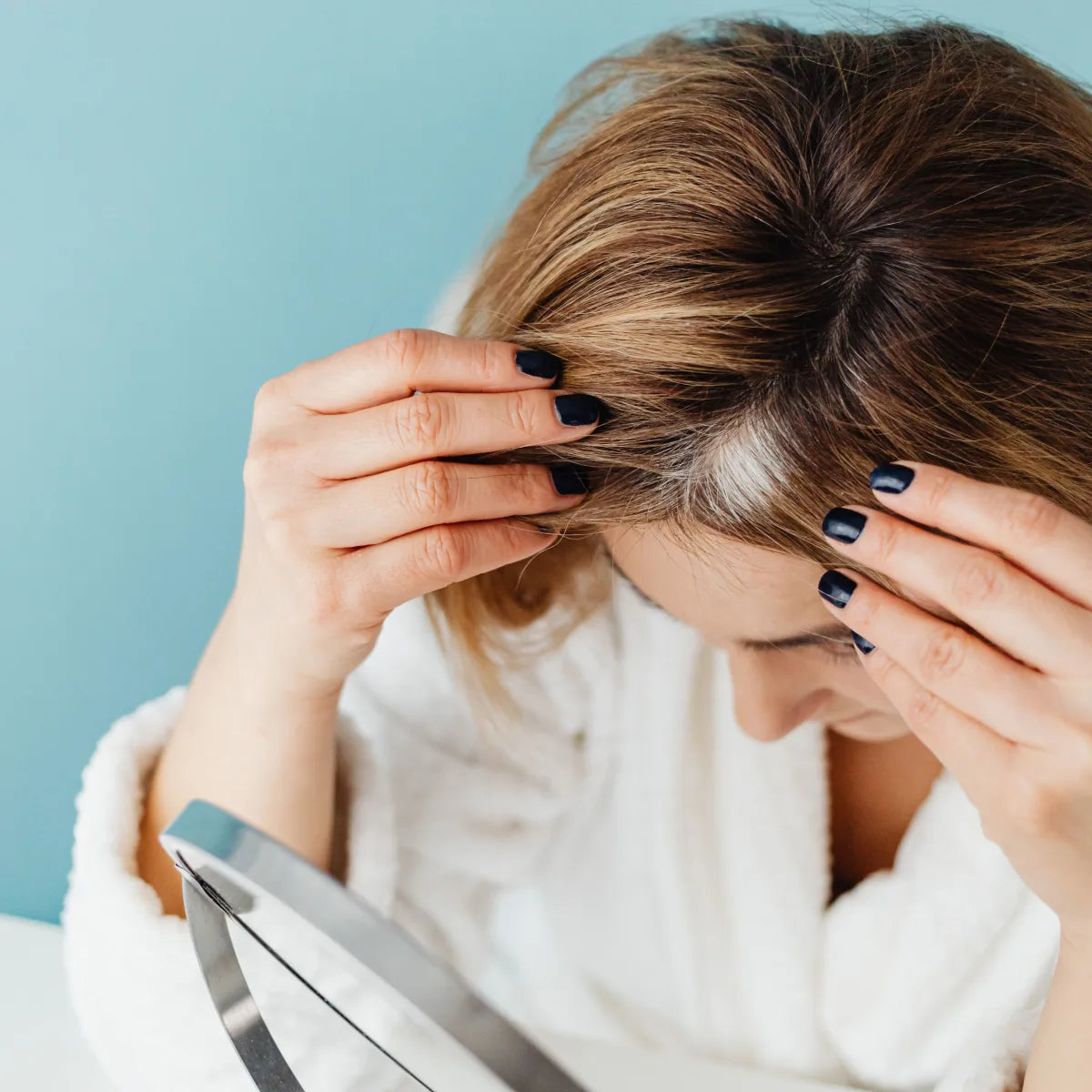
Female pattern hair loss (FPHL) affects an estimated 30 million women in the US alone. Yet it receives far less attention than male pattern baldness, and many women suffer in silence - not realizing their thinning is a treatable medical condition. FPHL is different from male pattern loss in presentation, hormonal drivers, and treatment response.
How FPHL Differs from Male Pattern Hair Loss
- Pattern: Women typically experience diffuse thinning across the top of the scalp. The part line widens progressively (the "Christmas tree" pattern). The frontal hairline is usually preserved, unlike men who lose the frontal hairline first.
- Progression: FPHL progresses more slowly and rarely leads to complete baldness. Women retain much of their hair but lose density significantly.
- Hormonal mechanism: While DHT plays a role, FPHL is influenced more by the changing ratio of estrogen to androgens - especially during perimenopause and menopause.
- Multiple causes: Women's hair loss more frequently has multiple contributing factors - hormonal, nutritional (especially iron/ferritin), thyroid, stress, and medication-related.
Causes and Risk Factors
- Genetics: FPHL has a strong hereditary component, though the genetics are less clearly understood than in men.
- Hormonal shifts: Declining estrogen (menopause), elevated androgens (PCOS), and thyroid dysfunction are major contributors.
- Iron deficiency: Low ferritin is one of the most common - and most treatable - causes of women's hair thinning. Even without clinical anemia, ferritin below 40 ng/mL can impair hair growth.
- Nutritional deficiencies: Vitamin D, zinc, biotin, and B12 deficiencies are common in women with hair thinning.
- Stress: Women are more susceptible to telogen effluvium from emotional and physiological stress.
- Hairstyling practices: Traction alopecia from tight ponytails, braids, extensions, and chemical processing can compound underlying thinning.
Getting a Proper Diagnosis
Because women's hair loss has many possible causes, a thorough workup is important:
- Blood work: Ferritin, complete blood count, TSH, free T4, vitamin D, zinc, DHEA-S, total testosterone, and free testosterone.
- Scalp examination: Dermoscopy can differentiate FPHL from other conditions.
- Pull test: Determines if shedding is active.
- Scalp biopsy: In unclear cases, a biopsy can definitively diagnose FPHL vs. other conditions.
Treatment Approaches for Women
- Address deficiencies first: Correct iron, vitamin D, thyroid, or other imbalances. This alone can produce significant improvement if deficiency was a major contributor.
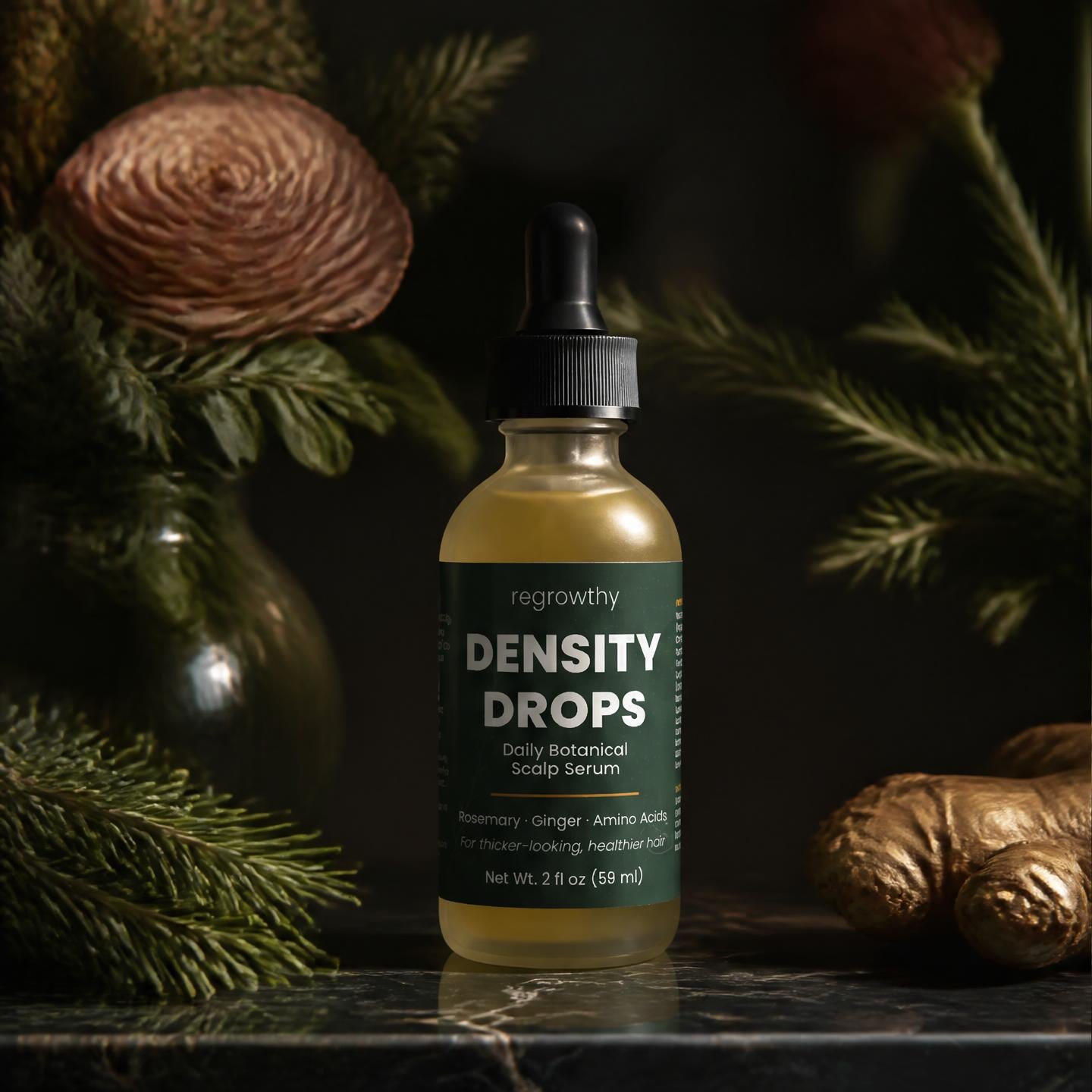
- Topical botanical serum: Density Drops, our rosemary based scalp serum, supports growth for women without the systemic hormonal side effects of oral medications.
- Growth stimulation: the laser cap and gentle microneedling with a derma roller are both appropriate for women.
- Nutritional support: Hair supplements with biotin, iron-support nutrients, vitamin D, and saw palmetto at appropriate doses for women.
- Spironolactone: A prescription anti-androgen that can be very effective for FPHL. Requires medical supervision. Not suitable during pregnancy.
Lifestyle Support
In addition to active treatment: avoid tight hairstyles and heavy styling products, use a wide-tooth comb or detangling brush on wet hair, minimize heat styling, eat a protein and nutrient-rich diet, manage stress through regular exercise and sleep, and avoid crash diets (rapid weight loss triggers telogen effluvium in women). The Regrowthy Laser Therapy Cap is designed to work for both men and women with pattern hair loss.
From the routine
Mentioned in this article

Common questions
Frequently asked questions
Is female hair loss reversible?+
Can women use the same hair loss treatments as men?+
How much hair shedding is normal for women?+
Does menopause cause permanent hair loss?+
The Regrowthy System
Ready to start regrowing at home?
Hands-free. Non-prescription. 660nm clinical wavelength, backed by a 30-day guarantee.
Continue Reading
Hair Loss Science
Understanding Male Pattern Baldness: The Complete Guide
12 min read
Lifestyle & Wellness
Hormonal Changes and Hair Loss: Puberty, Aging, and Everything Between
10 min read
Hair Loss Science
How DHT Causes Hair Loss (And How to Block It)
11 min read
Lifestyle & Wellness