Treatment Guides
Topical vs Oral Hair Loss Treatments: Which Format Works Better?
Pills, serums, and devices all promise thicker hair, but they get there through completely different routes. Here's how topical and oral treatments actually compare, and how to choose between them.
Updated July 1, 2026
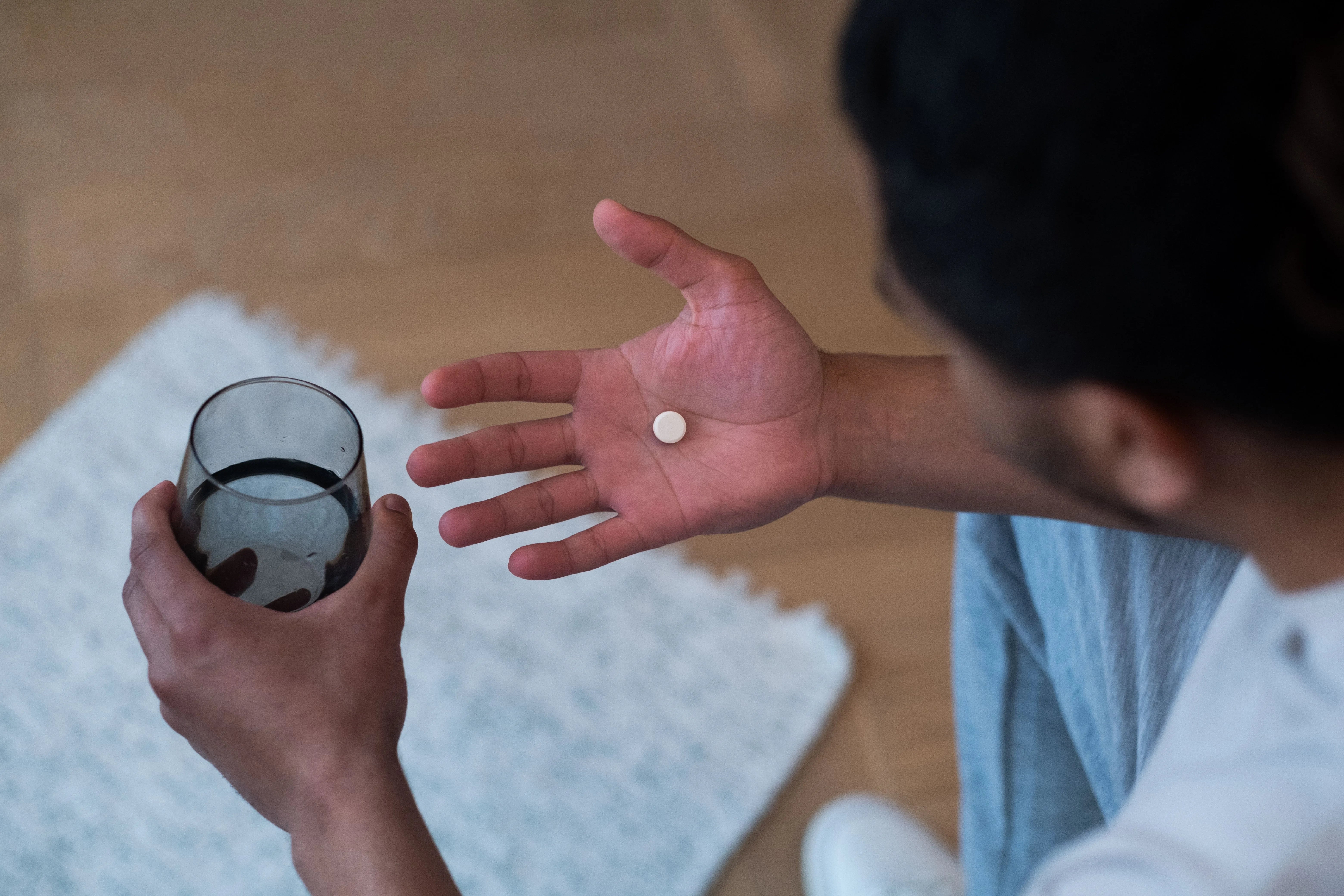
Stand in the hair loss aisle of any pharmacy, or scroll through a few minutes of ads online, and you'll notice the same split everywhere: bottles of pills next to bottles of serums, capsules next to foams and gummies. The active ingredients often overlap, but the delivery format changes everything else, how the treatment behaves once it reaches your body, how consistently you'll actually use it, and what kind of results you can realistically expect. Understanding the difference between a topical vs oral hair loss treatment matters more than most people realize when they're standing there deciding what to buy.
Hair loss treatments fall into two broad categories based on how they reach the follicle. Topical treatments are applied directly to the scalp, working locally where thinning is happening. Oral treatments are swallowed and absorbed into the bloodstream, working systemically throughout the body. Neither format is universally better than the other, but each comes with real tradeoffs worth understanding before you commit to a routine.
Why Format Matters as Much as the Active Ingredient
Most conversations about hair loss treatment focus on the ingredient: does it contain minoxidil, finasteride, saw palmetto, or a specific vitamin blend. But two products with a nearly identical ingredient list can perform very differently depending on how they're delivered. A topical serum has to penetrate skin, hair follicles, and often a layer of natural scalp oils before it does anything at all. An oral capsule has to survive digestion, get absorbed through the gut lining, and circulate through the bloodstream before it ever reaches the scalp. Those two pathways create very different timelines, side effect profiles, and levels of day-to-day convenience.
The underlying biology of pattern hair loss is the same regardless of format. In most cases, hair follicles are shrinking because they've become sensitive to DHT, a byproduct of testosterone that gradually shortens the hair growth cycle over time. Some treatments work by blocking DHT's effects, others by improving blood flow and cellular energy at the follicle, and others by simply supplying the nutritional building blocks hair needs to grow. Format determines how directly, and how broadly, a treatment can influence that process.
How Topical Treatments Work
Topical treatments are applied straight to the scalp, which means the active ingredient, or in the case of light-based devices, the active wavelength, goes to work exactly where you need it most. Topical minoxidil is the most familiar example: it's massaged into the scalp daily to help widen blood vessels and extend the growth phase in follicles that are still alive but shrinking.
Not every topical approach is a liquid or foam, though. Low-level laser devices, like a Laser Therapy Cap, work on the same local principle without any chemical absorption at all. Red light in the 660 nanometer range is thought to stimulate mitochondrial activity in scalp cells, improving cellular energy and circulation in the treated area. Because the light only affects the tissue it reaches, both the results and the side effects stay localized to the scalp, which is part of why device-based topical therapy has become a popular non-prescription option for people who want to avoid systemic exposure altogether.
How Oral Treatments Work
Oral treatments take a different route entirely. Once swallowed, they're broken down in the digestive system and absorbed into the bloodstream, where they circulate throughout the entire body before ever reaching the scalp. That's true whether you're talking about a prescription medication or a daily supplement capsule.
On the prescription side, oral finasteride is the most common example: it works by inhibiting the enzyme that converts testosterone into DHT, lowering DHT levels body-wide rather than just at the scalp. That systemic action is exactly what makes an oral hair loss medication comparison tricky, because the same mechanism that makes a drug like this effective for many people is also what creates the potential for body-wide side effects, since it isn't working locally the way a topical product does.
Oral supplements work through a gentler mechanism. Capsules built around ingredients like saw palmetto, biotin, or collagen peptides don't block a single enzyme the way a prescription drug does. Instead, they aim to support the hair growth cycle nutritionally, supplying amino acids, antioxidants, and cofactors that follicles need to produce strong strands. They're generally slower to show visible results than a targeted prescription drug, but they also carry a much lower risk profile.
Absorption, Consistency, and the Compliance Problem
On paper, topical treatments sound like the more precise option. Why take something orally that circulates through your entire body when you could apply it exactly where it's needed? In practice, though, topical treatments run into a problem that has nothing to do with chemistry: compliance.
Topical serums and foams typically need to be applied once or twice a day, directly onto a clean, dry scalp, and left in place, not washed out, not covered with styling product, for hours at a time. That routine is easy to skip on busy mornings, awkward to manage around hairstyles, and easy to apply inconsistently, which matters because topical treatments generally require months of steady use before results become visible. Miss enough applications and you're essentially starting the clock over.
Oral treatments, by contrast, tend to fit into a routine people already have: a pill or gummy with breakfast, a capsule after dinner. That single point of friction, remembering one dose instead of a multi-step scalp application, is a big part of why adherence tends to be higher with oral formats, even when a topical option might be equally or more effective for a given ingredient.
Key Point
Topical treatments act locally, right where you apply them. Oral treatments act systemically, throughout your entire body. Neither route is inherently stronger. The right choice comes down to how much systemic exposure you're comfortable with and how realistically you'll stick with the routine, day after day, for months.
Side Effects: Topical vs Oral
Because topical treatments stay largely on the scalp, their side effects tend to stay there too. The most commonly reported issues are scalp irritation, dryness, flaking, or itching, especially when a treatment is first introduced. These effects are usually manageable and often fade as the scalp adjusts, though they're still a real reason people quit a topical routine early.
Oral treatments carry a different risk profile because of that systemic absorption. Prescription oral medications for hair loss have documented, though relatively uncommon, side effects that can include changes in libido or mood, which is why they require a prescription and, in many cases, an ongoing telehealth or in-person conversation with a provider. Oral supplements sit at the low-risk end of the spectrum: because they work nutritionally rather than hormonally, most people tolerate them well, though anyone taking other medications should still check with a doctor before adding a new supplement to their routine.
Pills vs Serums for Hair Loss: A Side-by-Side Look
Once you strip away the marketing, the pills vs serums hair loss debate really comes down to five practical questions: where does it act, how fast does it act, how easy is it to use consistently, what's the side effect profile, and does it require a prescription. Here's how the two formats generally compare:
- Where it acts: Topical serums and devices work locally at the scalp. Oral pills and gummies work systemically, throughout the entire body.
- Timeline: Both formats typically need several months of consistent use before density changes are visible. Topical results are confined to the areas you physically reach; oral treatments can influence the whole scalp at once because they arrive through the bloodstream.
- Daily habit: Topical routines require touching, applying, and leaving product on the scalp untouched for hours. Oral routines require swallowing a single dose.
- Side effects: Topical issues are usually localized, like irritation or dryness. Oral issues, when they occur, are systemic and more likely to warrant a prescriber's involvement.
- Access: Many topical and device-based options are available without a prescription. Prescription oral medications require a prescription, typically obtained through telehealth or an in-person doctor visit.
Why Combining Formats Often Works Best
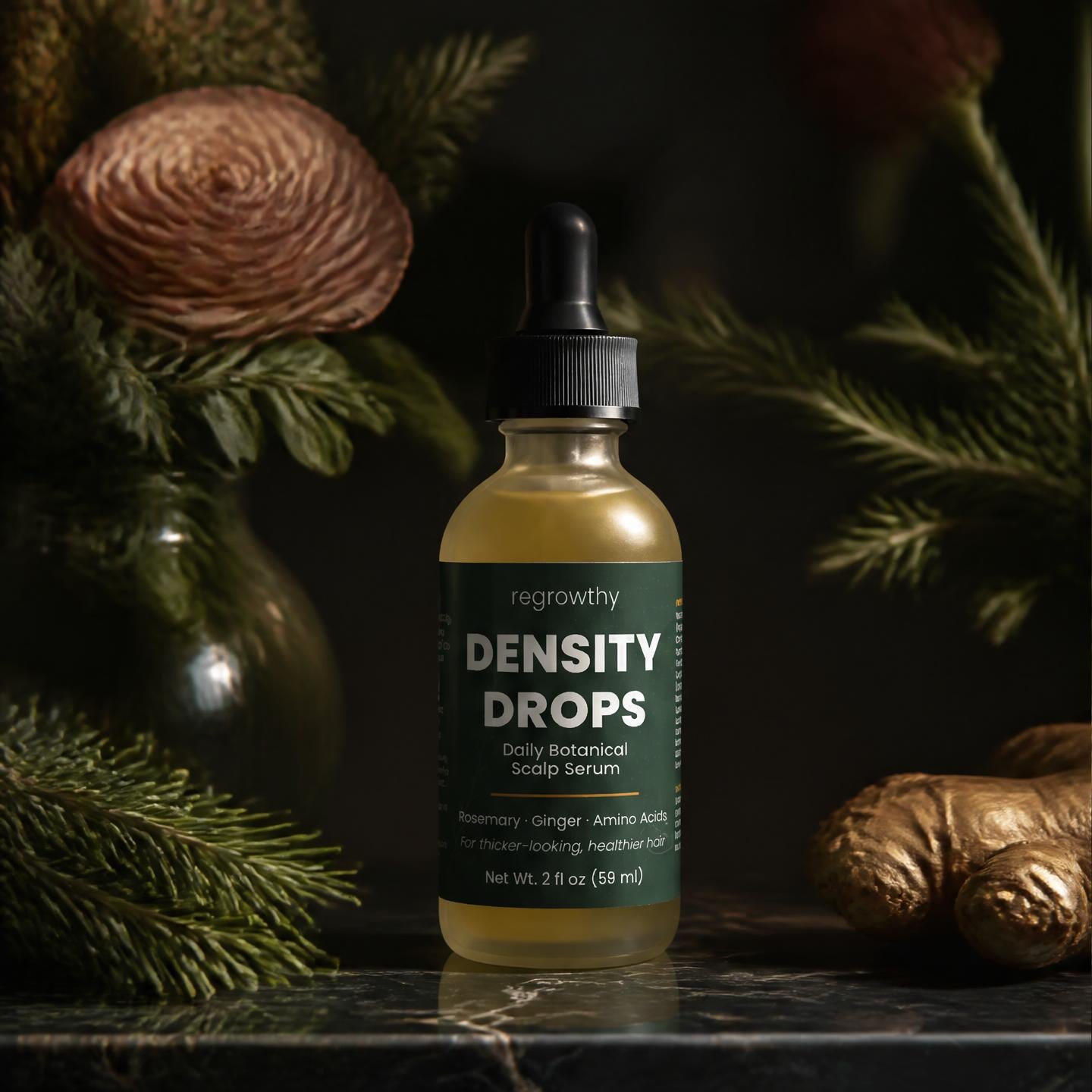
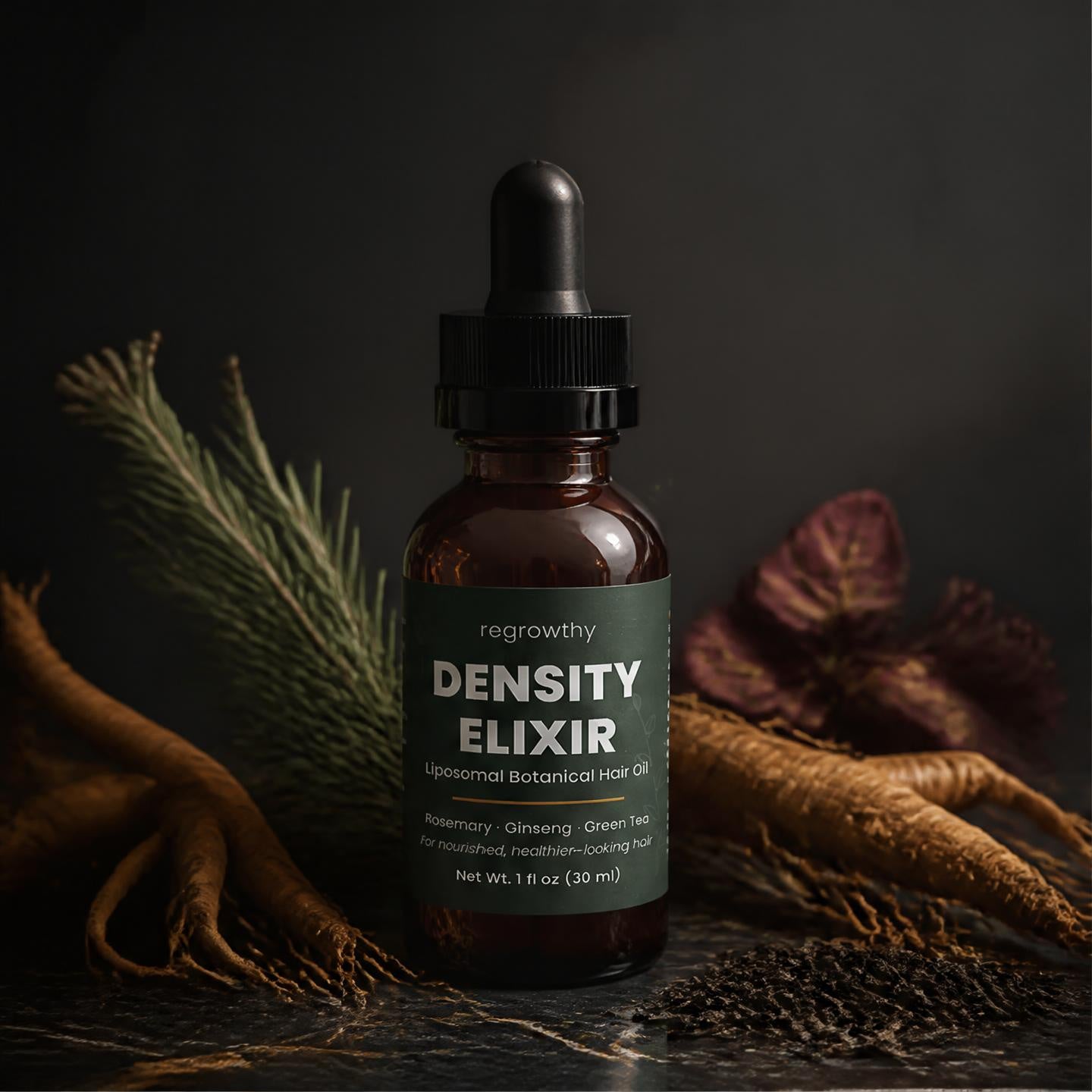
Because hair loss is rarely caused by just one factor, DHT sensitivity, poor scalp circulation, and nutrient gaps often overlap, many people get better results from combining formats than from relying on a single pill or serum. A device like the Laser Therapy Cap addresses circulation and cellular energy at the scalp, while an oral supplement such as Density Drops can support the hair growth cycle from the inside, supplying nutrients that a topical product simply isn't built to deliver.
This kind of multi-modal approach mirrors how dermatologists often think about hair loss treatment generally: address the process from more than one angle rather than pinning everything on a single mechanism. If you're curious about how a light-based device and a daily supplement routine work together in practice, this guide on combining laser therapy with supplements walks through what a combined routine actually looks like week to week.
Choosing the Right Format for Your Situation
There's no single format that's correct for everyone, but a few honest questions can point you toward the right starting point. How consistent are you, realistically, with a twice-daily scalp routine? Are you comfortable with a treatment that works throughout your entire body, or would you rather keep the effect localized to your scalp? Do you have access to, and comfort with, a telehealth prescription, or would you rather start with a non-prescription option today?
Budget and long-term cost also factor into the decision, since prescription oral medications typically involve ongoing consultation fees on top of the medication itself, while non-prescription topical devices and supplements are usually a flatter, more predictable cost over time. If cost is a major part of your decision, this breakdown of hair loss treatment costs compares what different approaches tend to run over a year of consistent use.
For a lot of people, the most realistic answer isn't purely topical or purely oral, it's a combination of the two, chosen deliberately rather than by accident. A non-prescription device paired with a daily supplement lets you address the scalp directly while also supporting hair growth nutritionally, without introducing the systemic exposure of a prescription drug.
Whatever combination you land on, the format matters less than the consistency behind it. A topical serum used sporadically will underperform an oral supplement taken every single day, and the reverse is just as true. Pick the format, or combination of formats, that fits realistically into your life, give it the months it actually needs to work, and adjust from there based on what your scalp, and your routine, can actually sustain.
From the routine
Mentioned in this article
Common questions
Frequently asked questions
Is a topical or oral hair loss treatment better for beginners?+
Do topical and oral treatments work at the same speed?+
Can I use a topical treatment and an oral supplement at the same time?+
Why do oral prescription hair loss medications require a doctor but topical devices don't?+
Which format has fewer side effects, pills or serums?+
How long should I try one format before switching to another?+
The Regrowthy System
Ready to start regrowing at home?
Hands-free. Non-prescription. 660nm clinical wavelength, backed by a 30-day guarantee.
Continue Reading
Treatment Guides
Hair Transplant vs. Non-Surgical Options: The Choice
12 min read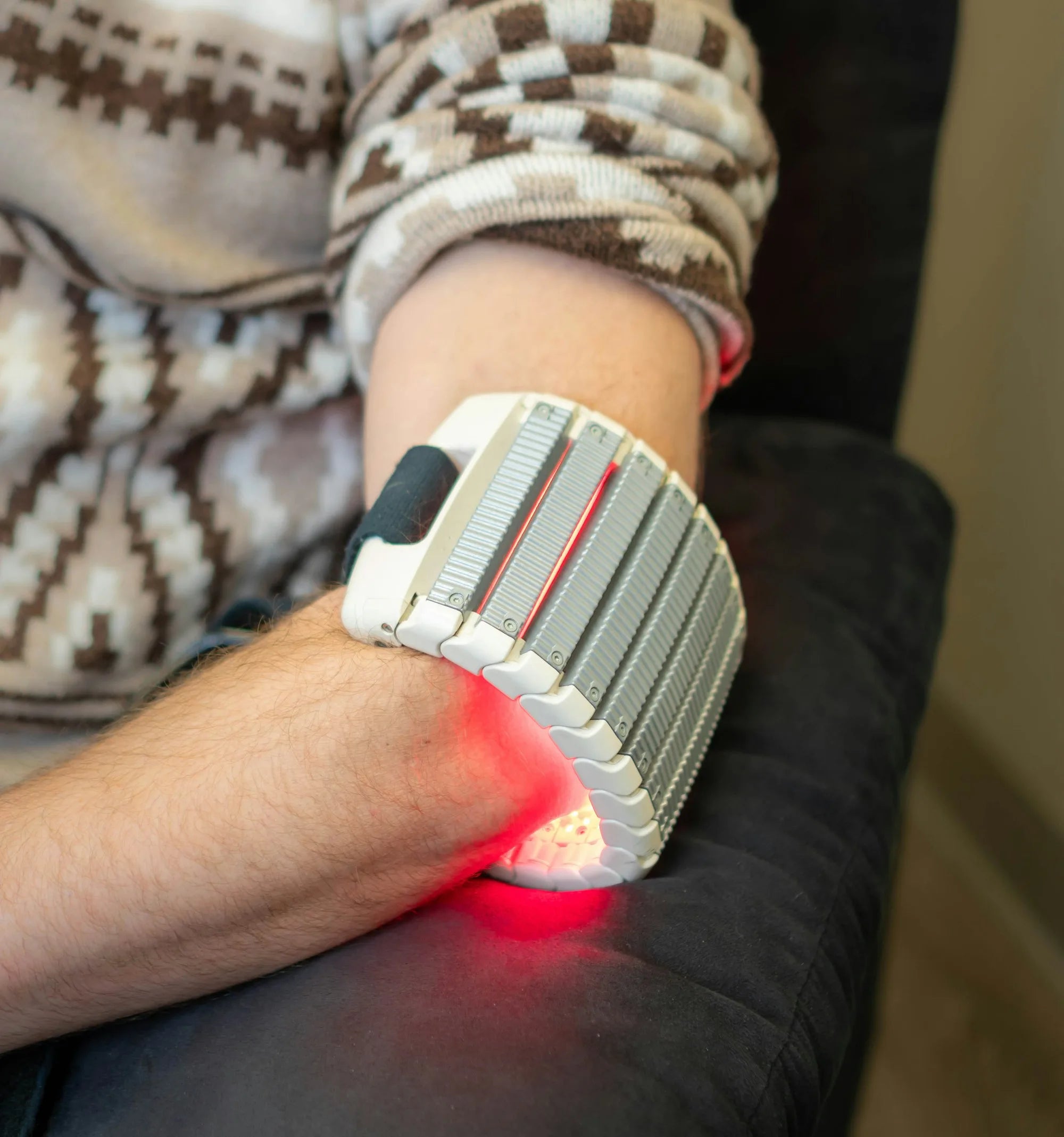
Treatment Guides
How to Use Laser Therapy for Hair Growth: Complete Guide
10 min read
Treatment Guides
Minoxidil vs. Red Light Therapy: Which Is Better?
12 min read
Treatment Guides