Treatment Guides
Minoxidil vs. Red Light Therapy: Which Is Better?
A head-to-head comparison of minoxidil and red light therapy for hair growth - effectiveness, side effects, cost, and which approach gives better long-term results.
Updated February 5, 2026

If you're researching hair loss treatments, two names come up constantly: minoxidil (the active ingredient in Rogaine) and red light therapy (photobiomodulation). Both have clinical evidence supporting their effectiveness, but they work through completely different mechanisms - and they differ dramatically in terms of side effects, convenience, long-term cost, and user experience. This guide breaks down everything you need to know to make an informed choice.
The short answer? Red light therapy offers comparable results to minoxidil without the messy application, ongoing costs, or concerning side effects. But let's dive into the details so you can judge for yourself.
Two Popular Treatments Compared
Minoxidil has been the go-to over-the-counter hair loss treatment since its FDA approval in 1988. It's widely available in 2% and 5% formulations as a liquid or foam applied directly to the scalp. Red light therapy, meanwhile, has gained significant momentum over the past decade as clinical research has validated its effectiveness for stimulating hair follicle activity.
Both treatments are FDA-cleared for hair loss (minoxidil as a drug, red light devices as medical devices), and both have peer-reviewed clinical evidence supporting their use. The key differences lie in how they work, their side-effect profiles, and the practical realities of daily use.
How Minoxidil Works
Minoxidil is a vasodilator - it widens blood vessels to increase blood flow to hair follicles. Originally developed as a blood pressure medication, hair growth was discovered as a side effect. Its exact mechanism for hair growth isn't fully understood, but researchers believe it works through several pathways:
- Vasodilation: Increases blood flow to hair follicles, improving nutrient and oxygen delivery.
- Potassium channel opening: Activates potassium channels in follicle cells, potentially stimulating growth.
- Extended anagen phase: May prolong the active growth phase of the hair growth cycle.
- Prostaglandin upregulation: Increases prostaglandin E2, which is associated with hair growth stimulation.
While effective for many users, minoxidil comes with significant practical drawbacks that cause many men to discontinue use - a critical problem since stopping minoxidil causes all gained hair to fall out within 3-6 months.
How Red Light Therapy Works
Red light therapy at the 660nm wavelength works through photobiomodulation - using specific wavelengths of light to stimulate cellular function. When 660nm photons penetrate the scalp, they're absorbed by cytochrome c oxidase in the mitochondria of hair follicle cells, triggering a cascade of beneficial effects:
- ATP production boost: Increases cellular energy by up to 200%, fueling cell division and hair shaft production.
- Nitric oxide release: Improves blood flow naturally through vasodilation without pharmaceutical intervention.
- Growth factor stimulation: Upregulates VEGF, HGF, and IGF-1 - growth factors critical for follicle cycling.
- Anti-inflammatory effects: Reduces perifollicular inflammation that damages the growth environment.
- Stem cell activation: Helps activate hair follicle stem cells to re-enter the growth phase.
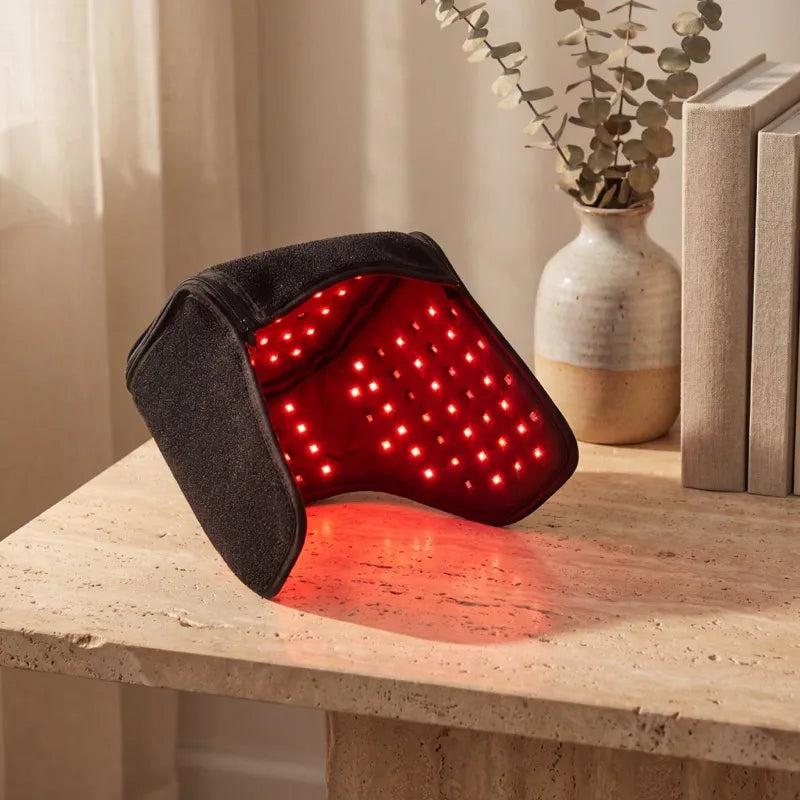
The key advantage is that red light therapy works at the cellular level without introducing any chemical into your body. There are no systemic effects, no messy applications, and no dependency - making it a fundamentally different approach to hair restoration. Full-coverage LED caps with 200+ diodes provide consistent treatment across the entire scalp.
Effectiveness: Head-to-Head Comparison
Both treatments have substantial clinical evidence. Here's how they compare:
| Metric | Minoxidil 5% | Red Light Therapy (660nm) |
|---|---|---|
| Hair count increase | 18-26% over 24 weeks | 25-40% over 16-24 weeks |
| Time to visible results | 3-6 months | 2-4 months |
| Clinical evidence level | Strong (40+ years) | Strong (growing rapidly) |
| Works for crown thinning | Yes (primary use) | Yes (full scalp) |
| Works for hairline | Limited | Yes (full coverage) |
A 2014 meta-analysis published in Lasers in Surgery and Medicine (PMID: 24474647) found that LLLT produced statistically significant increases in hair density across 11 randomized controlled trials. Meanwhile, minoxidil's efficacy data, while well-established, shows that roughly 40% of users see meaningful regrowth while 60% see only stabilization or minimal improvement.
Side Effects and Safety
This is where the two treatments diverge most dramatically:
Minoxidil Side Effects
- Scalp irritation: Affects 20-30% of users - itching, flaking, dryness, and redness at application site.
- Initial shedding phase: Many users experience increased hair loss during the first 2-8 weeks ("dread shed") as follicles reset.
- Unwanted facial hair: Liquid minoxidil can drip onto the face, causing unwanted hair growth on cheeks and forehead.
- Dependency: All hair gained from minoxidil falls out within 3-6 months of stopping. You must use it forever to maintain results.
- Cardiovascular effects: In rare cases, systemic absorption can cause heart palpitations, dizziness, and fluid retention.
- Greasy, messy application: Liquid formulations leave hair greasy and sticky. Must air-dry completely.
Red Light Therapy Side Effects
- None reported: Clinical studies have found no significant adverse effects from therapeutic red light exposure.
- No shedding phase: Red light therapy doesn't cause an initial shedding period.
- No dependency: While consistent use is recommended for ongoing results, discontinuing doesn't cause rapid hair loss.
- No systemic effects: Light energy stays local - no cardiovascular, hormonal, or other body-wide effects.
💡Key Difference
Minoxidil creates dependency - stop using it and you lose all gained hair. Red light therapy supports your follicles' natural function without creating this dependency cycle. This alone makes many men choose LED therapy as their primary treatment.
Cost and Convenience Comparison
| Factor | Minoxidil | LED Therapy Cap |
|---|---|---|
| Monthly cost | $15-40/month (ongoing forever) | One-time purchase |
| 3-year total cost | $540-$1,440 | $289.99 (one-time) |
| Application time | 5-10 min (messy, must air-dry) | 15-20 min (hands-free) |
| Frequency | 2x daily | 3-4x weekly |
| Can multitask? | No (wet scalp) | Yes (work, read, relax) |
The convenience factor is significant. Minoxidil requires twice-daily application with wet, messy scalp that takes 20-30 minutes to air-dry. Many men report that this routine becomes so burdensome that they quit - and lose all progress. LED therapy caps are hands-free: put it on, do something else for 15-20 minutes, take it off. The Regrowthy Laser Therapy Cap features a built-in timer so you don't even have to watch the clock.
The Verdict: Which Should You Choose?
For most men, red light therapy offers the better overall package: comparable or superior effectiveness, zero side effects, one-time cost, hands-free convenience, and no dependency. It addresses hair loss at the cellular level by increasing mitochondrial energy production - a fundamentally healthier approach than applying a chemical vasodilator twice daily for life.
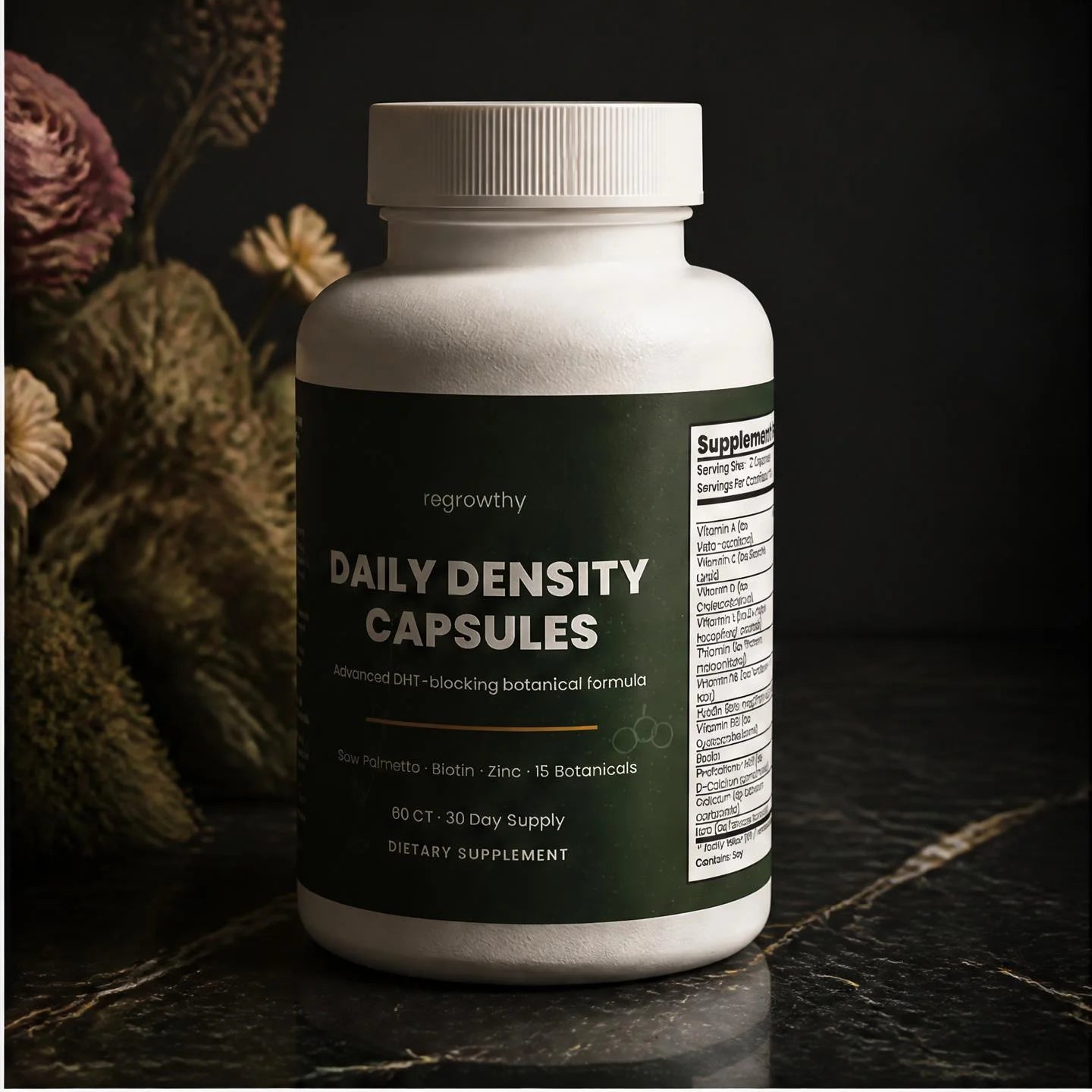
However, the most effective approach isn't choosing one or the other - it's combining LED therapy with other complementary treatments that work through different mechanisms. When you pair red light therapy with laser therapy (which releases growth factors) and caffeine-based laser caps (which block DHT topically), the synergistic effects multiply results far beyond what any single treatment achieves alone.
This multi-modal approach - LED therapy + laser therapy + topical DHT blockers - is the foundation of the Regrowthy Laser Therapy Cap. It provides clinical-grade results without the mess, dependency, or side effects of minoxidil. Professional protocols use multiple modalities, not one magic product - and now you can bring that same approach home.
From the routine
Mentioned in this article
Common questions
Frequently asked questions
Can I use minoxidil and red light therapy together?+
What happens if I stop using minoxidil?+
Is red light therapy FDA-approved for hair loss?+
Which treatment works faster?+
The Regrowthy System
Ready to start regrowing at home?
Hands-free. Non-prescription. 660nm clinical wavelength, backed by a 30-day guarantee.
Continue Reading
Hair Loss Science
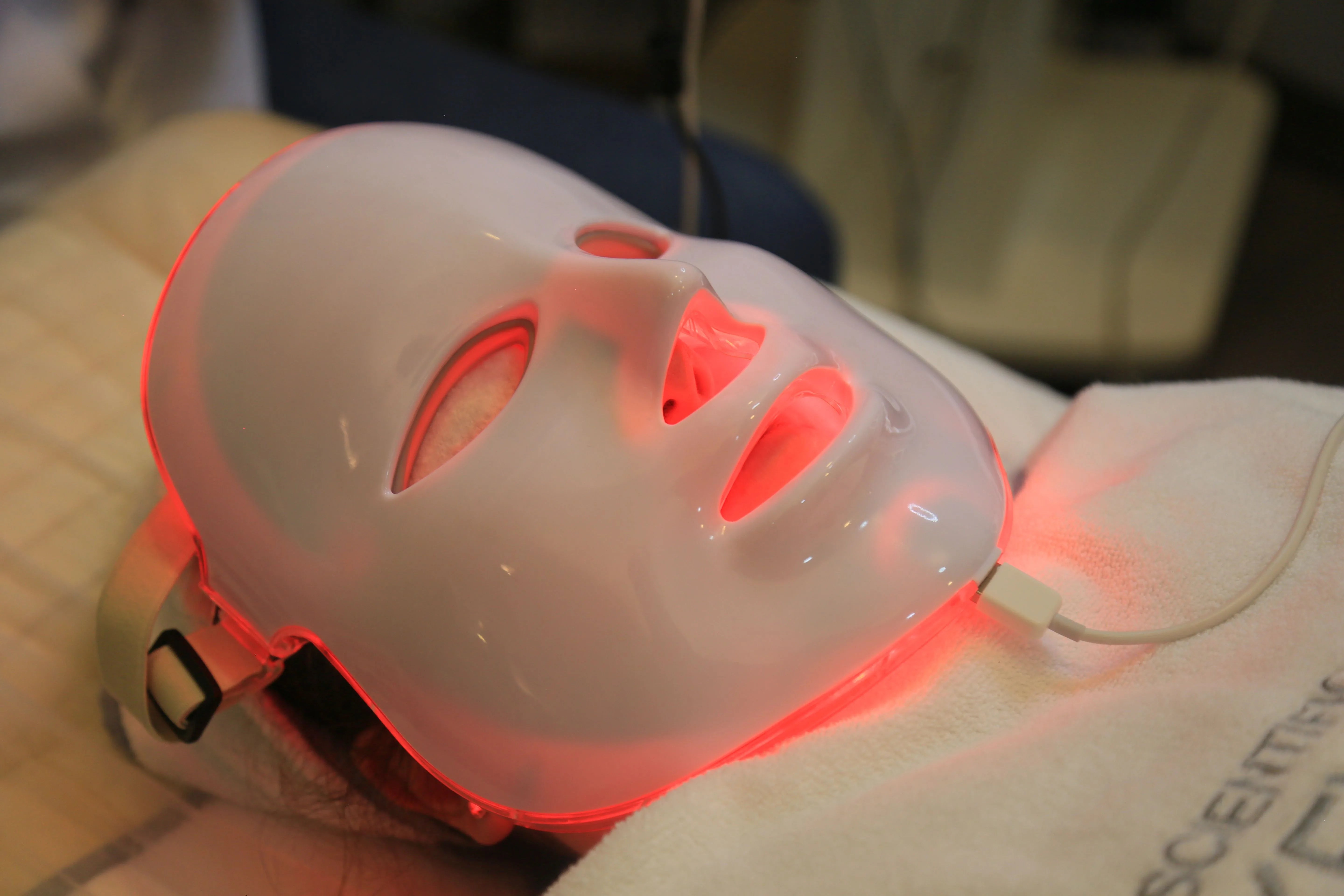
Red Light Therapy for Hair Growth: The 660nm Science
11 min read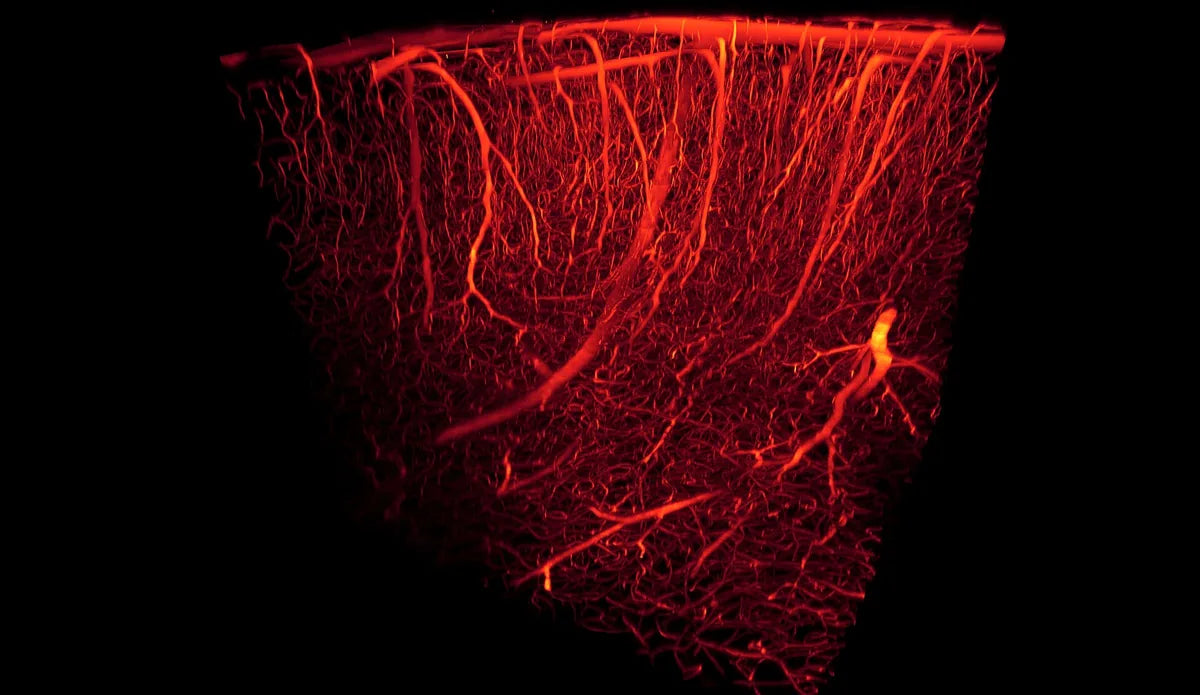
Advanced Science
Nitric Oxide and Scalp Blood Flow: Vascular Keys to Hair Growth
7 min read
Treatment Guides
Multi-Modal Hair Loss Treatment: Why Combining Works Best
11 min read
Hair Loss Science