Advanced Science
The Scalp Microbiome: How Bacteria and Fungi Affect Hair Growth
Your scalp is home to millions of microorganisms - and their balance directly impacts hair health. Understanding the scalp microbiome is an emerging frontier in hair loss science.
Updated January 25, 2026
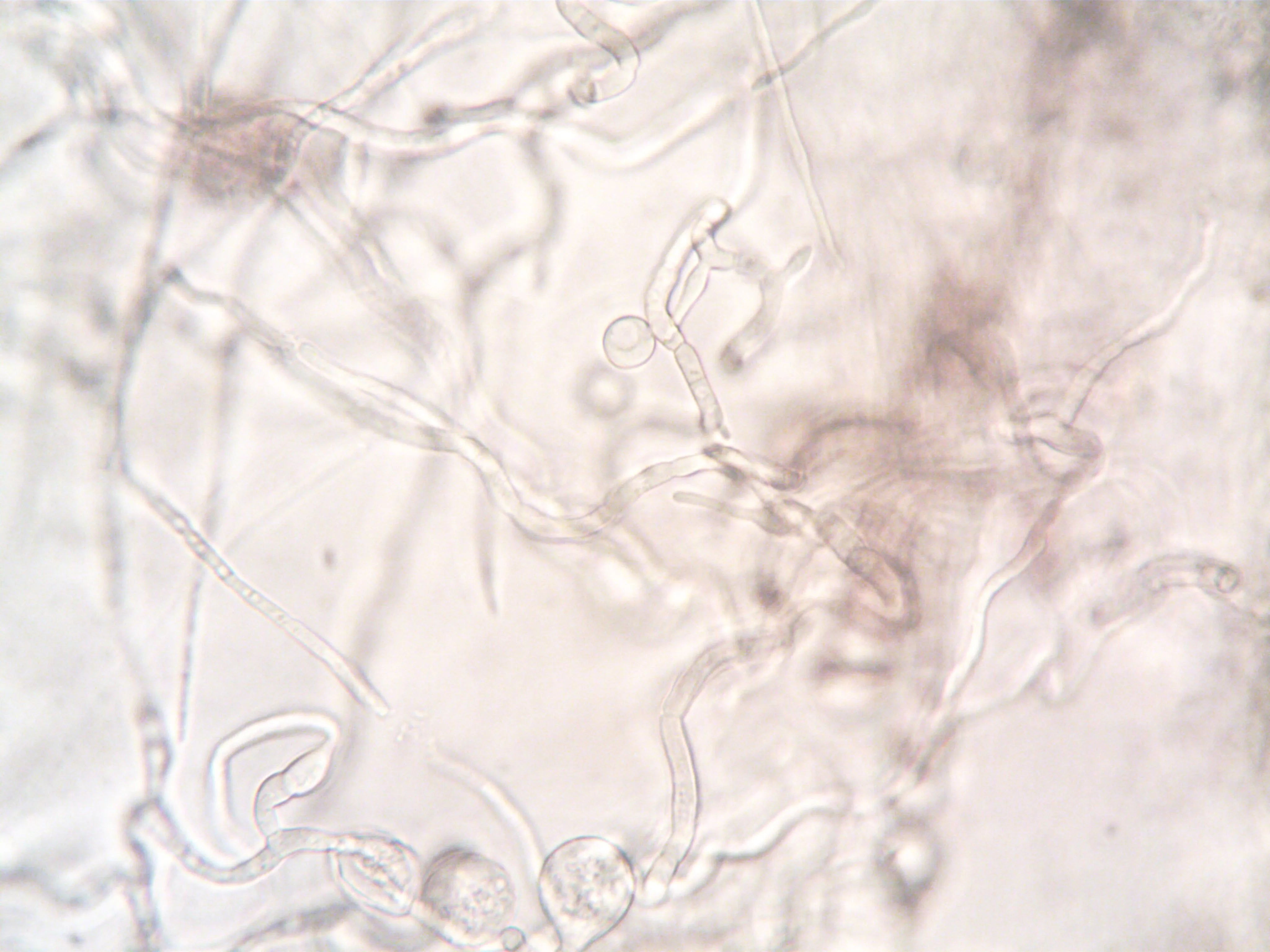
Just as gut microbiome research has revolutionized digestive health, scalp microbiome research is revealing surprising connections between the microorganisms living on your scalp and the health of your hair follicles.
What Is the Scalp Microbiome?
Your scalp hosts a diverse community of bacteria (primarily Cutibacterium and Staphylococcus species) and fungi (dominated by Malassezia). In healthy scalps, these organisms exist in balance, contributing to scalp immunity and barrier function. The composition varies by individual and is influenced by genetics, diet, hygiene practices, and environment.
How the Microbiome Affects Hair
- Inflammation regulation: A balanced microbiome helps regulate scalp inflammation. Chronic low-grade inflammation (microinflammation) around follicles is now recognized as a contributing factor in androgenetic alopecia.
- Barrier function: Healthy microbiota maintain the scalp's acid mantle and moisture barrier, creating an optimal environment for follicle function.
- Immune modulation: Scalp microorganisms interact with local immune cells, potentially influencing conditions like alopecia areata where immune dysregulation attacks follicles.
- Sebum metabolism: Bacteria and fungi metabolize sebum, producing compounds that can either support or harm follicle health depending on the species balance.
When the Balance Is Off: Scalp Dysbiosis
Dysbiosis (microbial imbalance) is linked to seborrheic dermatitis, dandruff, folliculitis, and potentially accelerated hair thinning. Factors that disrupt balance include harsh shampoos that strip beneficial bacteria, antibiotic use, excessive heat styling, and poor diet. Research shows that people with AGA have different scalp microbiome compositions compared to those without hair loss.
Supporting Your Scalp Microbiome
- Gentle cleansing: Use shampoos with ketoconazole to manage pathogenic fungi while avoiding stripping beneficial organisms.
- Avoid over-washing: Daily harsh washing disrupts microbiome balance. Cleanse 3-4 times per week unless medically indicated.
- Prebiotic ingredients: Some modern haircare products include prebiotic compounds that selectively nourish beneficial scalp bacteria.
- Diet: An anti-inflammatory diet rich in omega-3s and fermented foods supports both gut and skin microbiome health.
From the routine
Mentioned in this article
Common questions
Frequently asked questions
Can probiotics help my scalp?+
Does dandruff mean my microbiome is off?+
Can my shampoo damage my scalp microbiome?+
Is the scalp microbiome different in bald areas?+
The Regrowthy System
Ready to start regrowing at home?
Hands-free. Non-prescription. 660nm clinical wavelength, backed by a 30-day guarantee.
Continue Reading
Conditions & Hair Types
Seborrheic Dermatitis and Hair Loss: Treatment and Prevention
8 min read
Hair Loss Science
The Hair Growth Cycle: Anagen, Catagen, Telogen
9 min read
Hair Loss Science
The Role of Scalp Health in Hair Growth
9 min read
Lifestyle & Wellness