Advanced Science
Nitric Oxide and Scalp Blood Flow: Vascular Keys to Hair Growth
Nitric oxide is a tiny molecule with massive implications for hair growth. It controls blood flow to follicles, and understanding it reveals why some treatments work - and how to optimize circulation.
Updated January 25, 2026
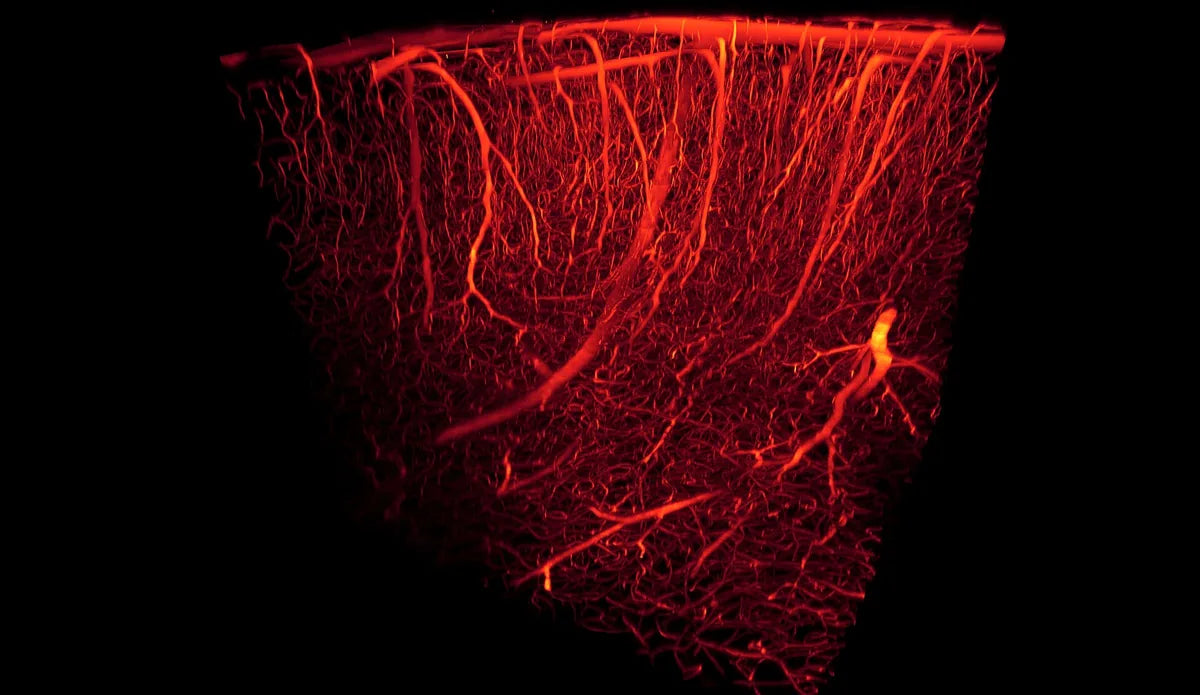
Nitric oxide (NO) is a signaling molecule produced by cells lining blood vessels. It causes vasodilation - relaxing and widening blood vessels to increase flow. For hair follicles, which depend entirely on blood supply for nutrients and oxygen, NO is a critical growth factor.
What Is Nitric Oxide?
NO is produced by an enzyme called nitric oxide synthase (NOS), which exists in several forms throughout the body. In the scalp, endothelial NOS (eNOS) in blood vessel walls and inducible NOS (iNOS) in follicle cells both play roles. NO has a very short half-life (seconds) and acts locally, making it a targeted signaling molecule.
Nitric Oxide's Role in Hair Growth
- Blood flow delivery: NO relaxes smooth muscle in perifollicular blood vessels, increasing delivery of oxygen, glucose, amino acids, and growth factors to the follicle.
- Anagen prolongation: Studies show NO helps maintain the anagen (growth) phase. Follicles with higher NO availability tend to have longer growth cycles.
- Anti-inflammatory effects: At physiological levels, NO has anti-inflammatory properties that protect against follicular microinflammation.
- Minoxidil's mechanism: Minoxidil works partly as an NO donor - it opens potassium channels and increases local NO production. This is one reason it promotes blood flow and stimulates growth.
How Hair Treatments Boost NO
- LED therapy: Red light stimulates NO release from cytochrome c oxidase in mitochondria and from hemoglobin in blood cells. The laser therapy cap promotes both ATP production and NO release.
- Laser therapy: The wound-healing response triggered by laser therapy increases local NO production through iNOS activation, enhancing blood flow to treated areas.
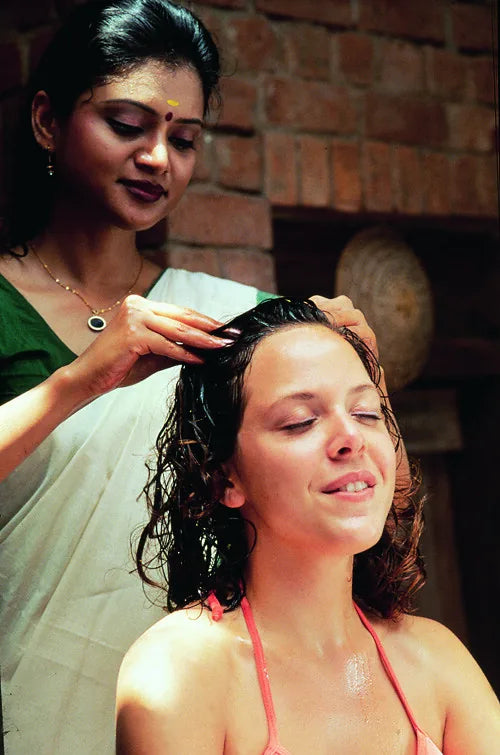
- Scalp massage: Mechanical stimulation of blood vessels promotes shear-stress-induced NO release from endothelial cells.
Natural Ways to Support NO Production
- Dietary nitrates: Beets, leafy greens, and pomegranate contain nitrates that the body converts to NO. Include these regularly in your diet.
- Exercise: Physical activity is one of the most effective NO boosters - exercise increases eNOS activity throughout the vascular system, including the scalp.
- L-arginine and L-citrulline: Amino acid precursors to NO production. Found in nuts, seeds, watermelon, and available as supplements.
- Avoid smoking: Smoking dramatically reduces NO production and damages blood vessels. Quitting is one of the single best things you can do for scalp circulation.
From the routine
Mentioned in this article
Common questions
Frequently asked questions
Is scalp blood flow really important for hair?+
Does minoxidil work through nitric oxide?+
Can I take NO supplements for hair?+
Why do some people have poor scalp circulation?+
The Regrowthy System
Ready to start regrowing at home?
Hands-free. Non-prescription. 660nm clinical wavelength, backed by a 30-day guarantee.
Continue Reading
Treatment Guides
Scalp Massage for Hair Growth: What the Science Says
8 min read
Advanced Science
Mitochondrial Function and Hair Follicle Health: The Energy Connection
7 min read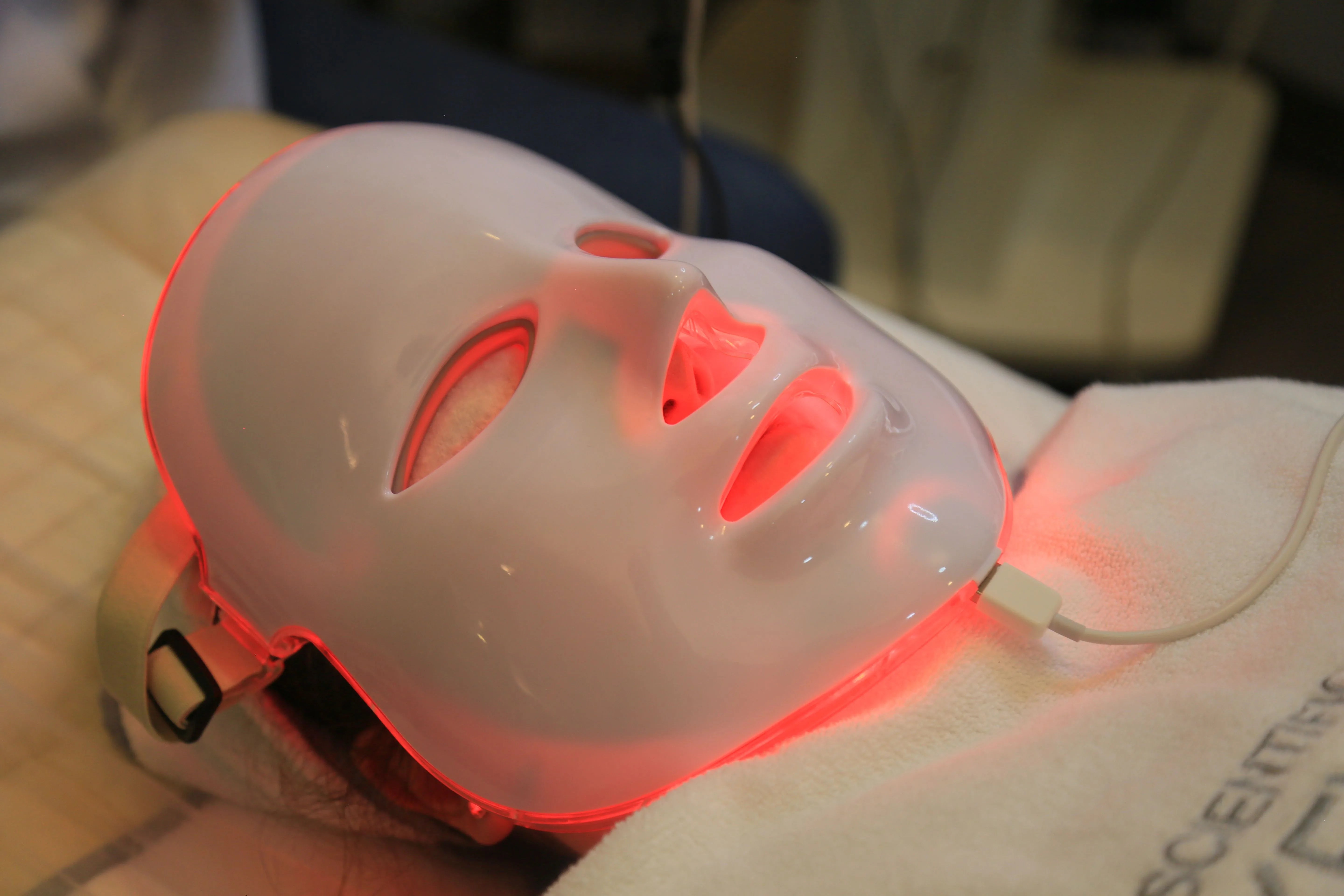
Hair Loss Science
Red Light Therapy for Hair Growth: The 660nm Science
11 min read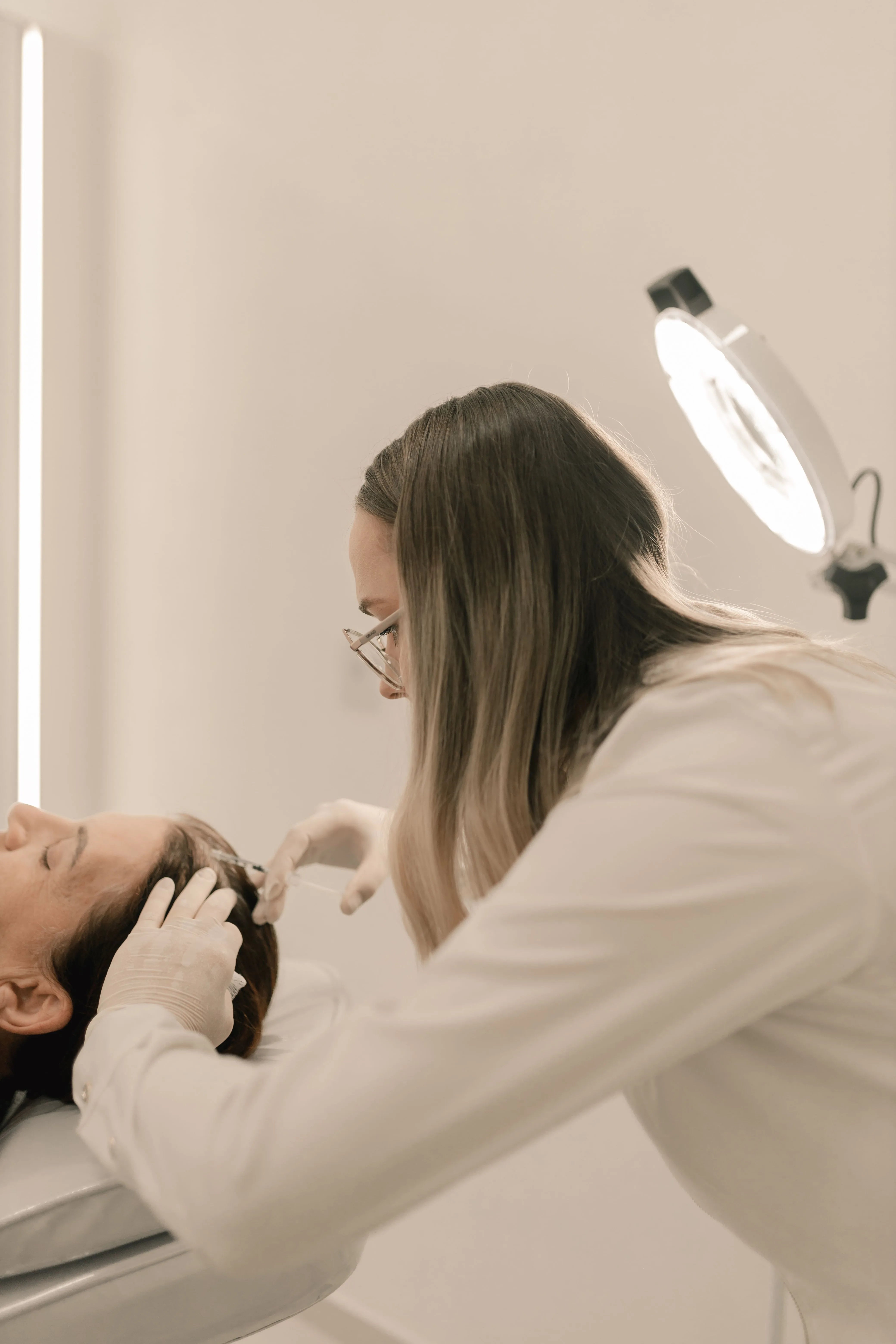
Hair Loss Science