Advanced Science
Mitochondrial Function and Hair Follicle Health: The Energy Connection
Hair follicles are among the most metabolically active structures in the body. When their energy production falters, so does your hair. Here's how mitochondria drive hair growth.
Updated January 30, 2026
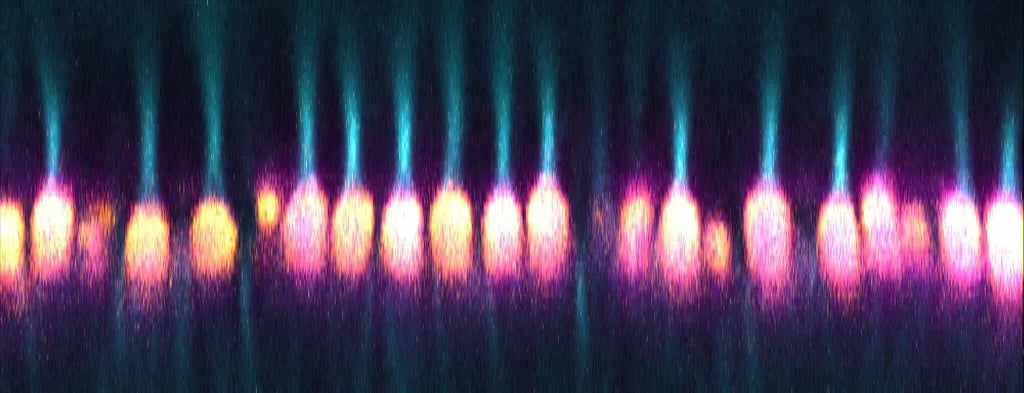
Hair follicle matrix cells divide every 23-72 hours during anagen - making them the second-fastest dividing cells in the body (after bone marrow). This extraordinary proliferation rate demands enormous amounts of cellular energy, supplied by mitochondria.
The Extraordinary Energy Demand of Hair Growth
Each growing follicle requires constant ATP (adenosine triphosphate) production to fuel protein synthesis, cell division, and pigment production. The anagen phase is an energy-intensive process - and anything that reduces cellular energy availability can impair hair growth, even if all other conditions are favorable.
Mitochondria: The Follicle's Power Plants
- ATP production: Mitochondria convert nutrients into ATP through oxidative phosphorylation. Hair follicle cells are packed with mitochondria to meet their energy needs.
- Reactive oxygen species (ROS): Mitochondria also produce ROS as a byproduct. At low levels, ROS serve as signaling molecules. At high levels, they cause oxidative damage to proteins, lipids, and DNA.
- Apoptosis regulation: Mitochondria control programmed cell death. Dysfunction can trigger premature catagen (regression phase), shortening growth cycles.
- Age-related decline: Mitochondrial function naturally decreases with age, which is one factor in age-related hair thinning.
When Mitochondrial Energy Fails
Research shows that hair follicles in balding areas have reduced mitochondrial function and increased oxidative stress compared to non-balding areas. DHT may contribute to this by disrupting mitochondrial membrane potential. The result: less energy for growth, more oxidative damage, shorter cycles, thinner hairs.
Supporting Mitochondrial Function for Hair Growth
- LED therapy: Red and near-infrared light is absorbed by cytochrome c oxidase in mitochondria, directly boosting ATP production by 50-200%. This is the primary mechanism by which the laser therapy cap stimulates hair growth.
- CoQ10: A key mitochondrial cofactor that decreases with age. Supplementation supports electron transport chain function.
- Antioxidants: Vitamins C, E, and selenium help neutralize excess mitochondrial ROS, protecting follicle cells from oxidative damage.
- Exercise: Regular physical activity stimulates mitochondrial biogenesis (creation of new mitochondria) throughout the body, including the scalp.
From the routine
Mentioned in this article


Common questions
Frequently asked questions
How does LED therapy affect mitochondria?+
Can CoQ10 supplements help my hair?+
Does aging affect hair mitochondria?+
Is oxidative stress a cause of hair loss?+
The Regrowthy System
Ready to start regrowing at home?
Hands-free. Non-prescription. 660nm clinical wavelength, backed by a 30-day guarantee.
Continue Reading
Hair Loss Science
Red Light Therapy for Hair Growth: The 660nm Science
11 min read
Hair Loss Science
The Hair Growth Cycle: Anagen, Catagen, Telogen
9 min read
Advanced Science
Wnt Signaling and Hair Growth: The Molecular Switch
9 min read
Lifestyle & Wellness