Treatment Guides
Minoxidil: The Complete Guide to How It Works and What to Expect
Minoxidil is the world's most used hair loss treatment, but few people understand why it takes months to work or why hair sheds before it grows back. Here is the complete guide.
Updated July 1, 2026
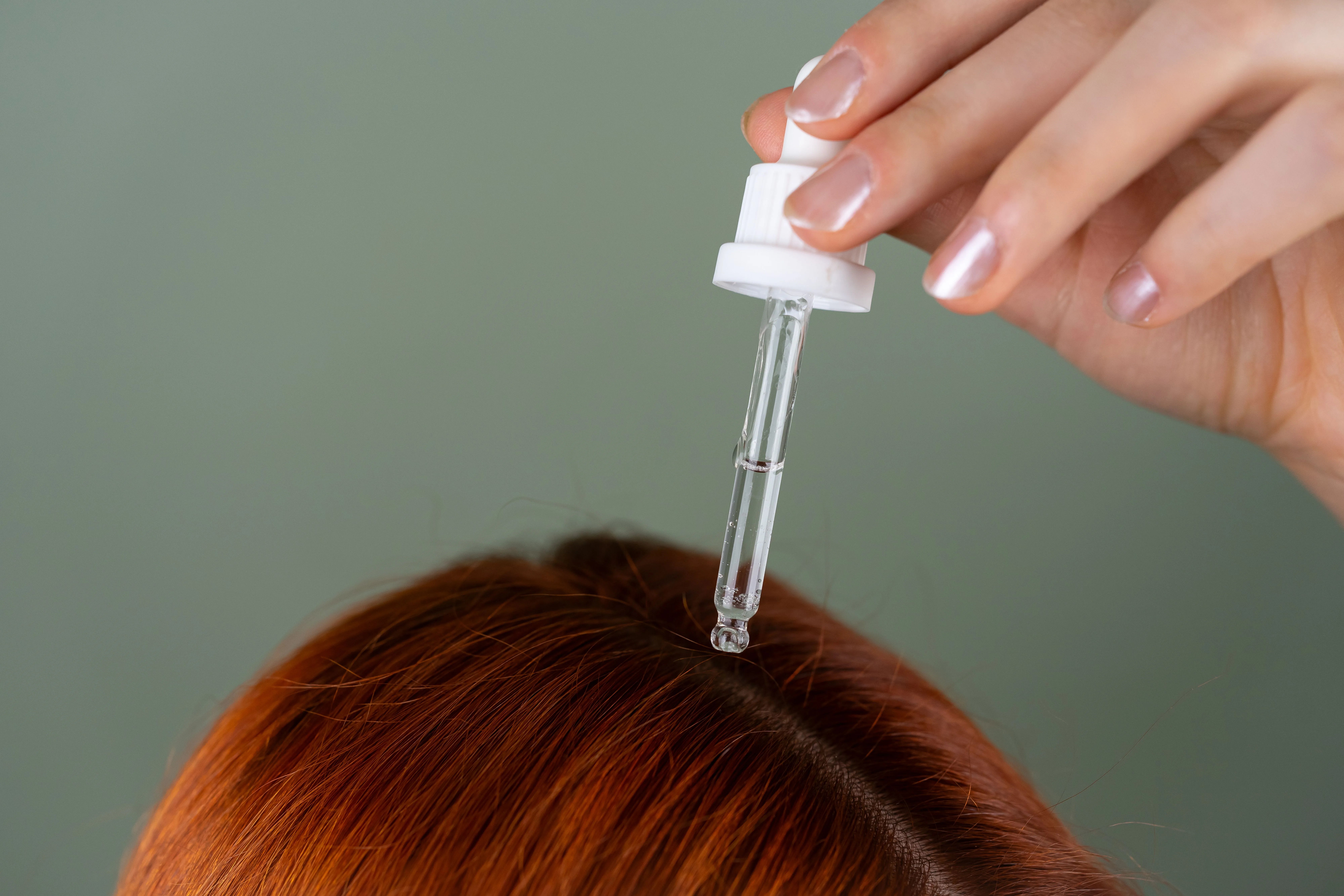
Minoxidil is the most widely used over-the-counter hair loss treatment in the world, and it is also one of the most misunderstood. Millions of people apply it every day, yet most could not tell you why it takes months to show anything, why hair sometimes falls out more before it grows back, or what it is actually doing to the scalp. This complete guide to minoxidil breaks down the mechanism, the realistic timeline, and the side effects worth knowing, so you can use it with informed expectations instead of just hoping for the best.
Minoxidil did not start out as a hair loss treatment at all. It was originally developed as an oral medication for high blood pressure. Doctors noticed that patients taking it grew unexpected hair on their bodies and scalps, and that side effect eventually became the main event. Today it is sold as a topical foam or liquid applied directly to the scalp, and more recently as a low-dose oral pill prescribed off-label by some telehealth providers. Understanding how it actually works makes the rest of the picture, the timeline, the shedding, the side effects, much easier to interpret correctly.
How Minoxidil Works
Minoxidil is a vasodilator, meaning it widens blood vessels. When applied to the scalp, the leading theory is that it increases blood flow to hair follicles, delivering more oxygen and nutrients to cells that need them to produce hair. Dermatology research also points to minoxidil opening potassium channels in follicle cells, which appears to influence how those cells behave during the growth cycle. The exact biological chain of events is still not completely mapped out, but the practical effect is well documented: minoxidil shortens the resting phase of the hair cycle and extends the active growth phase.
Every hair on your scalp cycles through three phases. Anagen is the active growth phase, which can last years for a healthy follicle. Catagen is a short transitional phase. Telogen is the resting phase, after which the hair sheds to make room for a new one. In hair loss conditions like androgenetic alopecia, follicles spend less time in anagen and more time in telogen with each cycle, and the hairs they produce get progressively finer and shorter. Minoxidil appears to push follicles back toward longer anagen phases, which is why hair that was miniaturizing can start producing thicker, longer strands again over time.
This is an important distinction from how a lot of people think about the product. Minoxidil is not simply a topical stimulant that makes hair grow faster in a generic sense. It is working on the timing of the growth cycle itself, which is also why it needs sustained, consistent use to keep showing a benefit rather than a one-time fix.
Minoxidil and DHT: Two Separate Pathways
One of the most common points of confusion is assuming minoxidil works the same way as prescription options like finasteride. It does not. Most male and female pattern hair loss is driven at least in part by DHT, a byproduct of testosterone that binds to receptors in genetically sensitive follicles and gradually shrinks them. Finasteride works by blocking the enzyme that converts testosterone into DHT, reducing the hormonal pressure on those follicles.
Minoxidil does not touch DHT levels at all. It works purely on the vascular and cellular side of the growth cycle, independent of hormones. This is actually useful information rather than a limitation, because it means minoxidil and a DHT-focused approach are not competing with each other. They are addressing two different parts of the same problem, which is part of why so many hair loss protocols combine the two rather than picking one.
Key Point
Minoxidil does not lower DHT or change hormone levels in the body. It works by extending the hair growth cycle and improving blood flow to follicles, which is a completely separate mechanism from DHT-blocking treatments. Using both addresses two different causes of thinning at once, rather than duplicating the same effect.
Topical vs. Oral Minoxidil
The original and still most common form is topical minoxidil, applied as a foam or liquid directly to the scalp once or twice a day. This is the version available over the counter without a prescription, and it has the longest track record of use. Absorption is largely local to the scalp, though a small amount does enter the bloodstream, which is why side effects are usually mild and contained to the skin.
Low-dose oral minoxidil has become more common in recent years, typically prescribed off-label through telehealth dermatology services for people who find the topical version messy, irritating, or inconvenient to fit into a daily routine. Because it is taken as a pill, it bypasses the scalp application step entirely, but it also means the medication moves through the entire bloodstream rather than acting locally. That systemic exposure is why oral minoxidil carries a somewhat different side effect profile, including a higher chance of unwanted hair growth elsewhere on the body and, in some cases, effects on heart rate or blood pressure. If you are weighing which delivery method or category of treatment fits your situation, this comparison of topical versus oral hair loss treatments goes into more depth on how the two categories differ beyond minoxidil specifically.
Neither form is inherently superior for everyone. Topical minoxidil is the FDA-approved, over-the-counter standard with decades of safety data behind it. Oral minoxidil is an off-label prescription option that some people find easier to stick with, which matters because consistency is the single biggest factor in whether minoxidil works at all.
The Minoxidil Results Timeline
Patience is the hardest part of using minoxidil, mostly because nothing about the early weeks feels encouraging. Here is a realistic month-by-month picture of what tends to happen:
- Weeks 1 to 4: Little to no visible change. Some users notice increased shedding starting around week two to four, which is discussed in more detail below.
- Months 2 to 3: Shedding, if it happens, typically tapers off. Fine, short vellus hairs may start appearing at the hairline or crown as follicles cycle back into an active growth phase.
- Months 4 to 6: Those fine hairs begin to thicken and lengthen. This is usually the first point where a difference is visible to the person using it, and sometimes to others.
- Months 6 to 12: Results typically build toward their peak, with continued thickening and reduced day-to-day shedding compared to baseline.
- Beyond 12 months: Results plateau at whatever level was achieved, and the ongoing job of minoxidil shifts from generating new growth to maintaining it.
Dermatology guidance generally recommends giving minoxidil a minimum of four to six months before drawing any conclusions about whether it is working, and a full year for the clearest picture. Judging it at six weeks, which is when many people give up, means judging it before it has had a realistic chance to do anything.
The Shedding Phase Explained
This is the part that scares people into quitting early, so it is worth explaining clearly. When minoxidil pushes follicles out of their resting phase and into active growth, it does so by nudging out the old resting hairs to make room for new ones. That means a temporary increase in shedding is not a sign minoxidil is failing. It is often a sign it is doing exactly what it is supposed to do.
This shedding phase typically starts within the first two to eight weeks of use and usually resolves within a few weeks to a couple of months. The hairs coming out were already on their way out on their own timeline, minoxidil is simply accelerating the turnover. Shedding that continues well past three or four months, or that seems unusually heavy relative to what is being described here, is worth mentioning to a dermatologist, since it could point to something unrelated to the normal adjustment period.
Knowing this in advance changes how people experience it. Someone who expects a shedding phase and understands why it happens is far more likely to stay consistent through it, which matters because stopping during this window is one of the most common reasons people never see minoxidil's actual results.
Minoxidil Side Effects
Minoxidil has a long safety record, but it is not side-effect free. The most common issues with topical use are localized to the scalp and skin:
- Scalp dryness, flaking, or itching, sometimes caused by propylene glycol in liquid formulations rather than the minoxidil itself. Foam versions tend to be better tolerated by sensitive skin.
- Contact dermatitis or redness at the application site in a subset of users.
- Unwanted hair growth on the forehead, temples, or face if the product spreads or drips beyond the intended area.
- The initial shedding phase described above, which is expected rather than a red flag on its own.
- Occasional lightheadedness or a faster than normal heart rate, more commonly reported with oral minoxidil due to its systemic absorption and its original role as a blood pressure medication.
People with known heart conditions, low blood pressure, or who are pregnant or breastfeeding should talk to a doctor before starting minoxidil in any form, and this is especially true for the oral version given how much more of the medication reaches the bloodstream. None of this is meant as medical advice, and anyone with existing health conditions or questions about interactions with other medications should check with a physician before beginning treatment.
Combining Minoxidil for Better Results
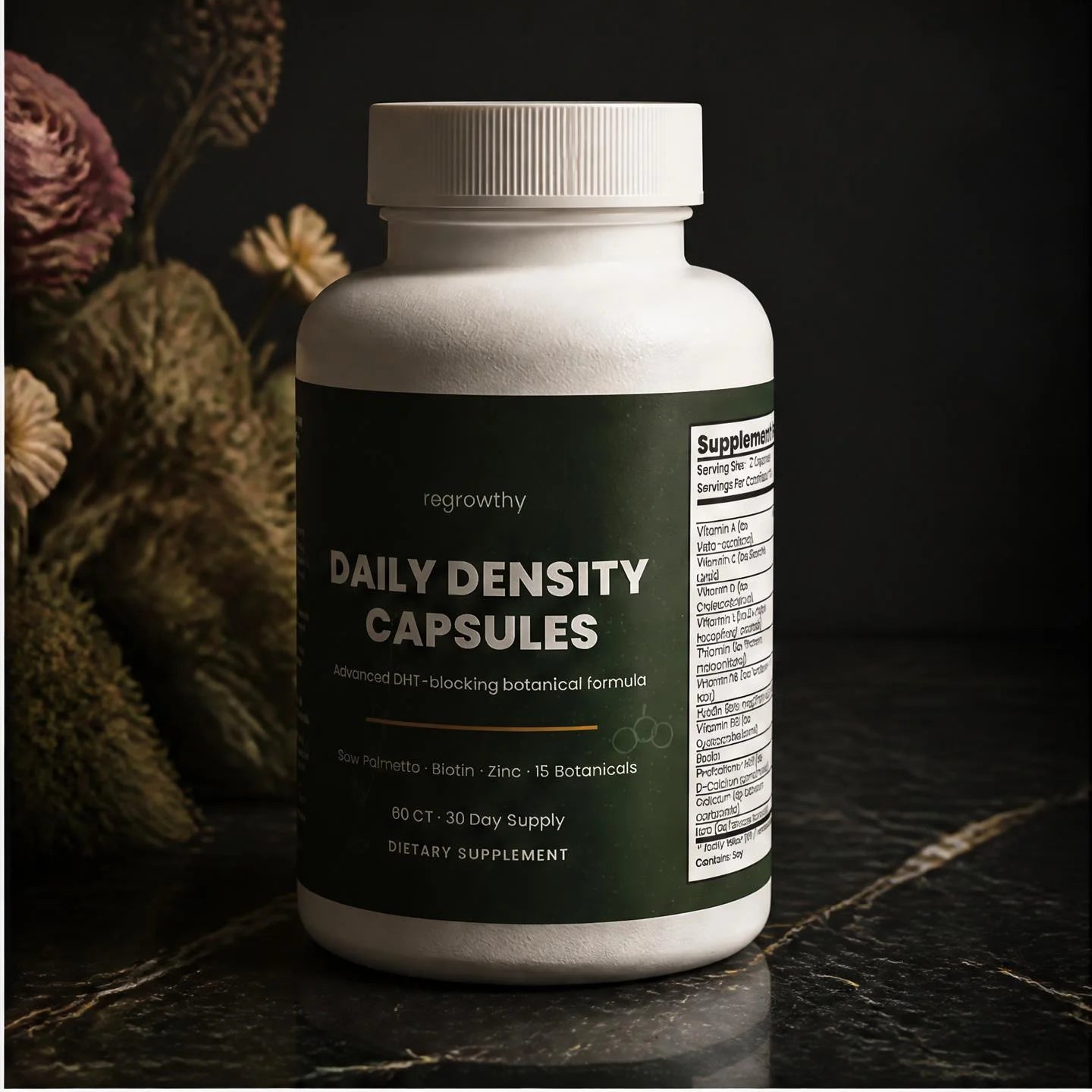
Because minoxidil works on the growth cycle rather than on hormones, it pairs naturally with approaches that target hair loss from a different angle instead of duplicating what it already does. People looking to address the DHT side of the equation alongside minoxidil sometimes look at prescription options, or at non-prescription approaches such as natural hair loss treatments that include ingredients like saw palmetto, which some research suggests may modestly interfere with DHT activity.
Light-based devices work through a completely different mechanism than minoxidil does, which is one reason they are often used alongside it rather than instead of it. A Laser Therapy Cap uses low-level red light, typically in the 660nm range, to stimulate cellular energy production inside hair follicles. Since it is not a topical solution or a systemic medication, there is no absorption overlap or interaction to worry about when using a device like this on the same routine as minoxidil.
Nutritional support is the other piece people often overlook. Hair follicles are metabolically demanding tissue, and deficiencies in key vitamins and minerals can blunt the results of any topical or oral treatment, minoxidil included. Formulas like Density Drops are built around delivering the nutrients follicles rely on during active growth phases, which can make sense as a complementary layer rather than a replacement for minoxidil's core mechanism.
The most important thing to understand about combining approaches is that minoxidil remains a maintenance therapy no matter what else is layered around it. Stopping use, even after months of solid results, typically leads to a return of shedding and a gradual loss of the gains within a few months, since the follicles revert to their prior cycle once the vascular and cellular support is removed. Whatever routine you build around minoxidil, the consistency of the minoxidil itself is what the rest of the routine depends on.
Minoxidil is not a miracle and it is not instant, but it is genuinely effective for a large share of the people who use it correctly and stick with it long enough to see the cycle turn over. Understanding what it is actually doing to your follicles, expecting the shedding phase instead of panicking at it, and giving it the four to six months it needs before judging the results are the difference between quitting on a treatment that was working and building a routine that keeps working for years.
From the routine
Mentioned in this article

Common questions
Frequently asked questions
How long does minoxidil take to start working?+
Why is my hair shedding more after starting minoxidil?+
What happens if I stop using minoxidil?+
Should I use minoxidil foam or liquid?+
Can minoxidil be used together with finasteride or other DHT-focused treatments?+
Does minoxidil work the same way for women as it does for men?+
The Regrowthy System
Ready to start regrowing at home?
Hands-free. Non-prescription. 660nm clinical wavelength, backed by a 30-day guarantee.
Continue Reading