Conditions & Hair Types
Hair Loss in Curly and Textured Hair: Special Considerations
Curly and textured hair faces unique hair loss challenges - from traction alopecia risks to styling damage. Here's how to protect your texture while fighting thinning.
Updated January 25, 2026
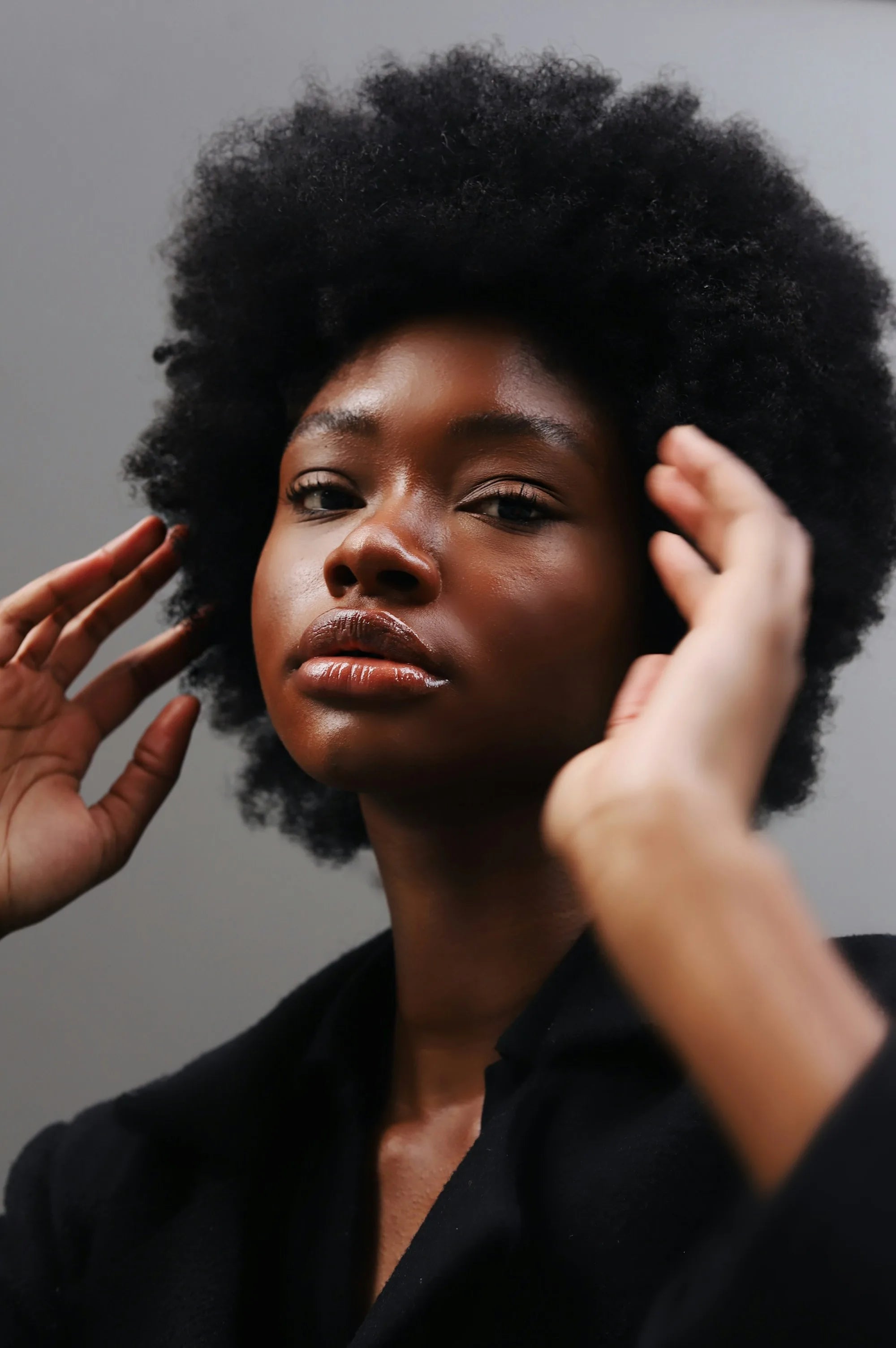
Curly, coily, and textured hair has unique structural properties that create both unique strengths and vulnerabilities when it comes to hair loss. Standard hair loss advice is often written with straight hair in mind - here's what textured hair specifically needs to know.
Unique Challenges for Textured Hair
- Shrinkage hides length: Tightly coiled hair can shrink 50-75% of its true length, making thinning harder to detect until it's more advanced.
- Structural fragility: The twist points in curly/coily hair are natural weak spots where breakage occurs more easily, which can mimic true hair loss.
- Dryness: The curl pattern makes it harder for natural scalp oils to travel down the hair shaft, creating dryer, more fragile hair.
- Chemical vulnerability: Relaxers, texturizers, and color treatments weaken the hair shaft, compounding any underlying thinning.
- Detection difficulty: The volume of curly hair can mask early thinning, delaying treatment initiation.
Traction Alopecia: The Biggest Risk
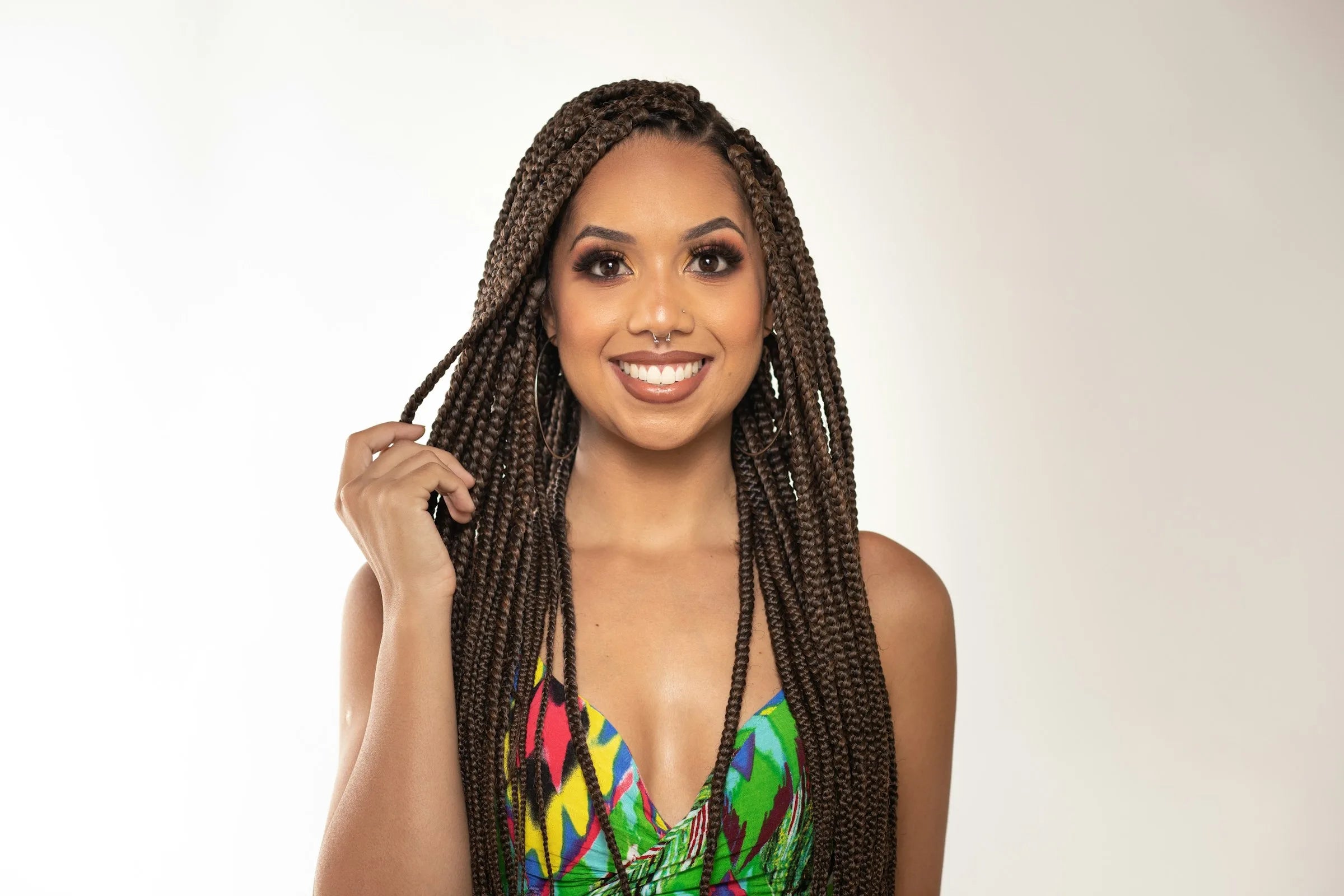
Traction alopecia disproportionately affects people with textured hair due to styling practices that place sustained tension on follicles: tight cornrows, box braids, extensions, sew-in weaves, and tight twists. The frontal hairline and edges are most vulnerable. Key prevention: alternate tight and loose styles, keep braids/locs loose at the hairline, don't leave protective styles in longer than 8 weeks, and never ignore pain or tenderness during styling.
Protective Styling Done Right
- Protective styles should genuinely protect - not create tension damage.
- Ensure braids/twists are installed loosely, especially at the hairline and nape.
- Use lightweight extensions to minimize pull.
- Take breaks between installations - 2+ weeks minimum.
- Maintain scalp care even while in protective styles.
- Moisturize hair and scalp during the protective period - don't neglect what's underneath.
Adapting Hair Loss Treatments
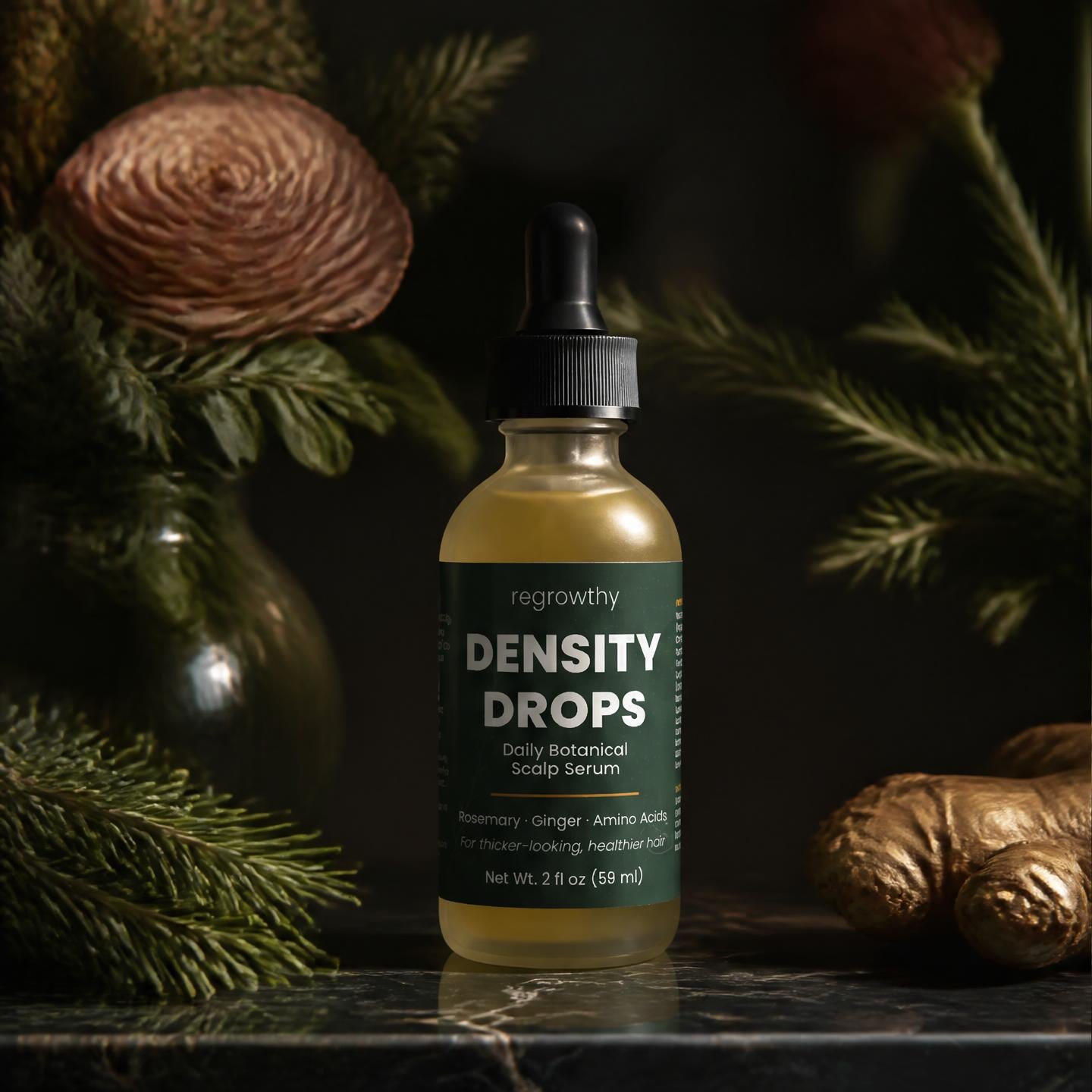
- Scalp access: Dense curly hair can make it harder to apply topical treatments directly to the scalp. Use parting sections, applicator tips, and dropper bottles for laser cap application.
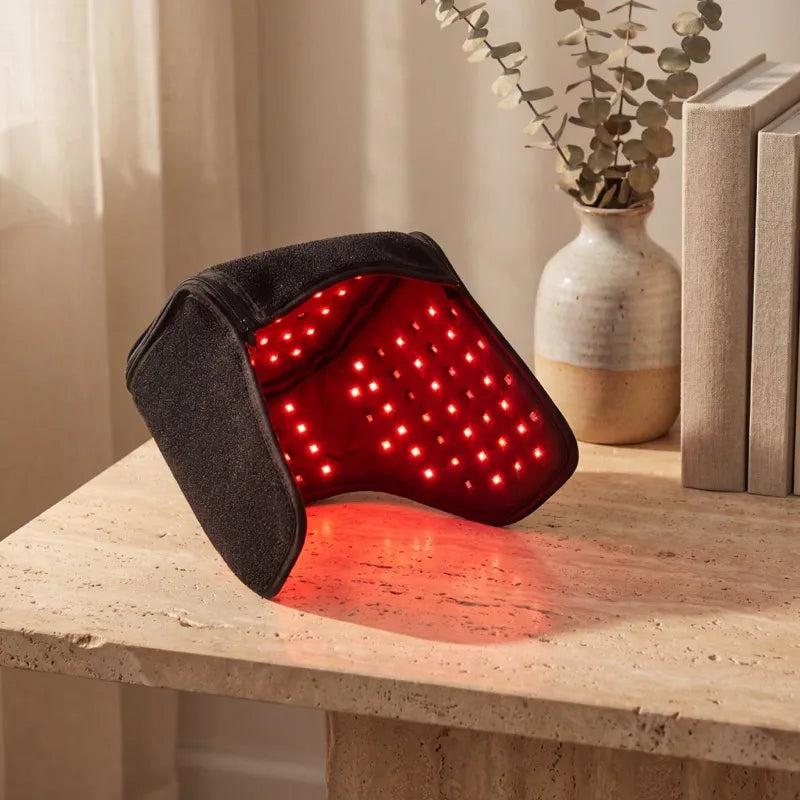
- Wash frequency: Textured hair often benefits from less frequent washing. Use our Laser Cap 2-3x weekly (vs. daily for straight hair).
- laser therapy: Thoroughly part the hair in sections to ensure the laser therapy contacts the scalp directly. Work in defined sections.
- LED therapy: LED caps work well with textured hair since the light penetrates through curls to the scalp. No adaptation needed.
- Supplements: Hair supplements work identically regardless of hair type - nutrition reaches follicles through the bloodstream.
From the routine
Mentioned in this article
Common questions
Frequently asked questions
Is breakage the same as hair loss?+
Should I stop wearing braids altogether?+
Do relaxers cause hair loss?+
Can textured hair use Regrowthy products?+
The Regrowthy System
Ready to start regrowing at home?
Hands-free. Non-prescription. 660nm clinical wavelength, backed by a 30-day guarantee.
Continue Reading
Conditions & Hair Types
Traction Alopecia: How Hairstyles Cause Permanent Hair Loss
8 min read
Lifestyle & Wellness
The Complete Scalp Care Guide for Optimal Hair Growth
8 min read
Lifestyle & Wellness
The Ultimate Hair Care Routine for Men Fighting Hair Loss
9 min read
Conditions & Hair Types