Conditions & Hair Types
Crown Thinning (Vertex Baldness): Causes, Stages, and Treatment
Crown thinning is the second most common pattern in male hair loss - often progressing silently since you can't see the top of your own head. Here's how to detect it early and treat it effectively.
Updated January 25, 2026
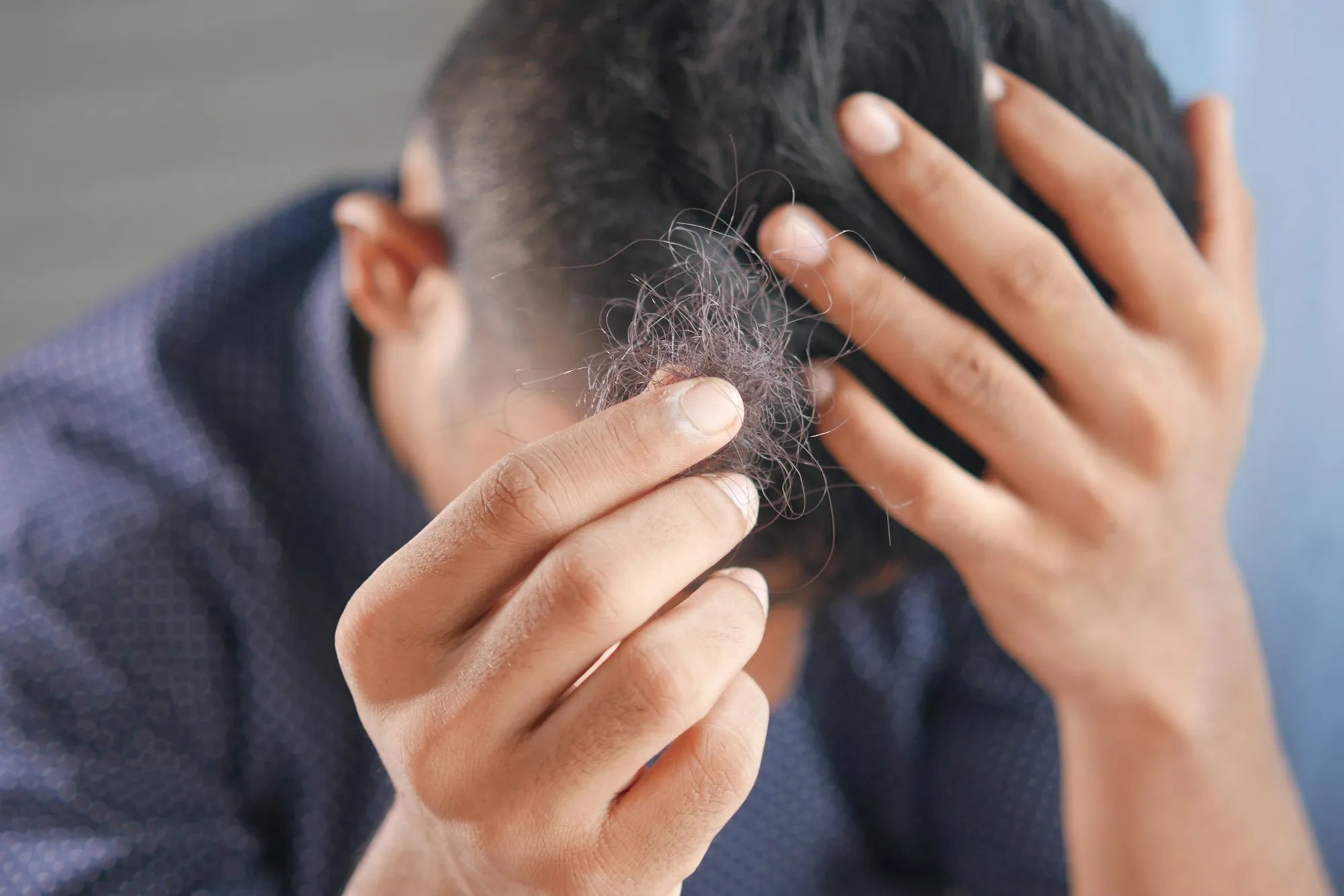
The crown (vertex) of the head is particularly susceptible to androgenetic alopecia. Because it's on the top and back of your head, crown thinning often progresses unnoticed until someone points it out or you see yourself on camera. This silent progression means many people miss the optimal treatment window.
Why the Crown Is Vulnerable
Like the frontal hairline, crown follicles express high levels of 5-alpha reductase and androgen receptors. DHT drives progressive follicle miniaturization in the vertex area, typically starting at the central whorl and expanding outward in a circular pattern. The crown and hairline often progress independently - some men lose the hairline first, others the crown, and many experience both simultaneously.
How to Detect Crown Thinning Early
- Two-mirror technique: Hold a hand mirror behind your head while facing a bathroom mirror to view the crown area. Do this monthly.
- Phone photos: Have someone take overhead photos of your crown monthly. Compare side by side over time.
- Sunlight/flash test: Strong overhead light reveals thinning before it's visible in normal lighting. If you see more scalp through direct light, miniaturization has begun.
- Wet hair test: When hair is wet, it clumps together and reveals the scalp underneath. If your crown shows significantly more scalp than the sides when wet, thinning is occurring.
Stages of Vertex Thinning
- Early: Slight widening of the natural whorl. Hair is beginning to miniaturize but overall coverage is maintained. Best treatment window.
- Moderate: Visible thinning area. Scalp is partially visible through shorter, thinner hairs. Coverage is decreasing. Treatment can significantly improve this stage.
- Advanced: Large bald or near-bald spot at the crown. Remaining hairs are highly miniaturized. Treatment can help but restoration is limited.
Treating Crown Thinning
The crown responds particularly well to treatment compared to the hairline - studies show higher regrowth rates at the vertex.
- Full-scalp coverage: The Laser Therapy Cap delivers optimal coverage to the crown. Clinical studies show the best results at the vertex.
- laser cap: Apply laser cap directly to the crown, parting hair to ensure scalp contact.
- laser therapy: Focus laser therapy sessions on the crown area for maximum laser therapy benefit.
- DHT blocking: Laser Cap and supplements with saw palmetto reduce DHT systemically and locally.
- Full system: The Regrowthy Laser Therapy Cap provides the multi-modal approach that produces the best crown regrowth results.
From the routine
Mentioned in this article


Common questions
Frequently asked questions
Does crown thinning always progress to baldness?+
Why does the crown thin but not the sides?+
Is a hair whorl the same as crown thinning?+
Can I regrow hair on my crown?+
The Regrowthy System
Ready to start regrowing at home?
Hands-free. Non-prescription. 660nm clinical wavelength, backed by a 30-day guarantee.
Continue Reading

Hair Loss Science
Understanding Male Pattern Baldness: The Complete Guide
12 min read
Conditions & Hair Types
Receding Hairline: Stages, Causes, and How to Stop It
9 min read
Hair Loss Science
How DHT Causes Hair Loss (And How to Block It)
11 min read
Treatment Guides