Female hair thinning and perimenopause
A widening part deserves a differential, not a dismissal.
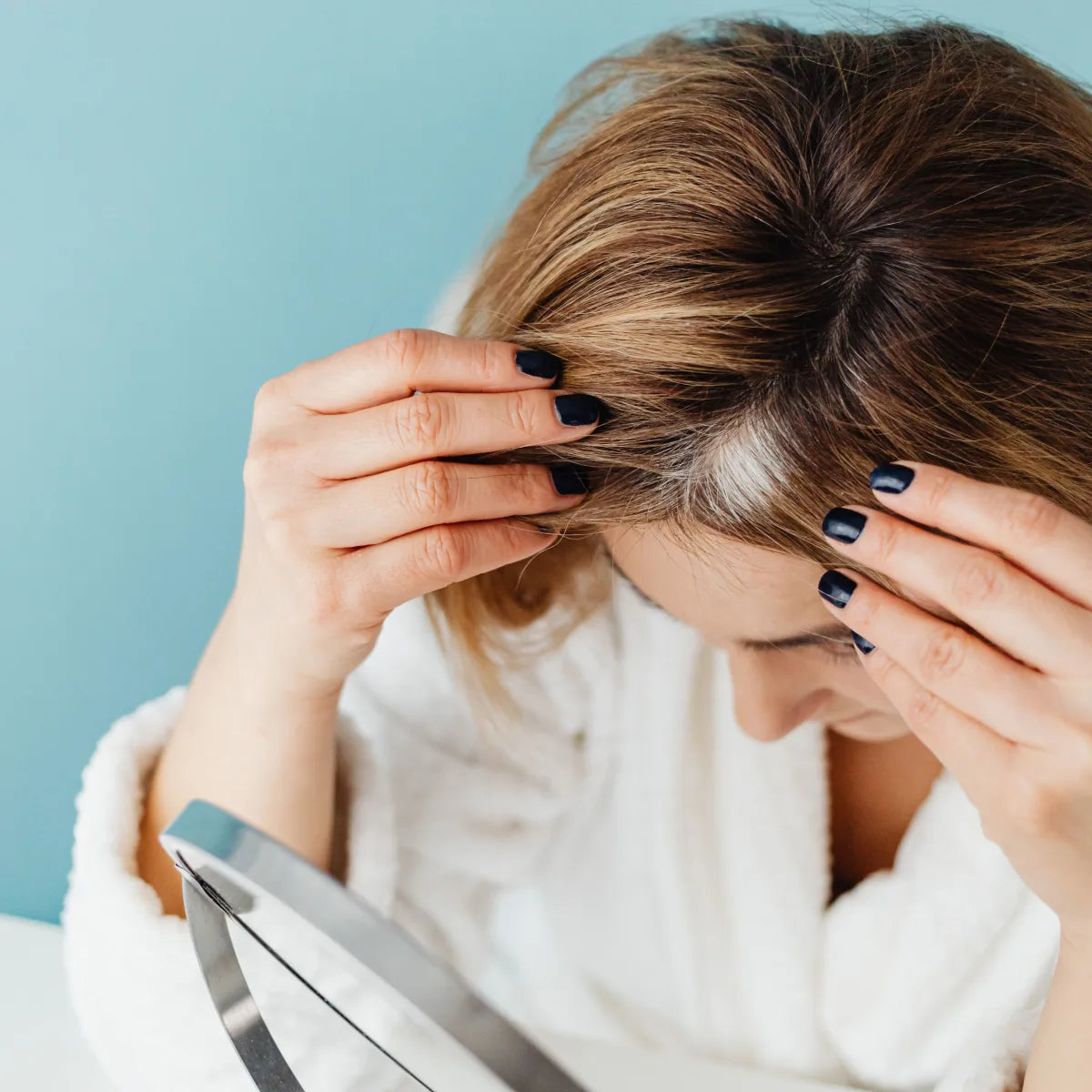
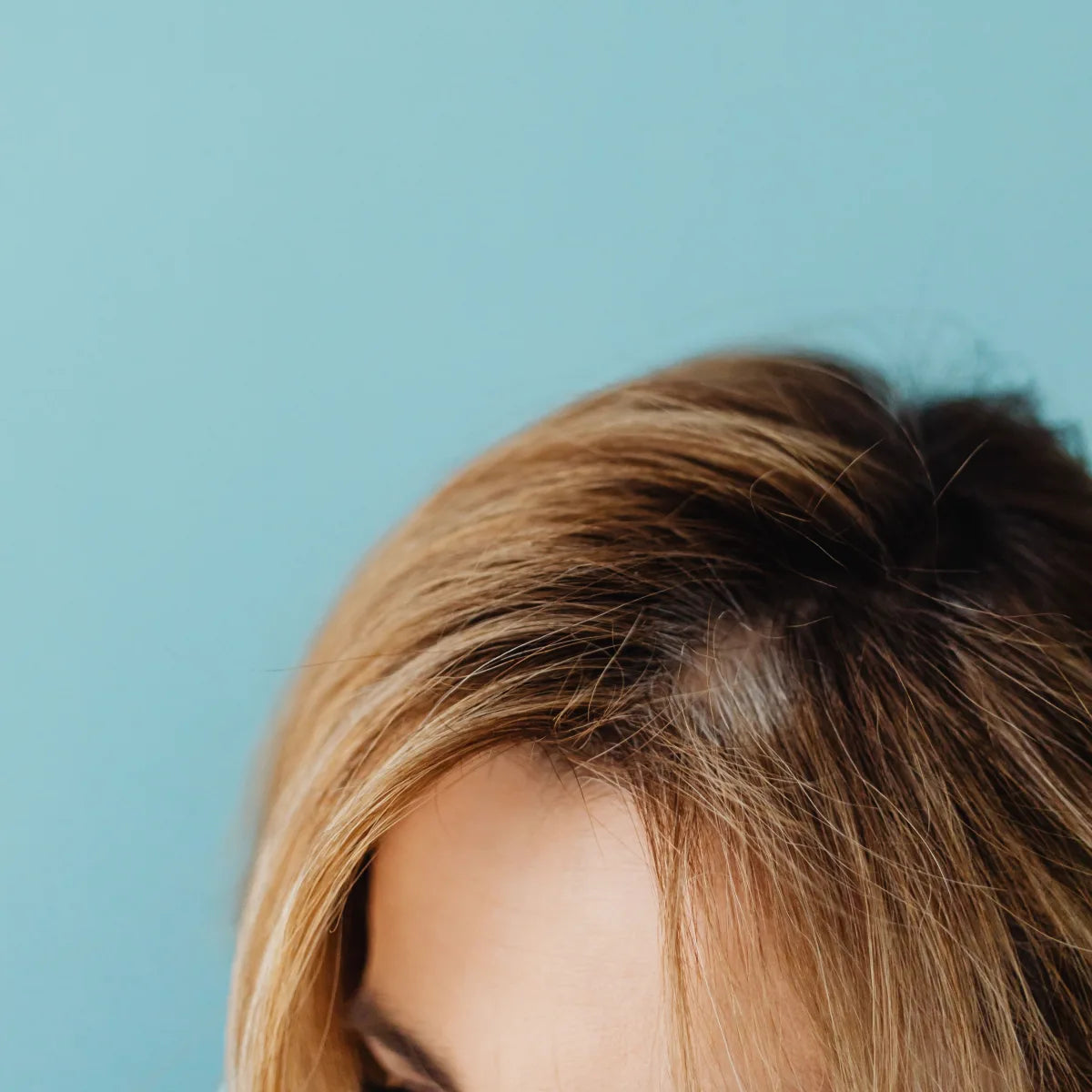
Female pattern loss often becomes visible through the part and crown in the 40s, 50s, and 60s. Hormones can be part of the picture, but shedding, inflammation, nutrition, thyroid, and medication can overlap.
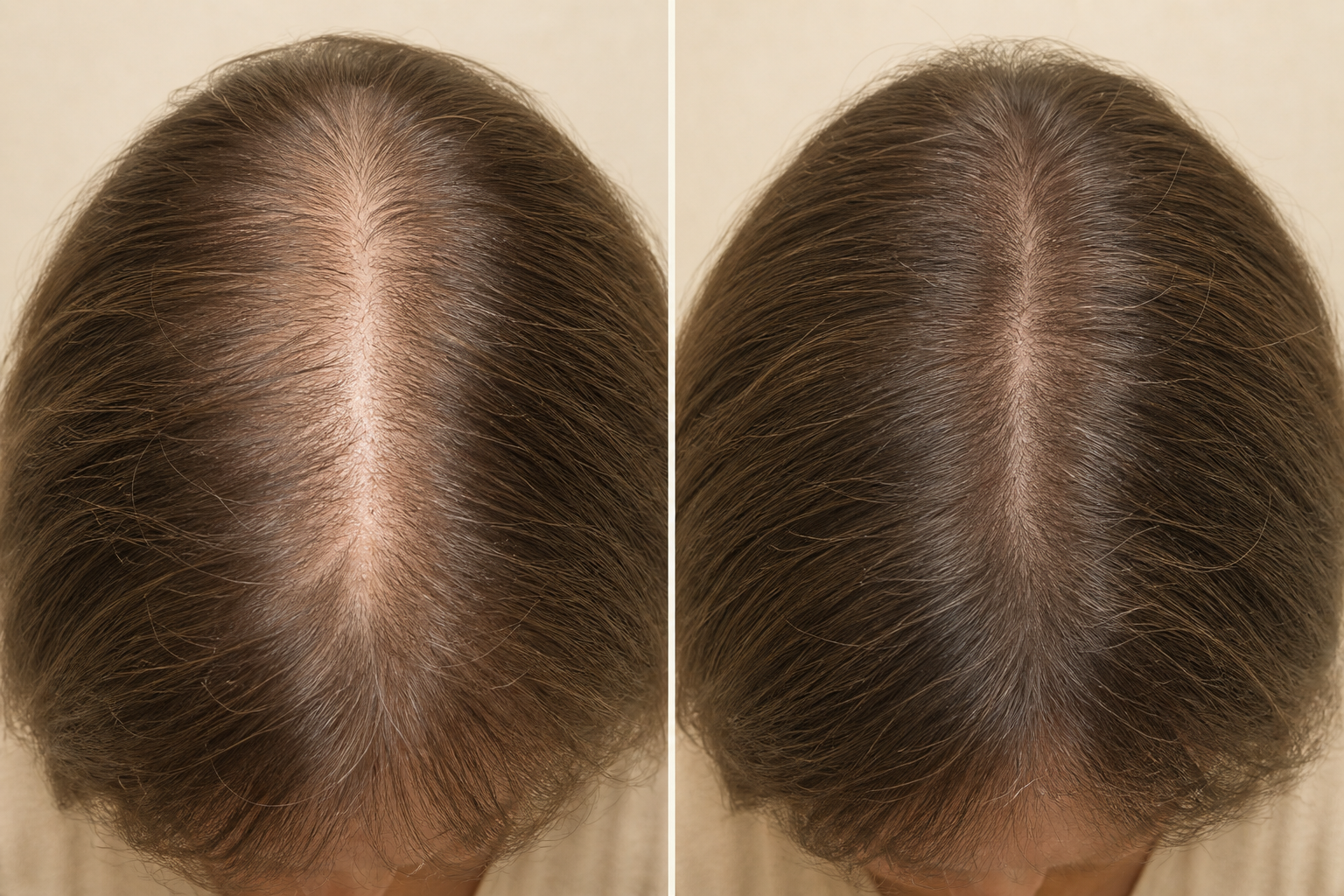
Wider part
Improved density
Pattern recognition
Three experiences that should not be treated as one.
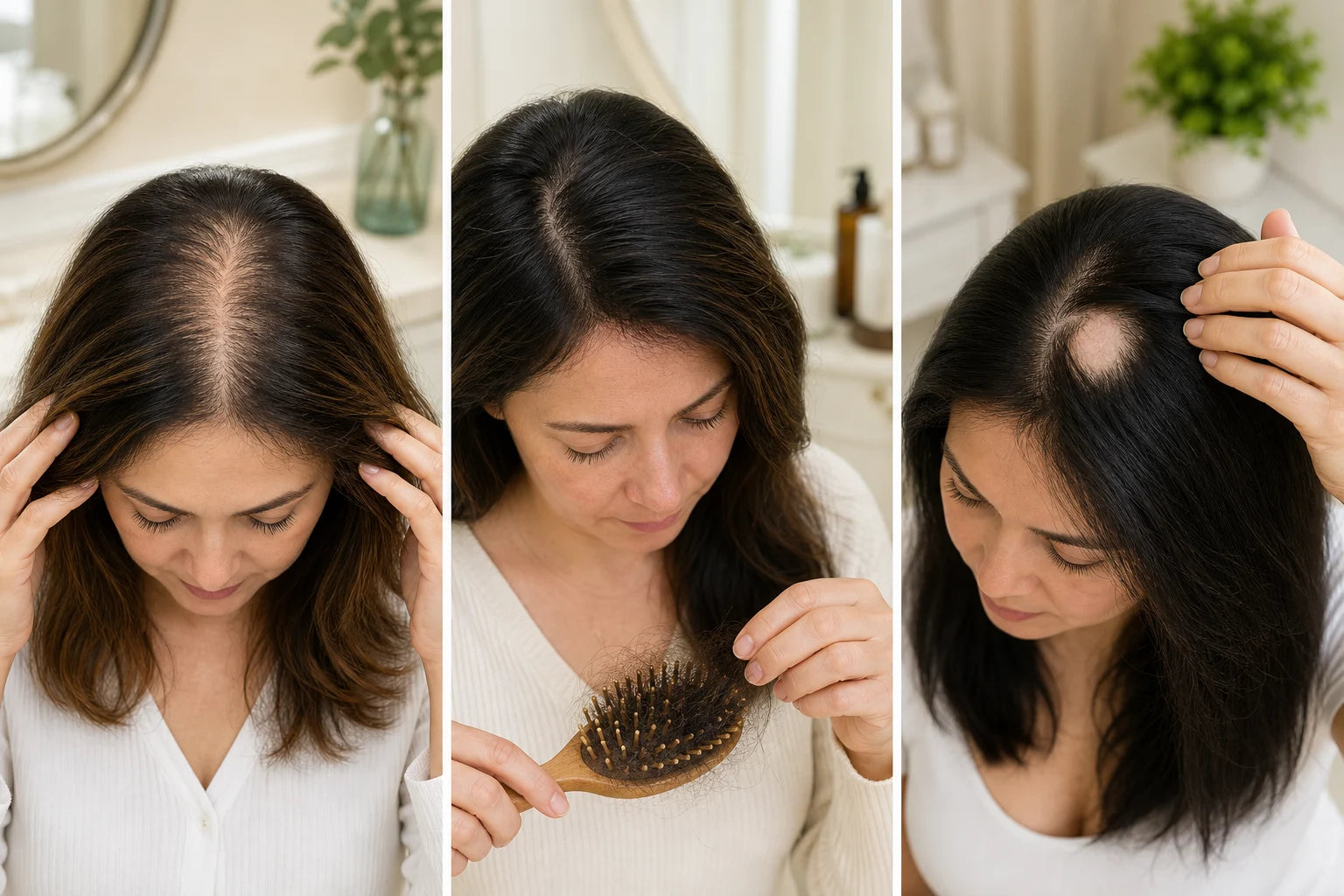
Pattern thinning
Where
Part and crown
Timing
Usually gradual
The part widens and scalp visibility increases over time.
Next action
Document the pattern and discuss treatment options.
Heavy shedding
Where
Hairbrush and shower
Timing
Often follows a trigger
More hairs release across the scalp without one defined bare area.
Next action
Review illness, stress, nutrition, medication, and lab context.
Patchy loss
Where
One defined area
Timing
Can appear quickly
A distinct patch does not follow the usual diffuse pattern.
Next action
See a dermatologist before choosing a routine.
Recognition guidance: AAD shedding guidance and AAD female pattern hair loss.

Coverage plus daily support
Treat the visible part as one signal inside a broader system.
The cap distributes light across the part, crown, and top scalp. Density Drops adds a topical routine, while Daily Density Capsules offers internal botanical support for adults who have reviewed the formula and their diagnosis.
Diagnosis before assumption
A widening part is a clue, not the whole answer.
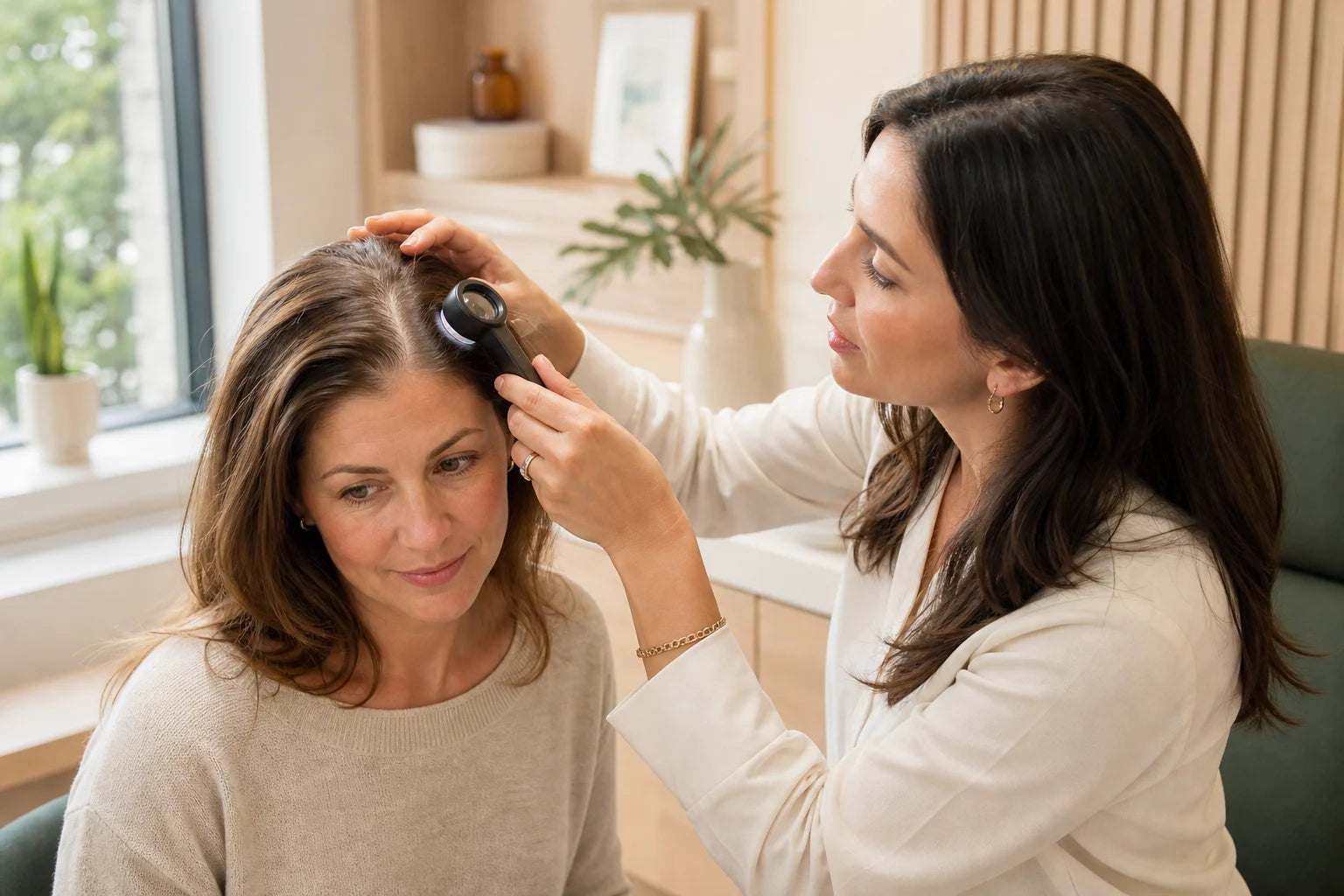
What an exam adds
Pattern, scalp condition, and clinical context
The clinician’s sorting process
Four questions change the treatment lane.
Pattern
Is the part slowly widening, or is one patch appearing?
Timing
Was the change gradual, or did shedding rise after a trigger?
Scalp
Is there pain, scale, inflammation, or scarring?
Context
Could iron, thyroid, hormones, nutrition, stress, or medication contribute?
Look at the pattern
Review the timeline
Test when indicated
Female pattern loss, heavy shedding, and inflammatory or patchy conditions can overlap in one person. The exam decides what deserves treatment and what deserves investigation.
Signs and treatment context: AAD female pattern hair loss guidance and Cleveland Clinic.
Match the coverage to the pattern
A widening part is visible. The pattern can extend beyond that line.
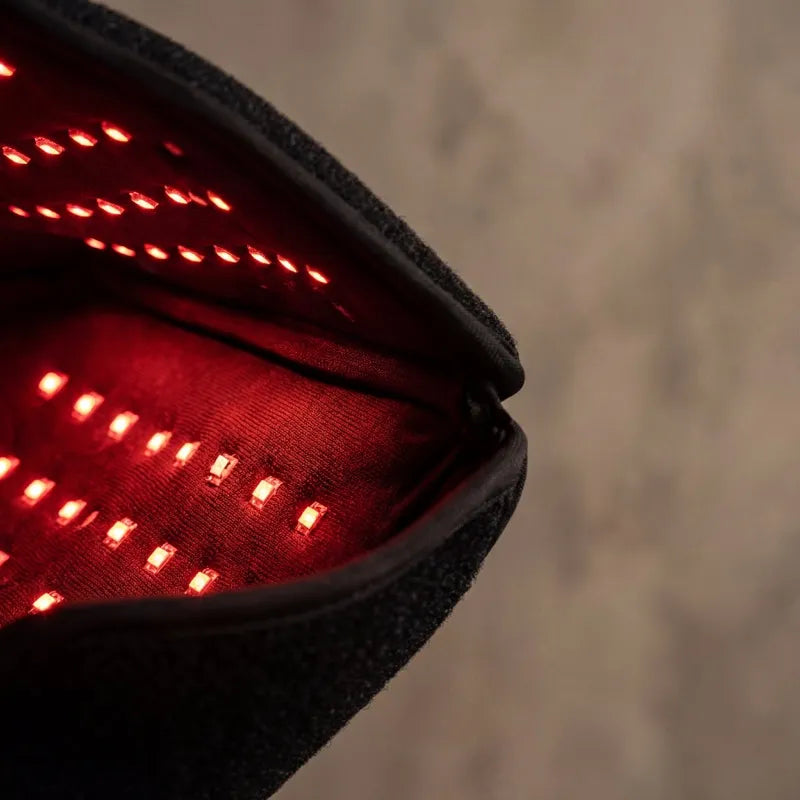
Inside the cap
Light distributed across the top of the scalp
Coverage, not spot treatment
One cap covers the areas a widening part can signal.
Female pattern loss often appears as diffuse thinning across the part and crown. Full-cap coverage avoids asking you to guess which single line matters most.
Part
The first line many women notice
Crown
Density can change beyond the visible part
Top scalp
Diffuse patterns are broader than one spot
272
Diodes
660nm
Light
15:00
Timer
Evidence before endorsement
A credential is only useful when it is real.
Build the right lane
Treatment and diagnosis solve different problems.
Medication
Daily application or dose
May require continued use
Light device
Timed home sessions
No prescription
Diagnosis
Pattern and lab review
Clarifies the cause
Treatment context: AAD female pattern hair loss.
What the evidence can support
Treat the pattern you have, not the label you fear.
The strongest home-use LLLT evidence includes women with pattern loss. That does not make every form of diffuse shedding the same condition.
Pattern loss
Progressive miniaturization and a widening part can fit the cleared device category.
Heavy shedding
Look for timing, triggers, and laboratory context before assuming pattern loss.
Patchy or inflamed loss
A device purchase is not a substitute for prompt dermatology care.
Clinical context: AAD female pattern hair loss guidance and home-use LLLT review.
Continue the research
Keep exploring female thinning, hormones, and diagnosis.
Conditions & Hair Types
Female Pattern Hair Loss: A Complete Guide for Women
Hair loss in women is more common than you think - affecting 40% by menopause. Female pattern hair loss looks and behaves differently from male pattern baldness. Here's what women need to know.
Read the guide →
Conditions & Hair Types
Diffuse Thinning vs. Pattern Baldness: How to Tell the Difference
Is your hair thinning everywhere evenly, or in a specific pattern? The distinction matters enormously for treatment. Here's how to tell the difference and what each type means.
Read the guide →

Lifestyle & Wellness
Hormonal Changes and Hair Loss: Puberty, Aging, and Everything Between
Hormones drive hair growth and destruction at every age. From puberty to menopause and beyond, here's how shifting hormones impact your hair at each life stage.
Read the guide →
Clear answers
Questions worth answering fully.
Is a widening part a sign of female pattern hair loss?+
It can be. Female pattern hair loss often appears as gradual part widening and lower density over the crown, but shedding, inflammation, traction, nutrition, thyroid, and hormonal factors can overlap.
Can perimenopause cause female hair thinning?+
Hormonal changes can coincide with female pattern thinning, but age and hormone timing do not confirm the cause on their own. A scalp examination and clinical history help separate pattern loss from heavy shedding and other conditions.
What is the difference between thinning and shedding?+
Pattern thinning involves progressive follicle miniaturization and increasingly visible scalp. Heavy shedding means more hairs release across the scalp, often after a trigger, without the same gradual pattern.
When should I see a dermatologist?+
See a dermatologist for sudden, patchy, painful, inflamed, or scarred loss, or when thinning is accompanied by fatigue, cycle changes, or other symptoms that may justify laboratory testing.
The science is published in
Zero risk
Try it for 30 days.
Keep the results or your money.
If you are not completely satisfied within 30 days, return it for a full refund, no questions asked. Every cap also carries a 1-year manufacturer warranty.
Explore the Full System