Product Comparisons
Theradome vs Regrowthy: Laser Helmet Comparison
Theradome built its reputation on the LH80 and LH40 laser helmets, but Regrowthy takes a different approach: a lower-cost laser cap paired with a full supplement system. Here is how the two actually compare.
Updated July 1, 2026
If you have spent any time researching laser helmets for hair loss, Theradome has almost certainly come up. It was one of the earlier at-home laser devices to reach the market, and it still shows up at the top of searches for theradome vs regrowthy comparisons. Both companies sell non-prescription, FDA-cleared laser devices designed to be worn at home, but the similarities mostly stop there. Theradome sells a single premium helmet built around proprietary laser technology. Regrowthy sells a lower-cost laser cap alongside The Density Line, a full supplement system meant to support the scalp from the inside as well as the outside. This comparison looks at how Theradome actually works, what a realistic theradome cost looks like once you account for the full picture, and where each approach makes the most sense for someone dealing with thinning hair.
Theradome vs Regrowthy at a Glance
Before getting into the details, it helps to frame the core difference. Theradome is a helmet-only company. Its entire product line is built around two laser helmet models, the LH80 and the LH40, differentiated mainly by diode count and coverage area. Regrowthy takes a different shape entirely: a Laser Therapy Cap built around 660nm laser diodes, sold alongside a supplement and topical lineup that includes Daily Density Pro Capsules, Density Drops, Density Elixir, Dense Cleanse, and Daily Density Gummies.
- Theradome: helmet-only lineup (LH80 and LH40), proprietary laser diode configuration, positioned as a premium standalone device
- Regrowthy: laser cap plus a full supplement and topical system, positioned as a lower-cost, multi-modal routine
- Both: non-prescription, at-home, FDA-cleared devices with no need for a doctor visit or ongoing telehealth subscription for the device itself
- Key difference: Theradome asks you to build your own supporting routine separately; Regrowthy bundles a laser cap with a supplement system out of the gate
What Is Theradome
Theradome is one of the longer-standing names in at-home laser hair devices, and it deserves credit for helping popularize the category before laser caps became as widely available as they are now. The company sells two helmet models. The LH80 is the higher-end version with a larger number of laser diodes and broader claimed coverage, while the LH40 is a lower-diode-count option aimed at more limited areas of thinning. Both are worn directly on the head like a helmet rather than a soft cap, which is a meaningful ergonomic difference some users prefer and others find bulkier and less comfortable for long-term daily use.
Theradome markets its devices around a proprietary laser diode design, and the company has been in the low-level laser therapy space long enough to have built a base of loyal customers. To be fair to Theradome, being an early mover in a category that is now full of low-quality LED combs and cheap imitations is a real point in the brand's favor. A device that has stayed on the market this long has clearly built some level of trust with its customer base.
Theradome Review: Design and Claims
Anyone writing a theradome review has to start with the helmet form factor. Unlike a soft, flexible laser cap that molds to the shape of your head, Theradome's helmets are rigid, dome-shaped shells. This has tradeoffs. A rigid helmet can distribute diodes at a fixed, engineered distance from the scalp, which the company presents as a design advantage. On the other hand, a rigid shell is less forgiving of different head shapes and hair thicknesses, and some users report it feeling less comfortable for the recommended session length than a soft cap that flexes with the head.
Theradome's marketing leans heavily on its diode technology and clinical backing for low-level laser therapy generally. It is worth being clear here: the broader science on photobiomodulation and hair growth, meaning red and near-infrared light in roughly the 650nm to 680nm range stimulating cellular activity in hair follicles, is a legitimate and reasonably well-established area of dermatology research. That underlying science applies to the laser therapy category as a whole, not to any single brand exclusively. Where brands genuinely differ is in diode count, wavelength consistency, session length, comfort, price, and what else comes bundled with the device.
Key Point
Low-level laser therapy for hair loss is a legitimate, studied approach across the category, not a single company's invention. When comparing devices, the more useful questions are wavelength, diode count and quality, session length, comfort, price, and whether the device is part of a broader routine or sold entirely on its own.
Theradome Cost and What It Includes
We are not going to quote a specific theradome cost figure here, since device pricing changes over time and any number we print today could be stale by the time you read this. What we can say directionally is that Theradome has historically positioned itself as a premium, higher-priced option within the laser helmet category, reflecting its long-standing brand and proprietary technology claims. If you are researching theradome cost, the most reliable move is to check the current price directly on Theradome's own site, since third-party listings and older reviews are frequently out of date.
The more useful comparison is not the sticker price in isolation but what that price includes. A helmet-only purchase from Theradome covers the device itself. It does not include a topical serum, a shampoo formulated for scalp health, or an oral supplement addressing hair growth from the inside. If you want those pieces, you would need to source and pay for them separately, from other brands, without any guarantee they are formulated to work together. Regrowthy's laser cap is priced lower on its own, and the company also sells The Density Line as an add-on system built to complement the device rather than compete with it.
A Single Device vs a Complete System
This is really the core of the theradome vs regrowthy question. Hair thinning is rarely caused by just one factor. Genetics, hormones, scalp condition, nutrition, and stress can all play a role, and DHT (dihydrotestosterone), the hormone byproduct most closely linked to pattern hair loss, is only part of the picture for many people. A laser device addresses one input: stimulating follicles with red light at the scalp. It does not address what is happening hormonally, nutritionally, or on the scalp surface itself.
Theradome sells only the device. If you want to also address DHT with an ingredient like saw palmetto, support scalp circulation with something like rosemary oil, or cover nutritional gaps that show up in thinning hair, you are on your own to research, source, and combine those products, with no assurance of how they interact.
Regrowthy built its catalog around the opposite assumption: that a laser cap works best as one part of a coordinated routine. Daily Density Pro Capsules are formulated to support hair growth from within, Density Drops and Density Elixir are designed as topical additions, Dense Cleanse is a scalp-focused shampoo, and Daily Density Gummies offer a simpler daily format for people who prefer them over capsules. None of this guarantees faster or better results than a helmet used alone, since individual response to any hair loss approach varies, but it does mean the pieces are designed to be used together rather than assembled from unrelated brands.
Who Should Choose Theradome
Theradome is a reasonable choice if you specifically want a rigid helmet form factor over a soft cap, you value a long-established brand name in laser hair therapy, and you are comfortable sourcing any supplements or topicals separately from other companies. If your budget is not a primary constraint and you would rather buy one specialized device and build the rest of your routine piece by piece, Theradome fits that approach.
It is also worth choosing Theradome if you have already tried soft laser caps and found the rigid helmet design more comfortable for your head shape or hair length. Comfort during a daily session matters for consistency, and consistency matters more than almost any other factor in whether a laser therapy routine actually gets used long enough to potentially show results.
Who Should Choose Regrowthy
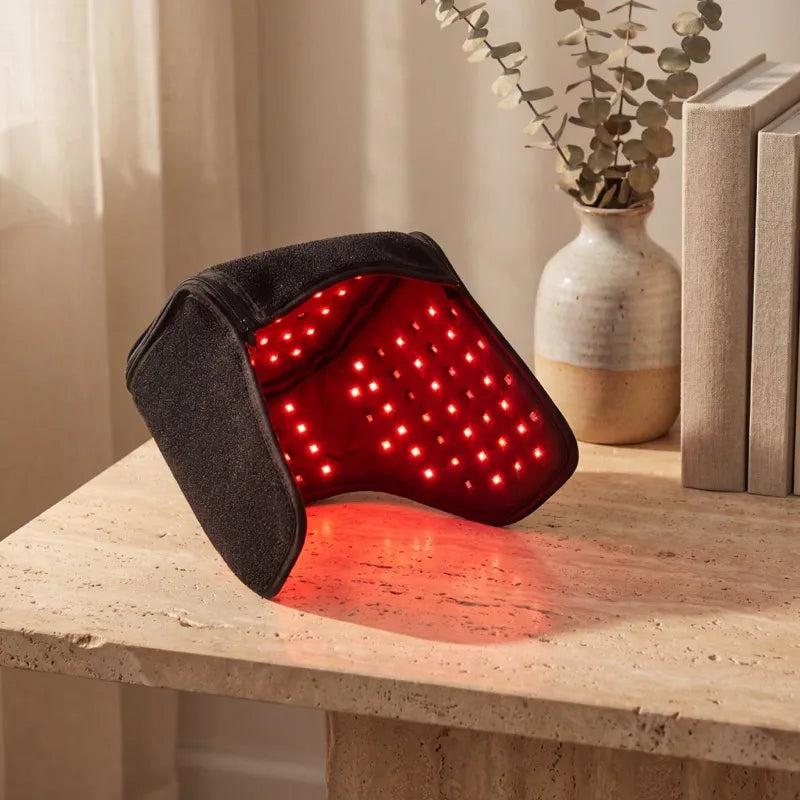
Regrowthy makes more sense if you want a lower entry price on the device itself and you would rather start with a coordinated system than assemble one from scratch. The laser cap uses 660nm laser diodes, the wavelength most represented in the published photobiomodulation research, in a soft, flexible cap format that many users find easier to wear comfortably for a full session.
If you are also interested in addressing hair health from more than one angle, whether that is Density Drops for topical support, Density Collagen for structural support, or a daily capsule or gummy for nutritional gaps, Regrowthy's catalog is built so those pieces are available without having to shop five different brands and hope they do not conflict.
The Bottom Line
Theradome earned its place in the at-home laser therapy conversation, and its rigid helmet design and long track record are genuine strengths for the right buyer. It is a credible, non-prescription option for someone who wants a single, well-established device and does not mind building the rest of their hair care routine separately. Regrowthy takes a different approach: a lower-cost laser cap built on 660nm diodes, paired with The Density Line so the device is not the only tool in the routine. Neither approach is a guaranteed fix, and results vary from person to person, but if you are weighing theradome vs regrowthy on cost, comfort, and whether you want a single device or a complete system, that is the real tradeoff to think through. For a look at how a non-prescription topical and supplement routine compares to daily minoxidil, our Rogaine vs Regrowthy comparison covers that ground in more depth.
From the routine
Mentioned in this article
Common questions
Frequently asked questions
Is Theradome or Regrowthy FDA cleared?+
What does Theradome cost compared to Regrowthy?+
Which is more comfortable, a laser helmet or a laser cap?+
Do I need a prescription for either device?+
Can I use a laser cap alongside supplements like saw palmetto or biotin?+
How long until a laser cap shows results?+
The Regrowthy System
Ready to start regrowing at home?
Hands-free. Non-prescription. 660nm clinical wavelength, backed by a 30-day guarantee.
Continue Reading

Product Comparisons
Rogaine vs Regrowthy: The Daily Commitment vs The Complete Routine
10 min read
Product Comparisons
Viviscal vs Regrowthy: Marine Complex vs Botanical DHT-Blocking Formula
8 min read
Product Comparisons
Kiierr vs Regrowthy: Laser Cap Comparison
9 min read
Product Comparisons