Product Comparisons
Kiierr vs Regrowthy: Laser Cap Comparison
Kiierr and Regrowthy both make FDA-cleared laser caps for hair loss, but the price, session length, and everything around the device look very different. Here is an honest, feature-by-feature comparison to help you decide.
Updated July 1, 2026

If you have spent any time researching at-home laser therapy for thinning hair, you have almost certainly come across Kiierr. It is one of the more recognizable names in the laser cap category, built around a rigid dome-style helmet rather than a soft cap, and marketed heavily on the strength of its FDA clearance and lifetime warranty. If you are weighing a Kiierr vs Regrowthy decision, the two products solve the same basic problem in noticeably different ways, and the differences are worth understanding before you commit real money to either one.
This comparison is not about declaring a winner in the abstract. Kiierr is a legitimate device with a real design philosophy behind it, and plenty of people have used it as directed. What matters is how that philosophy fits your actual routine, your budget, and whether you want a standalone helmet or a broader system built around the device. Below, we walk through what a Kiierr laser cap review typically covers, what Kiierr cost actually includes, and where Regrowthy's non-prescription, multi-modal approach fits for someone comparing the two seriously.
Who Is Kiierr
Kiierr has been selling laser hair therapy devices for over a decade, and its flagship products use a hard-shell helmet design rather than a flexible fabric cap. The rigid dome houses laser diodes arranged to cover the scalp, and the company has leaned on that structural design as a selling point, arguing that a fixed helmet keeps diodes at a consistent distance from the scalp compared to a cap that can shift or sag during a session.
Kiierr devices are FDA-cleared, which puts them in the same general regulatory category as most other reputable laser caps and helmets on the market, including Regrowthy's. FDA clearance for these devices means the manufacturer demonstrated the device is substantially equivalent to already-cleared low-level laser therapy devices for promoting hair growth, not that it treats or cures baldness. That clearance standard applies broadly across the category, so it is not, by itself, a meaningful point of differentiation between brands.
How Laser Caps Actually Work
Before getting into brand-specific details, it helps to understand what these devices are actually doing. Low-level laser therapy, sometimes called photobiomodulation, uses red light in a specific wavelength range, typically around 650 to 660 nanometers, to stimulate cytochrome c oxidase, an enzyme in the mitochondria of hair follicle cells. The theory, supported by a growing body of clinical research, is that this stimulation increases cellular energy production and can help nudge miniaturized or dormant follicles back into an active growth phase.
This mechanism is distinct from how oral or topical treatments work. Where a DHT-blocking ingredient interrupts the hormonal process that shrinks follicles over time, laser therapy works at the cellular energy level, independent of hormones entirely. That is part of why dermatologists sometimes recommend combining a laser device with other approaches rather than treating light therapy as a complete solution on its own. A review of the clinical research on laser and LED devices generally supports modest but real improvements in hair density and thickness over consistent use, typically measured over several months rather than weeks.
Key Point
Both Kiierr and Regrowthy fall into the same FDA-cleared laser therapy category, and the underlying photobiomodulation science applies to both. The real differences that matter for a buyer are price, session length, device design, and whether the brand offers anything beyond the device itself.
Kiierr Cost and What You Get
One of the most common questions people search before buying is simply Kiierr cost, and for good reason. Kiierr sells multiple helmet models with different diode counts, and pricing scales with how much coverage and diode density you choose. Kiierr also frequently offers financing plans, which can make the sticker price feel more manageable on a monthly basis even though the total cost of the device remains the same either way. We are intentionally not listing specific dollar figures here since list prices and financing terms change over time and are best confirmed directly on Kiierr's own site, but the category positioning is clear: Kiierr sits at the premium end of the laser cap market, closer to a specialty medical-device price point than an everyday wellness purchase.
That pricing reflects real engineering. A hard-shell helmet with a fixed diode array is a more complex manufacturing process than a soft, adjustable cap, and Kiierr backs its devices with a lifetime warranty, which is a meaningful commitment for a company to make. The trade-off is that the helmet format is less packable and less adjustable across different head shapes than a fabric cap, and the price point puts it out of reach for a lot of people who are otherwise good candidates for laser therapy.
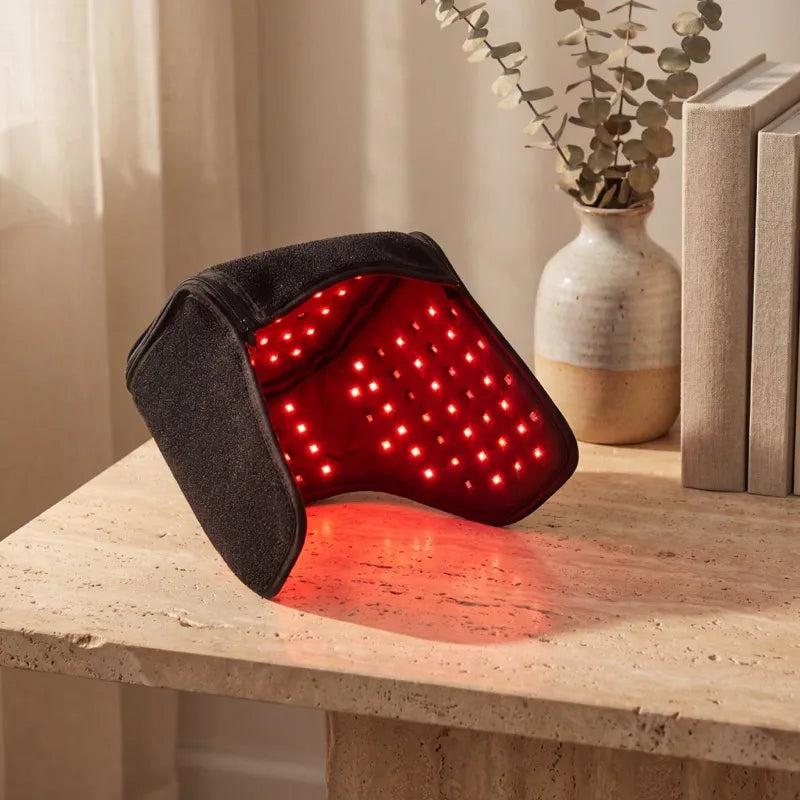
Regrowthy's laser cap takes the opposite approach on structure and price. It uses a soft, adjustable cap with 200-plus laser diodes at a 660nm clinical wavelength, backed by a 30-day money-back guarantee, at a price meaningfully below what a helmet-style device typically costs. The cap format also means it adjusts to different head sizes without the fit concerns a rigid shell can introduce, and it packs flat for travel in a way a helmet cannot.
How Regrowthy's Approach Differs
The biggest philosophical difference between Kiierr and Regrowthy is not really about the laser diodes themselves. It is about what surrounds them. Kiierr's business is the helmet. That is the product, full stop, and for someone who wants a single device and nothing else, that focus is not a weakness.
Regrowthy was built around the idea that hair thinning is rarely caused by one single factor, so a single-mechanism solution is often an incomplete answer. The Laser Therapy Cap is the anchor of the routine, but it sits alongside a full topical and internal system rather than standing alone, an approach discussed in more depth in our comparison of laser-only devices generally. Daily Density Pro Capsules and the rest of The Density Line, including Density Drops, Density Elixir, Density Collagen, and Dense Cleanse, address the hormonal and nutritional side of thinning hair with ingredients like saw palmetto and rosemary oil, working through different mechanisms than light therapy does.
This matters because hair loss in most people is multi-factorial. Genetics drive sensitivity to DHT, but nutritional gaps, scalp inflammation, and stress can all compound the problem. A device that addresses cellular energy production at the follicle is valuable, but pairing it with something that addresses the hormonal and nutritional side tends to be a more complete strategy than a device by itself, regardless of which brand's device you choose.
Session Time and Everyday Usability
Real-world usability is where a lot of laser cap reviews, Kiierr's included, tend to get more honest than the marketing copy. A rigid helmet has to be sized correctly for your head, and because it does not flex, an imperfect fit can mean parts of the scalp get less consistent light exposure than others. Kiierr addresses this with multiple helmet sizes, but that also means choosing the wrong one is a real risk when ordering online without trying it on first.
A soft cap, like Regrowthy's, flexes to the shape of the head it is on, which reduces the fit-dependency problem somewhat, though it introduces a different consideration: cap-style devices can shift slightly during a session if you move around, so sitting relatively still for the session duration matters more than it does with a rigid helmet.
- Rigid helmets like Kiierr's stay fixed in position once correctly sized, but require choosing the right size upfront.
- Soft caps like Regrowthy's adjust to head shape automatically, but benefit from sitting still during use.
- Both formats require consistent, several-times-weekly use over months to see meaningful results.
- Portability favors a soft cap, since a rigid helmet takes up more space and does not fold flat.
Neither format is objectively wrong. Some people genuinely prefer the structure of a helmet and do not mind the storage footprint. Others want something they can fold into a bag for a trip without worrying about crushing it. This is a real, legitimate difference in user experience, and it is worth thinking through honestly rather than assuming one format is universally better.
Choosing Between Kiierr and Regrowthy
If you have read a Kiierr laser cap review and the rigid helmet design genuinely appeals to you, if a lifetime warranty on the hardware matters more to you than upfront price, and if budget is not the deciding factor, Kiierr is a long-standing, legitimate option in the laser therapy category. Some buyers specifically want a fixed, no-adjustment device and are willing to pay for that structural certainty.
If you want the same category of FDA-cleared photobiomodulation technology at a substantially lower price point, in a format that packs flat and adjusts to your head automatically, and if you would rather buy into a complete routine, laser therapy plus topical and internal support, than a standalone device, Regrowthy is built for that comparison. The laser cap is priced to be accessible on its own, and it becomes more valuable as part of a full routine with Daily Density Pro or the rest of The Density Line supplements layered in. Readers comparing multiple laser-only devices side by side may also find our Wellbel comparison useful for a broader view of the category.
Cost is also worth thinking about beyond the sticker price. Kiierr's financing options can make a premium helmet fit into a monthly budget, but the total spend over the life of the device stays the same. Regrowthy's lower upfront cost means less financial commitment either way, whether you buy the cap on its own or add supplements to the routine over time.
The Bottom Line
Kiierr and Regrowthy are both FDA-cleared, non-prescription laser hair therapy devices operating in the same general wavelength range with the same underlying photobiomodulation science behind them. Kiierr's rigid helmet, higher price point, and lifetime warranty appeal to a buyer who wants a fixed, no-compromise device and does not mind paying a premium for it. Regrowthy's soft cap, lower price, and surrounding system of topical and internal supplements appeal to a buyer who wants the core technology at an accessible price, packaged as part of a broader routine rather than a standalone purchase.
Neither device is a substitute for patience. Laser therapy of any kind, from either brand, requires consistent use over several months before most people notice a meaningful difference, and results vary by individual. What a fair Kiierr vs Regrowthy comparison comes down to, in the end, is not which device has better light. It is whether you want a helmet or a cap, whether price or hardware warranty matters more to you, and whether you would rather buy a single device or invest in a complete routine built around it.
From the routine
Mentioned in this article
Common questions
Frequently asked questions
Is Kiierr FDA-cleared like Regrowthy's laser cap?+
What does Kiierr cost compared to a soft laser cap like Regrowthy's?+
Is a rigid helmet or a soft cap better for laser hair therapy?+
Does Kiierr offer anything besides the laser device itself?+
How long before either a Kiierr or Regrowthy laser cap shows results?+
Can I use a laser cap alongside DHT-blocking supplements?+
The Regrowthy System
Ready to start regrowing at home?
Hands-free. Non-prescription. 660nm clinical wavelength, backed by a 30-day guarantee.
Continue Reading

Product Comparisons
Viviscal vs Regrowthy: Marine Complex vs Botanical DHT-Blocking Formula
8 min read
Product Comparisons
Vegamour vs Regrowthy: Two Botanical Hair Brands. Different Levels of Science.
9 min read
Product Comparisons
iLLUMIFLOW vs Regrowthy: Laser Device Comparison
9 min read
Product Comparisons