Treatment Guides
PRP for Hair Loss: Is It Worth the Cost?
PRP therapy promises hair regrowth by injecting your own platelet-rich plasma. But at $500-1,000 per session, is it worth it? We break down the evidence and alternatives.
Updated December 30, 2025
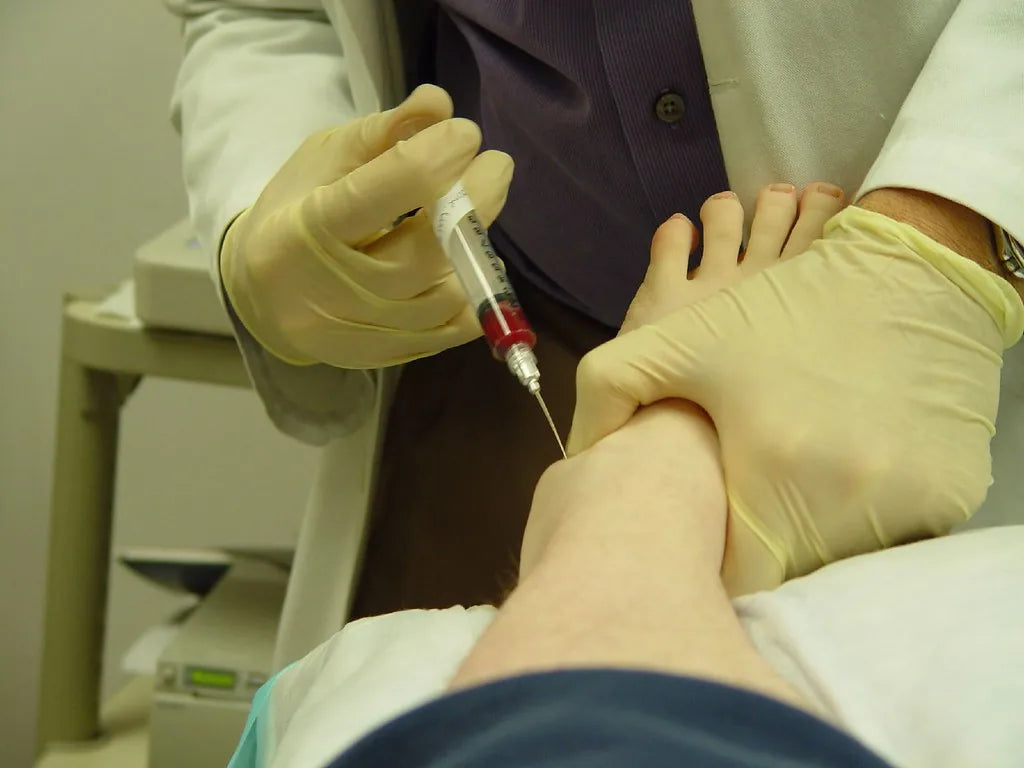
Platelet-Rich Plasma (PRP) therapy has become one of the trendiest clinical hair loss treatments, with dermatology clinics charging $500-$1,000 per session (you'll need 3-6 sessions initially, then maintenance every 4-6 months). But behind the clinical-sounding name and premium price tag, what does the evidence actually show? And are there more accessible alternatives that work through similar mechanisms?
This honest review of PRP examines the science, effectiveness, limitations, and cost-effectiveness - and reveals why at-home laser therapy may provide comparable growth factor stimulation at a fraction of the price.
What Is PRP Therapy?
PRP therapy involves drawing your blood, concentrating the platelets using a centrifuge, and injecting the platelet-rich plasma directly into the scalp at thinning areas. Platelets release growth factors - including PDGF, VEGF, TGF-β, and IGF-1 - that promote tissue repair and cellular regeneration.
The procedure typically takes 45-60 minutes per session. After blood draw and centrifugation, the concentrated platelet plasma is injected across the scalp using multiple small injections. Most protocols recommend 3-4 initial sessions spaced 4-6 weeks apart, followed by maintenance sessions every 3-6 months.
How PRP Works for Hair Growth
The theoretical mechanism is sound: platelets contain growth factors that are released when activated. These same growth factors play key roles in hair follicle cycling:
- PDGF: Promotes cell proliferation and new blood vessel formation around follicles.
- VEGF: Enhances blood supply to hair follicles, improving nutrient delivery.
- IGF-1: Stimulates cell growth and prevents apoptosis (cell death) in follicle cells.
- TGF-β: Regulates the hair growth cycle and follicle development.
Sound familiar? These are the exact same growth factors released by laser therapy. The mechanism is essentially identical - controlled tissue activation that triggers growth factor release. The difference is delivery method and cost.
How Effective Is PRP?
The clinical evidence for PRP is promising but inconsistent. Some studies show significant improvement; others show minimal benefit. This inconsistency is largely due to:
- No standardized protocol: PRP preparation varies widely between clinics. Platelet concentration, activation methods, injection techniques, and session frequency all differ.
- Small study sizes: Most PRP studies involve 20-50 participants - too small for definitive conclusions.
- Variable quality: Results depend heavily on the equipment, technique, and expertise of the practitioner.
A 2019 systematic review in Dermatologic Surgery found that while PRP "may have a beneficial role in hair regrowth," the evidence quality was low to moderate, and standardization of protocols is needed before strong recommendations can be made.
PRP Limitations Most Clinics Won't Mention
- Painful: Multiple scalp injections per session. Many patients describe significant discomfort despite local anesthesia.
- Requires clinic visits: You can't do PRP at home. Each session requires a doctor visit - scheduling, travel, wait time, and 45-60 minutes for the procedure.
- Results are temporary: PRP isn't permanent. Without ongoing maintenance sessions (every 3-6 months, at $500-1,000 each), results fade.
- Inconsistent outcomes: Due to lack of standardization, results vary dramatically between practitioners and clinics.
- No FDA regulation: PRP for hair loss is not FDA-approved. It's considered an "off-label" use, and there's no regulatory oversight of protocols.
- Expensive: Initial 3-4 sessions ($1,500-$4,000) plus maintenance every 4-6 months ($1,000-$2,000/year) adds up quickly.
Cost Analysis: PRP vs. At-Home Alternatives
| Treatment | Year 1 Cost | Year 2+ (Annual) |
|---|---|---|
| PRP Therapy | $2,000-$4,000 | $1,000-$2,000 |
| Hair Transplant | $8,000-$15,000 | $0 (but need maintenance tx) |
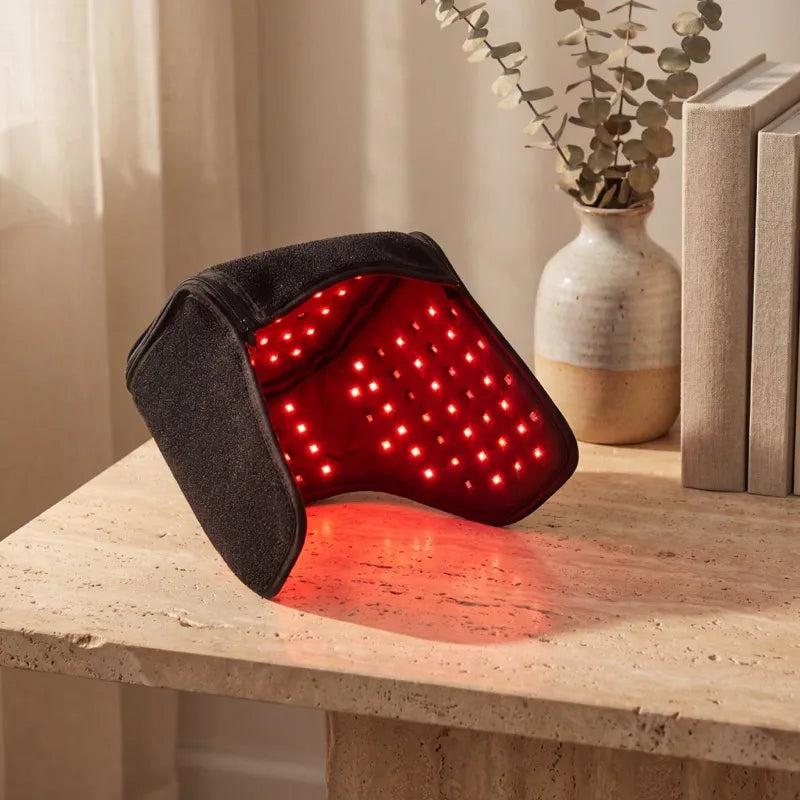
| Regrowthy Laser Therapy Cap | $289.99 | ~$60 (refills only) |
This cost difference is dramatic, especially considering both PRP and at-home laser therapy work through the same fundamental mechanism - growth factor release through controlled tissue activation. The question isn't whether growth factor stimulation works; it's whether you need to pay $500+ per session for it.
At-Home Alternatives That Use the Same Mechanism
PRP works primarily through growth factor release. At-home laser therapy triggers the same growth factor cascade through the wound-healing response - PDGF, VEGF, IGF-1, and Wnt pathway activation - without the clinic visit, injections, or premium price tag.
When combined with LED therapy (which PRP clinics often recommend alongside their treatments) and laser caps (which penetrate 200% better through targeted energy), you're creating a complete growth factor + cellular energy protocol at home that rivals or exceeds PRP results.
The landmark Dhurat et al. (2013) study showed that laser therapy produced a 4x increase in hair growth compared to topical treatment alone - results that match or exceed most published PRP outcomes. For a fraction of the cost, with the convenience of at-home treatment, the Regrowthy Laser Therapy Cap provides the same mechanistic benefits that make PRP work.
From the routine
Mentioned in this article
Common questions
Frequently asked questions
Is PRP better than laser therapy?+
How many PRP sessions do I need?+
Can I do PRP and laser therapy together?+
What's the most cost-effective hair loss treatment?+
The Regrowthy System
Ready to start regrowing at home?
Hands-free. Non-prescription. 660nm clinical wavelength, backed by a 30-day guarantee.
Continue Reading
Treatment Guides
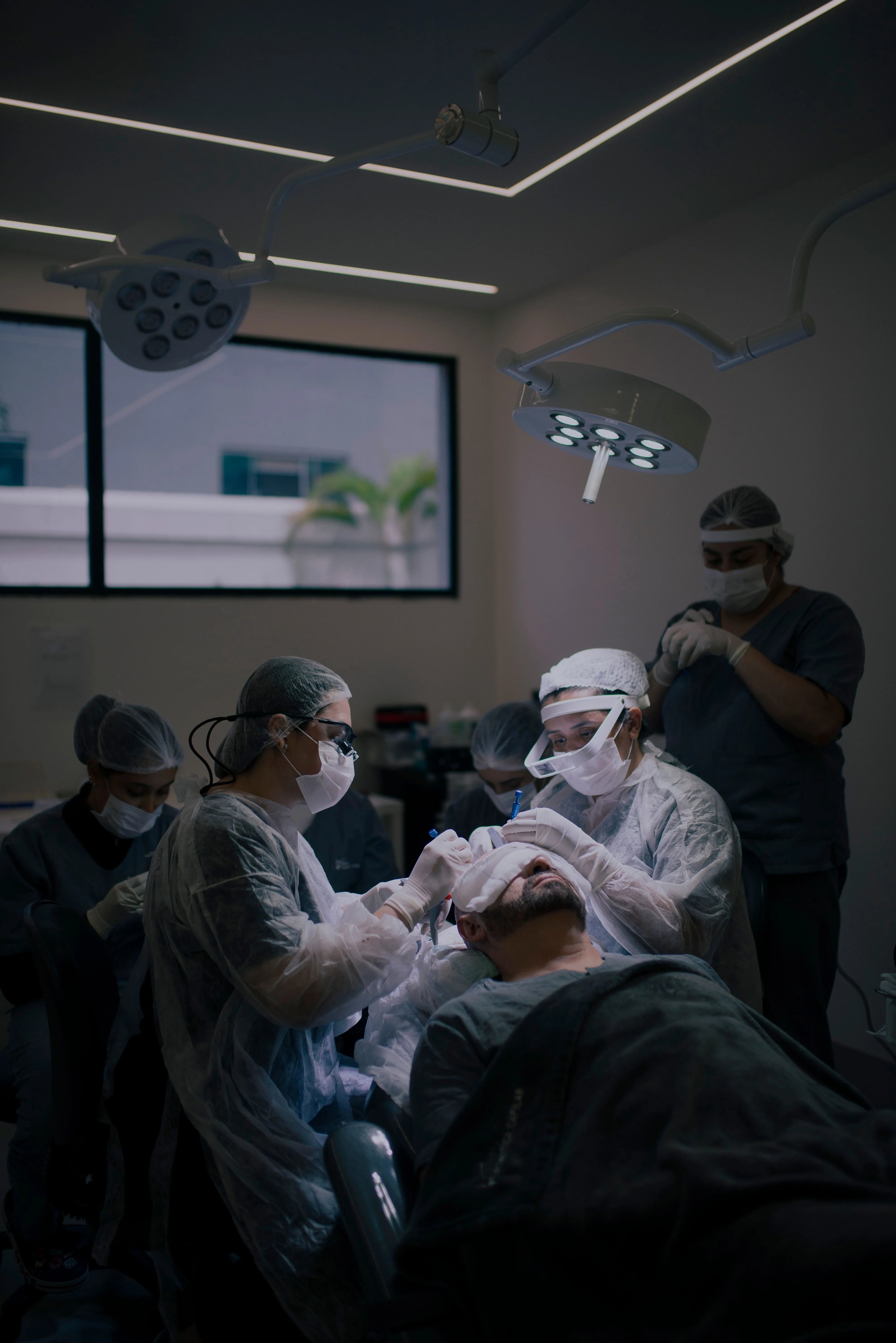
Hair Transplant vs. Non-Surgical Options: The Choice
12 min read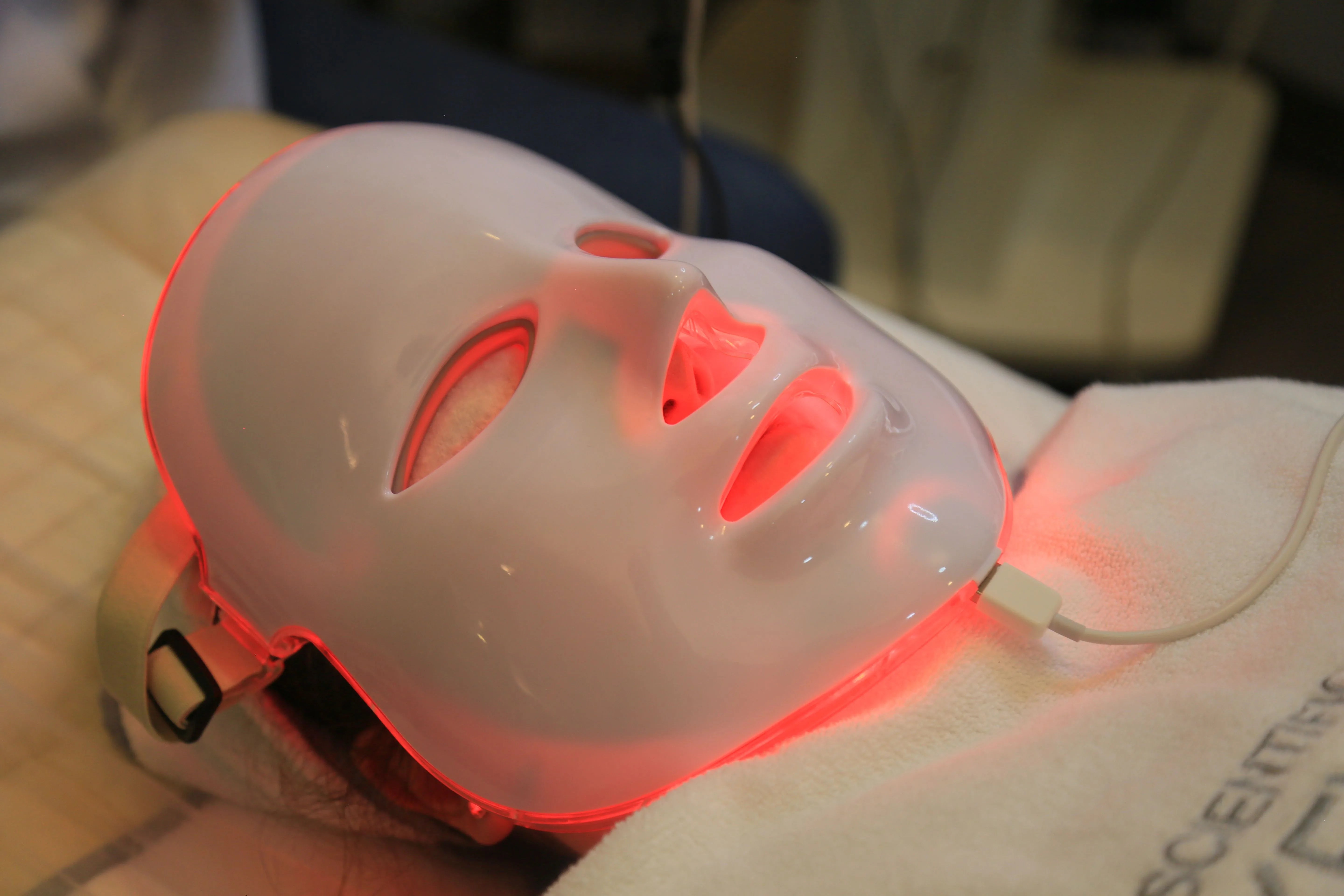
Hair Loss Science
Red Light Therapy for Hair Growth: The 660nm Science
11 min read
Treatment Guides
Multi-Modal Hair Loss Treatment: Why Combining Works Best
11 min read
Myths & Facts