Myths & Facts
Natural Remedies vs. Medical Treatments for Hair Loss: What Works?
From onion juice to rosemary oil to egg masks - the internet is full of natural hair loss remedies. Some have real science behind them. Most don't. Here's an honest breakdown.
Updated January 15, 2026
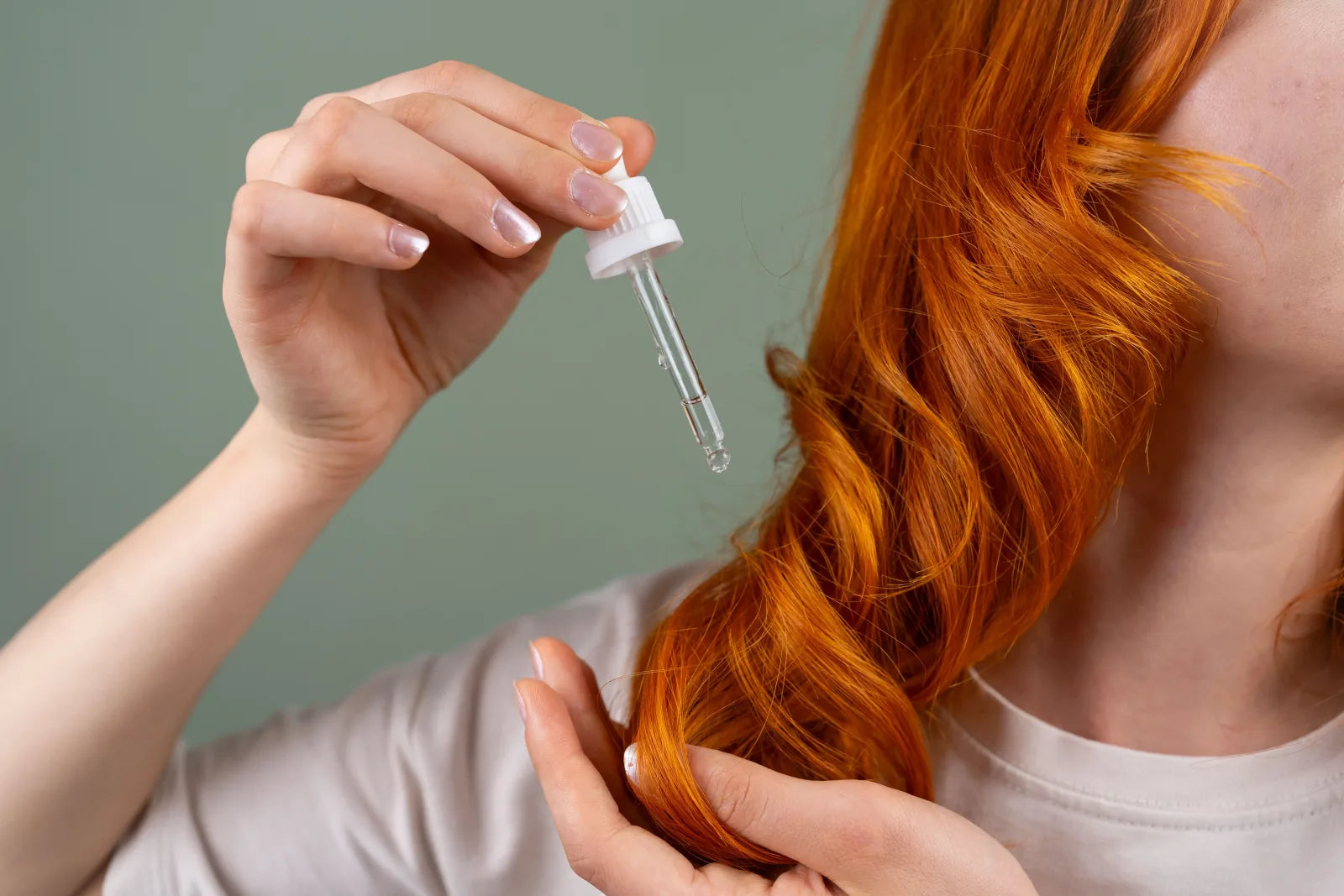
When it comes to hair loss treatments, there's a spectrum from kitchen-counter remedies to pharmaceutical drugs. The internet promotes everything from onion juice to prescription medications. The reality? Some natural ingredients have genuine science behind them, many are harmless placebos, and a few are actually counterproductive.
How to Evaluate Evidence
We'll rate each approach on a simple scale: Strong evidence (randomized controlled trials with significant results), Moderate evidence (smaller clinical studies showing promise), Weak evidence (animal studies, case reports, or mechanistic plausibility without clinical proof), and No evidence (traditional use only, no scientific basis).
Natural Ingredients with Genuine Evidence
- Saw palmetto (moderate-strong): Multiple clinical studies show 5-alpha reductase inhibition and reduced hair loss. Our supplements contain an evidence-based concentration.
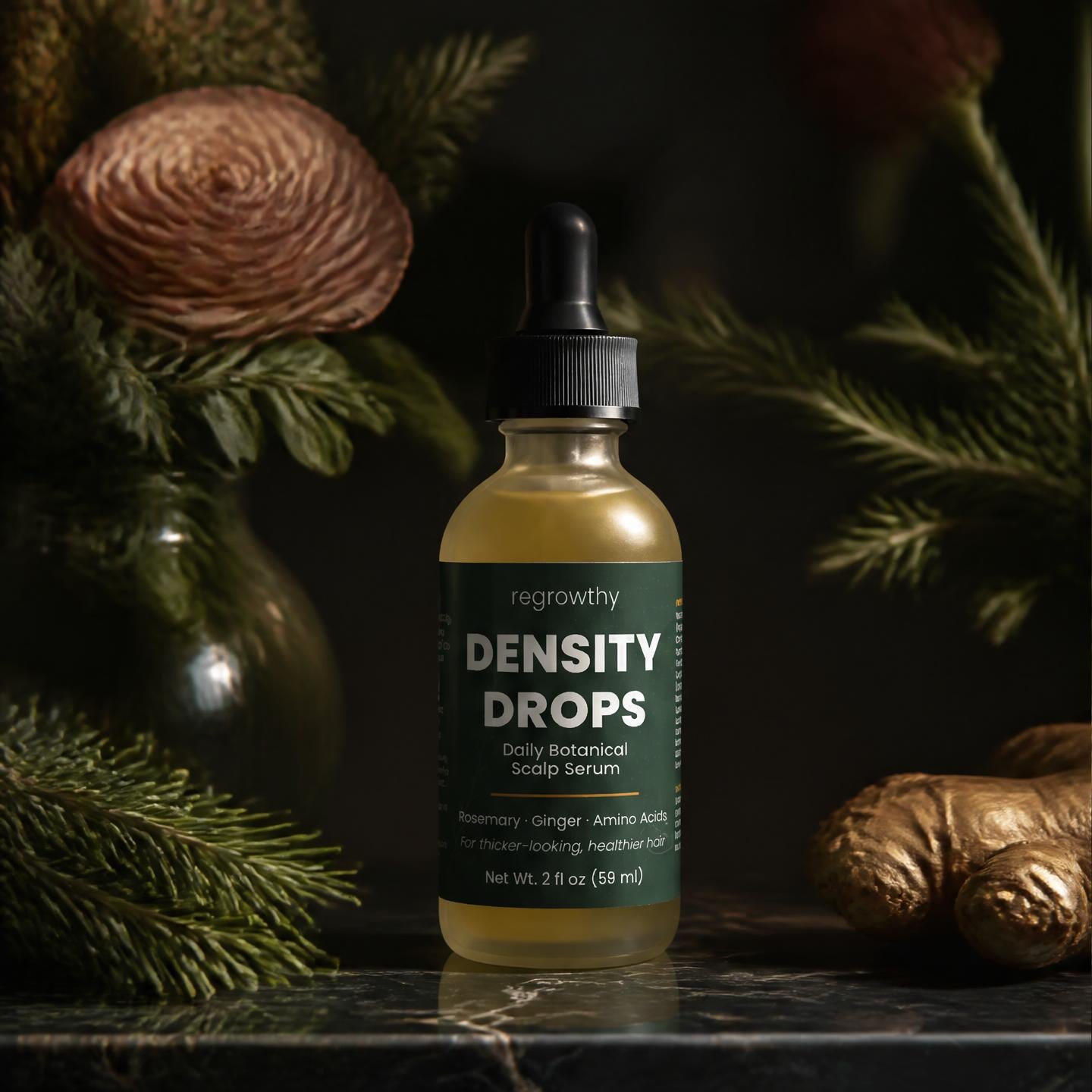
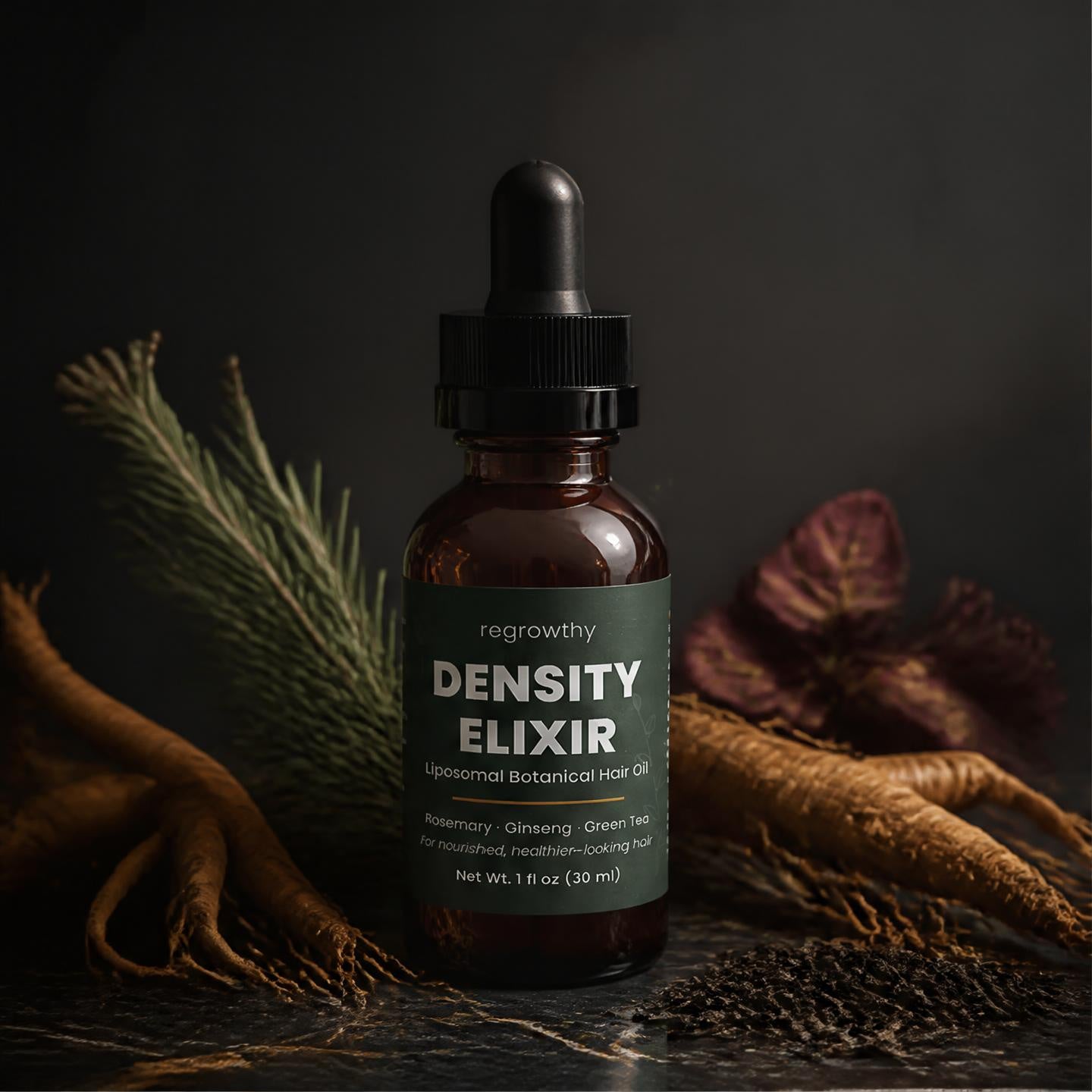
- Rosemary oil (moderate): A 2015 RCT showed rosemary oil comparable to 2% minoxidil over 6 months. Genuinely promising.
- Pumpkin seed oil (moderate): A 2014 RCT showed 40% increase in hair count after 24 weeks of supplementation.
- Caffeine (moderate): Topical caffeine has been shown to stimulate hair follicle growth in vitro and in small clinical studies.
- Biotin (moderate for deficiency): Only effective when there's an actual deficiency (relatively uncommon). No benefit for people with normal biotin levels.
- Vitamin D (moderate for deficiency): Deficiency is linked to hair loss and supplementation helps in deficient individuals.
Limited or Weak Evidence
- Onion juice: One small study showed benefit for alopecia areata (not androgenetic alopecia). Mechanism unclear. Impractical and extremely pungent.
- Green tea extract (EGCG): In vitro evidence of DHT blocking and growth stimulation. Limited human data. May have modest benefit as part of a multi-ingredient approach.
- Ginseng: Some in vitro evidence of growth stimulation. Insufficient clinical evidence for hair loss specifically.
- Aloe vera: Anti-inflammatory and pH-balancing properties support scalp health. No direct evidence for hair regrowth.
No Evidence (Skip These)
- Egg masks, mayonnaise, and other food-based hair masks (no follicle-level effect)
- Apple cider vinegar rinses (pH balancing only, no growth effect)
- Coconut oil for hair loss (good for hair conditioning, no growth stimulation)
- Castor oil for growth (no clinical evidence despite popularity)
- Hair loss crystals, magnets, or energy devices (pure pseudoscience)
The Best Approach: Evidence-Based Multi-Modal
The most effective strategy combines evidence-based natural ingredients with clinically proven treatment modalities. The Regrowthy laser cap and supplements use ingredients with genuine clinical evidence - concentrated and standardized for consistent results. Combined with laser therapy and LED therapy, this creates a multi-modal approach that targets multiple pathways - far more effective than any single remedy, natural or otherwise.
From the routine
Mentioned in this article
Common questions
Frequently asked questions
Can natural remedies alone stop hair loss?+
Are natural treatments safer than pharmaceuticals?+
Does rosemary oil really work for hair loss?+
Why do so many people swear by remedies with no evidence?+
The Regrowthy System
Ready to start regrowing at home?
Hands-free. Non-prescription. 660nm clinical wavelength, backed by a 30-day guarantee.
Continue Reading
Lifestyle & Wellness
The Best Diet for Hair Growth: Foods That Feed Your Follicles
10 min read
Treatment Guides
Multi-Modal Hair Loss Treatment: Why Combining Works Best
11 min read
Treatment Guides
Minoxidil vs. Red Light Therapy: Which Is Better?
12 min read
Myths & Facts