Myths & Facts
Do Hair Products Cause Hair Loss? Myths About Shampoo, Gel, and More
Sulfates, parabens, silicones - are your hair products secretly making you bald? Here's what the science says about common product ingredients and their actual (minimal) role in hair loss.
Updated January 25, 2026
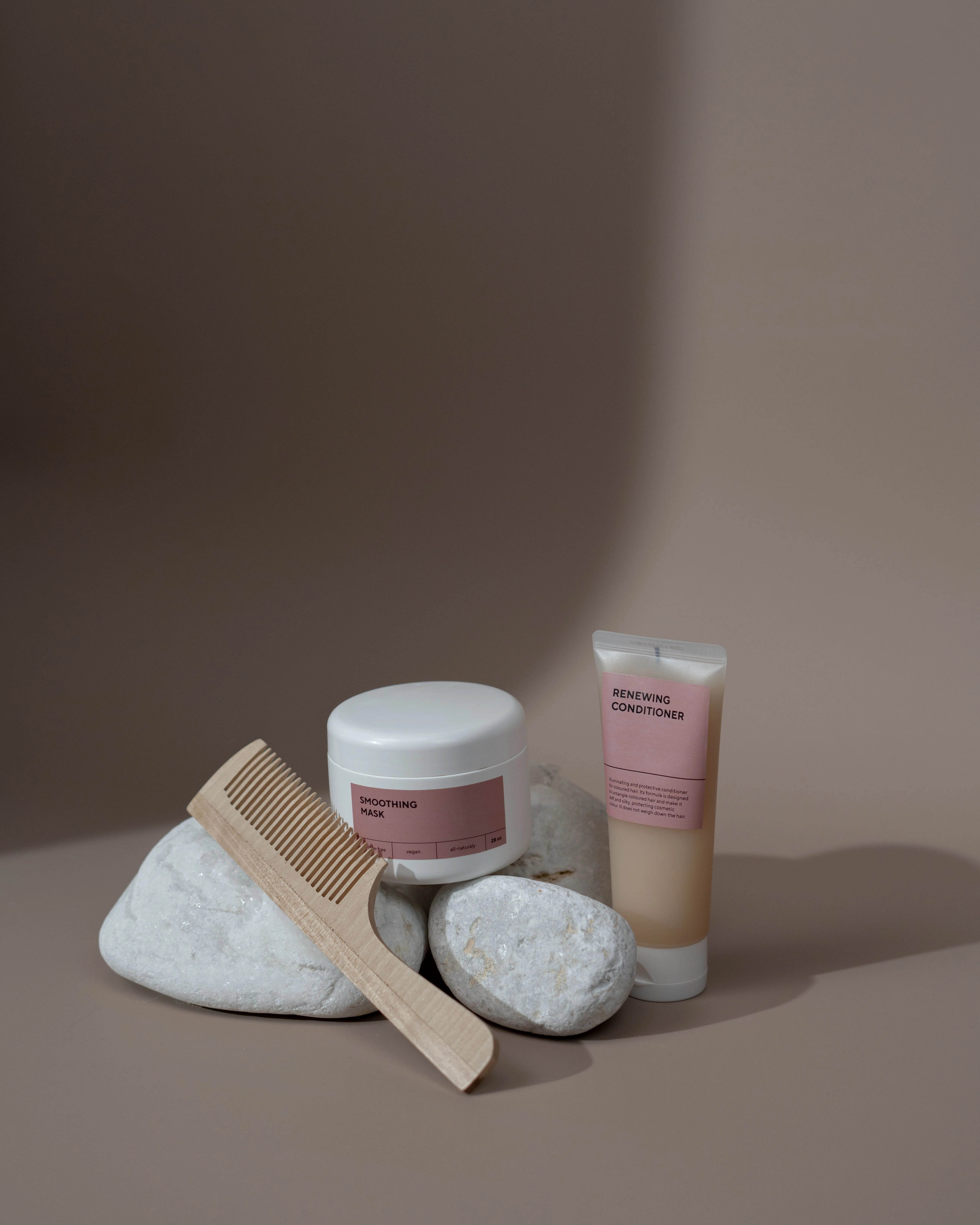
The internet is full of warnings about common hair products causing hair loss. Switch to sulfate-free. Avoid parabens. Don't use silicones. Stop using gel. But how much of this is genuine science and how much is fear-based marketing designed to sell you "clean" alternatives?
Common Product Fears - Debunked
- "Sulfates cause hair loss": Sulfates (SLS, SLES) are detergents that create lather. They can be drying to the hair shaft and may cause irritation in sensitive individuals. But they do NOT cause follicle damage or hair loss. The concern is cosmetic (dry, brittle hair), not medical.
- "Parabens cause thinning": Parabens are preservatives. While there are theoretical concerns about hormonal activity, the concentrations in hair products are far too low to affect follicle hormones. No clinical evidence links parabens in hair products to hair loss.
- "Silicones suffocate follicles": Silicones coat the hair shaft to reduce frizz and add shine. They don't penetrate the skin to reach follicles. They can build up on hair if not properly washed out, making hair look flat, but they don't cause follicle-level damage.
- "Hair gel blocks follicles": Hair gel is applied to the hair shaft, not the scalp. Even when gel contacts the scalp, it doesn't penetrate to the follicle level. Regular washing prevents any buildup concerns.
- "Dry shampoo causes hair loss": Overuse of dry shampoo can contribute to scalp irritation, blocked pores, and inflammation if not properly cleaned. This could worsen existing scalp conditions, but dry shampoo itself doesn't attack follicles.
Real (But Minimal) Product Risks
- Allergic reactions: Some people react to specific ingredients like fragrances, preservatives, or dyes. This can cause scalp inflammation that temporarily increases shedding. Solution: switch products if irritation occurs.
- Heavy product buildup: Not washing out styling products properly can create an unfavorable scalp environment. This is solved by regular, thorough cleansing - not by avoiding products.
- Chemical treatments: Relaxers, perms, and permanent color actually do weaken the hair shaft and can cause breakage. This is mechanical damage, not follicle destruction, and is reversible by stopping the treatments.
- Hresult: scalp-level inflammation: Products containing irritating ingredients can cause contact dermatitis. If your scalp is red, itchy, or burning after product use - switch immediately.
Products That Actually Help Hair Loss
Rather than worrying about which products to avoid, focus on products that actively help. Laser Cap with ketoconazole has proven anti-DHT and anti-fungal benefits - it turns your regular wash into a treatment. laser cap delivers active ingredients directly to follicles with proper scalp care. The biggest mistake isn't using the "wrong" products - it's not using the RIGHT ones to address the actual cause of thinning.
From the routine
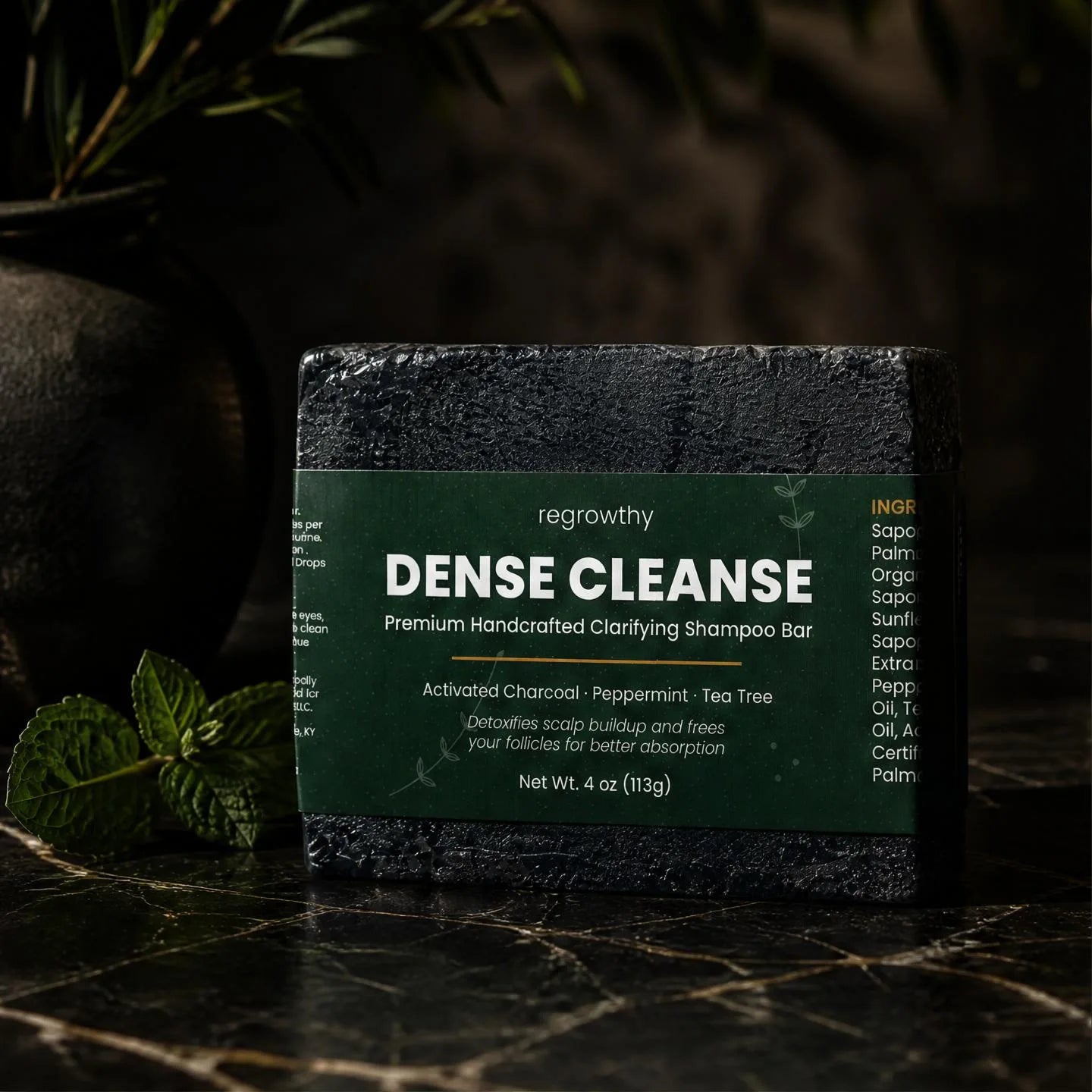
Mentioned in this article
Common questions
Frequently asked questions
Should I switch to sulfate-free shampoo?+
Can using too many products cause hair loss?+
Is "natural" or "clean" shampoo better for hair loss?+
Does coloring my hair cause hair loss?+
The Regrowthy System
Ready to start regrowing at home?
Hands-free. Non-prescription. 660nm clinical wavelength, backed by a 30-day guarantee.
Continue Reading
Lifestyle & Wellness
The Complete Scalp Care Guide for Optimal Hair Growth
8 min read
Hair Loss Science
Hair Loss Myths Debunked: What Really Causes It
8 min read
Lifestyle & Wellness
The Ultimate Hair Care Routine for Men Fighting Hair Loss
9 min read
Conditions & Hair Types