Advanced Science
Hair Cloning and Multiplication: How Close Are We?
The holy grail of hair loss treatment: take a few donor hairs, multiply them in a lab, and transplant unlimited new follicles. Here's where this technology actually stands.
Updated January 25, 2026
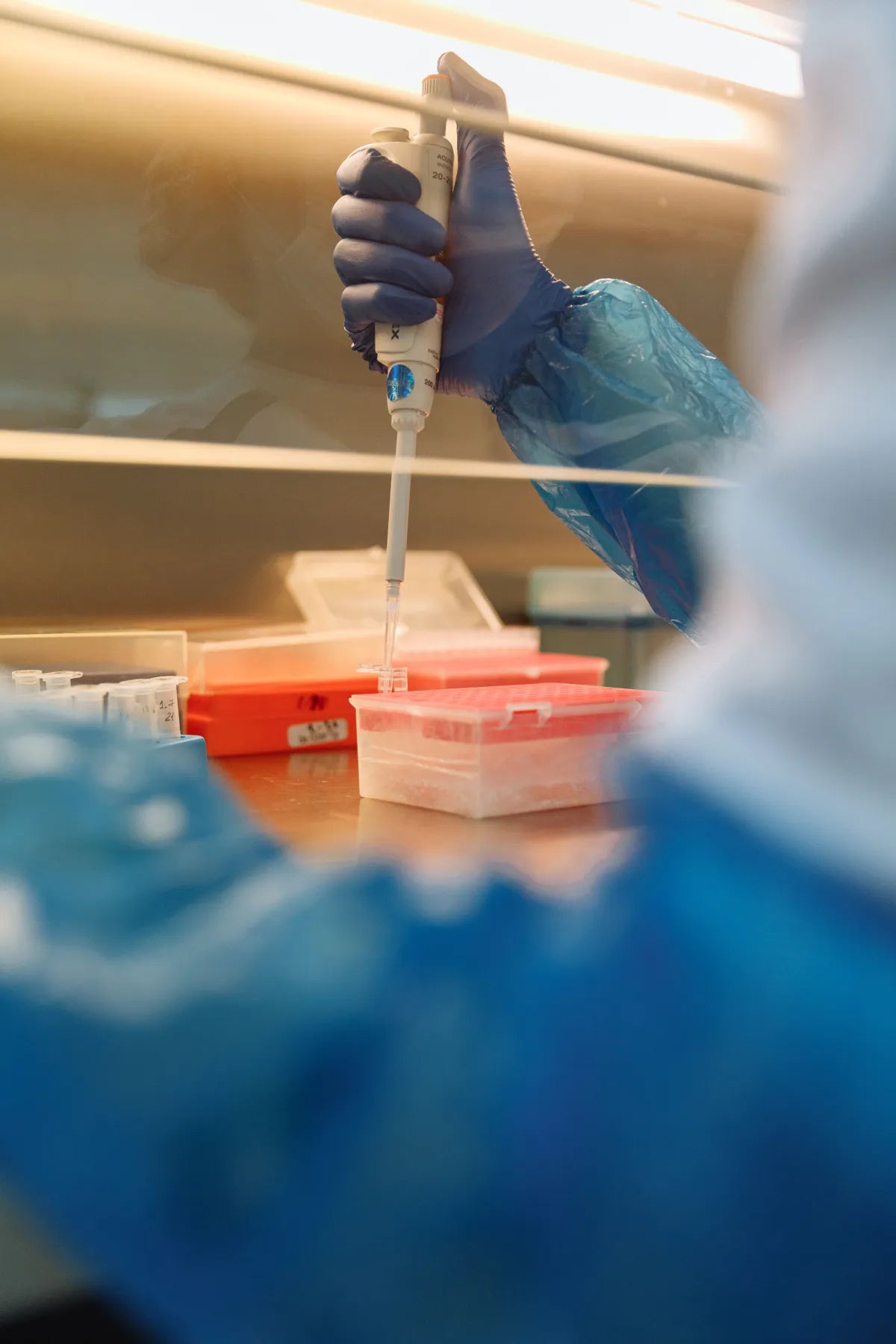
Hair cloning - technically called "hair follicle neogenesis" or "dermal papilla cell multiplication" - would solve hair loss completely by providing an unlimited supply of new follicles. Here's an honest assessment of where this technology stands.
The Concept: Unlimited Hair
The idea is straightforward: extract a small number of hair follicles, isolate the dermal papilla (DP) cells that instruct follicle formation, multiply these cells in culture, and inject them back to generate new follicles. In theory, a small donor area could generate unlimited new hairs - no more donor site limitation.
The Technical Challenges
- DP cell identity loss: When dermal papilla cells are cultured in a lab dish, they rapidly lose their hair-inductive properties. Within a few passages, they become generic fibroblasts that can no longer instruct hair formation. Maintaining their identity is the central challenge.
- 3D structure requirement: Hair follicles are complex 3D structures requiring precise spatial organization of multiple cell types. Simply injecting cells doesn't recreate this architecture.
- Directionality: Generated follicles must produce hairs that grow in the correct direction at the correct angle. Early attempts produced randomly oriented hairs.
- Pigmentation: New follicles must produce pigmented hair matching the patient's natural color.
Current Approaches
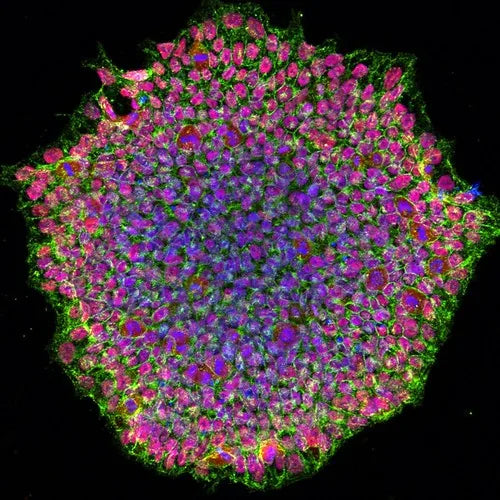
- 3D spheroid cultures: Growing DP cells in 3D clusters (spheroids) helps maintain their identity better than flat cultures. Multiple labs have shown improved inductive capacity.
- Organoid technology: Creating miniature organ-like structures in the lab that mimic follicle development. Japanese researchers have generated hair-bearing skin organoids.
- 3D bioprinting: Printing follicle-like structures using bioinks containing the necessary cell types and scaffolding materials.
- Companies to watch: Stemson Therapeutics (iPSC-derived follicles), dNovo (cell therapy), and several Japanese research groups are leading efforts.
Realistic Timeline
Despite headlines, widespread clinical hair cloning is likely 7-15 years away. Current stage: early human trials for some approaches. The technology exists in principle but scaling, standardizing, and proving safety requires years of clinical work. In the meantime, protect and improve your current hair with proven multi-modal treatments - you'll be in a better position when these therapies arrive.
From the routine
Mentioned in this article
Common questions
Frequently asked questions
Can I get hair cloning done now?+
Will hair cloning make transplants obsolete?+
How much will hair cloning cost?+
Should I wait for hair cloning?+
The Regrowthy System
Ready to start regrowing at home?
Hands-free. Non-prescription. 660nm clinical wavelength, backed by a 30-day guarantee.
Continue Reading
Advanced Science
Stem Cells and Hair Regeneration: Current Research and Future Promise
10 min read
Advanced Science
Wnt Signaling and Hair Growth: The Molecular Switch
9 min read
Advanced Science
The Future of Hair Loss Treatment: What's Coming in 2025-2030
9 min read
Myths & Facts