Lifestyle & Wellness
Environmental Factors That Damage Your Hair: Sun, Pollution, and More
Your environment attacks your hair daily. UV radiation degrades proteins, pollution deposits heavy metals on your scalp, and hard water leaves mineral buildup. Here's how to protect yourself.
Updated January 25, 2026
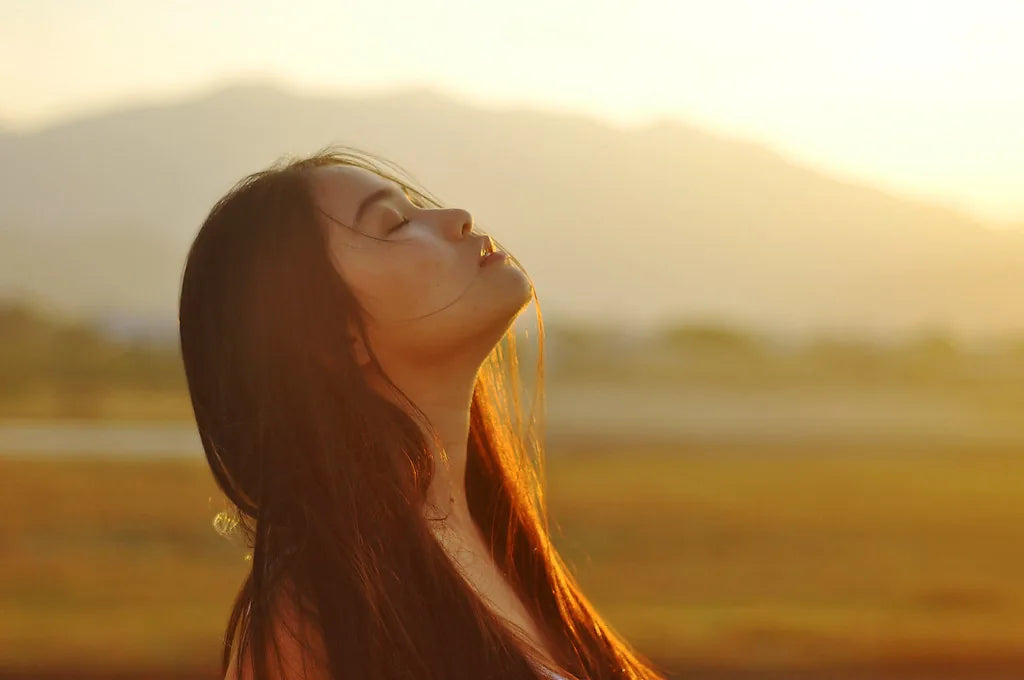
We protect our skin from the sun with sunscreen. We filter our drinking water. But most people completely ignore the environmental damage their hair and scalp absorb daily. UV radiation, air pollution, hard water, and extreme temperatures all degrade hair quality and can contribute to thinning over time.
UV Radiation
- Protein degradation: UVB radiation breaks down keratin disulfide bonds, weakening the hair shaft. Hair becomes dry, brittle, and prone to breakage.
- Color fading: UV exposure oxidizes melanin pigments, causing natural and dyed hair to lighten and look dull.
- Scalp damage: Sunburned scalp creates inflammation that can prematurely push follicles into telogen. Thinning areas are especially vulnerable since there's less hair coverage for protection.
- Cuticle damage: UV exposure lifts and damages the hair cuticle layer, increasing porosity, frizz, and vulnerability to other damage.
Air Pollution
Studies from highly polluted cities show a clear correlation between air pollution exposure and hair loss:
- Heavy metal deposition: Particulate matter containing lead, mercury, cadmium, and arsenic settles on the scalp and can be absorbed into follicles.
- Oxidative stress: Airborne pollutants generate free radicals that damage follicle DNA and proteins - the same mechanism as smoking damage.
- Blocked follicles: Pollution particles can lodge in follicle openings, obstructing normal hair growth.
- Scalp microbiome disruption: Pollutants alter the scalp's bacterial balance, potentially triggering dandruff and inflammation.
Water Quality Impact
- Hard water: Calcium and magnesium deposits coat the hair shaft, making it rough, tangled, and less responsive to products. On the scalp, mineral buildup can contribute to follicle obstruction.
- Chlorine: Swimming pool chlorine and municipal water chlorination strip the hair's natural lipid layer, causing dryness and brittleness. Chlorine can also chemically react with hair proteins.
- Hot water: Excessive hot water exposure strips natural oils, disrupts the scalp's skin barrier, and can worsen inflammatory conditions.
Extreme Weather Effects
- Dry, cold air: Strips moisture from hair and scalp, causing static, breakage, and dry scalp conditions. Winter is often the worst season for hair quality.
- Humidity: Excessive moisture causes the hair shaft to swell, lifting the cuticle and increasing frizz and vulnerability to damage.
- Wind: Physical stress from wind tangles and breaks hair, particularly longer styles. Wind also carries particulate matter.
Protection Strategies
- Wear a hat in intense sun (loose-fitting to avoid traction).
- Install a shower filter to remove chlorine and reduce hard water minerals.
- Wash hair after pollution exposure with a gentle shampoo to remove deposited particles.
- Antioxidant protection: Supplements with vitamins C, E, and selenium help neutralize pollution-generated free radicals internally.
- Apply leave-in protection before swimming to create a barrier against chlorine.
- Use humidifier in heated rooms during winter to prevent dry air damage.
From the routine
Mentioned in this article
Common questions
Frequently asked questions
Does wearing a hat cause hair loss?+
Should I use UV protection spray for hair?+
How can I tell if my water is hard?+
Does seasonal change affect hair shedding?+
The Regrowthy System
Ready to start regrowing at home?
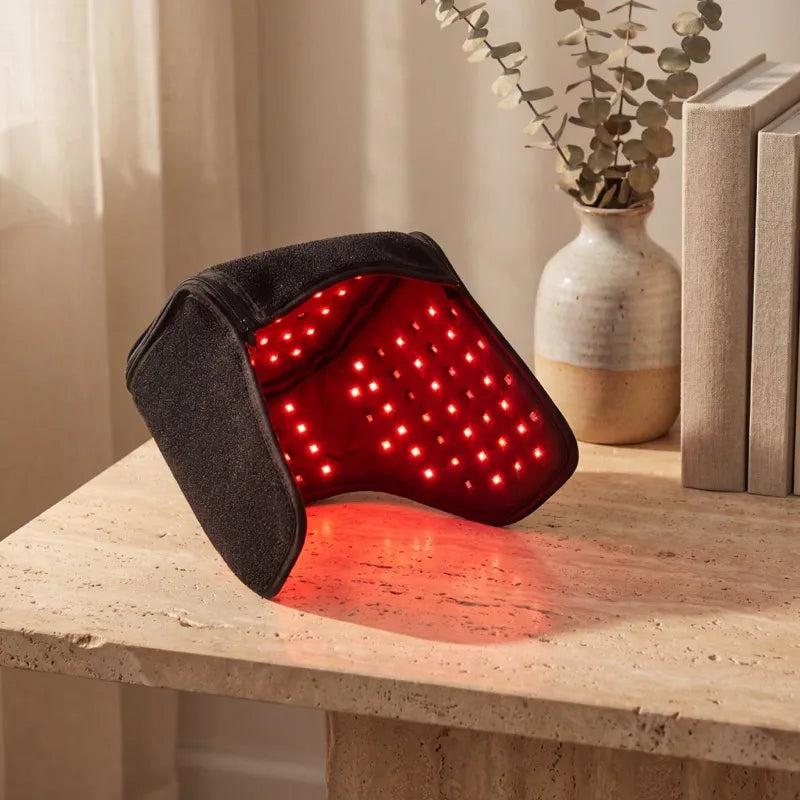
Hands-free. Non-prescription. 660nm clinical wavelength, backed by a 30-day guarantee.
Continue Reading
Lifestyle & Wellness
The Complete Scalp Care Guide for Optimal Hair Growth
8 min read
Lifestyle & Wellness
Water and Hair Growth: Does Hydration Actually Matter?
6 min read
Lifestyle & Wellness
The Ultimate Hair Care Routine for Men Fighting Hair Loss
9 min read
Lifestyle & Wellness