Myths & Facts
Does Wearing Hats Cause Hair Loss? The Science Behind the Myth
Your grandfather told you hats cause baldness. Your barber might agree. But what does the science actually say? Spoiler: your hat collection is safe.
Updated January 10, 2026

The "hats cause baldness" myth is one of the most persistent in hair loss folklore. It sounds logical - covering your head might restrict blood flow, suffocate follicles, or somehow damage hair. But logic isn't science. Let's look at what the research actually shows.
The Myth: How It Started
The hat myth likely originated from a correlation-causation error: men who are going bald wear hats to cover their thinning hair. Observers noticed that men who wear hats frequently tend to be men with less hair - and concluded the hat was the cause. In reality, the hat is a response to hair loss, not the cause of it.
What Science Says
- Blood flow: Normal hat wearing does NOT restrict blood flow to the scalp to any meaningful degree. Your scalp's blood supply comes from arteries deep below the surface that a hat doesn't compress. You'd need a extremely tight band (tourniquet-level pressure) to restrict blood flow.
- Follicle suffocation: Hair follicles get their oxygen and nutrients from blood supply, not from air exposure. Your follicles don't "breathe" from the surface. Covering them with a hat has zero effect on follicle oxygenation.
- Research evidence: A 2013 study in the Journal of Plastic and Reconstructive Surgery found no correlation between hat wearing and hair loss. Multiple dermatological reviews have debunked this myth.
When Hats Could Actually Matter
- Extremely tight headwear: If a hat is so tight it leaves marks on your skin and causes headaches, the chronic pressure could potentially cause traction alopecia at the contact points. This is rare and requires extreme tightness.
- Dirty hats: A filthy, never-washed hat could contribute to scalp infection or folliculitis - but this is a hygiene issue, not a hat issue.
- Friction breakage: Constant putting on and removing of tight-fitting hats could cause some hair shaft breakage (not follicle loss) along the friction line.
What Actually Causes Hair Loss
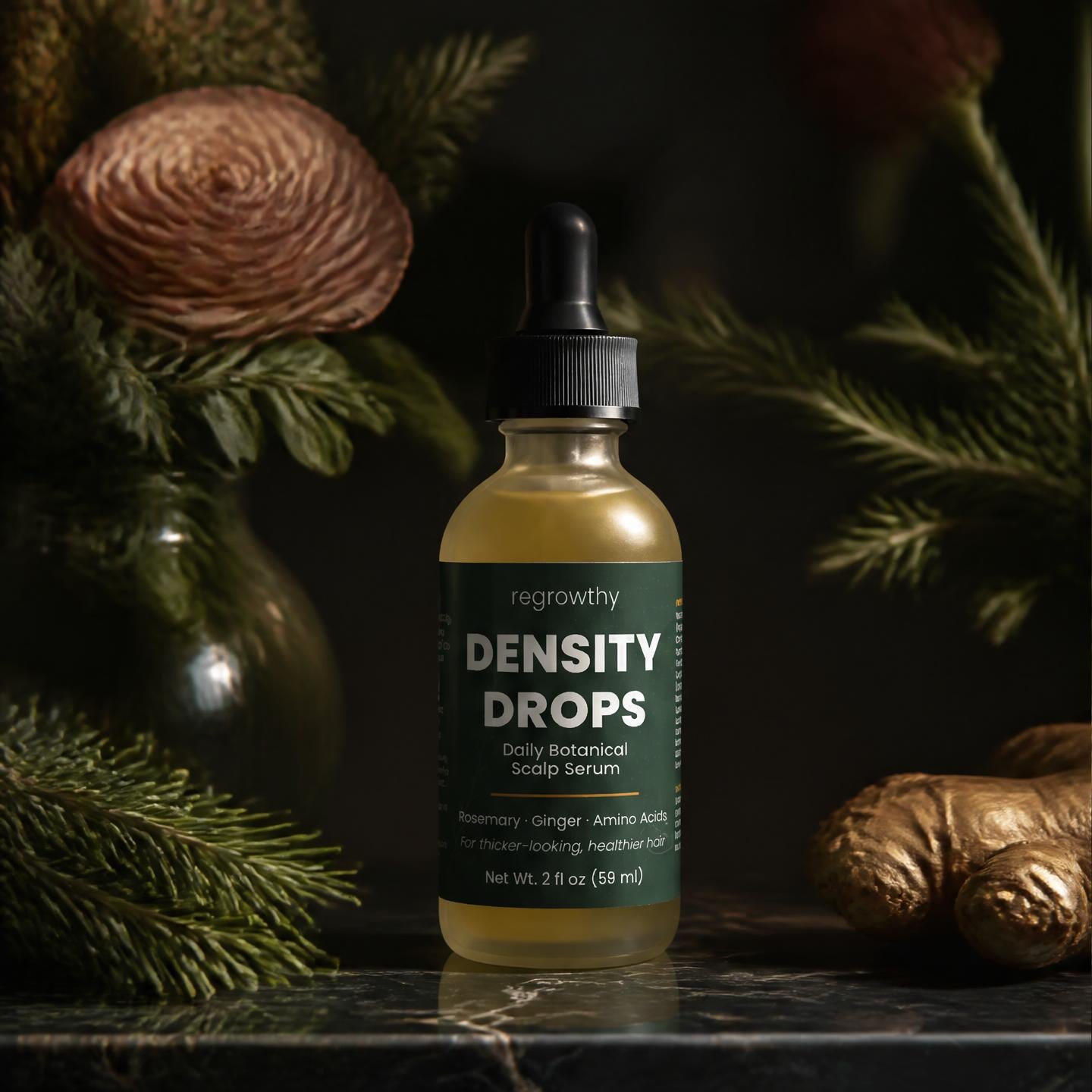
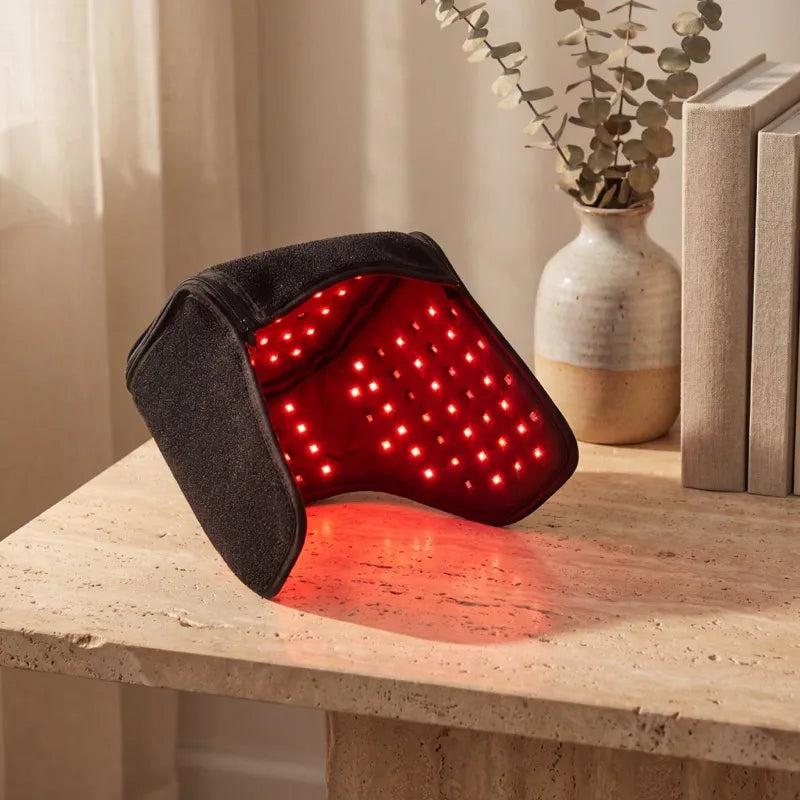
Androgenetic alopecia - driven by DHT and genetic sensitivity - is responsible for 95% of progressive hair loss in men. To actually address hair loss, focus on DHT management: use a Laser Cap, take supplements with saw palmetto, and implement a comprehensive hair care routine. Your hat? Wear it proudly - it's not the problem.
From the routine
Mentioned in this article
Common questions
Frequently asked questions
Can I wear a hat every day without losing hair?+
Should I stop wearing hats if I'm losing hair?+
Do helmets cause hair loss?+
Why do bald men always seem to wear hats?+
The Regrowthy System
Ready to start regrowing at home?
Hands-free. Non-prescription. 660nm clinical wavelength, backed by a 30-day guarantee.
Continue Reading
Hair Loss Science
Understanding Male Pattern Baldness: The Complete Guide
12 min read
Hair Loss Science
How DHT Causes Hair Loss (And How to Block It)
11 min read
Conditions & Hair Types
Traction Alopecia: How Hairstyles Cause Permanent Hair Loss
8 min read
Lifestyle & Wellness