Results & Progress
How to Track Hair Growth Progress: Photos, Metrics, and Tools
You can't manage what you can't measure. Here's how to objectively track your hair growth progress so you know exactly what's working and what isn't.
Updated January 20, 2026
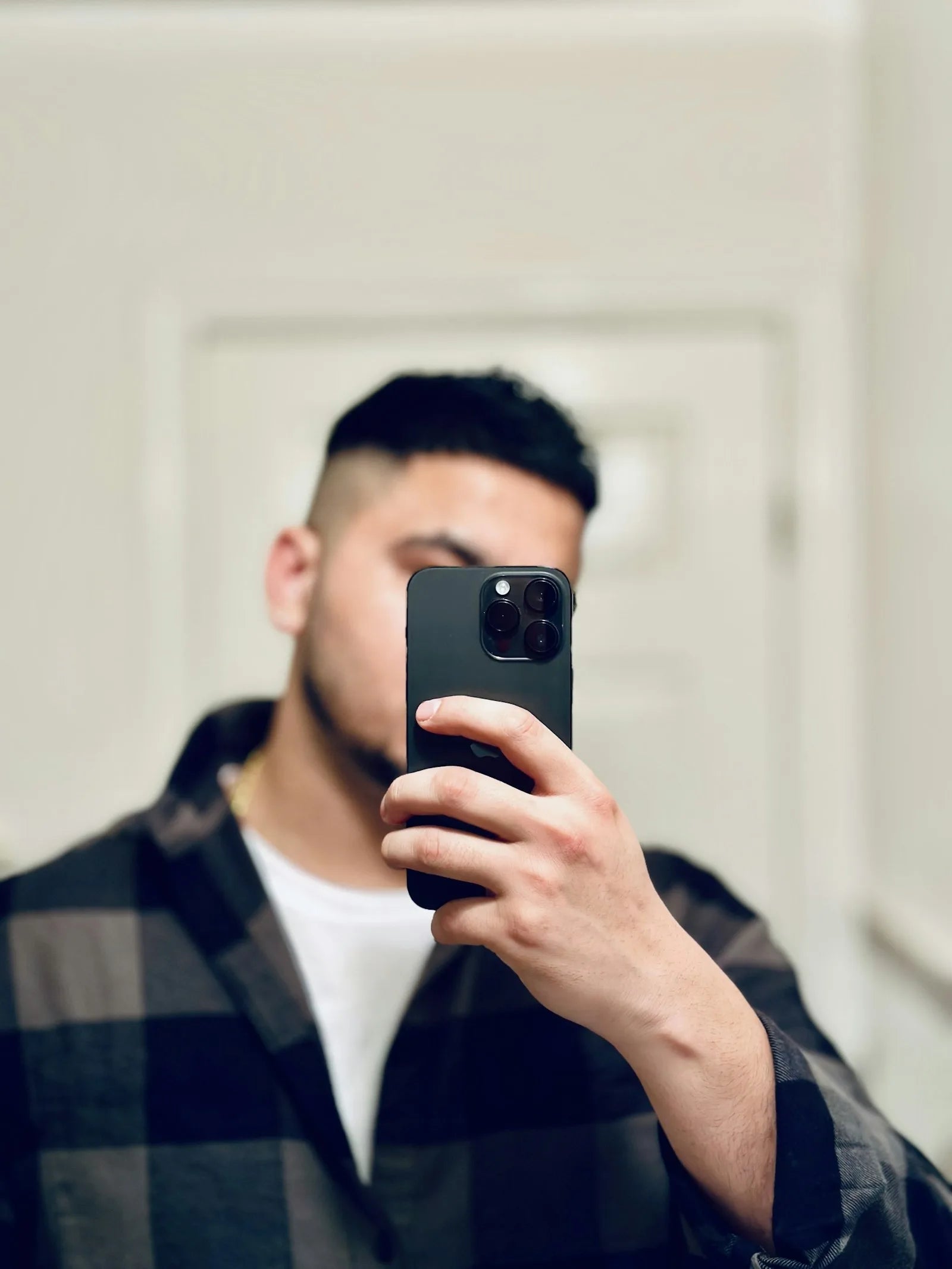
Hair changes are gradual - so gradual that you often can't see them day to day. Without objective tracking, you might think nothing is changing when significant improvement is actually happening. Or you might imagine improvement that isn't there. Both are problems.
Why Tracking Matters
Human perception is unreliable for tracking gradual change. We see ourselves daily, so incremental improvement is invisible. We're also subject to confirmation bias - seeing what we expect to see. Objective tracking solves both problems and provides motivation when results are slow but real.
Photo Documentation: The Gold Standard
- Consistency is key: Same lighting, same angle, same distance, same hair state (dry, unstyled) every time. Inconsistent conditions make comparison meaningless.
- Locations: Document hairline (front-facing), crown (top-down), temples (45-degree angle), and part line.
- Lighting: Use the same bathroom with overhead lighting. Avoid flash - it creates inconsistent highlights. Natural daylight near a window works well.
- Frequency: Monthly photos are optimal. Weekly is too frequent to show change; quarterly is too infrequent to motivate.
- Pro tip: Mark a spot on the floor where you stand. Use a tripod or phone mount for consistent framing.
Other Tracking Methods
- Shed count: Count hairs lost during washing for 3 consecutive days each month. Decreasing average = positive sign.
- Treatment journal: Log daily treatment adherence. Missed treatments correlate with slower results.
- Part width: Photograph your natural part line - width decreasing indicates density improvement.
- Hair pull test: Gently pull a group of ~40 hairs. Normal is 0-2 coming out; more suggests active shedding.
Recommended Tracking Schedule
Day 0: comprehensive baseline photos from all angles. Monthly: standardized progress photos + shed count. Every 3 months: full review comparing to baseline. 6 months: first major assessment - compare photos and decide if adjustments are needed. Use the Laser Therapy Cap consistently throughout and track your progress against the expected timeline.
From the routine
Mentioned in this article


Common questions
Frequently asked questions
How often should I take progress photos?+
Why does my hair look different in different lighting?+
My photos show improvement but I can't see it in the mirror+
What if my progress is slower than the timeline suggests?+
The Regrowthy System
Ready to start regrowing at home?
Hands-free. Non-prescription. 660nm clinical wavelength, backed by a 30-day guarantee.
Continue Reading
Results & Progress
Hair Regrowth Timeline: What to Expect Month by Month
9 min read
Hair Loss Science
The Hair Growth Cycle: Anagen, Catagen, Telogen
9 min read
Treatment Guides
Multi-Modal Hair Loss Treatment: Why Combining Works Best
11 min read
Results & Progress